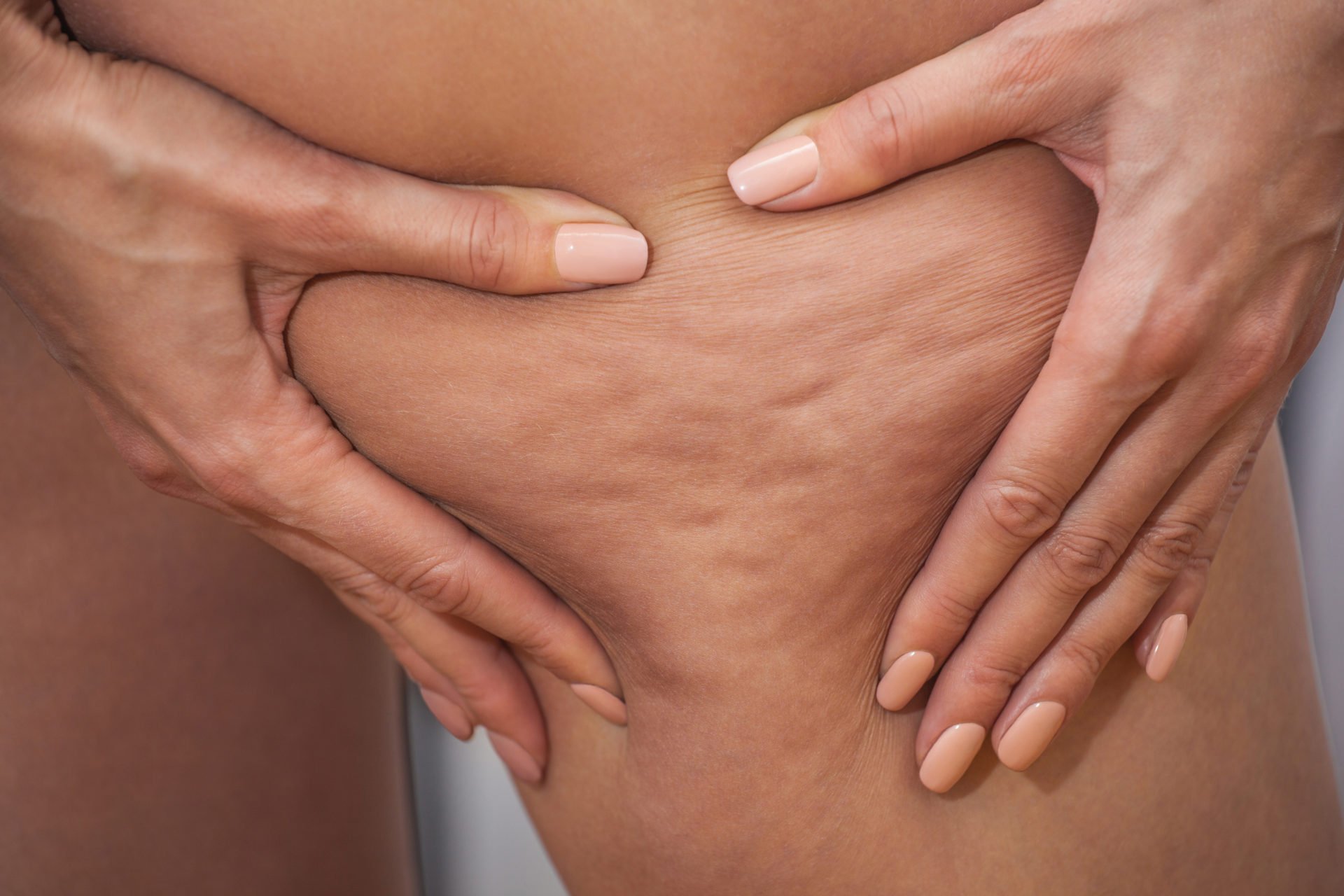
9 out of 10 women have cellulite, compared with 1 in 50 men. Cellulite is the source of endless insecurities and hours of determined effort. It affects slim women and curvier women alike. What is it exactly? Cellulite, of course!
Sommaire
What is cellulite?
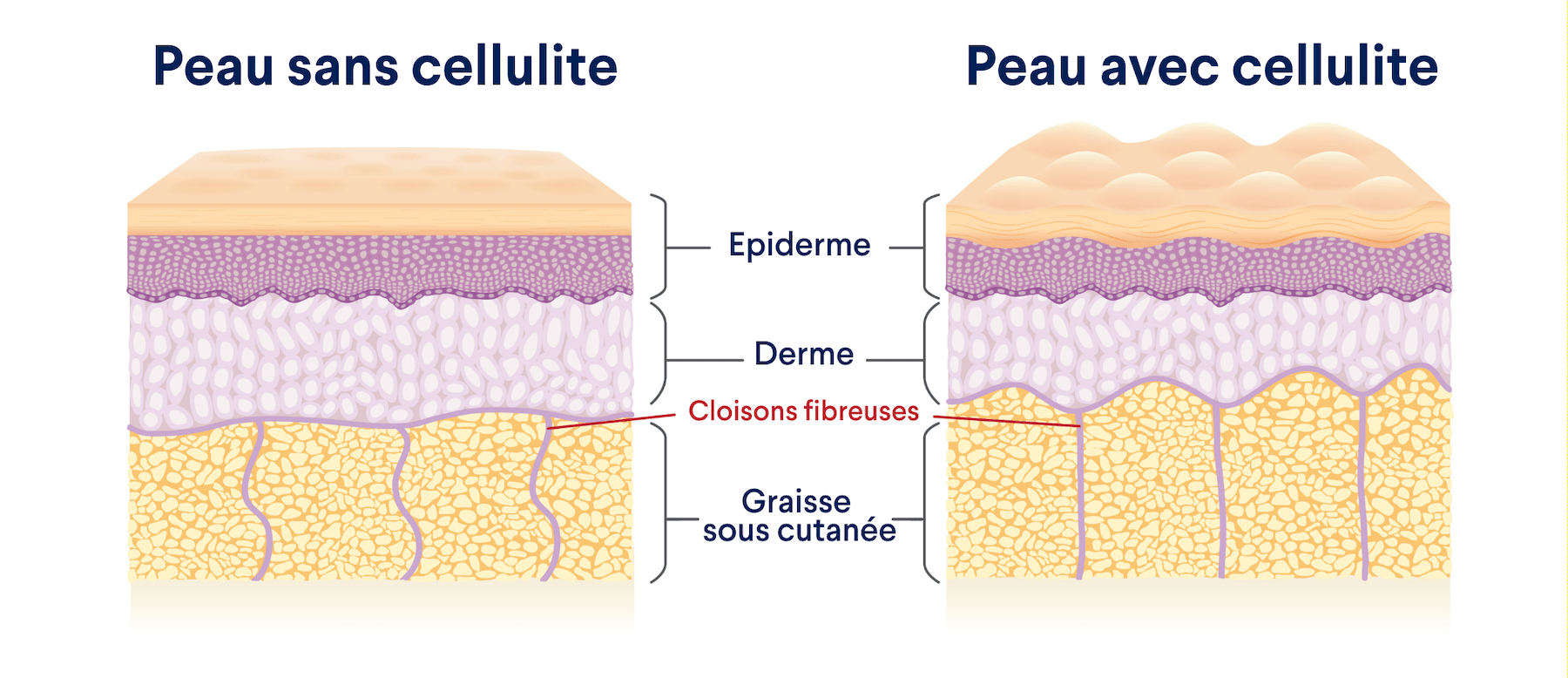
Cellulite, or superficial lipodystrophy, is the result of an abnormal buildup of fat, water and toxins in the lower layers of the skin. It gives the skin a dimpled appearance, commonly known as orange peel skin.
The hypodermis, the deepest layer of the skin, is made up in part of fat cells responsible for storing lipids (lipogenesis). These lobules, called adipocytes, store or release fat depending on the body’s needs. When the energy balance is disrupted, meaning that energy intake (through food) is greater than energy expenditure (through sport, physical activity, brain activity, sleep, hypothermia, etc.), adipocytes enlarge. As a result, the hypodermis thickens and becomes distorted. Blood and lymphatic vessels are also compressed, which disrupts the proper drainage of water and toxins. The result appears on the surface of the epidermis, to a greater or lesser extent. That is cellulite.
Men and women are not equal when it comes to cellulite. There are several reasons for this:
- Women have a higher body fat percentage than men – 25-30% in women compared with 15-20% in men. The reason is purely physiological: women are “designed” to bear children and breastfeed.
- The number of adipocytes is higher in women than in men.
- The structure of adipocytes is also different. In women, adipocytes are perpendicular to the skin’s surface. So when they enlarge, they tend to “push” against the dermis. In men, adipocytes are angled relative to the skin’s surface.
- The location of adipocytes varies. In women, fat lobules are mainly concentrated on the lower body (buttocks, hips, thighs, knees), whereas in men, fat is mainly stored in the upper body (belly, stomach, love handles).
- Women’s skin is thinner than men’s. As a result, cellulite tends to be more visible in women.
A very common, harmless and mostly painless phenomenon, cellulite is nonetheless considered aesthetically unappealing.
Types of cellulite

There are different types of cellulite, depending on the underlying causes.
1- Water retention cellulite
Edematous cellulite is caused by water retention in the tissues, itself due to a combination of factors: enlarged adipocytes associated with venous and lymphatic insufficiency. The body is made up of around 70% water, distributed two-thirds inside the cells and one-third between the cells or in the blood vessels. The body naturally regulates the filtration, absorption and elimination of water. However, this regulation does not always work properly, and water can remain “trapped” in the tissues. This is known as water retention. When fat cells become enlarged, they tend to worsen the phenomenon by trapping even more water in the tissues. The result: inflammation linked to a stagnation of fluid and toxins in the tissues… and the appearance of water retention cellulite. It should be noted that it can affect all women, including the slimmest.
Water retention cellulite can be recognized by:
- A naturally swollen appearance of the skin (edema)
- Feelings of heaviness, particularly in the lower body – thighs, legs, ankles
- Tingling and restlessness
- Unexplained bruising
- Its soft and only mildly painful feel
- Water retention cellulite is therefore painless cellulite, visible (swollen effect), caused by excess water in the tissues.
2- Fatty cellulite
Fatty cellulite is soft and painless. It is visible to the naked eye and becomes more pronounced with a light pinch of the skin. It mainly affects women who are slightly overweight. However, slim women can also have it.
This type of cellulite is mainly caused by excessive fat storage in the fat lobules. The reason: an overly rich diet combined with too little energy expenditure. Excess fat consumed is stored by adipocytes, which, under overload, increase in size – up to 50 times their original size, or even multiply (the principle of cell division, or mitosis). The circulation of essential fluids (blood, lymph, water) becomes impaired. As a result, the tissues become inflamed and distorted under pressure. Fatty cellulite appears.
- Fatty cellulite is therefore non-painful cellulite, more or less visible, caused by excess fat (an overly rich diet and too little physical activity).
3- Fibrous cellulite
This is deeply embedded cellulite caused by a stiffening of connective tissue (the skin’s elastic fibers). Collagen and elastin fibers help anchor the cells to the skin and muscles. If these fibers harden, they “trap” adipocytes and hinder their emptying – of fat and toxins. Fibrosis therefore leads to fibrous cellulite. It should be noted that this type of cellulite can be hereditary, since fibrosis is a genetic characteristic. Hardened cellulite is painful when pinched, sometimes discolored (due to inflammation), firm to the touch, deep and difficult to reduce. It affects all women, whether slim or curvy.
- Fibrous cellulite is therefore hard, embedded, highly visible, painful and persistent.
4- Mixed cellulite
All three types of cellulite can absolutely coexist. In fact, it is not uncommon to see water retention and fatty cellulite together, or to observe the appearance of fibrous cellulite in women who originally had fatty cellulite.
The causes of cellulite
1- Hormonal factors
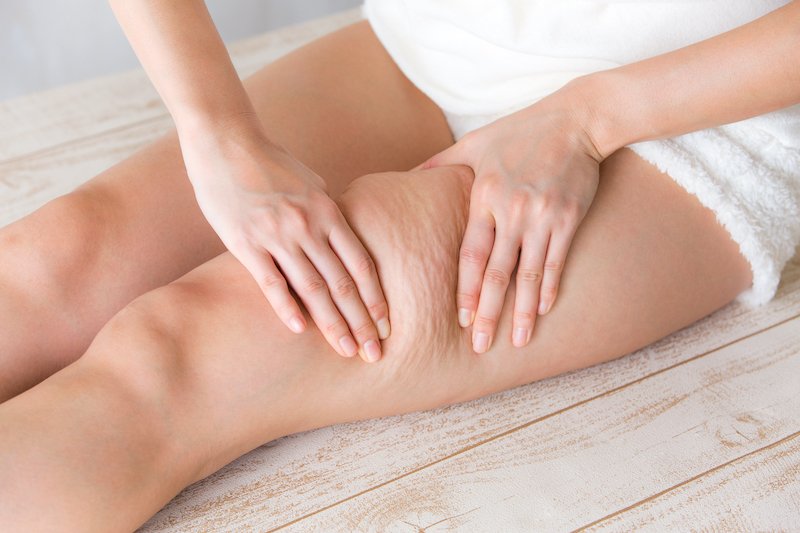
In women, cellulite appears during adolescence, at puberty. Under the influence of estrogen and progesterone, the body of a young menstruating girl begins to store fat in preparation for a possible pregnancy and breastfeeding. Moreover, these same hormones encourage water and sodium retention. The hormonal fluctuations that punctuate a woman’s life (menstruation, pregnancy, menopause) intensify this phenomenon.
In addition to sex hormones, other hormones also play a role in the development of cellulite:
- Prolactin: this hormone, which plays a role during pregnancy, helps prepare the mammary glands for breastfeeding. It therefore encourages the body to build fat and water reserves, contributing to enlarged adipocytes and water retention.
- Cortisol: this so-called “stress hormone” is naturally present in the body and helps us deal with daily challenges. But in situations of chronic stress, the adrenal glands produce cortisol continuously. However, high cortisol levels lead to increased blood pressure, deterioration of skin collagen, and a greater tendency toward water retention and fat storage.
- Thyroid hormones : they play a major role in the proper functioning of the basal metabolism, including in the process of lipolysis and the breakdown of sugar. In the case of hypothyroidism, lipolysis no longer occurs properly and the body stores fat, leading to the appearance of cellulite.
2- Heredity
Many factors that promote the appearance of cellulite have a hereditary component :
- The number, size and location of adipocytes, which vary from one individual to another
- Lipolysis, that is, the ability of fat lobules to empty their contents
- The quality of connective tissue
- Venous and lymphatic insufficiency
3- Age
Age generally leads to an intensification of cellulite. As we get older, several phenomena can be observed:
- Impaired venous and lymphatic circulation: blood vessels gradually lose tone and flexibility, so cellulite becomes more diffuse and tends to spread to the knees and even the ankles – with a higher risk if the person already suffers from venous and lymphatic insufficiency.
- Changes in the hormonal environment: perimenopause is often associated with estrogen dominance, leading to a sharp increase in fat storage and slower blood and lymphatic circulation. Cellulite gain during this period is often significant. Then, after menopause, the production of sex hormones drops dramatically. As a result, women tend to store fat in the upper body. Cellulite may appear on the arms, abdomen and stomach.
- Reduced fibrosis: as the body ages, it produces less collagen and elastin (proteins responsible for skin elasticity and firmness). As elastic fibers become scarcer and finer, fibrous cellulite tends to lessen. However, the decrease in collagen also leads to skin slackening, making the “orange peel skin” look and skin looseness more pronounced.
4- Venous and lymphatic insufficiency
People who suffer from lymphatic insufficiency and poor venous return are particularly prone to cellulite. The venous and lymphatic system is a vast network of vessels that supply nutrients, hormones, oxygen and fats to the cells, organs and muscles. Meanwhile, the lymphatic network drains excess fluid and waste to the elimination organs. However, when this system does not function properly, tissues become congested with water and toxins (water retention). Under pressure and inflammation, the skin becomes distorted. Dimples appear.
5- Diet
Poor eating habits are one of the leading causes of cellulite. A diet that is too high in salt (which promotes water retention), saturated fat and sugar (which triggers hyperinsulinemia and lipogenesis) will encourage the development of cellulite. In addition, if food intake exceeds the body’s daily energy needs, the body will naturally store the surplus, causing adipocytes to become overloaded with triglycerides and, consequently, cellulite to appear.
6- Sedentary lifestyle
Physical activity is necessary to keep the body functioning properly. A sedentary lifestyle encourages the appearance of cellulite for several reasons:
- Sport – and, to a lesser extent, movement – helps balance the body’s energy equation through lipolysis. The greater the body’s energy demand, the lower the tendency to develop cellulite.
- Well-developed muscle mass requires energy – and therefore calories. Basal metabolism will naturally “burn” more fat, and cellulite will be less pronounced.
- Moving helps restart the venous pump and lymphatic circulation, both of which are involved in the appearance of cellulite. In contrast, immobility (prolonged sitting or standing) causes stagnation of essential fluids (or even compression, in a seated position), which is particularly detrimental to the body and conducive to cellulite.
7- Smoking and alcohol
Smoking and alcohol consumption are harmful to health in many ways. Tobacco causes disruptions to microcirculation. It is a vasoconstrictor, meaning it encourages the constriction of blood vessels. As a result, it hinders the proper circulation of nutrients in the body and impairs the drainage of water and waste. It therefore encourages the formation of cellulite. As for alcohol, the sugar it contains is turned into fat by the liver – empty calories that are immediately stored by adipocytes.
8- Drug treatments
Certain treatments such as hormonal contraceptives (the pill), antihistamines or corticosteroids can disrupt hormonal balance and promote the appearance of cellulite.
Cellulite treatments
1- Lifestyle
To improve the appearance of cellulite, the first step is to rethink your lifestyle:
- Adopt a healthy lifestyle: restorative sleep, a varied diet, regular exercise, and sufficient hydration (water).
- Avoid excess: alcohol, cigarettes, sugar, salt, junk food.
- Choose comfortable clothing and relatively loose-fitting garments to avoid restricting blood flow, and flat shoes, which are more favorable to venous return.
- Avoid sources of heat (prolonged sun exposure, very hot baths) to support venous and lymphatic health.
- Choose cool showers and finish each shower with a stream of cold water to stimulate venous return.
- Move regularly to prevent static postures.
2- Nutrition
 Reviewing your diet is essential to prevent or reduce cellulite. Meals should be varied, balanced and should not exceed energy expenditure, otherwise lipogenesis is encouraged.
An ideal anti-cellulite diet should include:
- Complex carbohydrates, such as whole-grain products, because the body needs energy.
- Lean proteins (white meat, fish) and plant proteins (legumes, soy), to nourish the muscles and brain.
- Fruit and vegetables, varying them according to the season and your preferences.
- Fiber (fruit, vegetables, legumes, nuts), which helps lower blood sugar and avoid insulin spikes.
- Good-quality fats, such as polyunsaturated fats and omega 3-6-9.
- Dairy products, essential against osteoporosis (which particularly affects women).
- Water, around 1.5 to 2 liters per day, to properly hydrate the body and help prevent water retention.
Sugars, snacking, refined foods, saturated fats (cold cuts, fast food), salt and alcohol are all cellulite “triggers”.
3- Physical activity
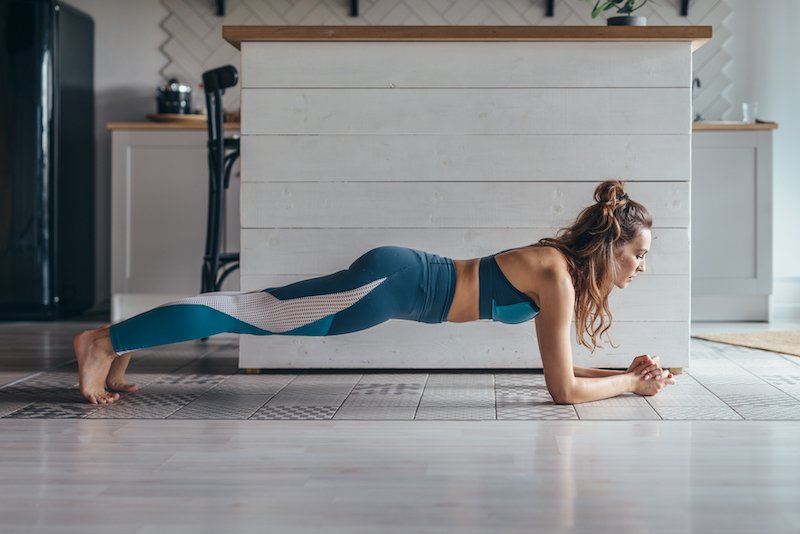
Regular physical and sports activity helps limit the appearance of cellulite. Indeed, sport helps to:
- Control calorie intake and restore the body’s energy balance.
- Increase basal metabolism. The body’s fat is used more to fuel the muscles than to be stored by fat cells.
- Activate lipolysis and, consequently, boost the emptying of fat contained in adipocytes.
- Maintain good venous and lymphatic health, since muscles massage the blood and lymphatic vessels during physical activity.
- Help prevent skin aging and the deterioration of the skin’s elastic fibers, partly responsible for the orange peel appearance.
Endurance sports (running, cycling, swimming) have proven effective against cellulite. However, certain fun fitness activities (zumba, water aerobics), wellness disciplines (Pilates, yoga) or high-intensity workouts (HIIT, CrossFit) are also excellent against cellulite.
More generally, any physical activity, even very light movement, is beneficial for the body. Small daily efforts and walking every day have a positive effect on muscle tone and the circulation of essential fluids.
4- Plants

Phytotherapy, meaning therapy based on the active compounds of plants, can help in the treatment of cellulite. Taking certain plants with draining, diuretic, thermogenic or fat-blocking properties can be beneficial as part of an anti-cellulite routine. Consulting a phytotherapist or speaking with a specialist pharmacist may therefore be worthwhile.
Plants are generally taken in the form of herbal teas, powders, capsules or drinkable solutions. Cellublue offers a range of 100% natural and vegan food supplements inspired by nature. Among them:
- The Cellulite Capsules, made with draining green tea extract, diuretic cherry stalk, veinotonic red vine and guarana to help target stored fat.
- The Cellulite Drain, which stimulates the body and supports the drainage of excess water and toxins through natural elimination pathways.
5- Anti-cellulite massages
A healthy diet and regular physical activity are rarely enough to eliminate cellulite completely. Since the female body is programmed to store fat, adipocytes will only empty if the process is “physically” triggered. To do this, different massage techniques are used:
- The lymphatic drainage : particularly effective on water retention cellulite, it helps restart the venous-lymphatic pump by stimulating the lymph nodes and boosting blood flow.
- The pressotherapy : a mechanical drainage technique (machine-based) designed to stimulate venous return and energize the lymphatic system.
- The hydromassage : a massage using water (fresh or seawater), combining the benefits of massage with the therapeutic properties of water.
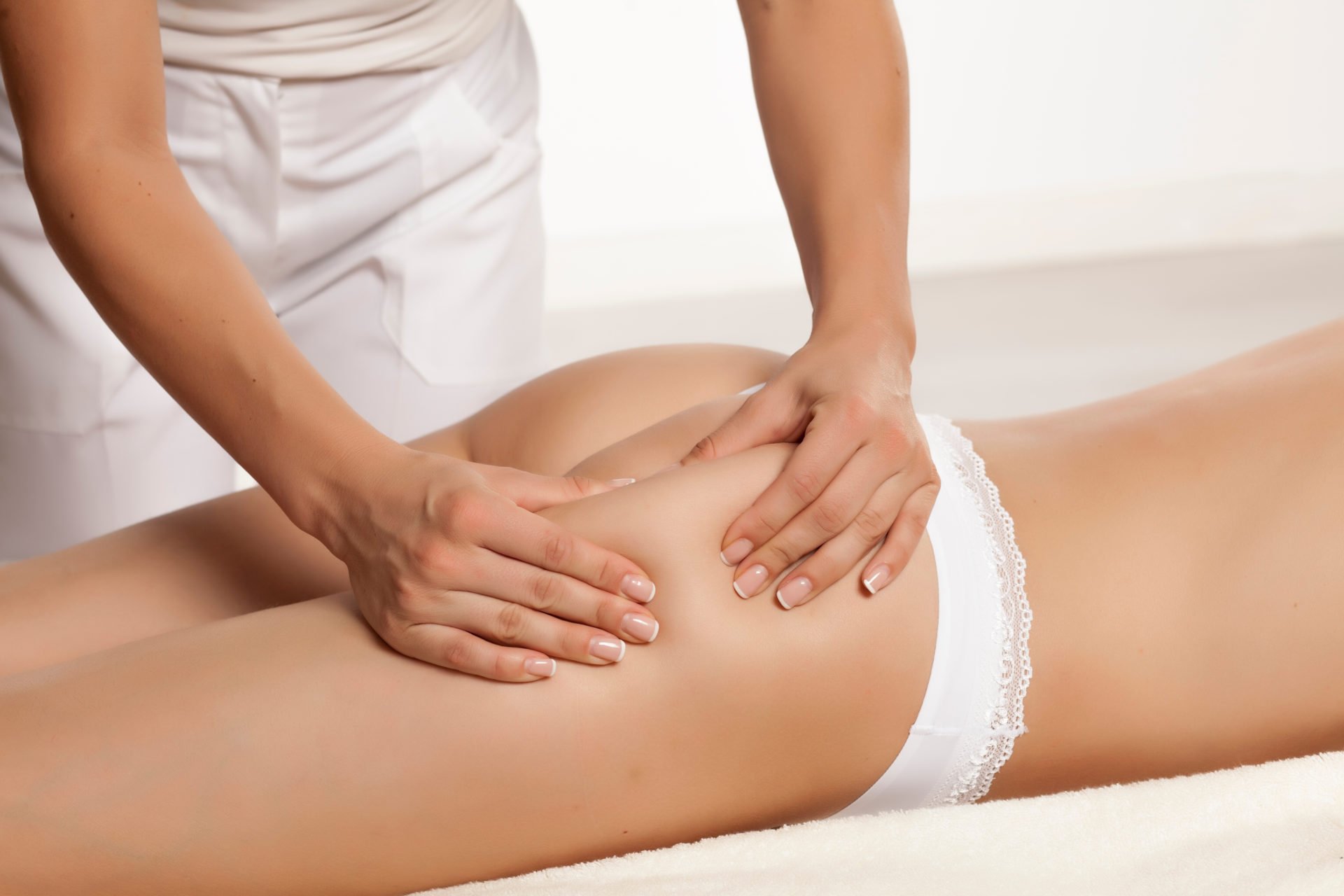
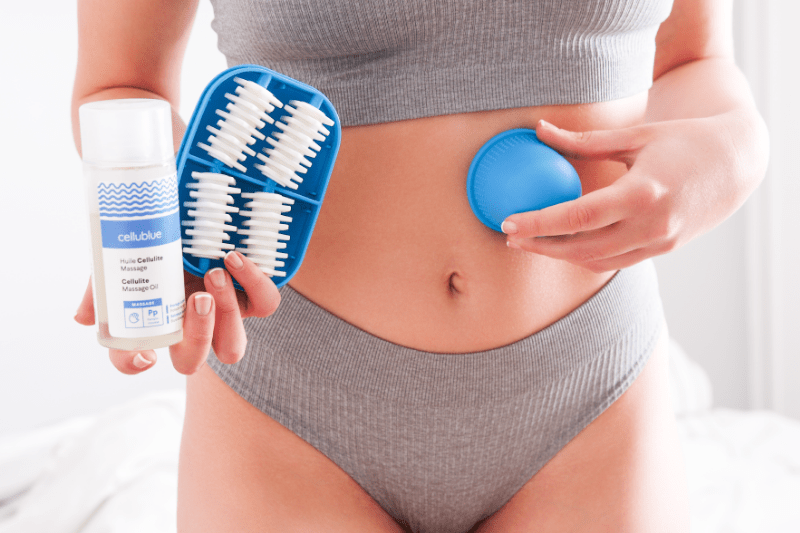
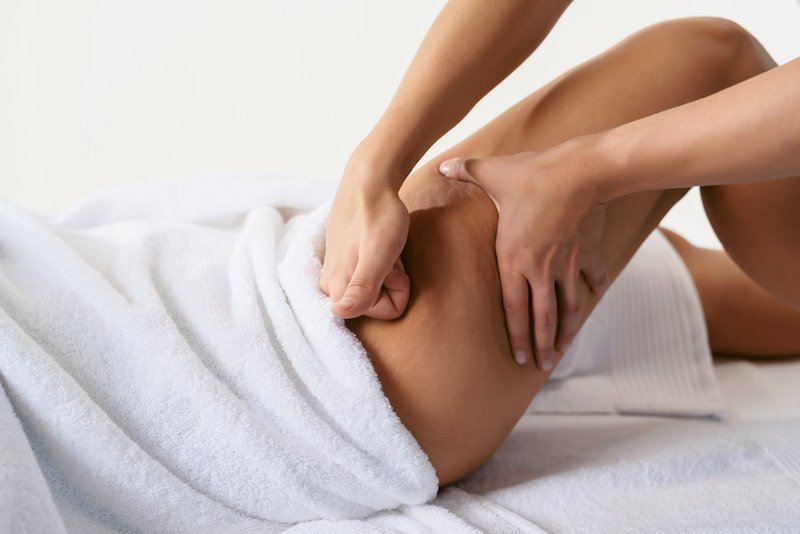
- The palpate-roll massage : performed manually or using a cup and an oil, it works on the lower layers of the skin and helps encourage the emptying of adipocytes while relieving the tissues of possibly “stagnant” water. It is recommended for all types of cellulite.
6- Aesthetic medicine and medical treatments
Many techniques have emerged to tackle cellulite, a modern-day concern and one of women’s main aesthetic insecurities. Although natural, orange peel skin is often considered unattractive. As a result, a range of medical treatments is now available.
- Shock waves : this non-invasive treatment aims to restart microcirculation, reduce fibrosis, stimulate lipolysis and encourage collagen production.
- Laser lipolysis : this involves triggering lipolysis through heat.
- Electrostimulation : the electrical stimulation of muscles promotes muscular compression of the venous-lymphatic network and helps restart microcirculation.
- Cryolipolysis : this treatment consists of applying cold to an area of the body in order to trigger adipocyte apoptosis (that is, the “death” of certain fat cells).
- Injections : these are known as mesotherapy, lipotomy or morpholiposculpture, and involve micro-injecting substances into adipocytes in order to make them disappear.
- Ultrasound : just like laser, ultrasound is a technique designed to heat adipocytes and activate their emptying.
- Cosmetic surgery : liposuction and lipomodeling are surgical procedures that involve suctioning excess fat from adipose tissue. They require anesthesia.
Medical procedures aimed at eliminating cellulite are more or less effective. In the long term, however, cellulite unfortunately tends to return, as it is a natural phenomenon inherent to the female body.
Anti-cellulite solutions
In addition to the recommendations mentioned above, skincare and cosmetics can also help improve the quality of the dermis and reduce the appearance of “orange peel skin.”
- Essential oils of cedar, cypress, oregano, rosemary, geranium, juniper or lemon, thanks to their vein-toning, detoxifying or diuretic properties, can be used for cellulite. They can be used in many ways: orally, by diffusion or topically. However, their use requires professional advice.
- Natural plant oils make anti-cellulite massage easier. They also have firming, toning and nourishing properties that can improve the appearance of the skin. At Cellublue, we developed an anti-cellulite oil made with plant oils and featuring a rich texture, specially adapted for palpate-roll massage.

- Massages with a cup and massager help amplify the effects of oils. Indeed, they allow better emptying of adipocytes (the suction effect of the cup, which mimics manual palpate-roll massage) and promote the drainage of water and waste through natural elimination pathways (the smoothing effect of the nodules on the orange peel skin massager).

- Targeted skincare, which uses certain “fat-burning” molecules, can help improve skin quality and reduce cellulite, provided it is applied regularly. This is the case, for example, with our Cold Cellulite Cream, whose active ingredients help strengthen skin elasticity (pink pepper) and encourage lipolysis (Arctic algae, menthol).

- A course of natural food supplements can help enhance the effects of topical skincare. This way, cellulite is targeted from the inside and the outside. Our Cellulite Capsules, paired with the Cellulite Drain, help improve the drainage of toxins and excess water responsible for the orange peel effect.