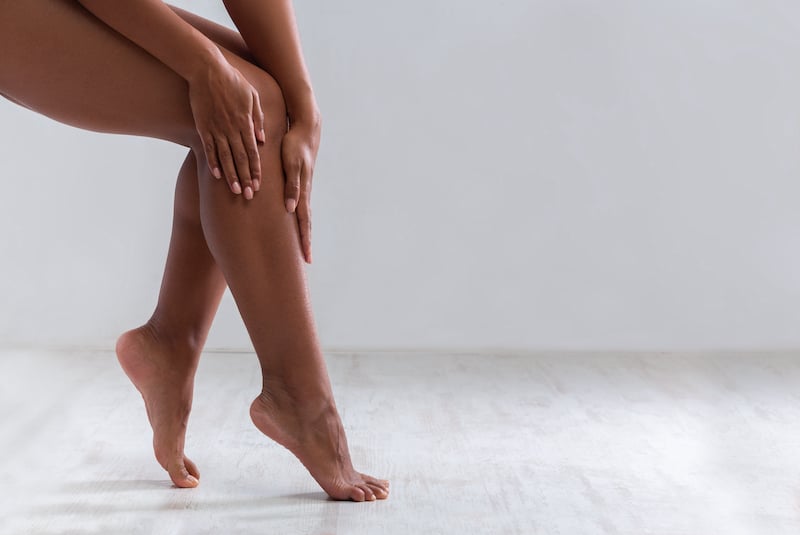
Can massages relieve heavy legs?

par
massage-jambes-lourdes

45% of French people, men and women alike, experience symptoms of venous insufficiency, including heavy legs(1). This sensation, deeply uncomfortable, can even become painful and debilitating. Are massages the answer to heavy legs? And if so, how should you go about it?

What are the benefits of massage for heavy legs?

Heavy legs are primarily caused by circulatory issues, whether venous, lymphatic, or a combination of both. It comes as no surprise, then, that massage can help relieve them. Certain movements such as effleurage, smoothing, pumping and kneading are highly beneficial for veno-lymphatic circulation. The benefits are truly noticeable:

  • pain and feelings of heaviness ease;
  • tingling and pins and needles disappear;
  • oedema (swelling, especially around the ankles, as gravity takes its toll) subsides;
  • water-retention cellulite, linked to water retention, diminishes;
  • the risk of developing varicose veins is reduced;
  • circulation is simply revived.

That said, these benefits are temporary: the heavy-leg sensation will return once you stop massaging, as it stems from an anatomical dysfunction. Massages therefore need to be performed daily, or as close to it as possible!

Which massage is best for improving circulation in heavy legs?

The goal of a heavy-leg massage is to stimulate the flow of fluids throughout the body, to relax the muscles and to decongest the tissues.

1- Lymphatic drainage for heavy legs

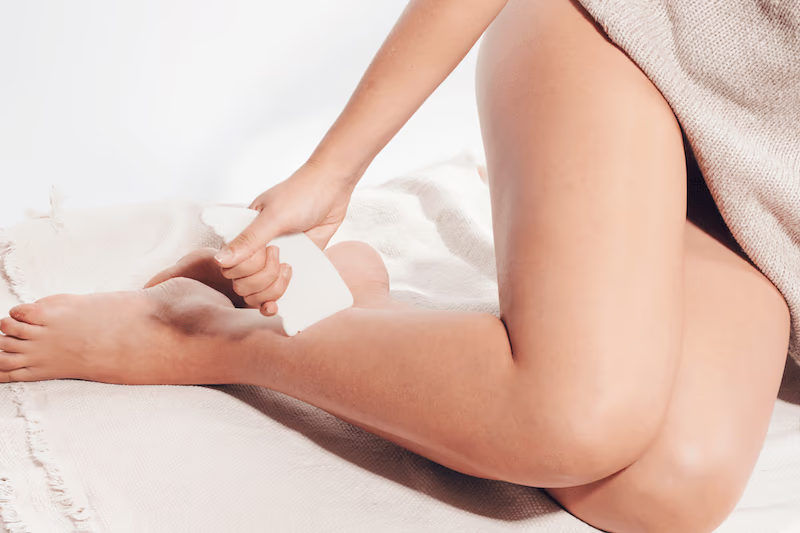
gua-sha-jambes-lourdes

Lymphatic drainage remains the most effective massage. It involves performing pumping movements over the lymph nodes to “call” the lymph, then draining it towards them using smoothing techniques, all in a specific direction. For heavy legs in particular, lymphatic drainage should be performed from the feet up to the hips, with stimulation of the popliteal nodes (behind the knees) and iliac nodes (at the groin). The massage can be performed manually or via pressotherapy. However, it is a complex technique that requires a certain level of expertise, making it difficult to do on your own at home. That said, certain massage accessories can help — notably dry brushing or Gua Sha massage.

2- Hand massage
massage-jambes-lourdes-automassage

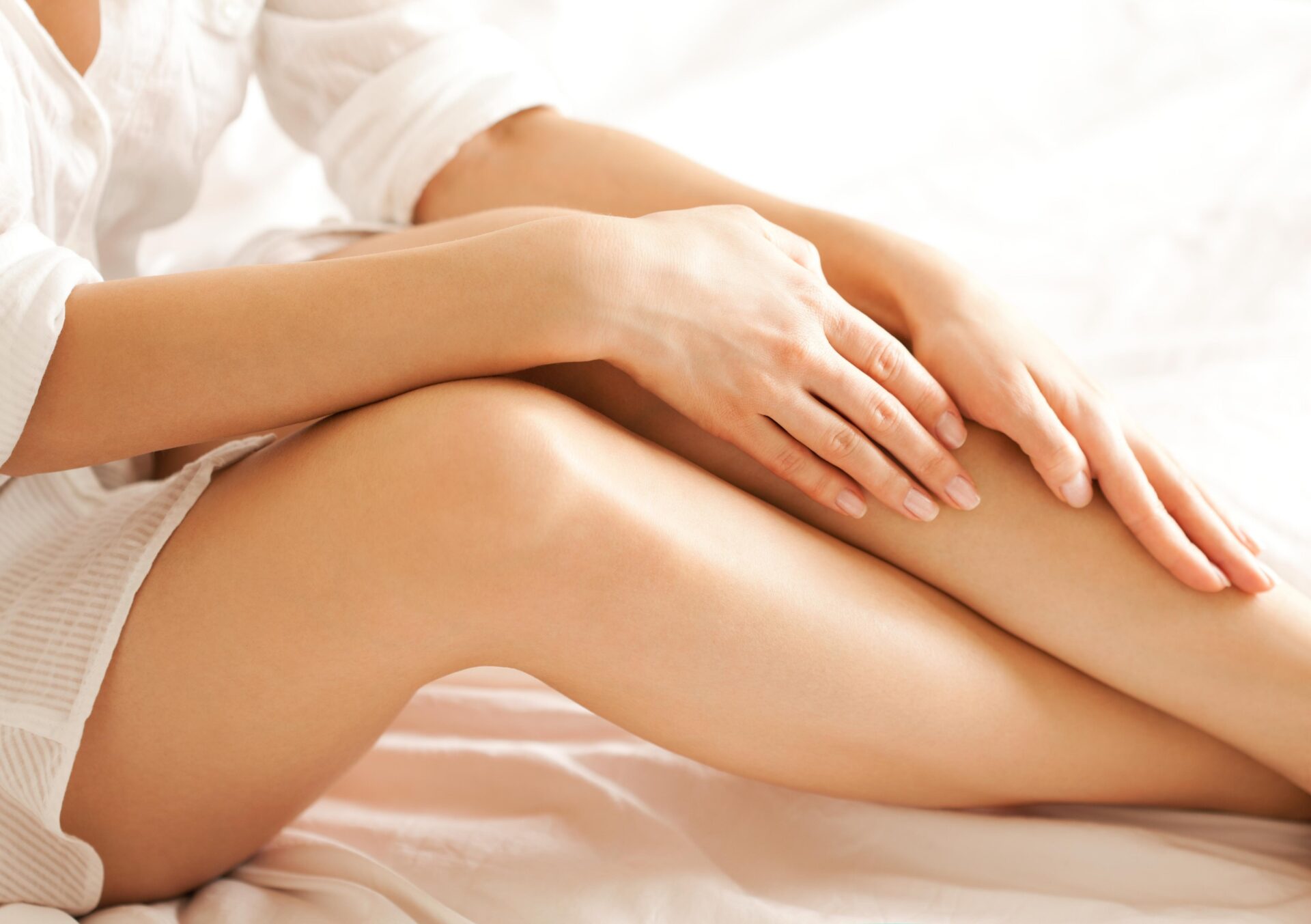
If you suffer from heavy legs, you can also opt for a manual self-massage. Of course, you will need to learn the right movements to ease the heaviness. But once mastered, they are highly effective. A simple routine involves:

  • starting with the feet, by rolling a tennis ball under each foot, making sure to stimulate every area (arch, sole and heel);
  • moving on to the ankles, using small circular movements all around each ankle, followed by gentle fingertip pressure on the inner side of each ankle;
  • then massaging the legs, starting with a few pumping movements behind each knee, then gently kneading the calves, and finally smoothing each leg with the flat of the hand, working from bottom to top;
  • and finishing with a massage of the thighs, using the same movements as for the legs — with a pumping motion at the groin.

3- Cupping massage

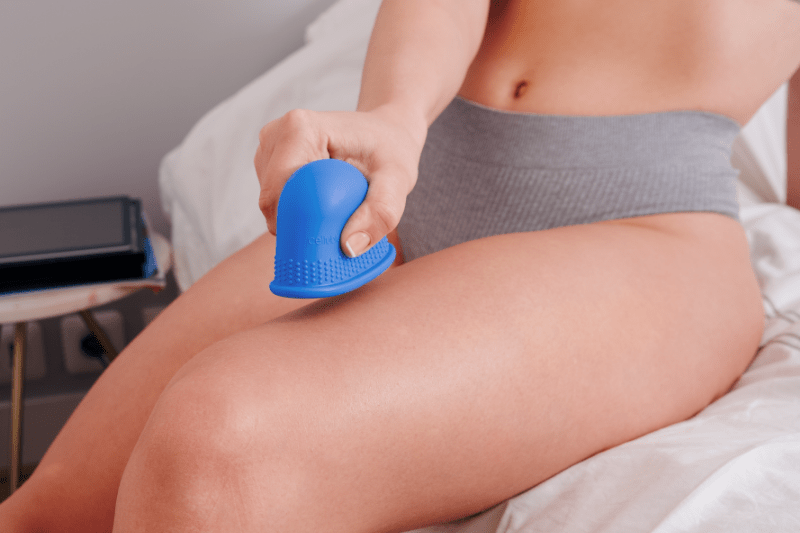
If manual massage feels too time-consuming, you can always use a cupping cup (like ours!). The suction and gliding motion, characteristic of pinch-and-roll, also helps to boost circulation and facilitate drainage. To use it, simply coat your legs with oil beforehand (for example with our Anti-Cellulite Massage Oil), then massage your legs and thighs. Just three minutes per area is enough to feel noticeably lighter!

What other techniques can help relieve heavy legs?

Other measures, complementary to massage, can be put in place to relieve heavy legs.

On the prevention side:

  • opt for loose-fitting clothing, especially trousers, and put away any tight boots that compress the legs;
  • avoid staying in a static position for too long, whether sitting or standing. The same goes for crossing your legs, which puts pressure on the veins;
  • avoid overheating your home and, by extension, steer clear of overly hot baths and showers;
  • say goodbye to smoking;
  • avoid eating too much salt, as salt has a negative effect on circulation;
  • walk, to get the venous pump going;
  • also consider water-based sports, such as swimming or aqua aerobics, which are highly beneficial for heavy legs and associated symptoms.

If, despite these tips, your legs still feel heavy or even swollen:

  • try a cold water jet, which has the advantage of boosting circulation;
  • elevate your legs, for example by placing wedges under the foot of your bed (at the bottom, of course!);
  • consider wearing compression stockings, which effectively “massage” the legs.

References

(1) 2020, Ifop, The French and their legs – Venous insufficiency, beyond aesthetics

VOUS AIMEREZ AUSSI...