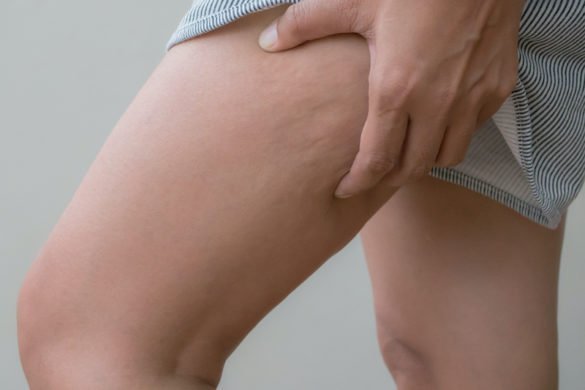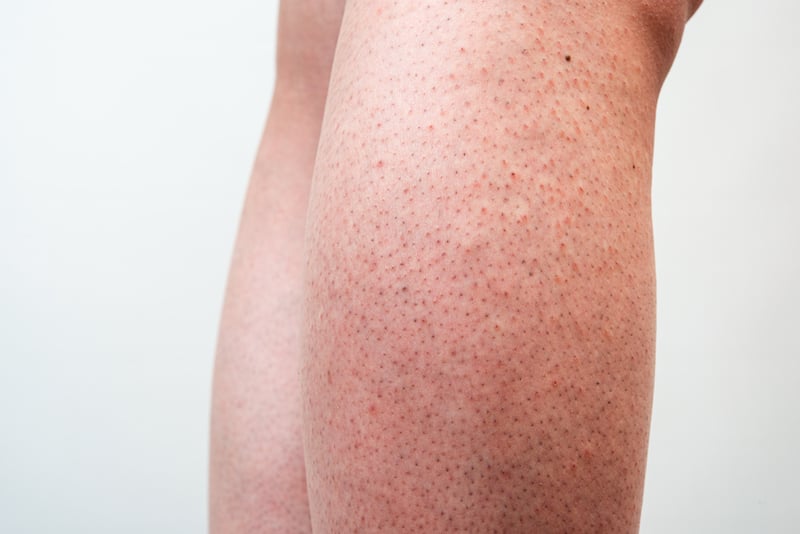
You know that thing called strawberry skin? It’s that dotted appearance that can show up on certain areas of the body, usually the thighs, buttocks or arms. If this sounds familiar, you’re far from alone: it’s actually a very common concern. In this article, we explain what strawberry skin is, what can cause it, and which simple everyday habits you can build into your routine.
What is strawberry skin?
Strawberry skin is a term used to describe skin with blackheads or enlarged pores that may contain ingrown hairs and impurities. It can occur after hair removal or shaving, when the sebaceous glands produce excess sebum, causing pores to open up. The result resembles the surface of a strawberry — hence the name.
What causes the strawberry skin effect on legs?
The causes can vary, but here are some of the most common:
- Poor shaving or hair removal technique: using a razor with worn or unclean blades can irritate the skin and cause redness and bumps. Pulling hairs during waxing or epilation can also lead to irritation and redness. These reactions can create the appearance of strawberry skin by triggering inflammation around the hair follicles.
- Clogged pores: when pores become blocked by impurities, excess sebum, dead skin cells or bacteria, this can lead to skin inflammation and irritation.
- Folliculitis: hair follicles, the tiny pockets from which hairs grow, can become inflamed or infected, causing itching and redness. Folliculitis can produce red or white bumps and small raised spots on the skin, resembling the seeds on a strawberry.
- Dry skin: dry skin is more prone to irritation during shaving or hair removal, as it lacks the natural protective barrier that skin oils provide.
Strawberry skin after hair removal: a few precautions
As shaving, waxing and epilating are among the most common triggers, it’s worth taking a little extra care each time. Use clean, suitable tools in good condition and be gentle with your skin.
If the irritation doesn’t go away or becomes painful, ask your GP or a pharmacist for advice.
How to get rid of the strawberry skin effect?
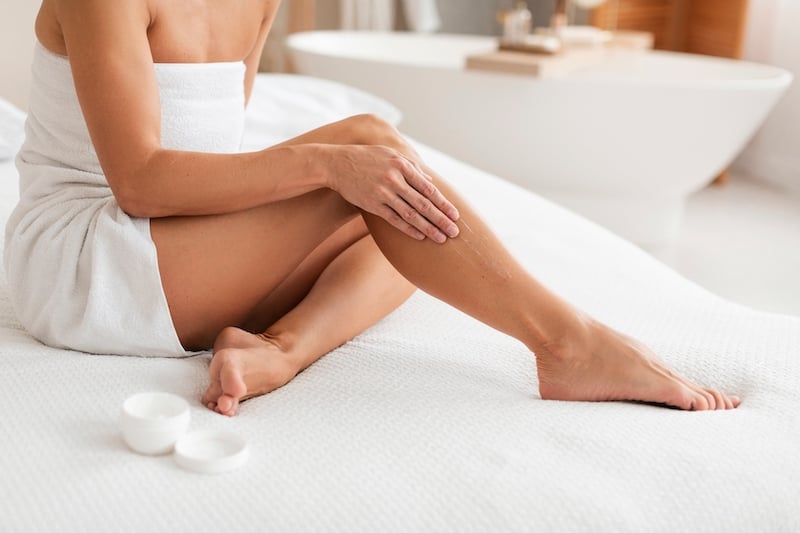
Fortunately, there are simple habits you can build into your skincare routine to care for your legs.
1- Exfoliation
Start by incorporating regular, gentle scrubs into your routine to buff away dead skin cells. You can use gentle exfoliants such as sugar, salt or coffee mixed with a vegetable oil. Or opt for the Cellublue Scrub, whose formula contains olive and apricot kernel particles for a gentle exfoliating step.
The scrub that leaves skin smooth and skin texture refined*
*User test on 21 volunteers over 4 weeks, based on participants' feedback.
- Olive & apricot kernels: these natural grains gently sweep away dead skin cells
- Caffeine & monoi scent, so your shower instantly smells like a holiday
- In the shower, two to three times a week, massaging your thighs, bottom and stomach
2- Dry brushing
Dry brushing is a mechanical exfoliation technique that simply involves gently brushing your skin while it’s dry. With our Massage Brush, you can add this step to your exfoliation routine.

3- Moisturising
It’s also important to properly moisturise your skin to help keep it soft and supple. Look for a moisturising cream rich in naturally derived ingredients.

The cream that helps prevent the appearance of stretch marks* and improve how they look
*Consumer test on 22 volunteers over 3 weeks, based on participants' feedback.
- Helps prevent the appearance of stretch marks on the stomach, hips, thighs and bust. Apply morning and night
- Three plant oils: macadamia softens, sunflower soothes and coconut holds in hydration
- Velvety texture: it absorbs easily and calms feelings of tightness
And don’t forget to drink enough water throughout the day.
4- Massage
You can also massage your skin with an oil, for a pleasant moment of self-care. For example, try blending coconut oil with peppermint essential oil and gently massaging it into your skin.
5- Diet
Finally, a varied, balanced diet – one that makes room for berries, nuts and oily fish, for example – is simply part of good everyday habits.
Strawberry skin on the buttocks and arms: the same habits apply
Strawberry skin can also appear on the buttocks and arms. The same habits apply: gentle exfoliation, regular moisturising and careful hair removal.
Choose a gentle routine suited to your skin.
Frequently asked questions
How do you get rid of strawberry skin on your legs?
There’s no single fix, but a few habits can be part of your routine: gentle, regular exfoliation, good moisturising, and careful shaving or waxing. Every skin is different.
What is strawberry skin?
It’s a term used to describe skin with small dark dots or enlarged pores, which may contain ingrown hairs and impurities. The look resembles the surface of a strawberry, hence the name. It’s common on the thighs, buttocks and arms.
What’s the best treatment for strawberry skin?
There isn’t one single treatment: it’s more about having a gentle routine, which can include exfoliating, moisturising and dry brushing. If you’re unsure or the problem persists, see your GP or a pharmacist.
How can I avoid strawberry skin after shaving or waxing?
Use a clean razor in good condition, avoid pulling on the hairs and opt for a gentle routine suited to your skin.
Is strawberry skin common?
Yes, it’s a very common concern. If you’ve noticed it on your own skin, you’re far from alone.