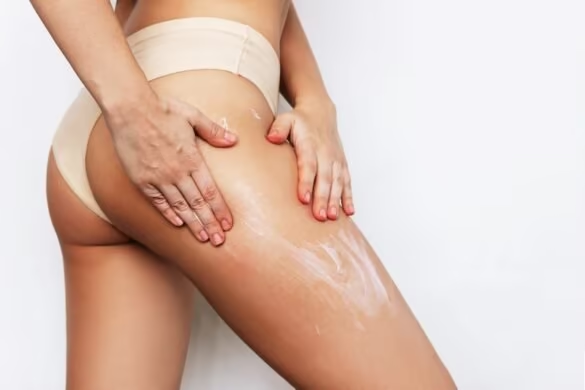

Diet plays an important role in the appearance and progression of cellulite.
While it is not the only factor, eating habits are among the factors often mentioned when it comes to the orange-peel effect.
A balanced, nutrient-rich diet is part of good everyday habits.
So, what should you eat when you have cellulite? Rather than a strict diet, it’s mainly about good everyday habits. Here are the foods to favour, the nutrients to know about and the foods to limit, plus a sample day of eating to put it all into practice.
Foods to favour every day
Some foods come up time and again when it comes to cellulite, for their water, fibre or vitamin content. Including them regularly in your meals is part of a balanced routine.
Fibre-rich foods
Fibre fits into different meals, as it is found in many everyday foods.
It is present in many everyday foods.
You can find fibre in:
- green vegetables
- fruits
- whole grains
- legumes
- seeds
👉 Discover our selection of fibre-rich foods.
Fruits
Fruits are rich in water, vitamins and antioxidants. They bring colour and variety to your meals, and choosing seasonal fruit makes them easy to enjoy all year round.
Fruits have their place in a balanced diet:
- berries
- grapefruit
- pineapple
- apple
- kiwi
They also contain water and potassium.
👉 Discover our selection of fruits to enjoy.
Vegetables
Vegetables are a cornerstone of a balanced diet. They provide fibre, minerals and antioxidants while remaining low in calories.
Some vegetables are also naturally rich in water.
Among the most common:
- cucumber
- asparagus
- broccoli
- spinach
- fennel
👉 Discover the vegetables to put on your plate.
Protein-rich foods
Protein is one of the building blocks of the body’s tissues and contributes to maintaining muscle mass.
It fits into a balanced diet, alongside regular physical activity.
Good sources include:
- eggs
- fish
- lean meats
- tofu and plant-based proteins
- legumes
👉 Discover the best sources of plant-based protein.
Drinks
Hydration is often overlooked. Drinking enough water throughout the day is a good everyday habit.
Certain drinks can also add to your daily hydration, alongside plain water.
The most popular options are:
- lemon water
- green tea
- herbal teas
- smoothies packed with fruit and vegetables
👉 Discover our selection of drinks.
Superfoods
Some foods are particularly rich in nutrients.
For example:
- turmeric
- ginger
- chia seeds
- flaxseeds
- antioxidant-rich berries
These foods can easily be incorporated into everyday recipes.
👉 Discover our pick of superfoods.
Water-rich foods
Some foods are naturally rich in water and easy to slip into your meals.
They can be eaten raw, cooked or juiced, as you like.
Among the most common:
- cucumber
- asparagus
- celery
- pineapple
- watermelon
Cucumber, celery and watermelon work well in salads, while pineapple is ideal in desserts and smoothies.
Nutrients to know about
Beyond individual foods, here are a few nutrients that are often mentioned, and where to find them.
Fibre
It is found in green vegetables, fruits, whole grains, legumes and seeds.
Potassium
A mineral found in many fruits and vegetables.
Antioxidants
They are found in particular in colourful fruits and vegetables, such as berries.
Vitamin C
It is found in citrus fruit, kiwi and berries.
Foods to limit
Sugar
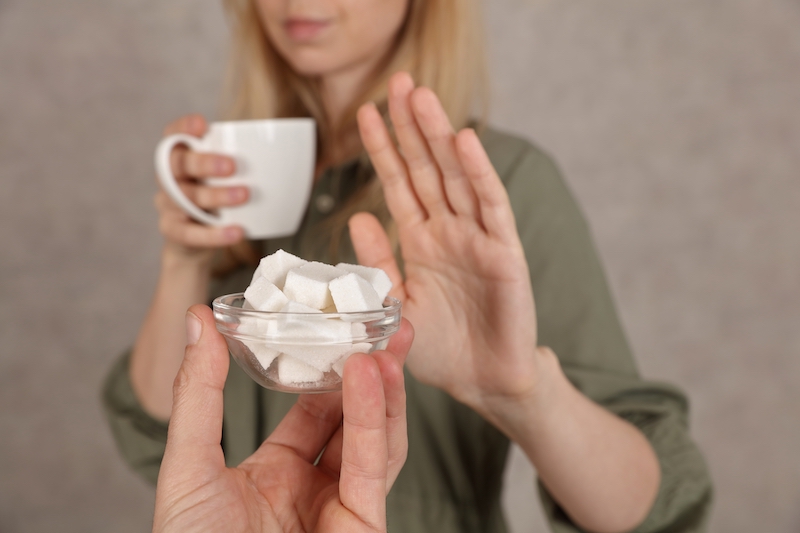
Excessive sugar consumption promotes fat storage and can lead to increased inflammation in the tissues.
The most problematic products include:
- fizzy drinks
- industrial pastries
- confectionery
- heavily sweetened cereals
👉 Find out why sugar can promote cellulite.
Salt
Salt promotes water retention, a phenomenon directly linked to the appearance of certain forms of cellulite, particularly water-based cellulite.
The foods highest in salt are often processed products such as:
- ready meals
- cured meats
- salty snacks
Ultra-processed foods
Ultra-processed products are often high in sugars, saturated fats, and additives. Excessive consumption can promote inflammation and disrupt metabolism.
Cutting back on these foods often leads to an overall improvement in diet quality.
Balance rather than restriction
Eating well when you have cellulite isn’t about cutting out entire food groups or going without. It’s more about rebalancing your plate day to day: more fruit, vegetables and fibre, enough protein and plenty of water.
At the same time, you cut back on sugar, salt and ultra-processed foods, without necessarily banning them altogether. It’s these habits, repeated over time, that count, far more than any single food eaten on its own. Here’s a sample day of eating to help you put this into practice.
A sample day of eating
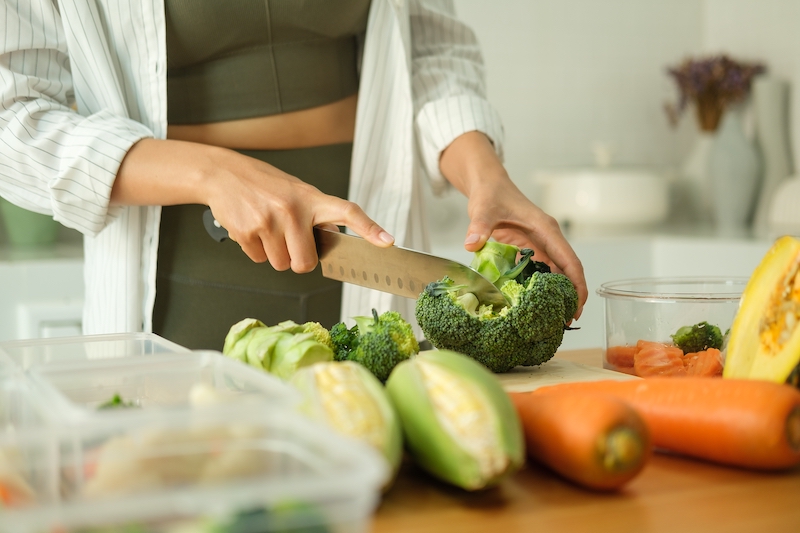
Here is a simple example of a daily meal plan that supports nutritional balance.
Breakfast
- plain yoghurt or quark
- porridge oats
- berries
- green tea
Lunch
- mixed vegetable salad
- fish or plant-based protein
- quinoa or brown rice
Snack
- fresh seasonal fruit
- a handful of almonds or walnuts
Dinner
- cooked vegetables
- a source of protein
- vegetable soup or a light salad
👉 Discover a 7-day meal plan.
What diet alone cannot do
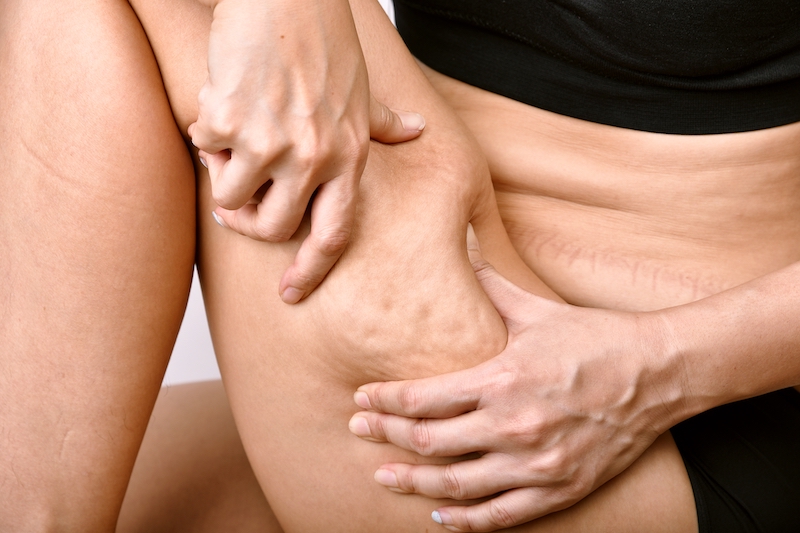
Diet is only one part of the picture when it comes to cellulite.
The orange-peel effect is linked to several factors:
- water retention
- tissue structure
- fat storage
That is why the best approaches often combine several elements:
- a balanced diet
- regular physical activity
- mechanical stimulation of the tissues through massage
Massage, for example, has its place in this routine when practised regularly.
In summary
Adopting a diet rich in fibre, fruits and vegetables, key nutrients, and minimally processed foods can help you build good everyday habits and limit the less balanced choices that tend to creep into the week.
While it is no substitute for a holistic approach, diet remains an important foundation of a balanced everyday routine.
By combining a balanced diet, regular physical activity and mechanical stimulation of the tissues through massage, you can build a well-rounded routine to follow progressively over time.
Useful categories: Anti-Cellulite Diet, Anti-Cellulite Solutions.
To go further, explore the Cellublue shop: our body care products and our anti-cellulite products.
 -10%
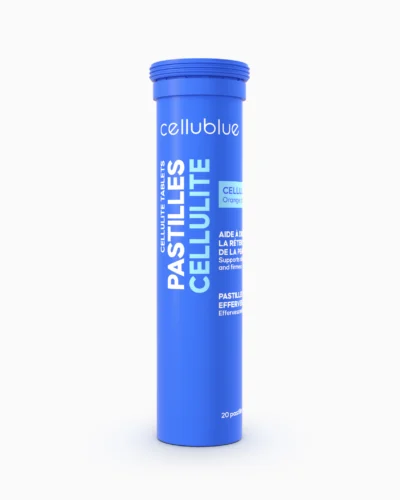
-10%Vitamins and plants, all in a glass of water
- Vitamin A contributes to the maintenance of normal skin, and vitamin E helps protect your cells from oxidative stress
- Nettle and artichoke complete the formula
- Vitamin C helps reduce tiredness, and selenium contributes to the maintenance of normal hair and nails

The scrub that leaves skin smooth and skin texture refined*
*User test on 21 volunteers over 4 weeks, based on participants' feedback.
- Olive & apricot kernels: these natural grains gently sweep away dead skin cells
- Caffeine & monoi scent, so your shower instantly smells like a holiday
- In the shower, two to three times a week, massaging your thighs, bottom and stomach