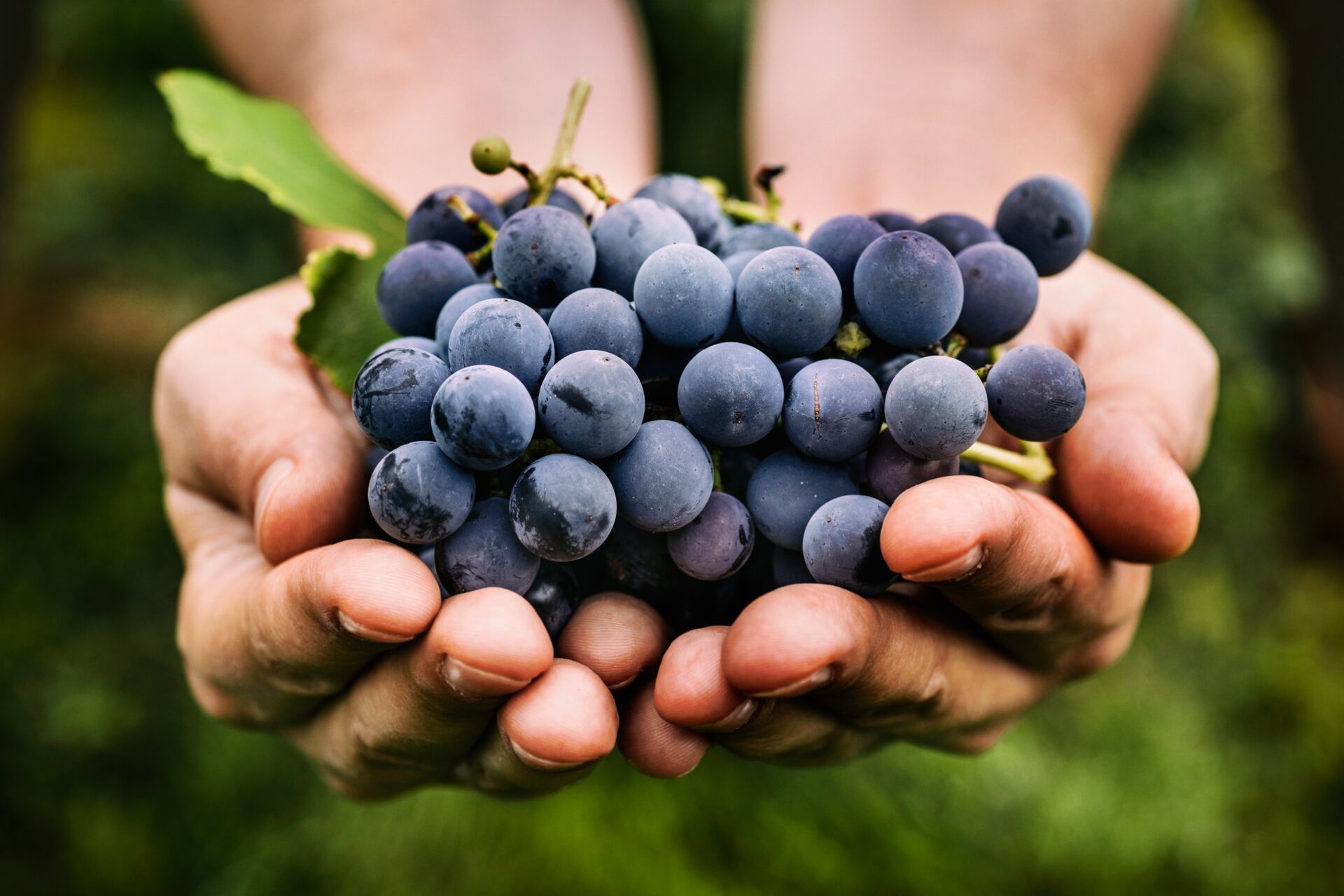
It is now well established that certain plants and natural ingredients can have beneficial effects on cellulite. But what about grape pomace? This by-product of grapes, produced in large quantities by the wine industry, is no longer simply discarded — it is now recovered by various sectors and valued for its many qualities. The pharmaceutical and cosmetics industries are among those leading the way. A closer look at this treasure from the vines…
Sommaire
What is grape pomace?
It refers to the dry residue left after pressing, crushing (press pomace) and, where applicable, maceration (vat pomace) of grapes during winemaking. Grape pomace is therefore essentially composed of the skins, seeds and stems of the berries. It accounts for 20% of wine production. Far from being waste, however, it is either recycled, or used by various industries. It is used as a flavouring in the food industry, as animal feed, or as an ingredient in natural fertilisers. But new applications for grape pomace are now being explored, as it contains numerous active compounds — the same ones found in grapes. As a result, it is increasingly used in phytotherapy (dietary supplements) and in cosmetics.
What are the benefits of grape pomace?

It is the active compounds in grape pomace that give it its benefits. It contains numerous substances that act on the body: anthocyanins (the pigments that give red grapes their colour), flavonoids, fibre, phenolic acids, resveratrol…
1- Benefit no1 of grape pomace: an ally against oxidative stress
To understand the antioxidant effects of grape pomace, it helps to first recall what oxidative stress is. Oxidation reactions are essential to the life of every living organism. The issue is not oxidation itself, but its excess, which places the body under stress. This stress directly attacks cells, particularly those of the skin, as well as other organs. It is now proven that oxidative stress is linked to DNA mutations, cancer, premature skin ageing, lung disease, cardiovascular conditions, and cognitive disorders(1)…
Studies now show that the exceptional concentration of antioxidant compounds in grape pomace allows it to neutralise some of the free radicals in the body and, in doing so, counteract oxidative stress. With notable effects on the body, including(2):
- anti-wrinkle and anti-ageing action;
- protection of veins and arteries;
- reduced risk of chronic conditions such as diabetes, high cholesterol, and cardiovascular disease…;
- lower risk of osteoporosis;
- reduced inflammation.
2- Benefit no2: a potential slimming and anti-cellulite ingredient
Even better: grape pomace may have slimming properties and help limit the appearance of cellulite. This is attributed to its potential effects on adipose tissue, cholesterol levels, and venous tone.
- grape pomace, by improving glucose tolerance and reducing oxidation, may decrease inflammation in adipocytes (the subcutaneous fat cells)(3);
- when ingested, it may inhibit the absorption of dietary fats and thus limit their storage in the body (a combined effect of its polyphenols and dietary fibre), making it a potentially effective slimming ingredient(4);
- rich in resveratrol, an antioxidant compound that has been generating considerable interest in recent years, grape pomace may have a beneficial effect on arteries, veins and lymphatic vessels, protecting their walls and supporting healthy fluid circulation(5). It may therefore help prevent the sensation of heavy legs, the phenomenon of water retention and the build-up of toxins in the tissues, a direct consequence of poor circulation.
Through its beneficial effects on the veno-lymphatic system and its ability to inhibit adipocyte inflammation and fat absorption, grape pomace acts on the various components of cellulite. It could therefore be a key ingredient in anti-cellulite products.
How to use grape pomace to fight cellulite?

There are mainly two ways to use grape pomace.
1- As a dietary supplement
There are now phytotherapy products — tablets, capsules, ampoules — based on grape pomace. These dietary supplements are either 100% grape pomace or formulated with a blend of different plants. One advantage of grape pomace is that it pairs well with various anti-cellulite ingredients, including:
- green tea for its detoxifying properties;
- pineapple for its lipolytic action;
- pilosella, orthosiphon, dandelion or meadowsweet for their draining properties;
- red vine, blackcurrant, butcher’s broom, horse chestnut or cherry stem for their venotonic properties.
2- As cosmetic treatments
In recent years, cosmetics manufacturers have incorporated grape pomace into their anti-ageing, slimming and anti-cellulite product ranges. It is now common to find creams, gels and other skincare products specifically designed to target cellulite.
3- Alongside grape pomace…
Bear in mind, however, that applying an anti-cellulite cream alone or following courses of dietary supplements will not be enough to get rid of your orange-peel skin. To truly tackle cellulite, you need to take action on all fronts:
- Adopt a healthy, balanced diet, based on whole, home-cooked ingredients, and limit excess salt, sugar and saturated fats;
- Stay physically active every day (walking, leisure activities, housework, gardening) and engage in more intense exercise 2–3 times a week (swimming, running, cycling);
- Deeply stimulate the dermis by regularly practising (ideally every day) anti-cellulite massages. The pinch-and-roll massage technique helps activate adipocyte drainage and tissue detoxification (eliminating excess toxins and water), effectively breaking down cellulite for good.
Did you know? 💡
Anti-cellulite massages are among the most recognised techniques for effectively targeting stubborn dimples. But the right technique matters! To reduce cellulite effectively and achieve lasting visible results, it is important to follow our 3-Step Anti-Cellulite Method.

(1) 2003, Favier, Le stress oxydant
(2) 2016, Charalampia, Koutelidakis, Grapepomace: A Challenging Renewable Resource of Bioactive Phenolic Compounds with Diversified Health Benefits
(3) 2012, Chuang et al., Differential Effects of Grape Powder and Its Extract on Glucose Tolerance and Chronic Inflammation in High-Fat-Fed Obese Mice
(4) 1997, Martin-Carron et al., Nutritional and Physiological Properties of Grape Pomace as a Potential Food Ingredient
(5) 2008, Yang et al., Resveratrol attenuates thromboxane A2 receptor agonist-induced platelet activation by reducing phospholipase C activity