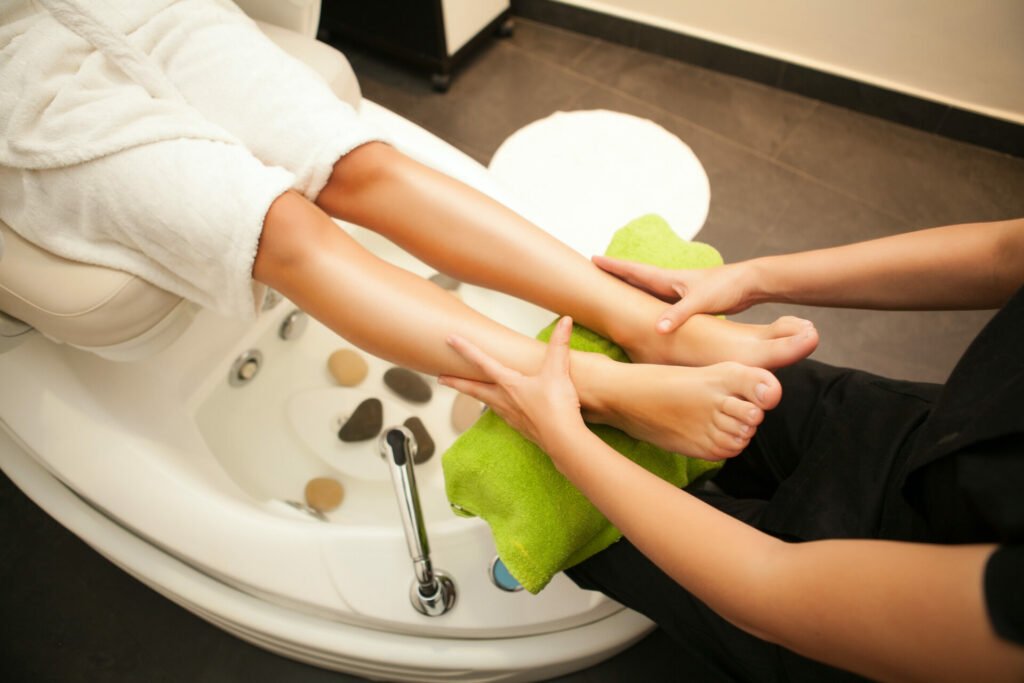
You’ve made up your mind — it’s time to take action! You’re tired of your cellulite and you’ve heard about anti-cellulite treatments. The idea appeals to you, but what exactly does it involve? Thalassotherapy, thermal water, plants or food supplements — you’re not sure where to start. Here’s a handy guide to help you find the anti-cellulite treatment that’s right for you!
Thalassotherapy treatments
1- What is thalassotherapy?
Thalassotherapy is an approach that uses the marine environment (seawater, seaweed, mud, sea air) as part of a range of treatments. It was originally geared mainly towards medical care, for certain conditions such as rheumatic or dermatological ones. Over recent decades, however, thalassotherapy has evolved, and centres now also offer spa and wellness activities with a far less medical focus. Today, thalassotherapy treatments cater to a wide audience and include slimming, detox and anti-cellulite programmes. These are not seaside holidays: they usually involve several treatments per day over around a week. Of course, a weekend visit is possible, to unwind and discover the treatments.
2- What does a thalassotherapy anti-cellulite programme include?
An anti-cellulite thalassotherapy programme combines several water- and massage-based treatments. It won’t make cellulite disappear, but it gives you a pampering, relaxing break, along with tips you can carry into your everyday routine. You’ll often find:
- Hydromassages: water massages using jets or air bubbles, for a relaxing moment.
- Aqua aerobics sessions: exercising in water is gentle on the joints, and sessions are led by a coach.
- Lipomassage: an endermology technique using a machine to perform mechanical massage on the areas you’d like to focus on.
- Lymphatic drainage: a very gentle manual massage technique, popular with people who experience a feeling of heavy legs or have so-called aqueous cellulite.
- Body scrubs: they remove dead skin cells and prepare the skin for the treatments that follow.
- Balanced meals: at thalassotherapy centres, menus are often put together with a dietitian, who can give you pointers suited to your lifestyle and the type of cellulite you notice.
- Body wraps: body masks made with marine ingredients to help you relax.
Anti-cellulite programmes also make use of:
- Seawater, rich in mineral salts, in baths and jets.
- Seaweed, in wraps or baths.
- Salt, used in baths or scrubs.
- Marine mud, applied as a warm wrap, for a relaxing moment.
Before booking, ask the centre for full details of the programme, and speak to your GP if you have any circulatory, heart or skin problems.
Food supplement treatments

1- What are food supplements?
Food supplements are designed to complement nutritional intake from a normal diet. They come in various forms: tablets, capsules, ampoules, powders to dilute, drinkable solutions, gummies… They may contain nutrients, vitamins, minerals or plant extracts, and their composition is governed by European regulations.
2- How to choose the right one?
To choose a food supplement wisely, start by talking to your GP or pharmacist, who can advise you based on your medical history and any medication you take. You can also check where the products come from and what they contain, as both are good indicators of quality.
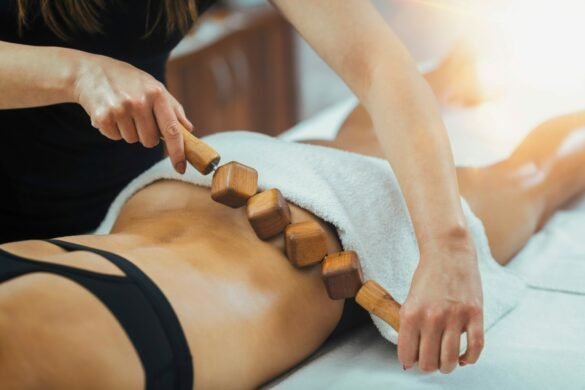
Read the ingredients list carefully: it tells you what the product really contains, and in what amounts. A food supplement is no substitute for a varied, balanced diet or sensible lifestyle habits, and no supplement will make dimples disappear. To look after your skin, focus on everyday habits too: moving every day, staying well hydrated and regularly massaging the areas concerned, whether it’s cellulite on your thighs or on your buttocks.
3- The Cellublue programme
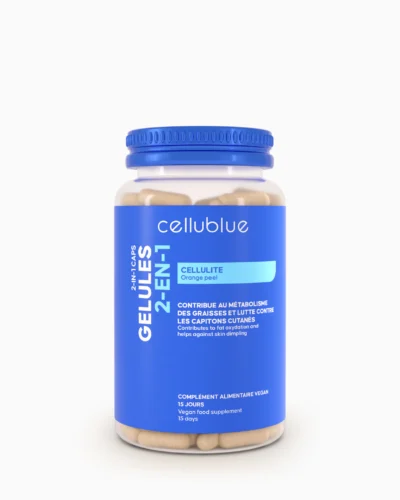
Cellublue offers a food supplement programme that combines capsules with a drink to be diluted, and it should be followed according to the instructions on the product sheet. It is designed to go alongside a balanced diet, regular physical activity and a massage routine.
The Cellulite Capsules are a food supplement made with naturally derived ingredients, to be taken over the course of the day, following the dose stated on the packaging. Ingredients include:
- cherry stem;
- red vine;
- ascophyllum, a brown seaweed;
- artichoke;
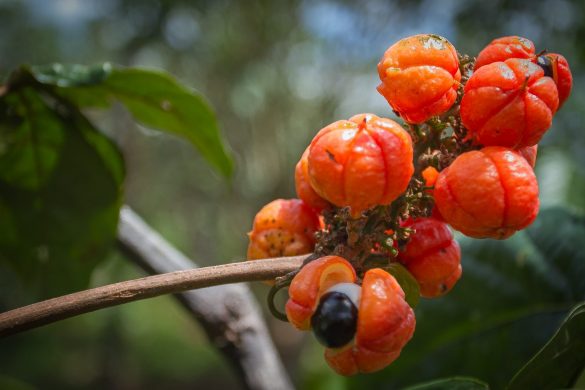
- guarana, which contains caffeine.
A little extra help from within, alongside your massage
- Instructions for use
- Friendly advice
Our product is a drink to be diluted in water that completes the programme. Among other ingredients, it contains:
- ash leaf extract;
- green tea leaf extract;
- papaya extract;
- guarana seed extract;
- a pineapple flavouring.
The full composition and daily dose of each product are listed on the product page and on the packaging. As with any food supplement, they are no substitute for a varied, balanced diet or sensible lifestyle habits: do not exceed the stated daily dose, keep out of reach of young children, and ask your doctor or pharmacist for advice if you are pregnant, breastfeeding or taking any medication. Results from any routine vary from person to person.

Four plant extracts, one dose a day
- Instructions for use
- Friendly advice
Thermal spa treatments
1- What is a thermal spa treatment?
Unlike thalassotherapy, thermal spa treatments rely on fresh water. This water is mineral-rich and comes from a natural spring. Some treatments may also use thermal gases or thermal muds. A course at a thermal spa is usually prescribed by a doctor for a chronic condition. However, you can also stay at a thermal spa resort at your own expense for a so-called ‘non-prescribed’ stay: a short wellness break that doesn’t require a medical prescription.
2- What does an anti-cellulite thermal spa programme involve?
A ‘body contouring’ thermal spa programme combines various hydrotherapy treatments:
- Baths, showers, hydromassages, water jets and pools using thermal water, gases or muds.
- Depending on the resort, thermal water may also be used for inhalation, as a spray or as a drink, on the advice of the medical team.
Each resort has its own waters, and not all of them offer body-focused programmes. Do your research before booking:
- Sulphurous waters are mainly used for skin and respiratory conditions.
- Hot waters, known as hyperthermal waters, are popular for baths and relaxing treatments. If you experience water retention, ask your doctor for advice before choosing a spa stay.
- Resorts specialising in phlebology welcome people with venous insufficiency, varicose veins or heavy legs, on prescription.
- Calcium bicarbonate waters are often used in skincare treatments. If you have fibrous cellulite that is long-standing or tender to the touch, ask a doctor for advice before choosing a resort.
Finally, even without a prescription, a thermal spa stay gives you access to the advice and care of a specialist team: a physiotherapist for massages (pinch-and-roll technique, lymphatic drainage), a nutritionist for meals, a hydrotherapist and a fitness coach. A great opportunity to head home with some new habits.
Aromatherapy treatments

1- What exactly is aromatherapy?
Aromatherapy is the use of aromatic plant compounds, in the form of essential oils. Essential oils are mainly used through massage, diluted in a vegetable oil, or diffusion. Aromatherapy belongs to the field of alternative medicine, but essential oils are highly concentrated: ingestion should remain supervised by a medical professional, such as a doctor or a pharmacist trained in aromatherapy.
2- How to use essential oils in an anti-cellulite routine?
Before you start, ask a doctor or pharmacist for advice: they will check that the oils you’ve chosen are suitable for you and tell you how much to dilute them and how long to use them for, whatever type of cellulite you notice (adipose, aqueous or fibrous). Body massage blends often include:
- citrus oils, such as lemon or grapefruit essential oil, loved for their fresh scent but photosensitising: avoid sun exposure after applying them;
- woody or aromatic oils, such as Atlas cedar, evergreen cypress or rosemary essential oil;
- floral oils, such as rose geranium or Italian helichrysum essential oil.
A few safety rules: always dilute essential oils before applying them to the skin, do a patch test in the crook of your elbow the day before, and avoid them during pregnancy and breastfeeding, on children, and if you have epilepsy or asthma, unless advised otherwise by a doctor.
Phytotherapy treatments
1- What is phytotherapy?
Phytotherapy is based on the use of plants, in herbal teas, capsules or extracts. Interest in it is growing, but “natural” does not mean risk-free: some plants generate side effects or interact with medication. In France, the title of phytotherapist is not protected and does not require a qualification from a state-recognised institution: for reliable advice, turn to your GP or a pharmacist.
2- What does a herbal medicine course involve?
Before recommending any plants, your doctor or pharmacist will look at your:
- Type of cellulite
- Lifestyle
- Eating habits
- Level of stress
Depending on your situation, they may suggest a suitable format: capsules, herbal teas, extracts… No plant makes cellulite or fat disappear, even if some are marketed as ‘fat-burning’ plants. A herbal tea is, however, a pleasant hot drink that can have its place in a wider routine, alongside other natural ways to care for orange-peel skin.
Which anti-cellulite treatment should you choose?
There’s no one-size-fits-all option: it all depends on what you fancy, your budget and your medical situation. Thalassotherapy and thermal spa breaks mean travelling, but they offer full support from a team. Supplements, essential oils and herbal remedies can be used at home, with advice from your doctor or pharmacist. Either way, the basics stay the same: a varied diet, regular physical activity and regular massage of the areas concerned.
Related articles
- Radiofrequency Cellulite Treatment
- Our body care and beauty treatments for your skin
- Microdermabrasion for Stretch Marks: Does It Work?
- Cellulite in Children and Teenagers
- Anti-Cellulite Routine: 5 Tips to Stay Motivated
- 15-Day Slimming Challenge: Day 15
Useful categories: Anti-Cellulite Supplements.