Artichoke, fucus, guarana, ispaghul, cayenne pepper, cherry stalks, rosemary, green tea… Did you know that certain plants come up again and again when it comes to your figure? Nature holds many unsuspected treasures… If you know nothing about herbal medicine but want to discover these plants (and our figure tips), here is a quick crash course! For each plant, you’ll discover its active compounds and how it is used. This little glossary of plants should turn you into a true phyto expert.
Artichoke
No, artichoke leaves aren’t just good with vinaigrette! They also have their place in herbal medicine. The artichoke’s key active compound is cynarin, and artichoke leaves also contain potassium salts. In short: the artichoke is a — delicious — classic of this glossary.
Fucus
Strictly speaking, it’s not a plant — but it has its place in this glossary! Fucus is a brown seaweed that has been of interest since the 19th century. It contains alginic acid, whose derivatives are known as alginates, as well as iodine.
Guarana
A beautiful climbing plant native to the Amazon, whose fruits are particularly interesting… The caffeine content of guarana is three times higher than that of coffee. No wonder the Guarani people have long prepared energising drinks from guarana seeds! It’s this high caffeine content that earns it a place in this glossary.
Ispaghul
Ispaghul, also known as psyllium, is a medicinal plant used since ancient Egypt — no less! Its seeds are harvested for their many properties. As with any medicinal plant, a few precautions apply: if you have diabetes, are taking medication or have a medical condition, ask your GP for advice before taking it.
Cayenne Pepper
Hot stuff! You’re no stranger to cayenne pepper — it sets your taste buds alight and adds a kick to your cooking. Its active compound, capsaicin, is found in large quantities in chilli peppers: this active compound is what earns cayenne pepper its place in this glossary.
Cherry stalks
Ah, cherries! In jam, in clafoutis, or eaten straight from the bowl — you’re never the last to enjoy this little spring fruit. But what about the stalks? They contain flavonoids, tocopherols and potassium salts. To find out more, discover how to use cherry stalks.
Rosemary
A plant we use regularly in the kitchen! But did you know it also has its place in herbal medicine? Its active compounds are flavonoids and rosmarinic acid. You’ll never look at a sprig of rosemary the same way again!
Green tea
Green tea is a well-known drink, and one of the most talked-about when it comes to your figure. The active compounds it contains are catechins and caffeine. If you are sensitive to caffeine, pregnant or taking medication, ask a doctor for advice before drinking it.
Finding your way around these plants
The plants in this glossary aren’t all used in the same way. To help you get your bearings, here is how they can be grouped:
- In the kitchen: artichoke, cayenne pepper and rosemary, as well as cherries in jam or clafoutis;
- As a drink: green tea, as well as guarana, whose seeds the Guarani people use to make drinks;
- A specific part of the plant: artichoke leaves, ispaghul seeds and cherry stalks;
- From the sea: fucus, a brown seaweed.
None of these plants replaces a balanced diet and regular physical activity. If you are pregnant, taking medication or have a medical condition, ask your doctor for advice before starting any course.
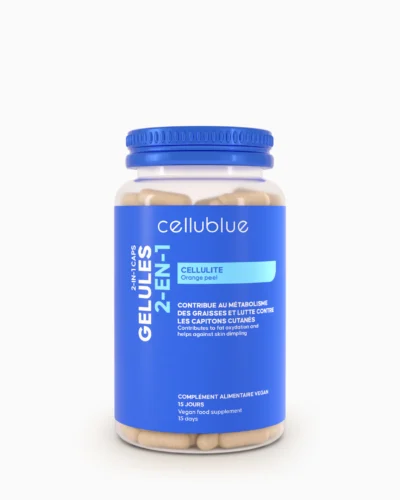
There are many other plants worth exploring — but let’s not overwhelm you! How should you take them? Some can be found in our Cellublue capsules, others in our tea. To be taken as a course or over the long term, alongside a balanced diet and regular physical activity.
A little extra help from within, alongside your massage
- Instructions for use
- Friendly advice
Frequently asked questions
Is one plant enough to get back in shape?
No. No plant works on its own, and none works overnight. The ones featured here fit into a balanced lifestyle that combines a varied diet, regular physical activity and staying well hydrated.
How should I take the Cellublue capsules and tea?
For the Cellublue capsules and tea featured at the end of the article, please refer to their product pages. If in doubt, ask a doctor or pharmacist for advice.
Related articles
- Herbal teas: what to realistically expect
- 9 Grandmother’s Herbal Teas for Cold Weather
- Tea in your daily routine: what to know
Useful categories: Slimming Nutrition, Weight Management.