The other day, as you were trying on your new shorts in front of the mirror, you spotted it. That subtle orange-peel texture scattered across your thighs, slender as they are… What if it were water retention cellulite, linked to venous insufficiency? So what can you do about it? One answer comes up again and again: lymphatic drainage. Here’s what the technique involves, why it’s so often mentioned alongside water retention cellulite, and how to take inspiration from it at home with a simple routine: scrub, oil and massage.
What is lymphatic drainage?
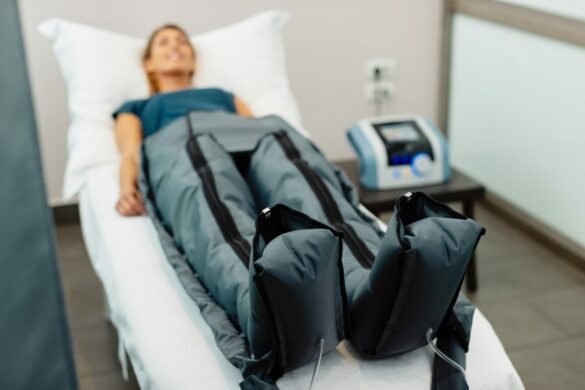
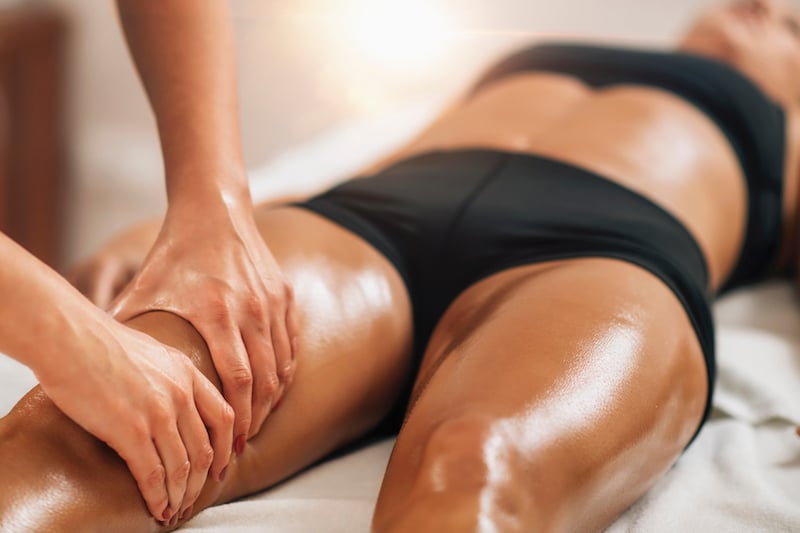
Manual drainage is a massage technique used for medical and/or aesthetic purposes. Lymph, a colourless fluid that flows through our lymphatic vessels, carries waste towards the lymph nodes. These nodes, found throughout the body, filter the lymph and produce the antibodies we need to stay healthy. Lymphatic drainage is a massage that aims to support the smooth flow of lymph through the vessels. It is usually carried out by a physiotherapist or a qualified beauty therapist. The technique relies on gentle movements: first, the lymph nodes are “opened” with light pressure, then the lymph is “pushed” towards the heart with soft pumping motions.
Lymphatic drainage and water retention cellulite
Lymphatic drainage is highly popular, especially with women dealing with water retention cellulite. This type of cellulite is associated with water retention: it is this “stagnant” water beneath the skin that is linked to water retention cellulite. It is a soft, painless type of cellulite that gives the skin a puffy appearance, typically concentrated in the lower body (gravity does its part): the stomach, thighs and legs. Lymphatic drainage is often paired with a massage routine designed to care for the appearance of the skin.
How to go about it?
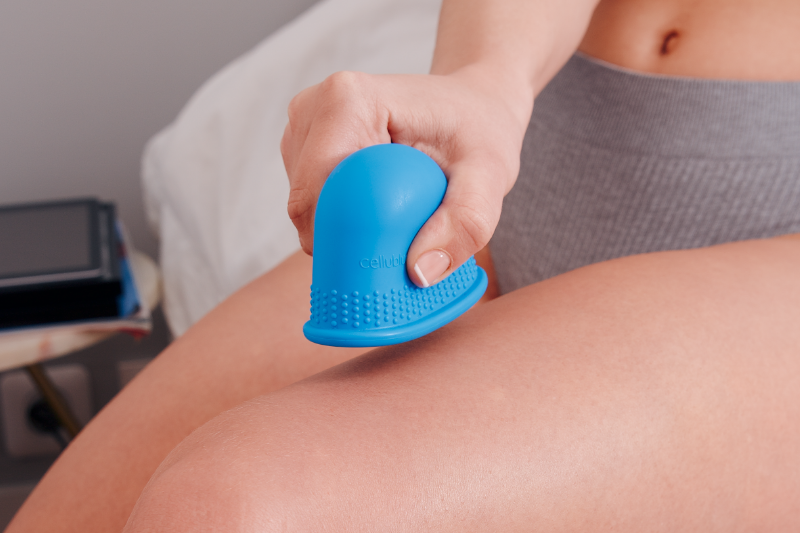
Carrying out a proper lymphatic drainage at home, by the book, isn’t something everyone can do – unless, of course, you happen to be a physiotherapist! Anti-cellulite massage is still a great beauty habit, though. Good massage oils, combined with movements inspired by manual drainage, can easily fit into a massage routine focused on the look of your skin. Here’s the routine to follow for water retention cellulite on the stomach, thighs and legs:
- Exfoliate! Choose a gentle scrub and apply it to damp skin using small circular motions, working from the bottom upwards. Then rinse off with a jet of cold water, starting at the legs and moving up to the stomach. This gets the skin ready for the massage while imitating the movements of manual drainage.
- Moisturise! Choose a rich massage oil, ideally one with anti-cellulite active ingredients.
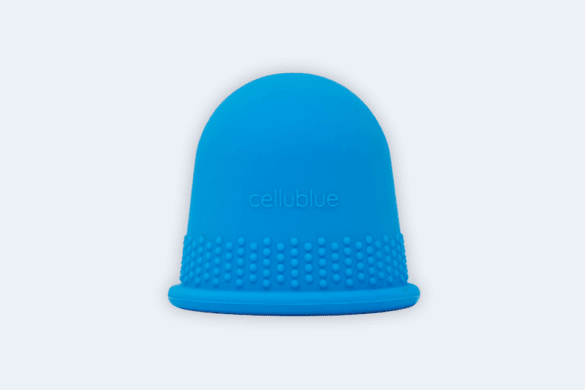
- Massage! There are massage tools designed to mimic the typical movements of manual drainage. The cupping tool works by suction, while the orange-peel massager, fitted with nubbed rollers, recreates the movements of a manual massage. Allow 3 minutes of massage a day per area, starting with the lower body and working your way up.
Cellublue: drainage-inspired massage at home
Cellublue products are no substitute for sessions with a physiotherapist or a qualified beauty therapist. What they do let you do is recreate the steps described above in your own bathroom: a gentle scrub to prep the skin, a massage oil to moisturise it, then a tool to massage. The cupping tool and the orange-peel massager imitate the typical movements of manual drainage. Always use them from the bottom upwards, from the legs to the stomach, via the thighs.
Consistency and a gentle touch are what matter most: these movements should always feel pleasant. If you feel any pain or have any doubts, speak to your GP.
Related articles
- Why try lymphatic drainage at home?
- 6 types of leg self-massage
- Water retention and food supplements: what you should know
Useful categories: Anti-Cellulite Massages.