Around 90% of women have cellulite. It’s an extremely common phenomenon. Some women embrace it, while others feel self-conscious about their orange-peel skin. Among the many techniques on offer is radiofrequency (also written radio frequency), sometimes known as thermofrequency. How it works, what happens during a session, side effects, contraindications, number of sessions and price: here’s what you need to know about radiofrequency for cellulite. You’ll also find our diet, exercise and skincare tips to go alongside it.
What is radiofrequency treatment?
Radiofrequency (sometimes called thermofrequency) is a non-invasive aesthetic medicine technique that has been used for over 10 years. It works by emitting very high-frequency electromagnetic waves through the skin to produce controlled heating of the subcutaneous tissues, reaching between 39 and 42o approximately. This heat triggers:
- Contraction of the skin’s elastic fibres and connective tissue (including the fascia)
- Production of new collagen fibres
Effect on the skin: it regains firmness and tone. This is why radiofrequency is frequently used in anti-ageing medicine and to address stretch marks.
There are several types of radiofrequency devices (monopolar, bipolar, multipolar), each with different power levels. Radiofrequency can also be combined with pulsed light or ultrasound.
Why does radiofrequency work on cellulite?
If radiofrequency works on skin firmness, can it also work on cellulite? That, at least, is what it sets out to do. The heat generated by the electromagnetic waves is intended to:
- Stimulate local microcirculation, leading to better oxygenation and nourishment of the dermis.
- Activate lymphatic drainage.
- Act on fat cells (adipocytes).
- Generate the formation of a new elastic network and reinforce the subdermal collagen structure, for firmer, more toned tissue.
As you can see, radiofrequency targets the various issues associated with cellulite and an orange-peel appearance.
What happens during an anti-cellulite radiofrequency session?
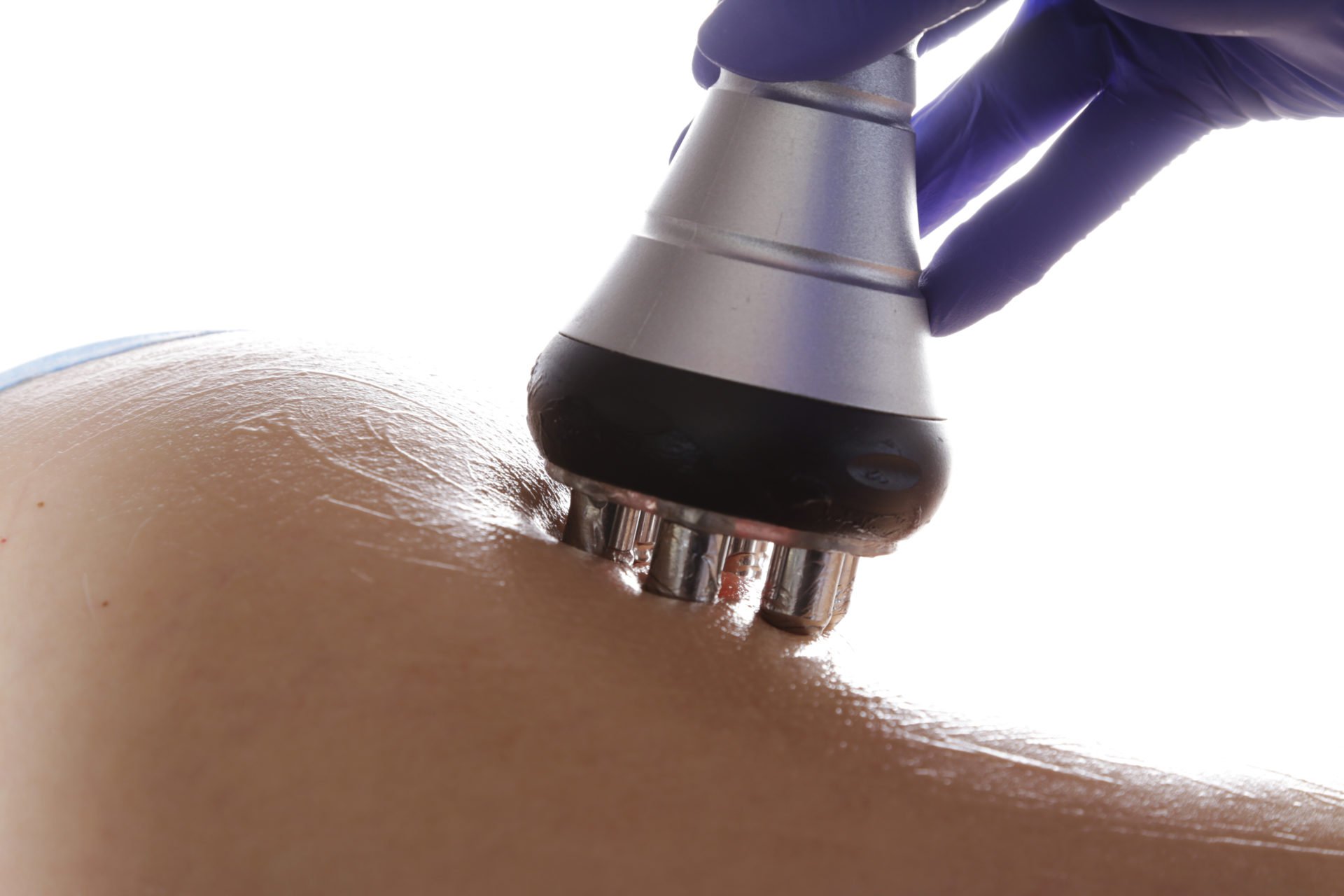
Since radiofrequency is a non-invasive and painless technique, it generally requires no anaesthesia. Some patients, however, are sensitive to the heat sensation. In that case, the practitioner may apply a numbing cream or use a cold-air device beforehand.
Before any treatment, the aesthetic practitioner examines the area to be treated in order to assess skin quality (laxity, density and cellulite type) and draw up a session schedule. Sometimes the treatment area is mapped out using a grid traced onto the skin, allowing the practitioner to work with precision.
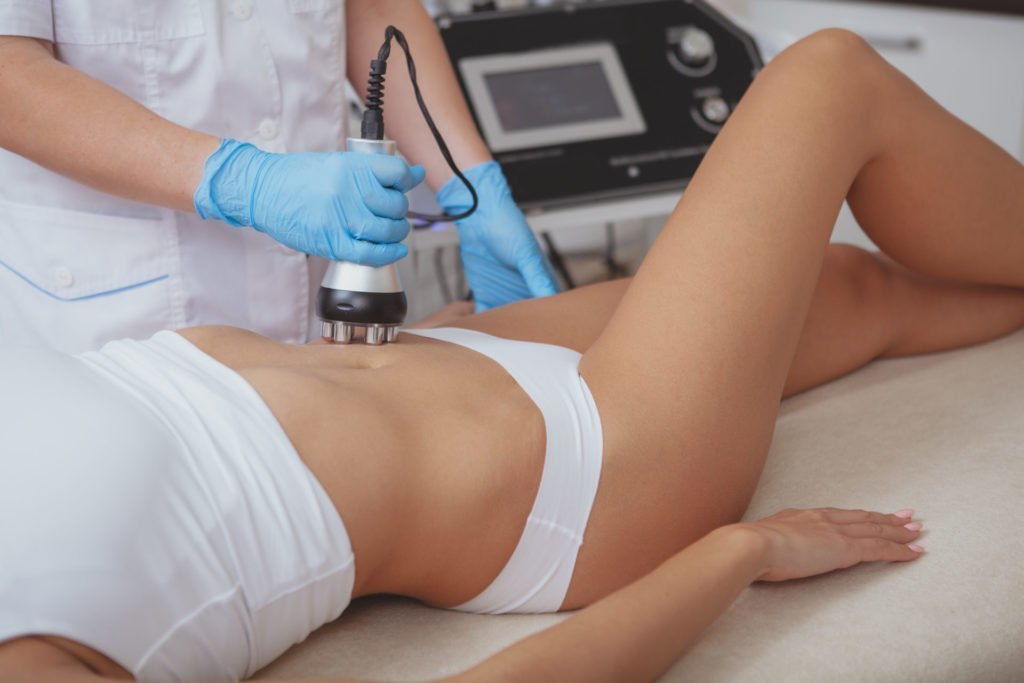
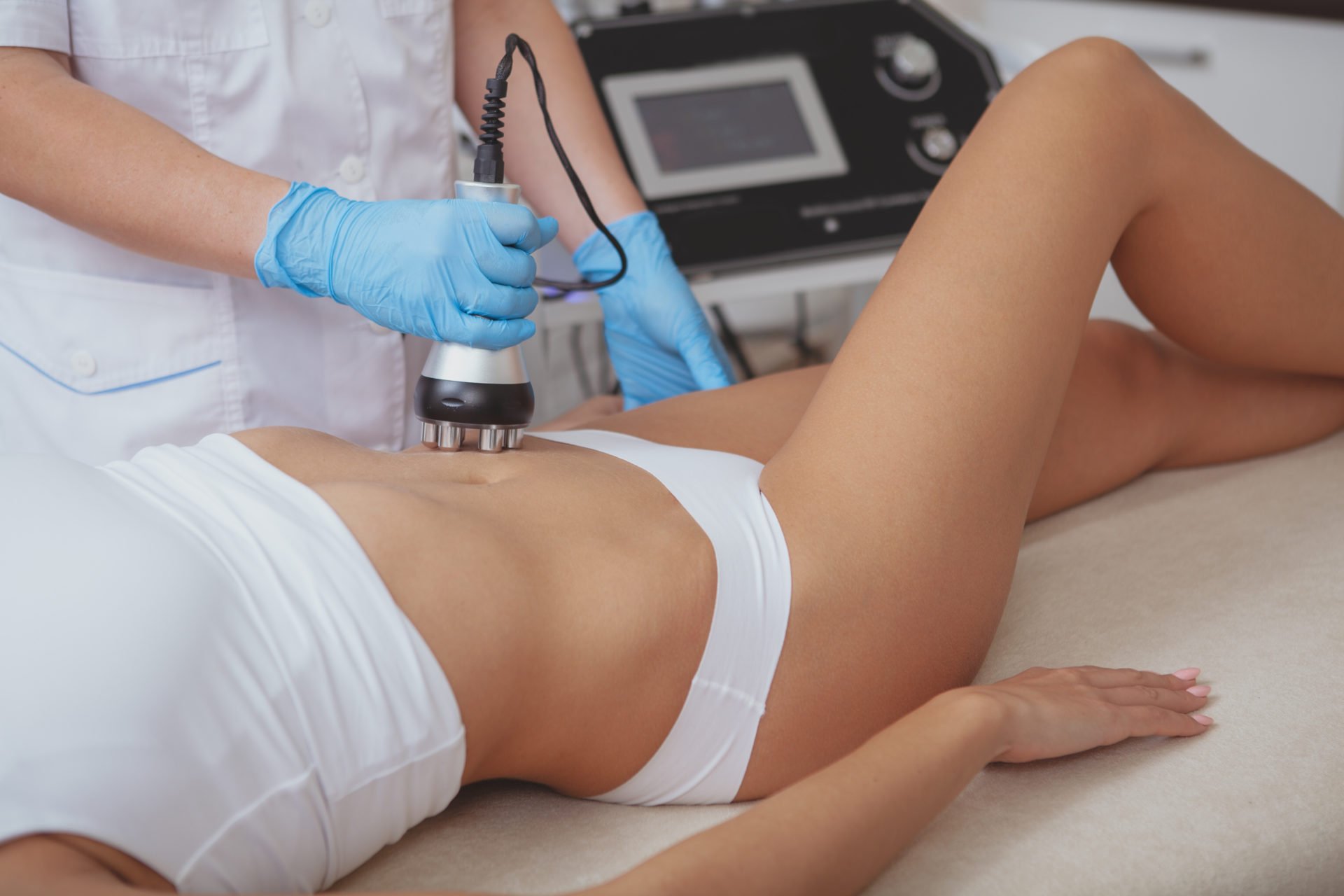
During the session, the practitioner first applies a gel to the skin to optimise device contact. They then massage the target area using a handpiece. The emitted waves gradually heat the treated zone while the handpiece performs continuous micro-suction movements across the skin. The heat sensation may be uncomfortable during the first few sessions, but the practitioner is there to monitor any reaction throughout the treatment. The warmth and any discomfort also tend to lessen as sessions progress.
Radiofrequency on the legs and thighs: what to expect
The legs, and the thighs in particular, are areas where orange-peel skin often shows. Treatment here follows exactly the same steps as described above. Your practitioner simply sets the number of sessions and how far apart they are spaced according to your skin quality and cellulite type (see below).
Between sessions, you can take up an activity such as the elliptical trainer or swimming. You can also massage your thighs every day, for example with an orange peel massager.
Side effects, contraindications, duration and cost of radiofrequency
1- Prerequisites
First of all, it is worth noting that radiofrequency is suitable for all skin types and for both men and women. It delivers the best results on skin with moderate laxity. The technique is not particularly recommended (nor very effective) for mature skin. By “mature skin” we mean skin that shows the effects of time: sagging, loss of elasticity due to dehydration and reduced lipid levels. Beyond the age of 65, radiofrequency cellulite treatment is unlikely to be effective and could potentially damage the skin.
2- Side effects
What about the side effects of radiofrequency? They are minimal and resolve quickly (within 24 to 48 hours), and mainly consist of:
- redness
- heat-related sensitivity changes
- oedema
- temporary hyperpigmentation of the treated area
- blistering
- swelling
After a session, it is advisable to avoid sun exposure and high temperatures. It is also recommended to schedule radiofrequency sessions outside of the summer months.
3- Contraindications
Radiofrequency is not recommended for:
- People with a pacemaker or metal implant
- Pregnant or breastfeeding women
- People with skin conditions such as melanoma, rosacea, dermatosis, psoriasis or eczema…
- People with keloid scarring (i.e. raised, discoloured scars)
4- Treatment duration
Each session lasts approximately 30 to 45 minutes. Sessions are generally spaced one week apart, though they may be scheduled further apart for particularly sensitive skin. The protocol often involves around 6 to 8 sessions in total.
5- Treatment cost
The price of an anti-cellulite radiofrequency session typically ranges from €100 to €200. Aesthetic practitioners often offer package rates, since radiofrequency requires multiple sessions to be effective.
Radiofrequency: good everyday habits
1- Adopt a healthy diet
A balanced diet is one of the good everyday habits.
Whatever your cellulite type, it’s best to limit processed and refined foods, which contain poor-quality fats and fast-release sugars.
If you tend to suffer from water-retention cellulite:
- Watch your intake of salt. Limit your consumption of cured meats, cheese, stock cubes and tinned fish (such as anchovies)…
- Favour low-glycaemic-index foods: fruits and vegetables, nuts, wholegrains and sprouted seeds, legumes.
- Also think of foods that are sources of potassium: white beans, sweet potato, citrus fruits, avocado, banana, yoghurt, tomato…
If you tend to suffer from adipose cellulite:
- Opt for lighter, high-quality meals rich in vitamins and minerals (to avoid nutritional deficiencies).
- Choose foods rich in omega-3, such as oily fish, walnuts and quality oils (olive, flaxseed, grapeseed, evening primrose).
- Prioritise fruits and vegetables and lean protein sources (including plant-based proteins).
Finally, if you suffer from fibrous cellulite, the most stubborn kind:
- Limit added sugars, including hidden sugars, light products, breakfast cereals and poor-quality dairy products such as flavoured yoghurts.
- Vary your diet: seasonal fruits and vegetables, offal and oily fish, sources of essential fatty acids (walnuts, avocado, rapeseed oil).
2- Exercise regularly
Physical activity also has its place in an anti-cellulite routine. Exercise is part of good everyday habits. The ideal anti-cellulite fitness combo: pairing a cardio activity with a water-based sport. For example, you could alternate between the elliptical trainer and swimming, or Zumba and aqua aerobics. One word of caution: if your cellulite is water-related (i.e. if you are prone to venous insufficiency or water retention), avoid high-impact sports such as tennis, running, boxing or athletics. Complement your workout sessions with daily walking and/or fun activities (rollerblading, playing with your children, cycling).
3- Build a skincare routine
If radiofrequency doesn’t appeal to you (too costly, not suitable, or simply too demanding), there are alternatives that are more affordable and very easy to stick to at home. At Cellublue, we’ve developed an anti-cellulite method to slot into your daily routine. The Express Anti-Cellulite Method Pack is designed for all types of cellulite. Our pack includes:
- Our now iconic Anti-Cellulite Cupping Cup, a compact cupping tool designed with dimples in mind! It recreates the well-known pinch-and-roll massage technique in just a few simple movements!
- Our Cellulite Massage Oil, perfect for daily massage. It leaves skin feeling soft.
- The Orange Peel Massager, a clever little massager that’s easy to handle, designed to smooth the appearance of the skin. Use it for 3 minutes a day on your thighs and buttocks.
- The Cellulite Scrub, enriched with caffeine, designed for use in the shower. It exfoliates, leaves skin beautifully scented (we love the monoi!) and leaves the skin feeling smoother to the touch.
Whether you want to complement your radiofrequency sessions or carry out your anti-cellulite routine at home, our products are here to support you day to day in the battle against orange-peel skin.
Related articles
- Laser treatment: the new anti-cellulite revolution?
- Shock wave treatment for cellulite (for deep-seated, stubborn cellulite)
- Cypress Essential Oil: Origin, Uses and Precautions
- 5 anti-cellulite treatments for the holidays
- Diet and Cellulite: What We Really Know
Useful categories: Anti-Cellulite Care, Anti-Cellulite Solutions.