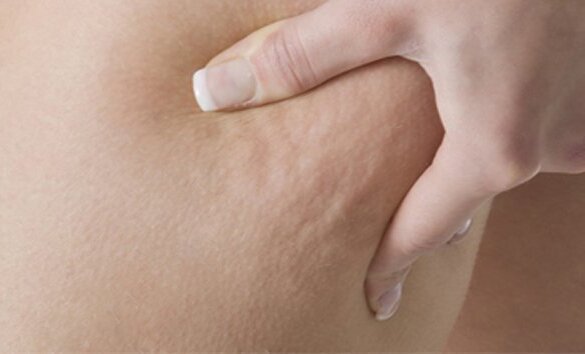
While fibrous cellulite is notoriously tricky to deal with, adipose cellulite can be just as much of a nuisance! It tends to settle mainly on the stomach, thighs and buttocks, leaving the skin looking soft. Where does it come from, how can you recognise it and how can you tackle its appearance day to day? Here are its causes, a quick test to identify it, and the approaches to combine: diet, physical activity, pinch-and-roll massage, technical solutions and a skincare routine.
Where does adipose cellulite come from?
Adipose cellulite mainly affects women who are carrying a few extra pounds. When we take in more fat each day than we burn off, our fat cells expand to store it. The result? Orange-peel skin appears!
Adipose cellulite is directly linked to the presence of adipocytes. These cells are specifically responsible for storing fat, and they increase in volume when the diet is too high in sugar and/or fat.
Adipose cellulite is soft and painless, and is found mainly on the stomach, the thighs and the buttocks. To tackle its appearance, it’s best to combine several everyday habits, which we explain below.
How to recognise adipose cellulite?
Adipose cellulite is easy to identify. A simple self-check is all it takes. Touch your skin and feel whether it is rather soft. When you pinch the skin between your fingers, no pain should be felt. Once released, the fatty deposits remain visually apparent.
What causes adipose cellulite?
Adipose cellulite is caused by an unbalanced diet that is too high in fat (fatty foods). Each time we eat calorie-dense, lipid-rich meals, the body stores the fat in reserve cells, increasing the volume of the hypodermis and distorting the skin’s surface. A sedentary lifestyle (low physical activity) is also a key contributing factor to adipose cellulite.
The best ways to tackle adipose cellulite
Day to day, three approaches work hand in hand: a balanced diet, daily physical activity and anti-cellulite massage. We’ll walk you through each one below:
Rebalancing your diet
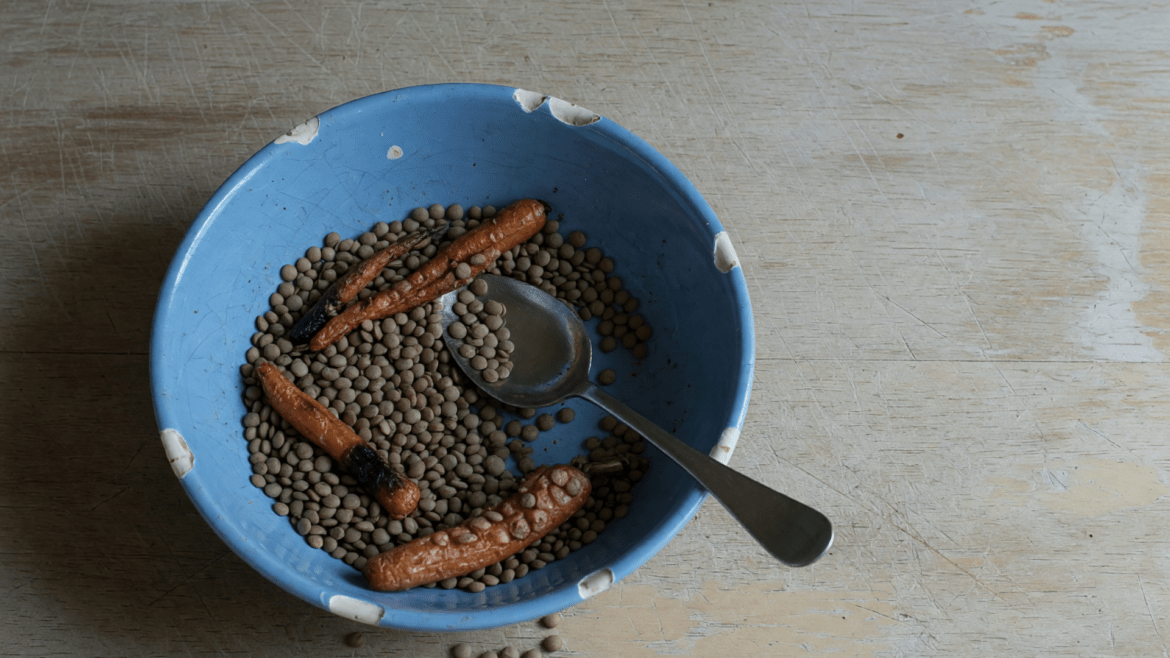
When it comes to your plate, the idea is to favour a varied, balanced diet and cut back on bad fats.
Foods to favour:
Vegetables, fruit, fish and lean meats all have their place on your plate! Don’t overlook pulses such as lentils, broad beans, peas and so on, which provide protein and fibre.
Drink still water or herbal teas, and focus on fresh foods.
Finally, some plants such as green tea, guarana, fucus, maté, grape marc or garcinia can be taken as dietary supplements, alongside a varied, balanced diet.
Foods to avoid:
Your worst enemies: fatty foods and fast-release sugars, especially in the evening. Cut out fizzy drinks, cheese, processed meats, butter, fatty meats, fast food and junk food. To replace refined sugar, opt for low-glycaemic-index sugars, always in small amounts. Honey, maple syrup or agave syrup are excellent alternatives.
Avoid snacking, which encourages fat storage, and aim for 5 small meals a day instead (3 main meals and 2 snacks). Prepare a few recipe ideas in advance so you don’t give in to last-minute temptations!
Daily physical activity

To tackle the appearance of adipose cellulite, you also need to get moving! Endurance sports are a good way to make progress over time. Daily physical activity gets your body working and lets you expend energy through exercise.
Start at your own pace: an hour’s walk every other day is already a great start! You can also try cycling, running, swimming or even aqua cycling. These activities will help you tone your thighs and glutes while working on your figure and tackling the appearance of cellulite.
And of course, anti-cellulite massage

Whatever your cellulite type, pinch-and-roll massage is a must-have step. It helps tackle the appearance of orange-peel skin. The Cellublue method is your go-to for pinch-and-roll done properly! Cellublue products are designed to complement good eating and exercise habits over the long term.
Technical solutions
When the fight against cellulite meets technology… Many technical solutions have been developed to tackle adipose cellulite. Today, some are particularly popular. Among them:
- Laser: laser lipolysis involves heating fat cells to trigger their emptying. It is a highly controlled aesthetic procedure that requires multiple sessions and tends to be fairly pricey.
- Electrostimulation: this technique targets deep muscles to tone and build muscle mass. Electrostimulation is often mentioned among the options for adipose cellulite.
- Shockwave therapy: based on the principle of acoustic wave vibrations, shockwave therapy aims to stimulate lipolysis.
- Combining pinch-and-roll massage with heat: pinch-and-roll massage is a massage technique that helps tackle the appearance of cellulite, with heat accompanying the massage. On that note, take a look at our Electric Anti-Cellulite Cupping Device: it lets you do pinch-and-roll massage properly at home, all by yourself, with a heating function.
- Manual massagers: for the more hands-on among you, there’s always the manual option, where anti-cellulite treatments are done by hand… or almost! Daily massages with a classic cupping cup (like ours!) or a massager (like our Orange Peel Massager) can also help tackle the appearance of adipose cellulite. They’re very easy to do on pre-oiled skin and take just a few minutes.
Cosmetic solutions
Cosmetics can also offer good solutions for adipose cellulite — but it’s all about following the right routine, which plays out in 3 steps!
- Scrubbing: exfoliated skin is more receptive to anti-cellulite treatments and massages. There’s no need to scrub every day, as that could irritate the skin. But regular exfoliation, 2 to 3 times a week, removes dead skin cells and preps the skin for the rest of your routine. Even better if the scrub contains caffeine. That’s exactly the case with our Anti-Cellulite Scrub, enriched with coffee. To find out more about caffeine and cellulite, have a read of our dedicated article. The mechanical action of the scrub teams up with the coffee actives to tackle the appearance of adipose cellulite!
- Creams: after scrubbing, it’s essential to care for your skin with a nourishing cream. But the choice matters here too: it’s best to go for an anti-cellulite cream. The goal is twofold: nourish the skin while targeting dimples! Our Cryo Anti-Cellulite Cream comes highly recommended. It contains menthol for an invigorating cooling effect, and a coffee–green coffee duo.
- Oils: their advantage? They nourish the skin and make anti-cellulite massage movements easier, especially when used with a cupping cup. For those short on time, we recommend the Anti-Cellulite Nourishing Shower Gel: it allows for a quick massage in the shower, for a pure moment of bliss. It’s also enriched with pineapple. And for those who love body care rituals, the Anti-Cellulite Oil ticks every box: ultra-fluid and wonderfully comfortable, it’s ideal for pinch-and-roll massage! It’s also enriched with grapefruit and ivy. A lovely way to pamper your dimpled areas!
That said, don’t forget, ladies: these anti-cellulite massages work best alongside the tips we’ve just shared. If you use your Cellublue cupping cup every day but eat 4 pizzas a week, you’re missing part of the picture…
Ready to take action against your adipose cellulite, ladies?
Frequently asked questions
How can I tackle the appearance of adipose cellulite?
By combining several everyday habits: regular physical activity, ideally endurance exercise, and regular pinch-and-roll massage, alongside a balanced diet. A skincare routine (scrub, cream, oil) can complement these habits. Everything is explained in the section on solutions.
How do I know if I have adipose cellulite?
Try the quick test described above: skin that feels rather soft and doesn’t hurt when you pinch it points towards adipose cellulite.
What is a fat cell?
It’s an adipocyte, a cell specialised in storing fat. When your diet is too high in sugar or fat and you’re not very active, these cells increase in volume. This changes the look of the skin and brings out orange-peel skin.
Is adipose cellulite painful?
Normally not: adipose cellulite is soft, and pinching it doesn’t cause pain. If you feel any pain, discomfort or other unusual symptoms, ask a doctor or another medical professional for advice.
Which foods should I cut back on if I have adipose cellulite?
Cut back on fatty foods and fast-release sugars, especially in the evening: fizzy drinks, cheese, processed meats, butter, fatty meats and fast food. Favour vegetables, fruit, fish, lean meats and pulses. Drink still water or herbal teas and avoid snacking.
Related articles
- 7 anti-cellulite and slimming resolutions!
- 4 ultra-simple tips for a beautiful booty
- Get your body summer-ready: a 21-day plan
Useful categories: Adipose Cellulite.