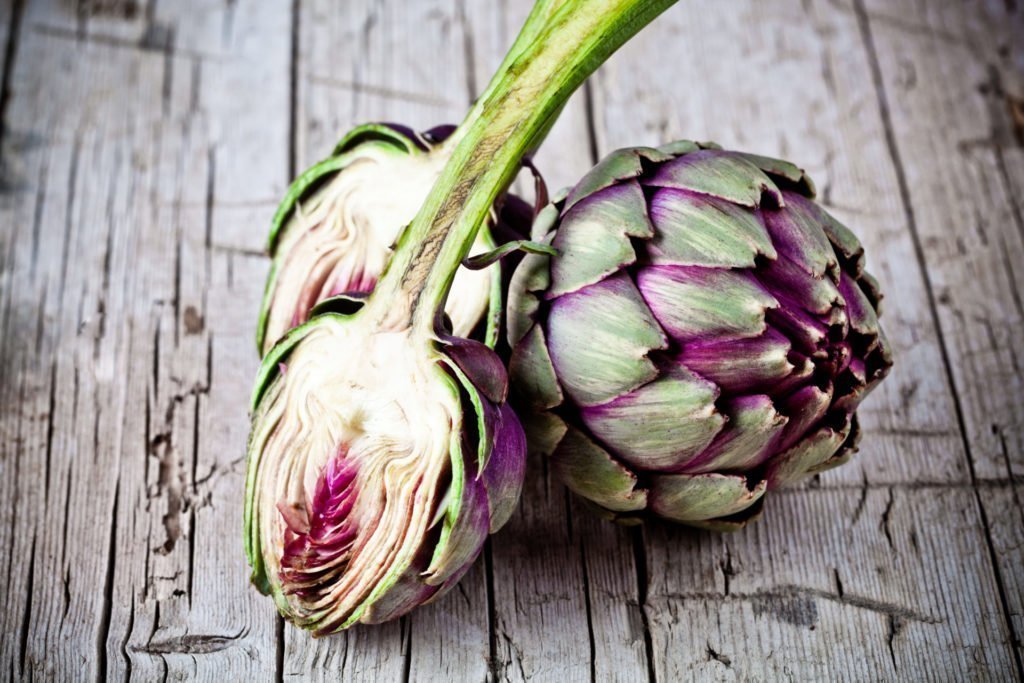
Delicious in salads, omelettes or on pizza… but beyond its unique flavour, artichoke is also said to be figure-friendly. Some even credit it with anti-cellulite powers. So, is artichoke really a remedy for cellulite? Let’s take a closer look at this wonderful vegetable.
To be clear from the outset: no food, plant or supplement makes cellulite disappear. Artichoke is still a vegetable worth getting to know, for what it really is. Here’s what it contains, how to enjoy it and the precautions to be aware of.
What does artichoke contain?
1- Potassium
Artichoke contains potassium, as do many fruits and vegetables. It often comes up in conversations about water retention, one of the factors mentioned in connection with cellulite, particularly water cellulite. But no single vegetable sorts this out on its own. A varied diet that’s low in salt, drinking water throughout the day and keeping active matter far more than any one particular food.
2- A source of fibre
The fibre content of raw artichoke is 5.40 g per 100 g, which makes it a worthwhile source of fibre. Its main fibre is inulin, a soluble fibre also found in chicory, Jerusalem artichoke, garlic and onion. Fibre has its place in a balanced diet, ideally from a range of sources: vegetables, fruit, pulses and wholegrains. If you’re not used to eating much of it, increase the amount gradually, because inulin can cause bloating in people with sensitive tummies. And if it’s adipose cellulite that’s on your mind, what counts is the overall balance of your diet, not a single food. To go further, take a look at our food ideas for a flat stomach in everyday life.
3- Cynarin, which gives it its bitterness
Artichoke contains cynarin, a compound that gives it its slightly bitter taste and is found mainly in the leaves. In fact, it’s the leaves that are used in herbal preparations and food supplements, not the heart we eat. In those preparations, artichoke is traditionally associated with digestion. But beware of the shortcuts you often read: eating artichoke has no proven effect on body fat or on dimpled skin. If you have concerns about your digestion, liver or cholesterol, it’s your GP you should speak to.
4- Artichoke: low in calories
At 40 kcal per 100 g, artichoke is a low-calorie vegetable, like many green vegetables. So it deserves a place in your weekly meals, as long as you keep an eye on what goes with it: a light vinaigrette rather than a rich sauce, for example. It also provides vitamins, minerals and fibre, which makes it a vegetable worth putting on the table more often. Try it steamed, boiled, pan-fried or in a salad.
How to enjoy artichoke
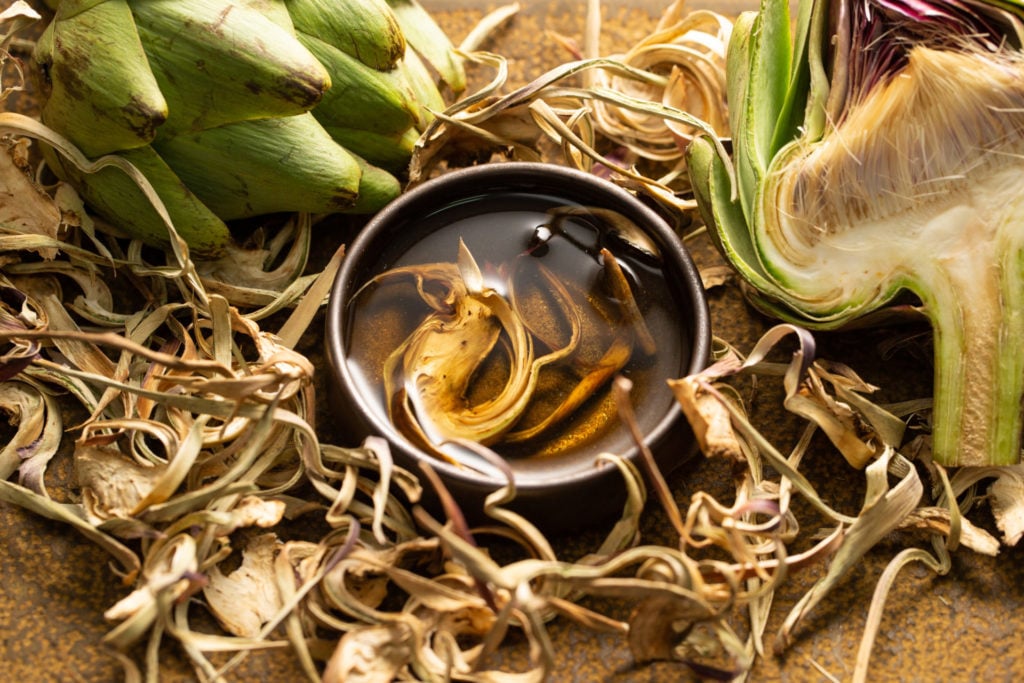
The artichoke flower is the edible part of the plant, while the leaves are mainly used in herbal remedies. These leaves are available in many forms: capsules, dried leaves, ampoules, infusions. Artichoke-based food supplements are never a substitute for a varied and balanced diet. If you do decide to take them, it’s important to choose them carefully:
- Origin
- High artichoke leaf content
- Organic certification preferred
There are also certain conditions to be aware of when taking artichoke leaf-based food supplements:
- Not to be taken in cases of gallstones
- Not advised for people sensitive to Asteraceae, a broad plant family (chicory, dandelion, chamomile, thistle…)
- Ask a doctor or pharmacist for advice if you are pregnant, breastfeeding or taking any medication, and always stick to the dose stated on the packaging
1- Artichoke and horsetail tea recipe
Like artichoke, horsetail is a plant often found in traditional herbal teas. This hot drink is first and foremost a moment to pause, to be enjoyed for its taste. It is not a treatment for cellulite. Horsetail is not recommended for pregnant or breastfeeding women or for children. Nor is it recommended for anyone with kidney problems or taking medication, unless a doctor or pharmacist has advised it. To make the recipe, you will need:
- 1 artichoke
- 2 tbsp dried horsetail
- 500 ml water
- 1 tsp fresh lemon juice
Chop the artichoke and bring it to the boil in the water. Once boiling, add the horsetail and reduce the heat. Leave to steep for 2–3 minutes, then turn off the heat. Allow to rest for 15 minutes, strain through a fine sieve and add the lemon juice. Enjoy it hot or warm, every now and then, as one drink among others, while still drinking water throughout the day.
2- Artichoke leaf and nettle infusion recipe
An infusion with fresh, herbal flavours, made with plants that are easy to find at a herbalist’s or an organic shop. Nettle can interact with certain medicines, so ask your pharmacist for advice if you’re taking any. Making it couldn’t be simpler. All you need is:
- A handful of dried artichoke leaves
- A handful of nettle leaves
Steep the ingredients for 10 minutes in the equivalent of a large mug of boiling water. Leave the infusion to rest for 5 minutes, covered. Strain, then enjoy it as it is, with no added sugar. As with any herbal tea, it’s better to vary the plants you use than to drink large amounts of the same one every day.
3- Our cellulite capsules
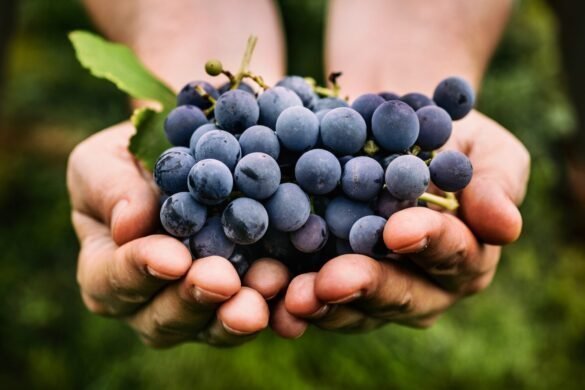
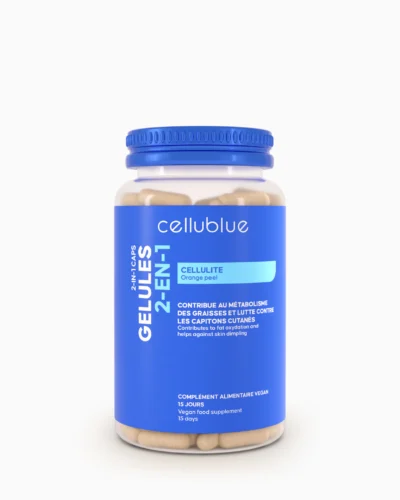
If herbal teas aren’t your thing and you’re a fan of food supplements, there are our Cellulite Capsules. They contain ingredients of natural origin, are vegan and made with plants, including artichoke, green tea, red vine and cherry stem. Like any food supplement, they are no substitute for a varied, balanced diet or a healthy lifestyle. Stick to the daily dose stated on the packaging and keep them out of the reach of young children. Ask a doctor or pharmacist for advice if you are pregnant, breastfeeding or taking any medication. To look after your skin, make room for movement and regular massages too. Consistency is what matters most.
A little extra help from within, alongside your massageOriginal price: €29.99
Related articles
Useful categories: Anti-Cellulite Plants, Anti-Cellulite Solutions.