Cellulite comes in three forms: adipose, fibrous and aqueous. This last form, also known as infiltrated cellulite or hydrolipodystrophy, is linked to water retention. So water retention and cellulite often go hand in hand, but they aren’t the same thing. In this guide, we explain what water retention is, what causes it, how it relates to the appearance of cellulite, how to tell if you’re affected and, finally, how to reduce it.
What is water retention?
“Retention” is defined in the dictionary as an “excessive accumulation in the body of substances that should normally be eliminated”. The medical term for this phenomenon is “oedema”. An oedema refers to “the swelling of a tissue caused by the accumulation of fluid that invades various tissues. Oedema is most commonly observed in the hands, arms, feet, ankles and legs”. Water retention is therefore an excessive build-up of water, and more broadly of fluids, in the body.[1]
Under normal circumstances, water accounts for around 65% of our total body weight — but for those who experience water retention, this percentage can increase significantly. The body is naturally designed to eliminate water on an ongoing basis, not to store it. Water comes from what we eat and drink, and is eliminated through the body’s various secretions (urine, perspiration, breathing…). On average, we eliminate 2.5 litres of water each day: through urine (1 litre), perspiration (75 centilitres), breathing (50 centilitres) and stools (100 millilitres). Health professionals estimate that, under typical conditions — a temperate climate and moderate physical activity — an adult needs to drink 1.5 litres of water per day. The remaining litre needed to balance water intake and elimination comes from food.
In a body unaffected by water retention, absorbed water follows this path: once in the intestines, it is either eliminated directly through stools or absorbed by a cell in the intestinal wall. It then enters the bloodstream and travels to the liver, where it is either absorbed or continues circulating in the blood. At this point, the water may be taken up by a body cell, or it may reach the kidneys and be eliminated through urine.[2]
If water enters a cell, a pressure system allows it to exit and return to the bloodstream or lymphatic system to be eliminated. However, in people prone to retention, this pressure is insufficient: water leaves the cell but stagnates in the surrounding tissue and is not eliminated — this is what we call water retention. Due to gravity, this phenomenon tends to occur in the lower body, particularly in the feet, ankles and calves. In some cases, however, oedema can form in any tissue throughout the body.
What causes water retention?
Water retention is not always a permanent condition. Some people are affected occasionally — for example, after staying in the same position for too long, whether sitting or standing, or when exposed to heat. In these cases, simply changing position, activating your muscles or avoiding the heat is usually enough to help the body eliminate the excess fluid.
That said, other factors can explain long-term water retention[3]:
- Venous insufficiency: the veins are no longer able to push blood back up effectively
- A poorly functioning lymphatic system: this system, which runs parallel to the circulatory system, normally absorbs excess stagnant fluid
- Fragile blood vessel walls: if vessel walls become too thin, water can pass through them and accumulate in the surrounding tissues
- Hormonal fluctuations: puberty, pregnancy, menopause, hormonal contraceptives… This is why water retention is predominantly a female concern
- Cardiac, renal or pulmonary conditions
- Certain medications, particularly those used to treat high blood pressure
- A diet high in salt: salt is well known for its ability to cause the body to retain water in the tissues
- Being overweight: fat stored in adipocytes disrupts the proper functioning of the circulatory and lymphatic systems, making it harder for the body to drain excess fluid
- A lack of physical activity: exercise helps eliminate water and stimulates the circulatory and lymphatic systems by boosting circulation
How does water retention contribute to the appearance of cellulite?
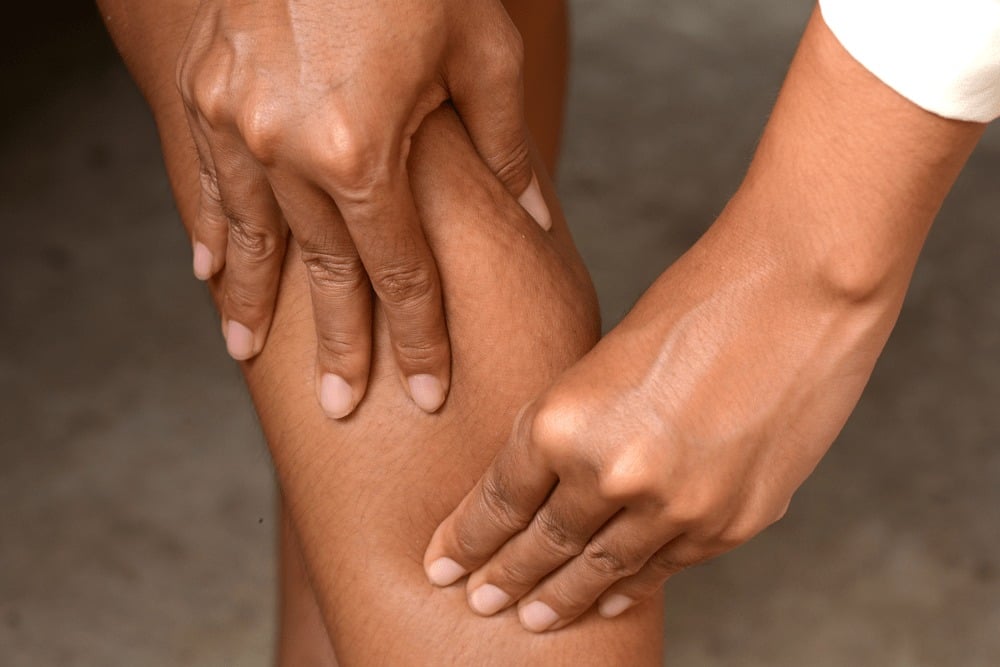
As we’ve seen, water retention is the accumulation of fluid in the tissues, resulting from a failure of the circulatory and lymphatic systems to eliminate it naturally. When fluid builds up over time, it causes the tissues to swell and gradually compresses the blood and lymphatic vessels. This creates a vicious cycle: the circulatory and lymphatic systems become even less able to drain the fluid, which continues to accumulate. By causing the tissues to swell, this excess water creates a bumpy, uneven effect on the skin’s surface — the dreaded “orange peel” appearance!
This type of cellulite is soft and painless, and is found mainly on the calves and ankles. It’s worth noting, however, that aqueous cellulite is often accompanied by adipose cellulite — that is, cellulite linked to an excess of fat in the adipocytes. Enlarged fat cells disrupt blood and lymphatic circulation, encouraging fluid to stagnate in the tissues. Clusters of adipocytes combined with swelling in the tissue between cells worsen the dimpled appearance on the skin’s surface. When both types of cellulite are present, it is referred to as “mixed” cellulite.
Water retention vs cellulite: what’s the difference?
Water retention and cellulite aren’t the same thing, even though they often appear together. As we saw above, water retention refers to a build-up of fluid in the tissues. Cellulite, on the other hand, describes the dimpled look of the skin, the famous “orange peel” effect. When the two occur together, it’s known as aqueous cellulite, as described above. If you notice unusual or persistent swelling, speak to your GP.
How can you tell if you have water retention?
Water retention is a common condition, particularly among women. It can be temporary or long-lasting. Here are the main signs to look out for:
- Sudden, unexplained weight gain: water retention can cause you to gain up to 2 kilos within 24 hours
- Swelling in the legs or sometimes across the entire body
- Sensations of stiffness, numbness or heaviness in the legs
- Cellulite that is soft and painless, typically located on the lower body
- Itching and skin that appears lighter or paler than usual
- Indentations that remain on the skin when pressure is applied to the affected areas
These symptoms may appear together or in isolation, and can occur at any age.
How can you reduce water retention?
If water retention is temporary, start by identifying the cause. For example, if it appears when you’re exposed to excessive heat, try to cool down, perhaps with a cool shower. If it occurs after spending several hours in the same position, make a point of getting moving regularly and activating your muscles.
However, if water retention is persistent, causes discomfort and leads to the appearance of aqueous cellulite, a few lifestyle habits are often recommended, alongside advice from a doctor:
- Stay well hydrated: make sure you drink enough water regularly throughout the day. It’s a simple everyday habit.
- Follow a diet low in salt and sugar: limiting salt and sugar is part of general advice for a balanced diet.
- Try the skin rolling massage technique: this type of massage is used to target the look of cellulite, including aqueous cellulite. To perform skin rolling easily, you can use the Cellublue Method with the cupping device, which uses a suction effect to replicate this massage technique.
- Elevate your legs: due to gravity, fluid tends to pool in the lower body. Making a habit of raising your legs for a few minutes each day is often recommended.
- Vary your diet[4]: a varied diet low in salt remains the foundation. Some ingredients, such as acacia, red vine, green tea, guarana, artichoke, cherry stems and pineapple, are used in food supplements, such as the Anti-Cellulite Capsules and the Anti-Cellulite Drainer. Check with a doctor or pharmacist before taking a course, especially if you’re on any medication.
- Exercise regularly: regular physical activity is part of a healthy lifestyle. If you’re affected by water retention, high-impact sports are often best avoided (e.g. aerobics, step classes, tennis…). Low-impact endurance activities, such as cycling, swimming or brisk walking, are often preferred choices. If in doubt, ask your GP for advice.
Good to know: if your water retention doesn’t ease or go away despite these habits, we recommend consulting a doctor, who can help identify the underlying cause and recommend an appropriate course of action.
[1] NHS CHOICES. Oedema (2016): http://www.nhs.uk/conditions/oedema/Pages/Introduction.aspx
[2] Le corps humain: étude, structure et fonction (2000) – C. Brooker
[3] Humanis (2016) – Rétention d’eau: définition et causes
[4] Mechanisms of Disease – Chronic Venous Disease (2006) – John J. Bergan
Frequently asked questions
How do I know if I have water retention?
Several signs can point to it: sudden, unexplained weight gain, swelling in the legs or body, and feelings of stiffness or heaviness. Others include soft, painless cellulite, itching, or marks that stay on the skin when you press on it. These symptoms may appear together or on their own.
Is water retention always long-term?
No. It can be occasional, for example after staying in the same position for a long time or in hot weather. In that case, changing position or getting your muscles moving is usually enough. It can also become long-term and be linked to other factors. If it persists, see a doctor.
When should I see a doctor about water retention?
See a doctor if your water retention is persistent, causes discomfort or doesn’t ease despite good everyday habits. Only a doctor can identify the cause and offer suitable care.
Related articles
- Potassium: definition, rich foods and meal ideas
- 3 DIY Care Treatments for Your Legs
- 10 tips to fight water retention
Useful categories: All About Cellulite.