You may have heard about red vine leaf and its connection to cellulite — but what exactly is it? Here’s what you need to know about the plant, what its leaves and seeds contain, the forms it comes in — including herbal tea, gels and capsules — and what you can reasonably expect.
What is red vine leaf?
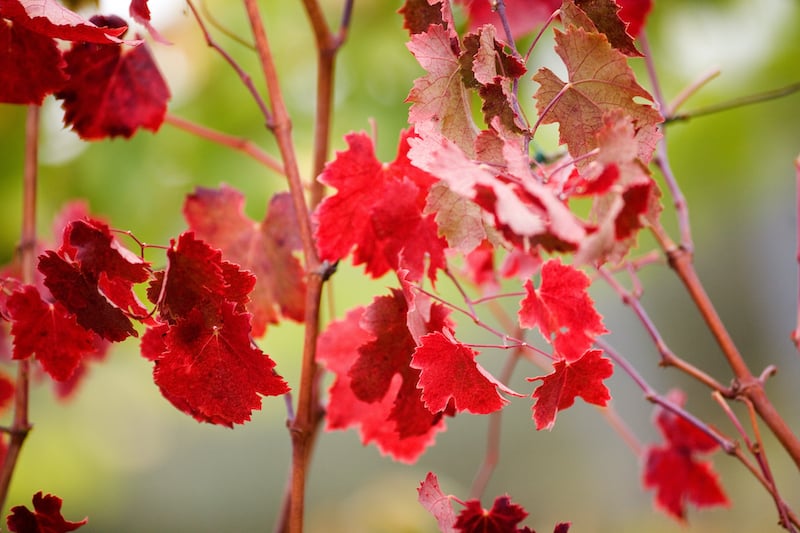
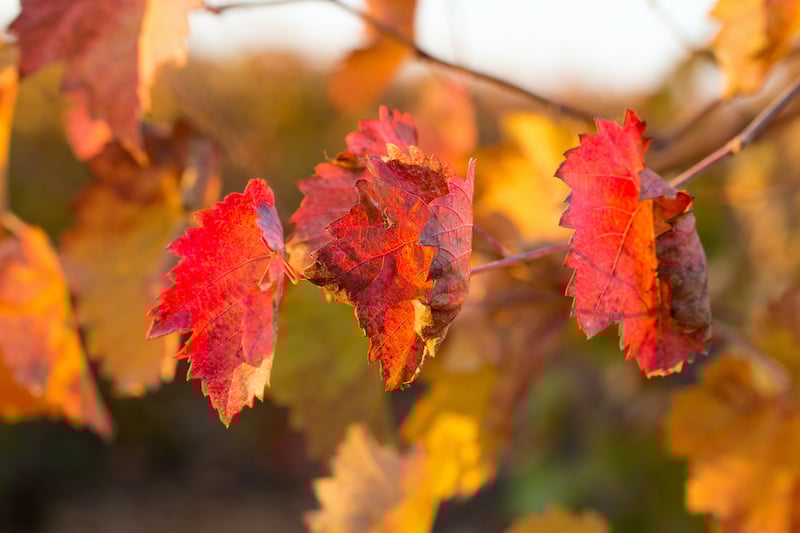
Vitis vinifera var. tinctoria, its Latin name, is a plant used in herbal medicine. It is a particular type of vine, native to Europe, that produces dark grapes and whose leaves turn red in autumn — hence the plant’s name.
The leaves, seeds and skin are all used, each with different applications depending on the part.
The red-leafed “Vitis vinifera” vine has been known since Antiquity and features in many herbal preparations.
The leaves of this plant are harvested in autumn, between October and November.
The leaves of this vine variety contain anthocyanosides, flavonoids and tannins. These compounds belong to the polyphenol family and are also found in many fruits and vegetables.
This plant is therefore used in many preparations, including products sold in pharmacies and herbal shops.
Grapes and seeds, meanwhile, contain polyphenols and tannins, as well as resveratrol. Resveratrol is a compound that has been studied by researchers for many years.
What are red-leafed “Vitis vinifera” leaves used for?
This plant has had many applications throughout history, and numerous studies have examined it (1).
Red vine leaf and heavy legs
Red vine leaf is often found in preparations for heavy legs. If your legs feel heavy, or you have varicose veins, speak to a doctor. They can look into the cause and advise you on appropriate care.
A sedentary lifestyle does not help your legs feel good.
It may therefore be helpful to adjust our habits: move more, walk each day and avoid sitting or standing still for long periods.
For red vine leaf preparations, ask your doctor or pharmacist for advice, especially if you are already taking medication.
Red vine leaf and cellulite: what to know
Among the many uses of red vine leaf, it is often mentioned in connection with cellulite. First, it helps to understand what cellulite is.
Cellulite describes a dimpled appearance of the skin in certain areas of the body — particularly the hips, thighs and buttocks — giving it an orange peel texture. It is especially common in women.
Red-leafed vine can be used as a decoction. A decoction is an age-old method of extracting the active compounds from a plant by boiling it in water.
To make a vine leaf decoction, add fifty grams of leaves to one litre of boiling water to obtain a herbal infusion. Ask a medical professional for advice before drinking it regularly.
You can also prepare an infusion combining vine leaves, blueberry and blackberry. This blend has a fruity flavour that makes it pleasant to drink.
Red “Vitis vinifera” is also used in firming gels designed for skincare routines focused on the appearance of cellulite. Apply them with a massage; see also our tips for reducing the look of orange peel skin.
Apply the gel to the area affected by cellulite and massage in circular motions to help it absorb, ideally each day on clean, dry skin.
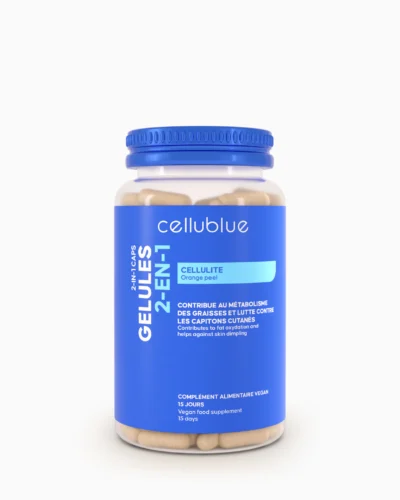
Vitis vinifera capsules are also available. They are food supplements, not a substitute for a balanced diet, and their effect on cellulite has not been demonstrated.
These capsules most often combine vine leaf extracts with grape seed extracts and other plant-based ingredients.
Capsules should be taken according to the daily dose on the packaging. If you are unsure or already taking medication, ask a doctor or pharmacist for advice.
This plant is also found in pharmaceutical or cosmetic preparations in the form of lotion or balm.
Vine extracts are used in many pharmacy products, including preparations for heavy legs. There are also cosmetic products featuring grape seeds, designed for leg and body care.
These cosmetics can form part of a skincare routine focused on the appearance of orange peel skin.
The key takeaway is that red vine leaf can have a place in a cosmetic routine focused on the appearance of cellulite when applied with a massage. An effect on cellulite has not been demonstrated for infusions or capsules.
As for fresh grapes, with their skin and seeds, they can of course be part of a varied diet when in season, just like other fruit.
How can you use red vine leaf in your skincare routine?
Its leaves contain flavonoids and tannins, while grape seeds contain polyphenols. Red vine leaf extracts feature in a range of body care products, including gels, lotions, balms and oils.
You can include them in a regular skincare routine alongside, for example, a body scrub.
Can red vine leaf change your body shape?
No. Red vine leaf is not a way to change your body shape, nor does it replace a balanced diet or regular physical activity. If you have questions about your weight, speak to a doctor or another medical professional.
 COACH’S TIP
When using vine leaves or products containing compounds from the grapes, skin or seeds of red Vitis vinifera, bear in mind that the plant is not recommended for pregnant or breastfeeding women. If you are unsure or already taking medication, ask a doctor for advice.
Red “Vitis vinifera” vine leaves are particularly known for their use in products for legs. For the appearance of orange peel skin, consider cosmetic products applied with a massage instead.
The Cellublue Anti-Cellulite Capsules are food supplements to use alongside a varied, balanced diet and a sound lifestyle. Follow the daily dose stated on the packaging.
A little extra help from within, alongside your massage
- Instructions for use
- Friendly advice
Sources and references
(1) https://www.ncbi.nlm.nih.gov/pubmed/12854360
Related articles
- Nettle: composition, uses and recipe ideas
- Herbal Infusions and the Cellublue Cup: A Daily Beauty Routine
Useful categories: Anti-Cellulite Plants, Anti-Cellulite Tips.