Stretch Marks Stretch marks on the knees: how to reduce them?

Stretch marks on the knees: how to reduce them?

par
vergetures-genoux

Stretch marks — you know them well: those little streaks that appear out of nowhere at the slightest change in body shape. What you may not have known, however, is that they can show up in some unexpected places, including the knees. How does this happen, and what can you do about it? We tell you everything!

Why do stretch marks develop around the knees?

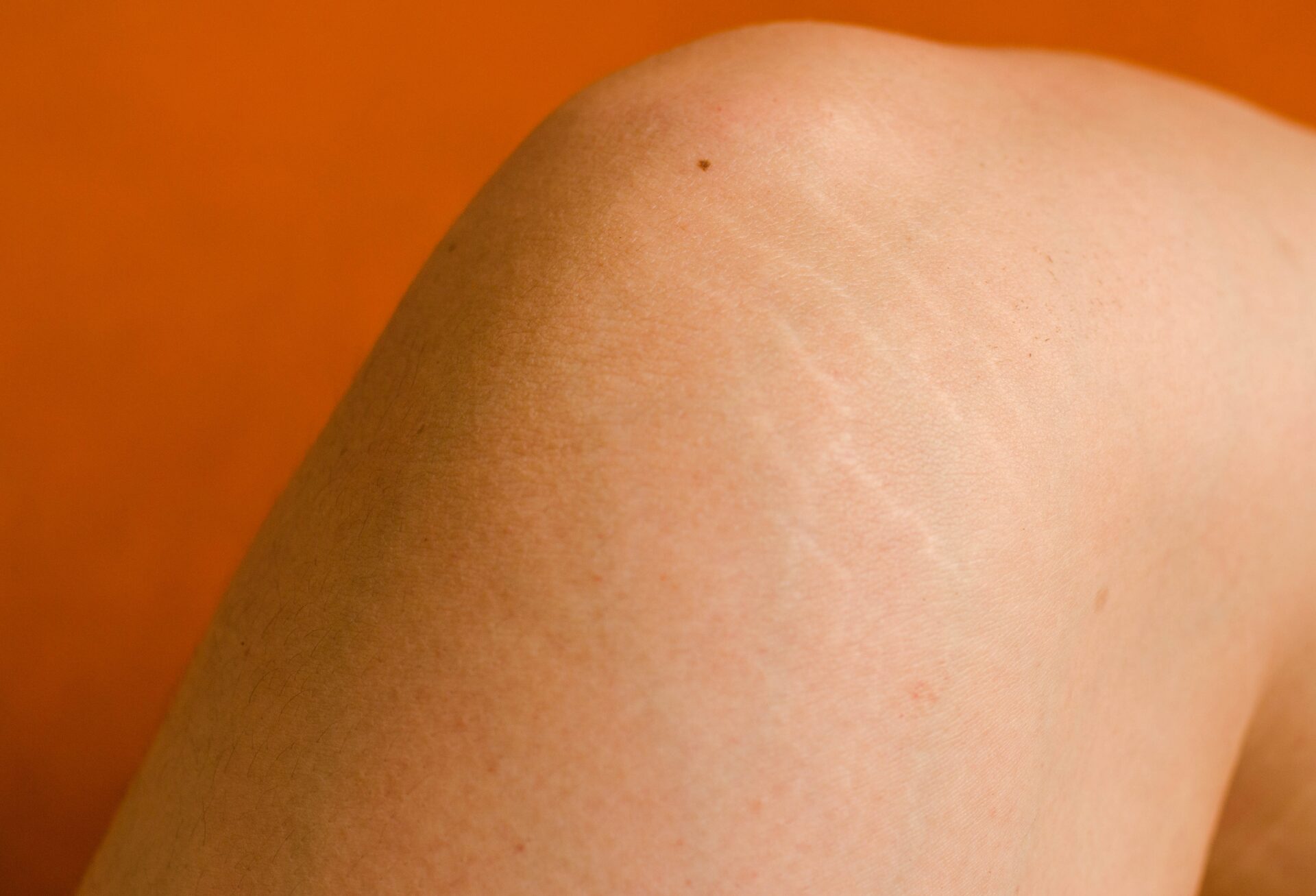
Stretch marks typically appear on areas of the body that undergo significant morphological changes. It’s not uncommon to see them on the stomach and chest (during pregnancy, for instance), the shoulders and underarms (among those who practise bodybuilding) or the hips and thighs (due to weight fluctuations). But it is far less common for them to appear around the knees.

Yet some people do develop stretch marks on their legs, particularly behind the knees, for various reasons:

  • a sudden growth spurt, in teenagers, which causes the skin along the legs to stretch rapidly;
  • sudden and significant weight gain, especially when the weight accumulates primarily in the lower limbs (resulting in stretch marks on the thighs, calves, and also the knees);
  • muscle hypertrophy linked to intensive sport practice (particularly bodybuilding), especially when training heavily targets the legs.

What can you do about stretch marks on the knees?

Once stretch marks have appeared, making them disappear completely is very difficult. They are caused by micro-tears in the skin’s elastic fibres. Once these fibres are broken, they cannot simply be “repaired”. However, it is possible to support healing and skin regeneration. The skin will then produce new collagen fibres to restore its mechanical qualities of suppleness and resilience.

To achieve this, there are several approaches.

1- Home remedies

vergetures-genoux-naturel

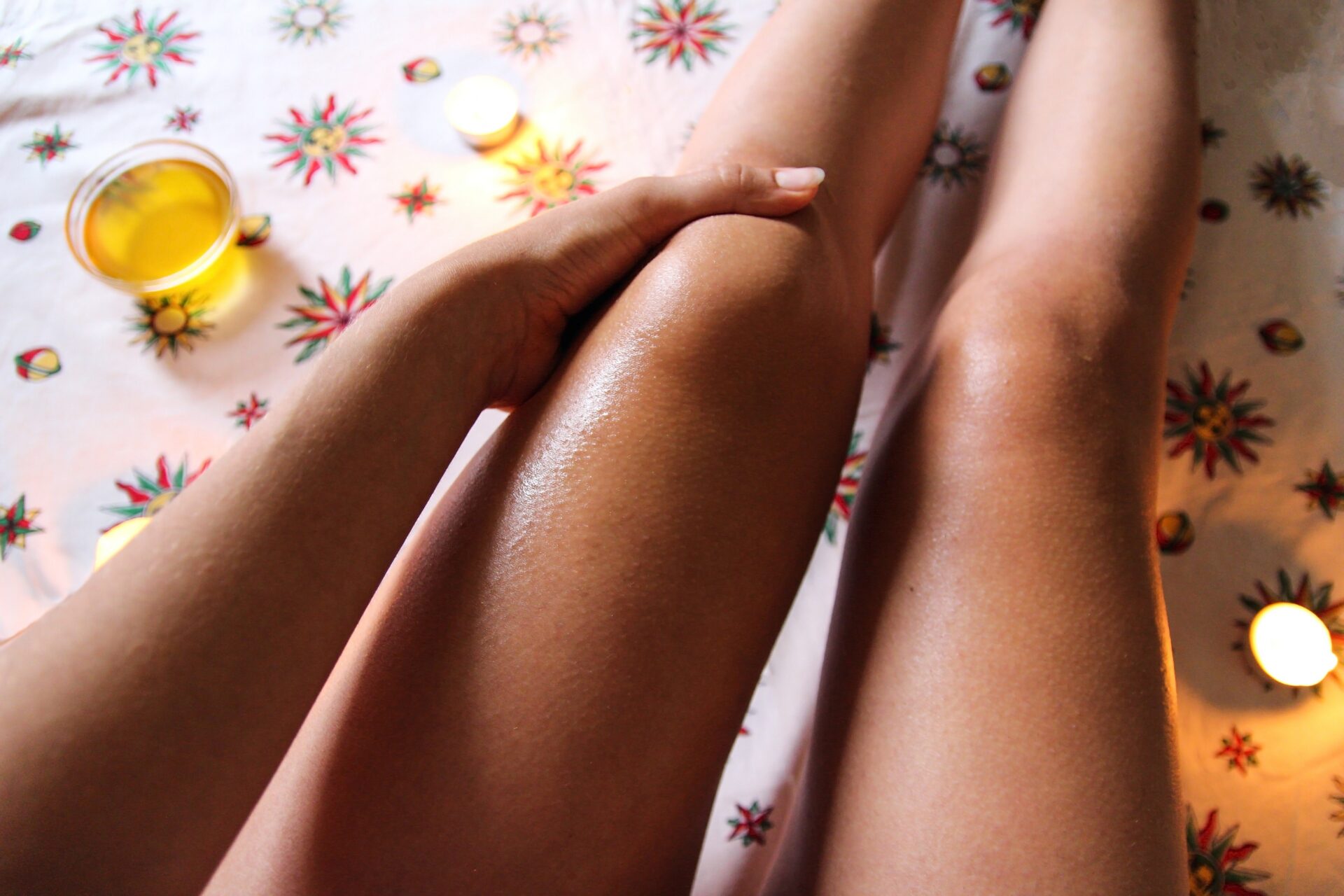
If you’re a fan of traditional remedies or natural, DIY cosmetics, many ingredients can help reduce the appearance of stretch marks. They won’t disappear entirely, but the skin will regain its health.

Natural plant oils and plant butters remain among the best ways to deeply nourish the dermis and keep skin supple. Applying these rich ingredients is just as effective for preventing stretch marks on the knees as it is for treating them. They can be used pure, blended together, or combined with essential oils for greater efficacy.

Poultices can also make a real difference. Think, for example, of compresses soaked in castor oil, green clay or honey, whose anti-inflammatory properties can be beneficial for fresh stretch marks (which are generally coloured).

Older stretch marks, which have turned white, will benefit more from regular exfoliation using baking soda, apricot kernel powder or black soap. Scrubs help smooth the skin’s texture and remove dead cells. Every scrub should be followed by intensive moisturising, using Aloe Vera or a plant oil (sweet almond, sesame, sunflower or argan).

2- Using cosmetic products

vergetures-genoux-cosmétiques

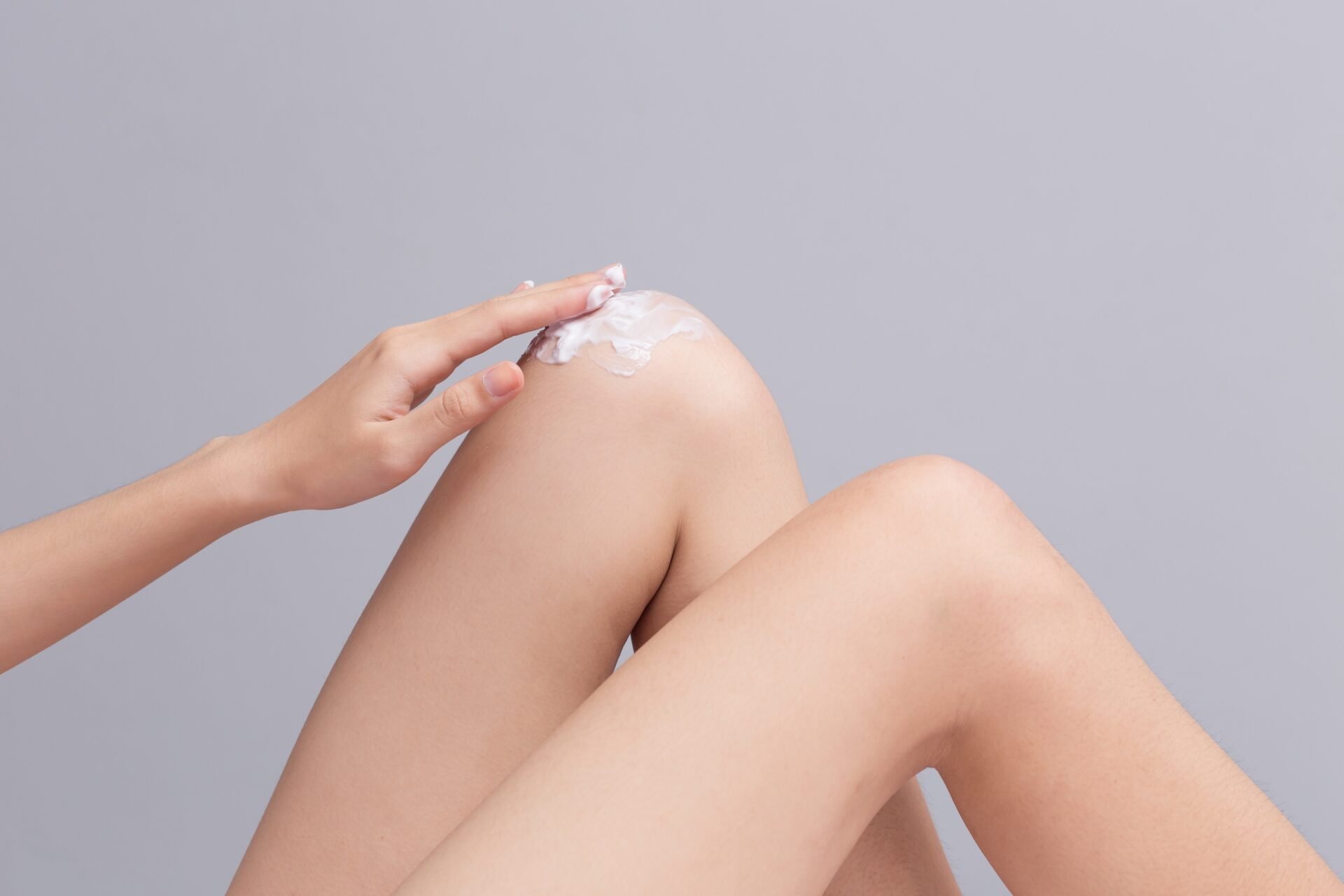
If you prefer a more straightforward approach and would rather use conventional cosmetics to treat stretch marks on your knees, some products are highly effective — provided you choose them carefully and use them every day.

Here too, they can help prevent stretch marks from forming or, if they are already present, treat them effectively to reduce their appearance.

Our stretch mark range includes a number of products designed for this purpose, including:

3- Aesthetic treatment options

vergetures-genoux-médecine

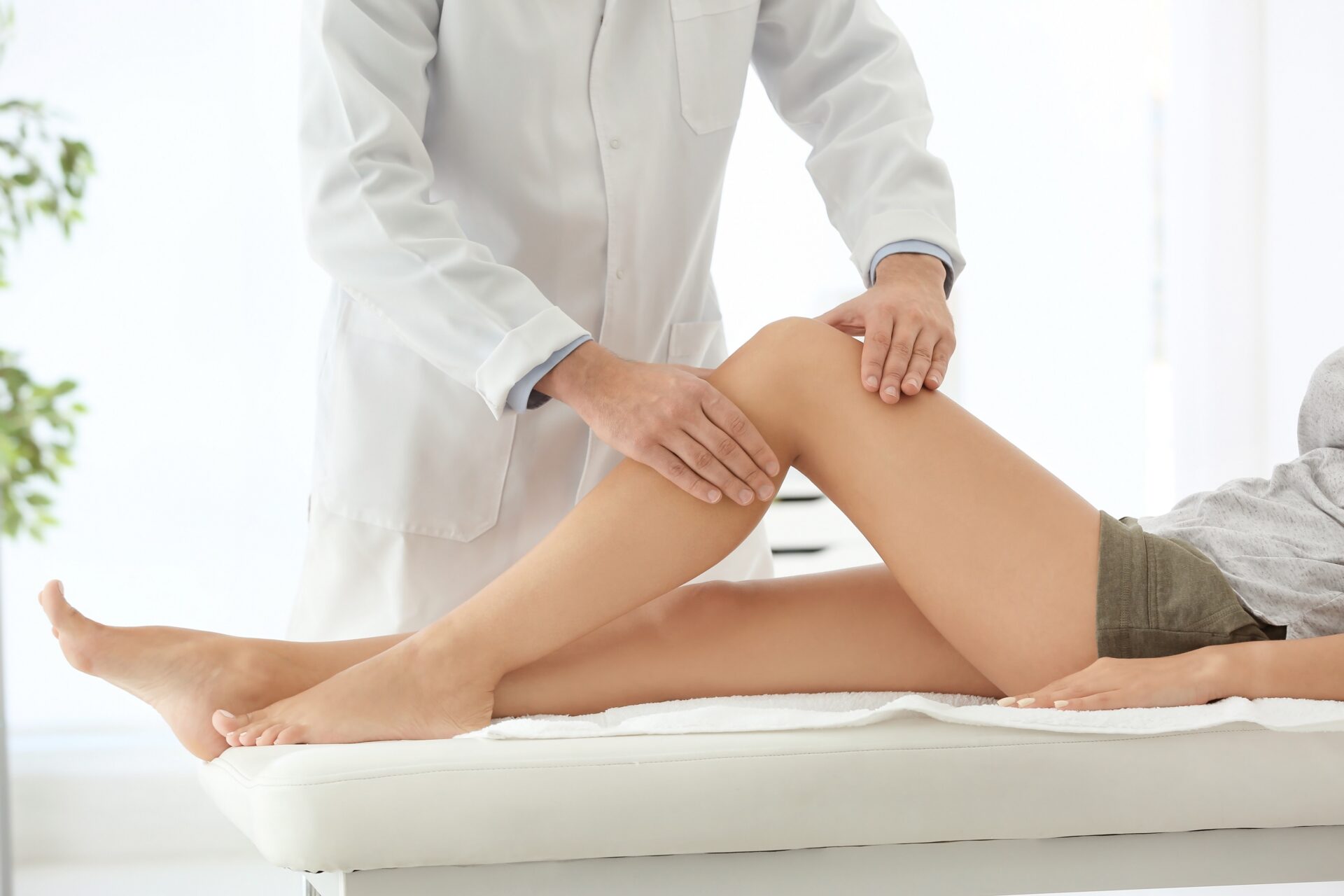
A range of aesthetic medicine procedures, minimally or non-invasive, are now available to help reduce the appearance of stretch marks. Results vary depending on skin receptivity, and these techniques typically require multiple sessions and a significant budget. Among them:

  • plasma injections or carboxytherapy, which involve targeted injections to stimulate blood flow and cell renewal;
  • radiofrequency or LED technology which, through heat transmission, stimulate collagen production;
  • micro-needling and laser treatments, which create a controlled, superficial inflammatory response to encourage skin regeneration;
  • microdermabrasion and peeling which, through more or less deep exfoliation, smooth the skin’s texture and visibly reduce the appearance of stretch marks.

VOUS AIMEREZ AUSSI...