Cosmetic skincare products are essentially made from water and active ingredients (plant-based, mineral, or synthetic). Among them: provitamin B5. But why is it so common in cream formulations? What are its properties? And above all, what are its real benefits for the skin?
What is provitamin B5?
The provitamin B5, also known as panthenol, is the alcohol analogue of vitamin B5. Indeed, both share an almost identical molecular structure, as well as similar effects on the body. When absorbed, provitamin B5 is rapidly converted into vitamin B5 and used by the body for various purposes:
- macronutrient metabolism;
- synthesis of hormones;
- growth and resilience of the skin, hair appendages, and mucous membranes.
Furthermore, provitamin B5 comes in two forms: L-panthenol and D-panthenol. However, only D-panthenol can be converted into vitamin B5 by the body. It is therefore the form most commonly used, particularly in the pharmaceutical sector and the cosmetics industry. It is primarily used as a moisturising agent in skincare products.
What are the properties of provitamin B5?
Provitamin B5 is first and foremost known for its exceptionally high tolerance and very rarely causes allergic reactions or irritation. It is no coincidence that it is trusted in the formulation of baby skincare products, including those designed for the nappy area of infants.
Its second key characteristic is that it penetrates the skin and mucous membranes very easily, which facilitates its oxidation and conversion into vitamin B5. This property applies both when panthenol is applied topically and when it is taken orally (for example, dietary supplements enriched with provitamin B5).
Another property: panthenol has no scent or colour, is highly viscous, and is slightly bitter in taste. It is also hygroscopic, meaning it binds readily to water — making it a go-to ingredient in both pharmaceuticals and cosmetics.
Why apply a provitamin B5-enriched cream to your skin?
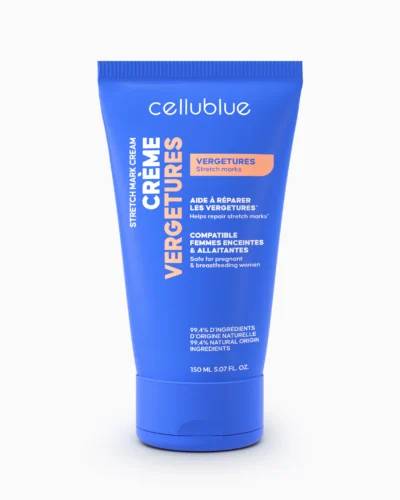
The cream that helps prevent the appearance of stretch marks* and improve how they look
*Consumer test on 22 volunteers over 3 weeks, based on participants' feedback.
- Helps prevent the appearance of stretch marks on the stomach, hips, thighs and bust. Apply morning and night
- Three plant oils: macadamia softens, sunflower soothes and coconut holds in hydration
- Velvety texture: it absorbs easily and calms feelings of tightness
The properties described above shed light on the benefits of provitamin B5: it is a premium cosmetic active ingredient that is at once soothing, moisturising, and restorative.
- Soothing: panthenol helps soothe sensitive skin or skin prone to discomfort. In the event of a wound or painful scar, seek advice from a doctor or healthcare professional.
- Moisturising: much like hyaluronic acid, provitamin B5 attracts and retains water, thanks to its hygroscopic nature and viscous texture. It has good moisturising properties and is suitable for very dry skin, as well as rough or flaky skin. It also supports the quality of the hydrolipidic film (the blend of sweat and sebum that forms a protective barrier on the epidermis), helping to maintain the skin’s hydration. Well-moisturised skin is softer and more supple.
- Restorative: a benefit that follows directly from the above. Skin lacking water can appear dry, less elastic and sometimes flaky, while also losing suppleness and comfort. By supporting hydration, provitamin B5 helps the skin regain comfort and suppleness.
Is provitamin B5 recommended for stretch marks?
It can be included in a skincare routine for areas prone to stretch marks.
As a preventive measure, by helping to maintain good skin hydration, it supports the skin during periods when stretch marks may be more likely to appear (puberty, pregnancy, postpartum, weight fluctuations…). Dry or dehydrated skin may be more prone to stretch marks, as its “mechanical” qualities (elasticity and resilience) can be affected. During pregnancy or after giving birth, seek advice from a healthcare professional about which skincare products to use.
On existing stretch marks, panthenol can help moisturise and soften the skin in marked areas, including new stretch marks that are still red. Regular application of a provitamin B5-based product can help keep the skin comfortable and supple. Gently massage the product into the area until fully absorbed, ideally morning and evening, on clean, dry skin. It can also provide comfort when the skin feels tight (see our advice on itchy stretch marks). Finally, for white stretch marks, it can also have a place in your routine: by supporting hydration, it helps the skin remain supple and comfortable.
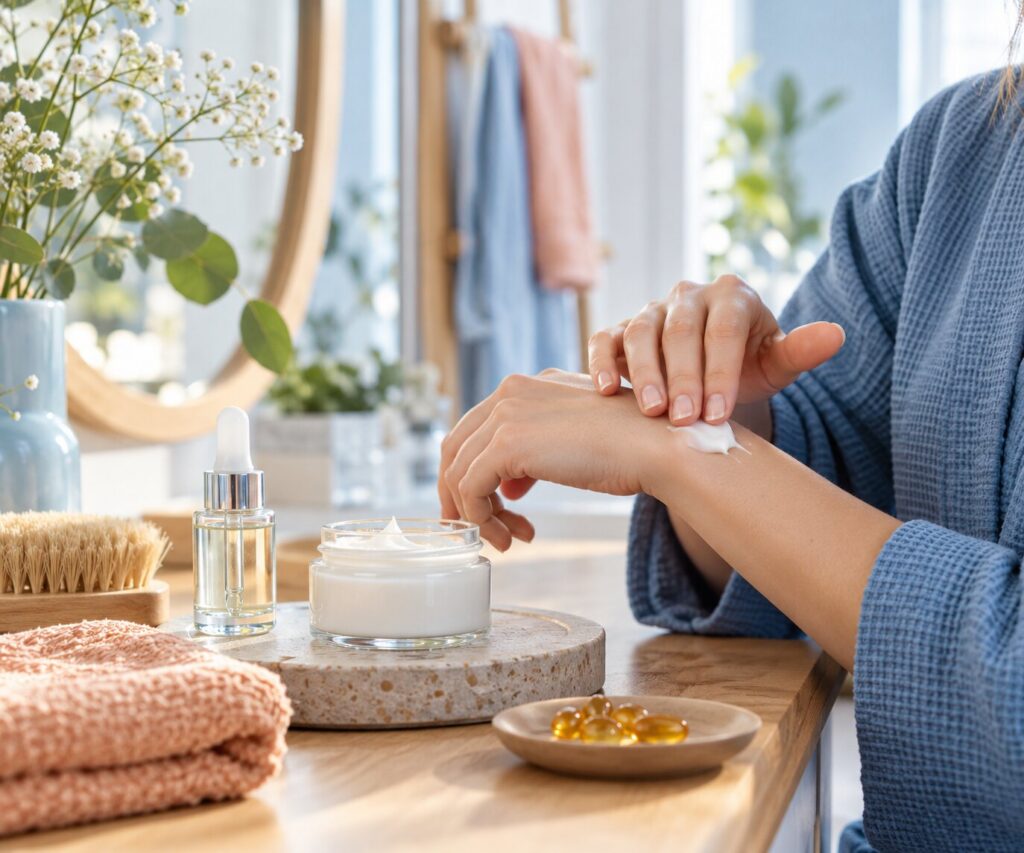
If you’re looking for stretch mark care enriched with provitamin B5, discover our Repairing Cream: it combines nourishing macadamia oil with emollient and moisturising panthenol. It is easy to apply and leaves the skin feeling soft and supple.
Related articles
- Cocoa Butter for Stretch Marks: Does It Work?
- Stretch marks on dark or mixed-race skin: myths and facts
- Does argan oil really work on stretch marks?
Useful categories: Stretch Mark Care, Stretch Mark Solutions.
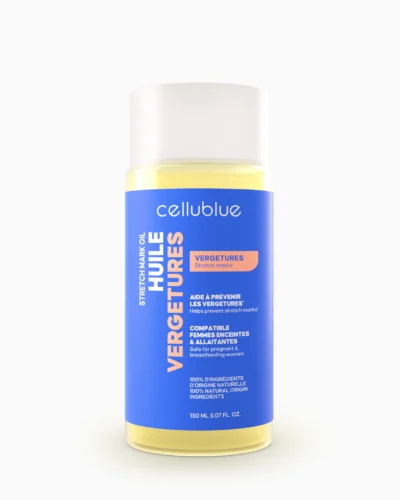
The massage oil that helps prevent stretch marks from appearing*, during pregnancy and beyond
*User test on 21 volunteers over 3 weeks, based on participants' feedback.
- Why does it work?
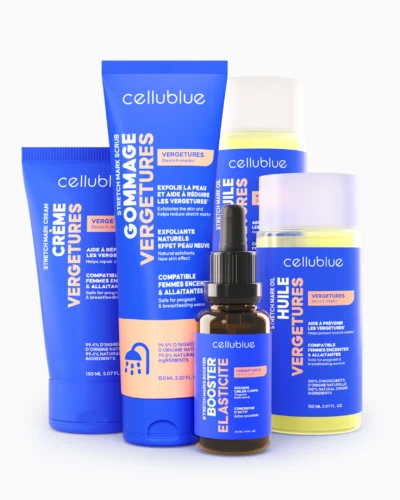
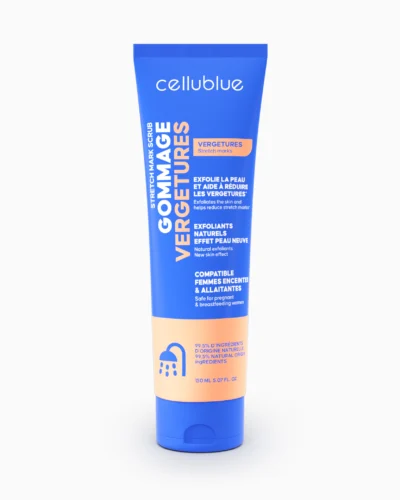
The gentle scrub that helps prevent the appearance of stretch marks* and preps your skin for care
*Usage test on 21 volunteers over 3 weeks, participants' opinions.
- Instructions for use
- Friendly advice