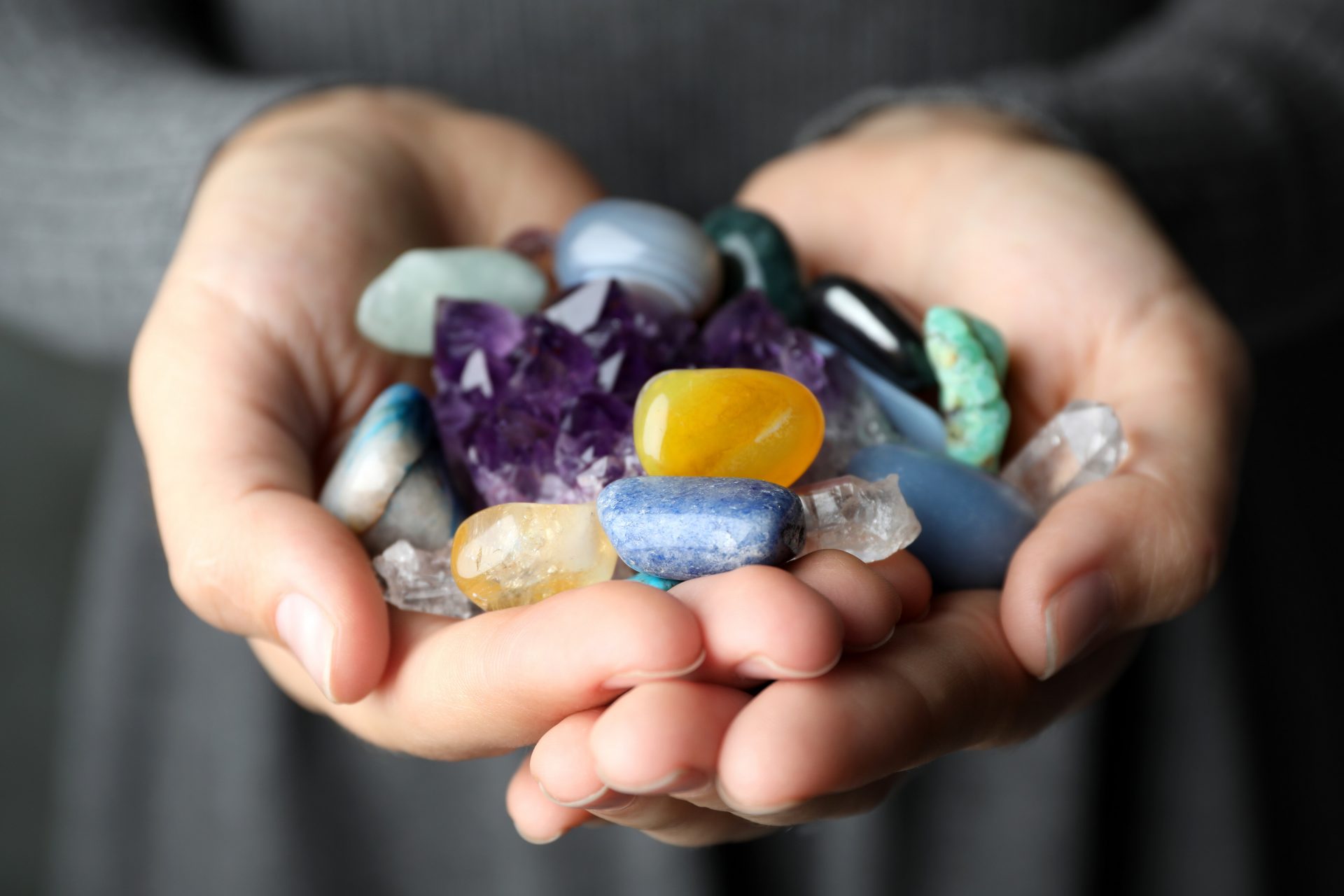
Among the latest esoteric trends, one has been gaining serious momentum: lithotherapy. A growing number of people are surrounding themselves with stones and crystals, believed to bring wellbeing, protection and better health. But what should we make of lithotherapy? And more to the point, could crystals help us tackle everyday concerns like cellulite? Fact or fiction — we investigated so you don’t have to.
Sommaire
What is lithotherapy?
1- Definition
Lithotherapy, from the Greek lithos (stone) and therapeia (cure), is a pseudoscience claiming that stones and crystals, by virtue of their inherent qualities, can heal, soothe and/or protect. The principle is straightforward: each stone is associated with one or more aspects of physical and/or mental health. By “absorbing” the energy of a crystal, one is said to access better health and greater wellbeing.
The properties of each stone depend on:
- Their magnetism
- Their vibrational frequency
- Their composition – since stones are alloys of minerals
- Their colour – lithotherapy being closely linked to chromotherapy
2- Preparation
According to the principles of lithotherapy, stones should not be used as they are. To begin with, they must be chosen with care: origin, purity, shape, size. Next, the crystals must be cleansed before use. This involves submerging them in a glass of salted or distilled water, burying them in soil, or performing a fumigation using incense, purifying plants such as thyme or sage, or certain spices (cinnamon, cloves). After that, the stones must be “recharged”. Several methods exist: exposing the stones to sunlight or moonlight, or wrapping them in fabric alongside a carnelian or quartz, which are said to have the power to “recharge” other crystals.
3- How to use them
Once cleansed and recharged, stones can be used in a variety of ways:
- Simply placed nearby, depending on the intended purpose – under a pillow, on a bedside table, on a desk…
- Worn on the body – as jewellery, in a pocket…
- Placed on strategic points of the body, which often correspond to the chakras of Indian tradition or to the meridians of acupuncture.
- As an elixir – placing the stones in drinking water or in a massage oil.
How effective is lithotherapy against cellulite?
1- What science says…
According to lithotherapy enthusiasts, crystals have the power to address physical and psychological ailments, as well as to protect the body and mind from external influences. Each stone is said to have its own specific properties. Yet the fact remains that no scientific study has ever validated this theory. This is precisely why lithotherapy is classified as a pseudoscience: a discipline that presents itself with a scientific veneer, but lacks both the methodology (the scientific method) and the recognition of a scientific community.
As a result, scientific authorities advise rejecting the principles of lithotherapy. This is the position of Christian Chopin, Research Director at the CNRS, who states clearly that the mineral world is defined by its inertia. Unlike the living world, it produces no energy — with the exception of radioactive minerals, which are highly hazardous to health. In his words, “there is no possible interaction between crystals and the human body.” In short: according to the scientific community, lithotherapy does not heal. By extension, the use of stones cannot in any way be considered a solution for cellulite. The only effect one might expect is a placebo effect — in other words, a self-suggestion of the stones’ efficacy.
2- What lithotherapists say…
Lithotherapy advocates argue that the virtues of stones have been recognised for millennia: in the Middle Ages, in ancient India, in Mongolia and Tibet… Their use later spread to the West in the 1970s, through New Age circles, before reaching a wider audience. The most vocal champion of lithotherapy is Reynald Georges Boschiero, an amateur mineralogist. He claims that the trace elements found in stones act as biocatalysts, capable of influencing our bodies. Furthermore (and still according to him), stones carry a psychological power, a placebo effect and a magnetic resonance capable of acting on our energy.
Stones are also said to:
- Address psychological concerns – anxiety, stress, lack of self-confidence…
- Encourage positive emotions – joy, optimism, vitality, wellbeing…
- Influence external factors – smoother communication, reconciliation, harmonising opinions…
- Ease physical discomforts – sleep, digestion, microcirculation…
What about cellulite? Still according to lithotherapists, by acting directly on veno-lymphatic function, water retention, appetite and the hormonal system, stones could help combat cellulite.
Which stones are best for fighting cellulite?
Everyone is free to form their own opinion on the supposed virtues of lithotherapy. That said, if you are curious about this practice, certain stones are said to be particularly effective against cellulite. Here are just a few:
1- Apatite
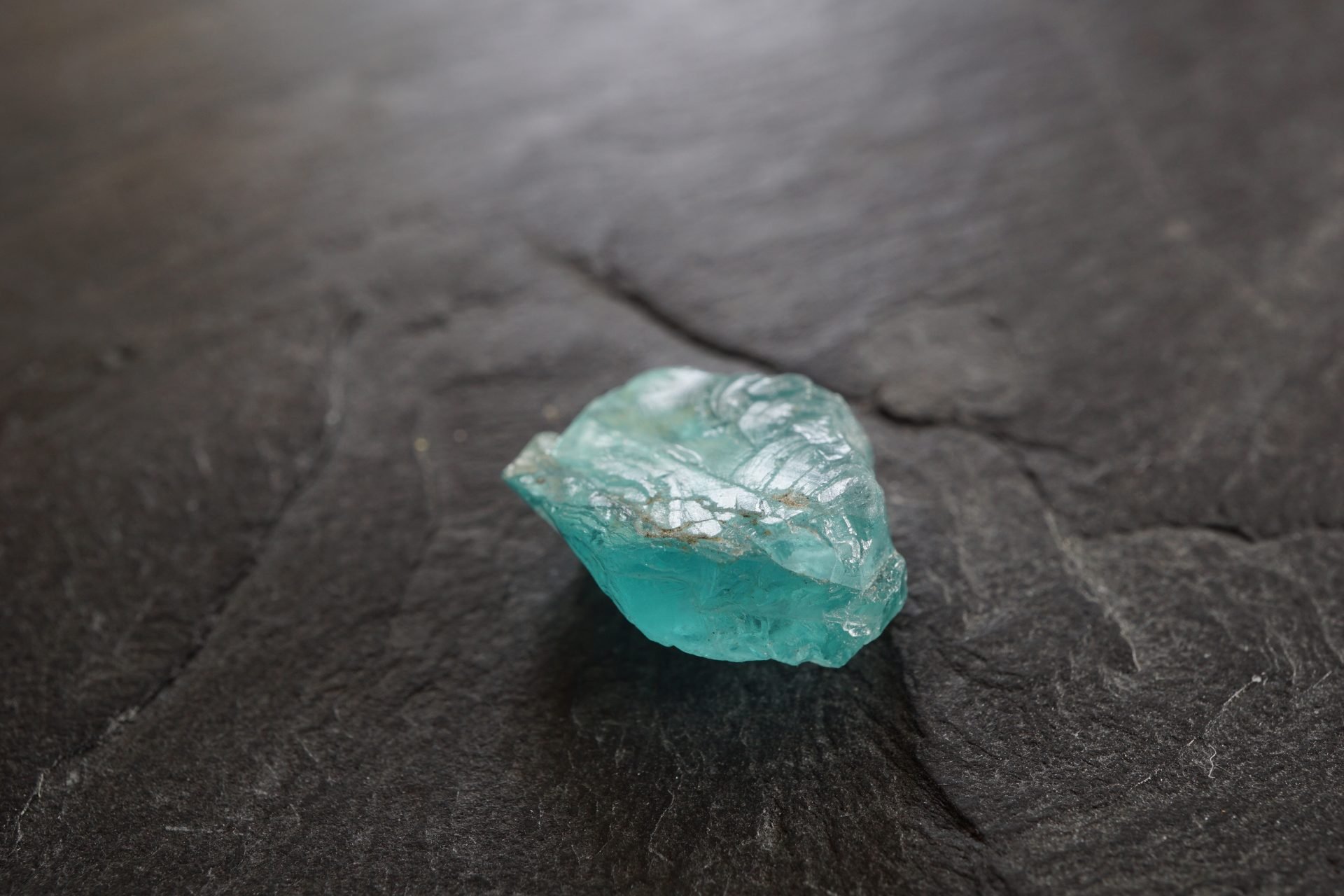
Whether blue, yellow or green, apatite is said to be especially beneficial for those dealing with adipose cellulite or fibrous cellulite. Why? Because both types are closely linked to dietary habits. Apatite is said to act as a natural “appetite suppressant” and help keep food intake in check — preventing weight gain and reducing the consumption of foods that contribute to cellulite. To benefit from its properties, it can be worn as jewellery or used as an elixir.
2- Howlite
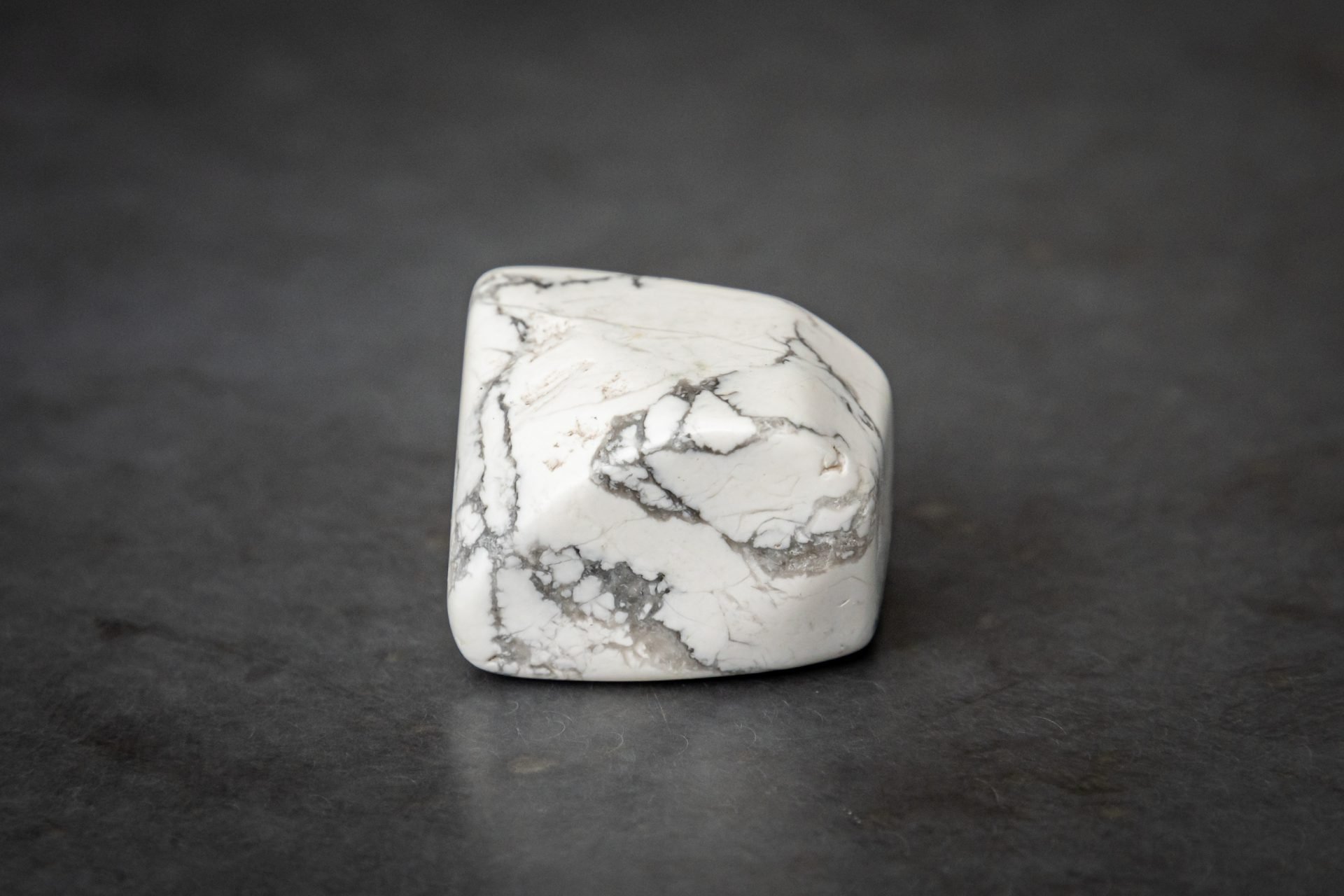
Howlite, a white stone marbled with grey, is said to have diuretic properties. By encouraging urination, it may help limit water retention, which is a contributing factor to aqueous cellulite. It is also considered a purifying stone, capable of stimulating veno-lymphatic circulation. With its strong magnetic resonance, simply placing it nearby is said to be enough to feel its effects.
3- Moonstone
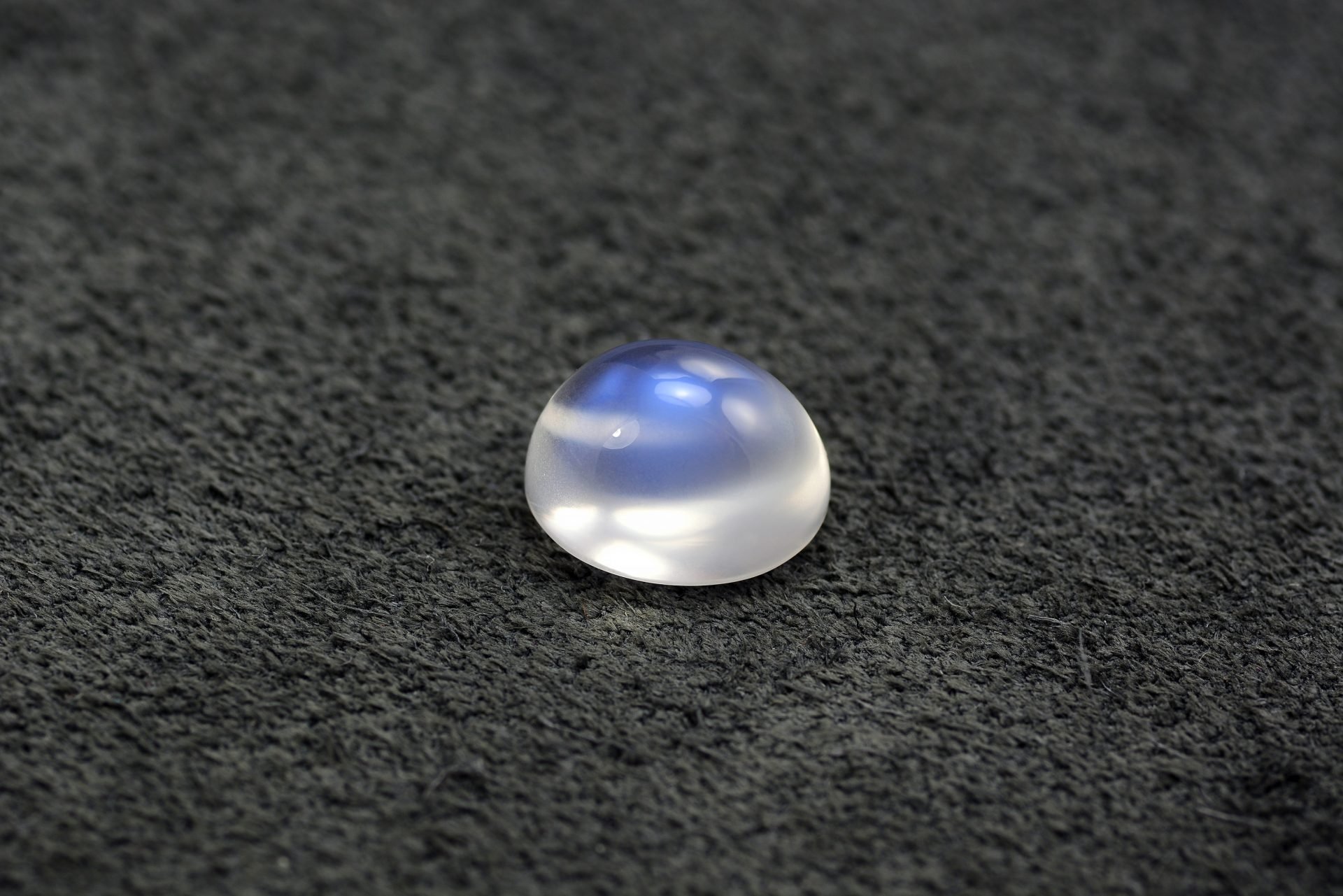
A stone widely used in jewellery for its beautiful pearlescent appearance. But moonstone is also said to offer numerous benefits, particularly for women. It is believed to act as a hormonal regulator, helping to counteract the less pleasant effects of the menstrual cycle: painful periods, PMS, hot flushes, the appearance of cellulite… It is said to ease all lower abdominal discomforts (bloating, digestive issues, menstruation), while supporting the body’s natural detoxification. Wearing it daily is said to be enough to feel the difference.
4- Magnesite
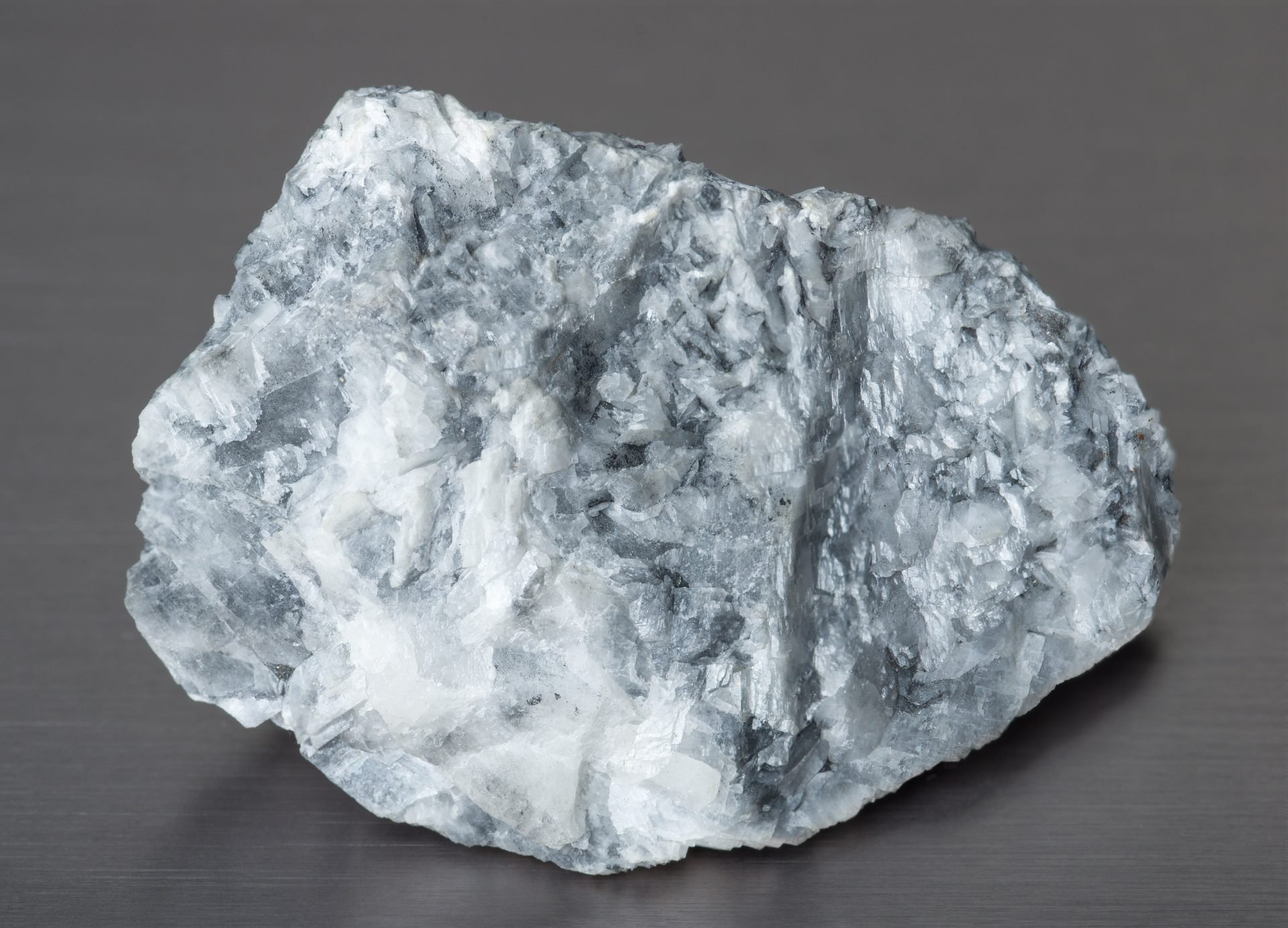
Typically used to ease digestive discomfort and headaches, magnesite is also said to help combat cellulite — thanks to its detoxifying properties. It is believed to help eliminate toxins from the body, as well as excess fat. It could therefore be relevant for all types of cellulite. To benefit from its properties, it should be placed at the root chakra, at the base of the spine, or used as an elixir.
5- Rose quartz
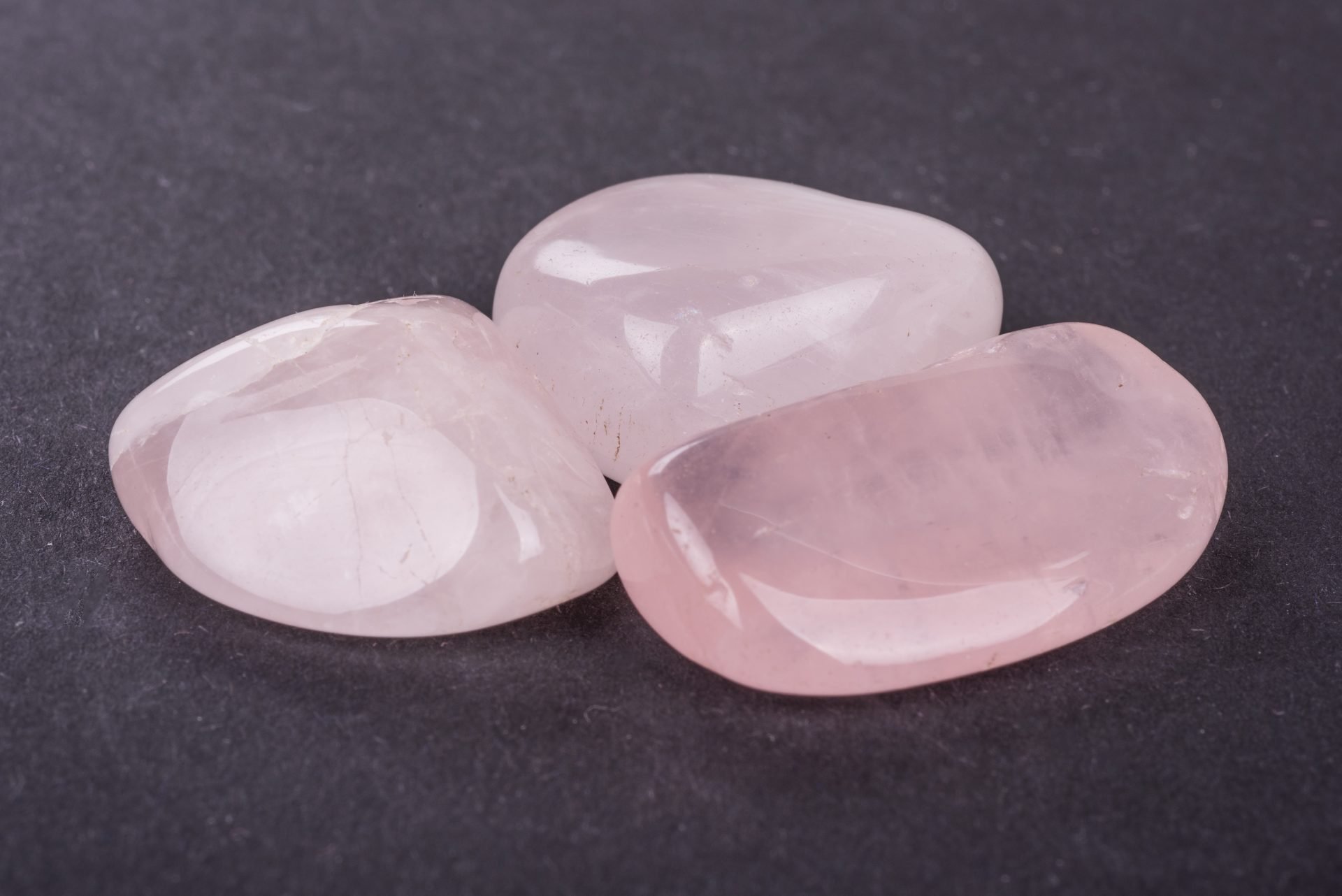
Another stone frequently used in jewellery, often associated with love. It is said to support hormonal health by regulating the endocrine system and facilitating the elimination of toxins through the body’s emunctory organs. It may also improve skin quality and help reduce the dimpled appearance of cellulite. To use it, simply keep it close by on a daily basis. It can also be paired with rock crystal, considered an “amplifying” stone.
6- Seraphinite
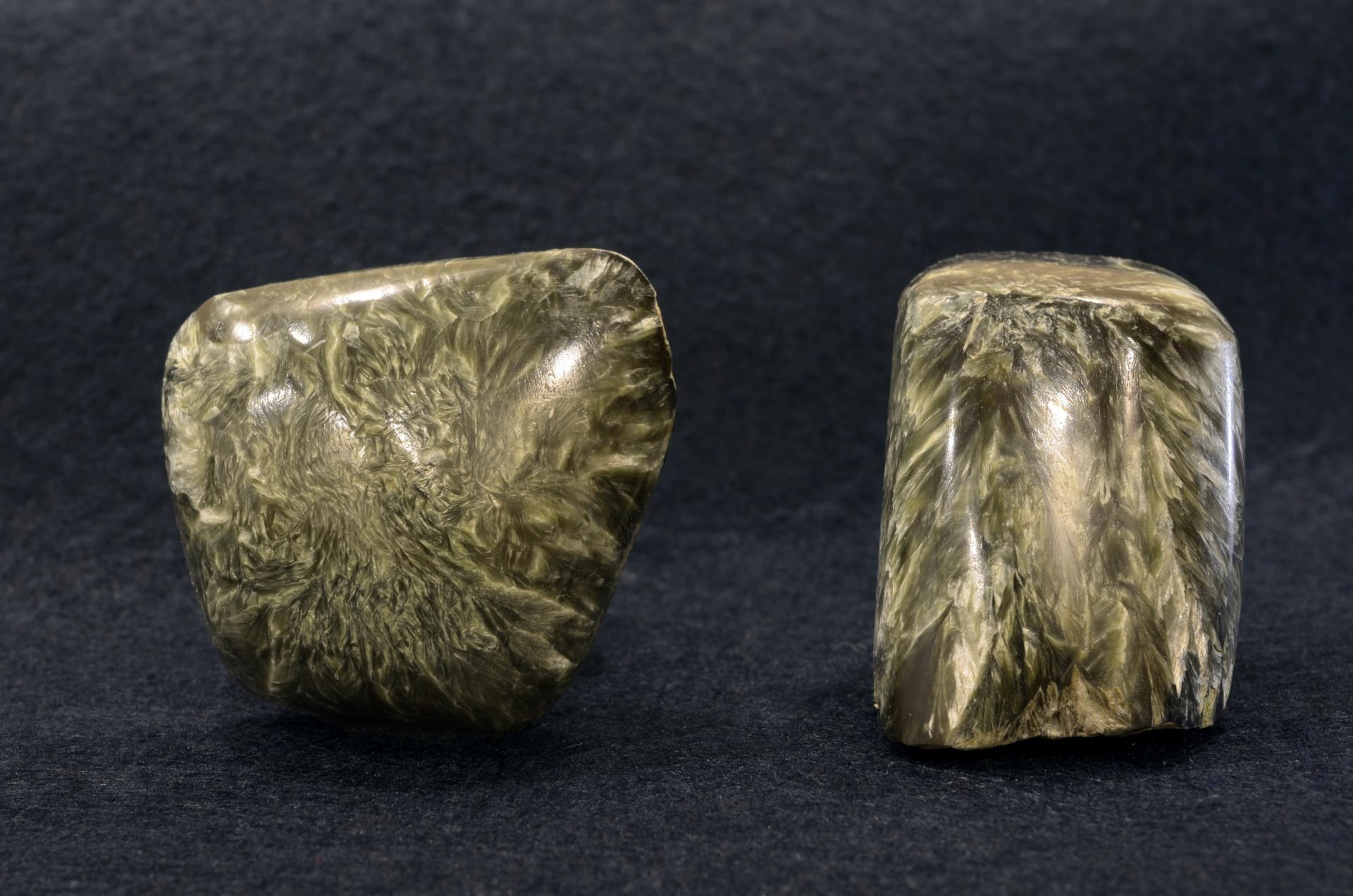
A balancing and stimulating stone for the body, said to act on the various factors behind cellulite: fat reduction and improved elimination. By detoxifying the body as a whole (organs, cells, blood), it is believed to support better balance and greater vitality. To benefit from its properties, it should be placed near the heart chakra — worn as a pendant, for example.
What else can you do to reduce cellulite?
Whether or not you choose to use crystals, one thing is certain: cellulite, a natural phenomenon affecting the vast majority of women, will not fade without a healthy lifestyle. To effectively tackle orange-peel skin, several steps are key:
- A diet that is varied and balanced, low in sugar, salt and saturated fats.
- Regular physical activity, combining daily movement (walking, integrative exercise, active pursuits) with moderate-intensity sport sessions (water-based activities such as swimming or aqua aerobics, as well as cycling or fitness).
- Adequate hydration, as dehydration worsens water retention. Focus primarily on water, but also herbal teas, regular tea, and draining drinks (such as our 3-in-1 Cellulite Drainer!).
- Daily anti-cellulite massages using a cupping device (whether manual, like our Classic Cupping Cup, or electric, like our Heated Electric Cupping Cup!) and a massage oil (such as our iconic Anti-Cellulite Massage Oil)


Related articles
- Can grape pomace help reduce cellulite?
- Ivy for cellulite: does it really work?
- Can Baking Soda Help Reduce Stretch Marks?