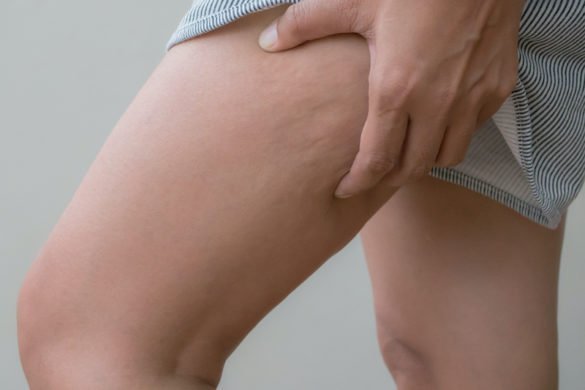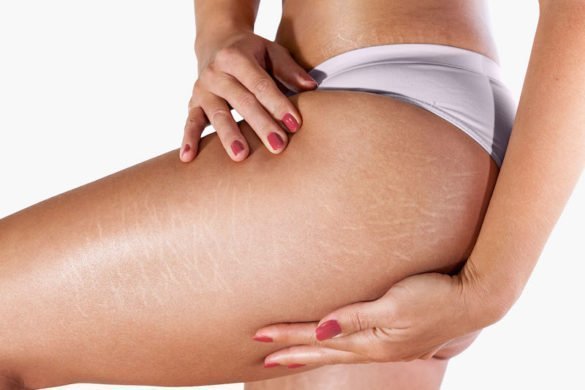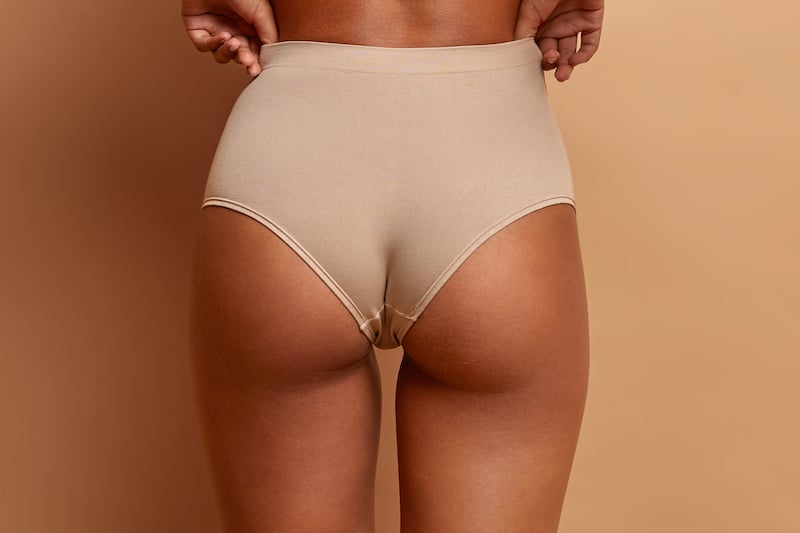
If you’re one of those women who doesn’t have much cellulite but has noticed that it always seems to settle on the back of your thighs, this article is for you! To learn all about this type of cellulite, understand why it builds up on the back of the thighs and discover the everyday habits worth adopting (massage, diet, skincare and exercise), read on.
Why does cellulite develop on the back of the thighs?
1- Cellulite basics
cellulite affects around 90% of women. It is a completely natural phenomenon resulting from women’s predisposition to store fat. That’s right: women, genetically designed to bear children, naturally have a high number of adipocytes, subcutaneous cells responsible for storing fat reserves in preparation for a possible pregnancy. These adipocytes are mainly located in the buttocks, hips and thighs.
Cellulite, or superficial lipodystrophy, is caused by a combination of physiological factors:
- Adipocyte hypertrophy, which alters the structure of connective tissue. The effects are visible to the naked eye on the surface of the skin: it becomes uneven (the famous ‘orange peel’ appearance).
- An excess of metabolic waste and interstitial fluids in the tissues, which creates a swollen appearance. This build-up is often linked to sluggish circulation: water collects in the tissues, which then look puffy. To find out more, read our article on the lymphatic system.
- Sometimes, in the case of long-term cellulite, a disruption of the subcutaneous elastic network can occur, leading to fibrosis.
It can have several causes: a genetic predisposition, hormonal fluctuations, vascular dysfunction (in the case of watery cellulite), poor eating habits (in the case of fatty cellulite), an unbalanced lifestyle…
2- Why does cellulite settle on the back of the thighs?
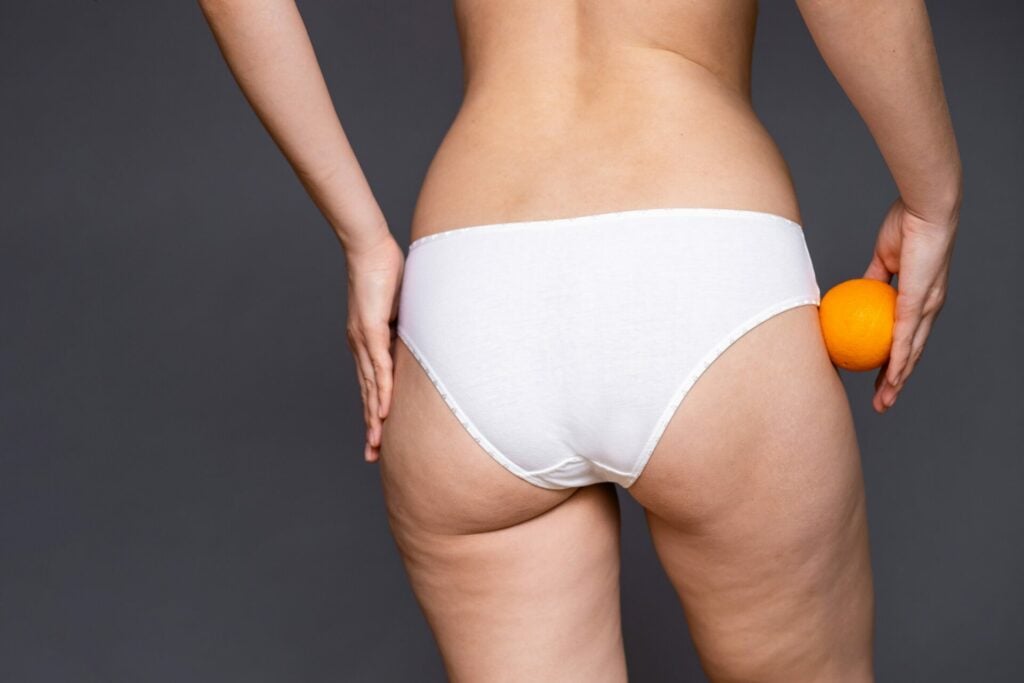
But back to the point: you’d like to know why cellulite is particularly concentrated on the back of your thighs… Here are a few answers to your question:
- As mentioned earlier, adipocytes are concentrated in certain areas of the female body, including the thighs.
- Women who have not gone through menopause naturally tend to store fat in the lower body, due to hormonal activity. As a result, they are more likely to develop cellulite on the thighs, hips, buttocks and even the knees.
- Our sedentary lifestyles also play a role. These days, prolonged sitting (8 hours a day, sometimes more) is the daily reality for most women. This particular posture has its part to play, and water retention is often most noticeable on the back of the thighs.
Cellulite on the back of the thighs: what can you do day to day?
Here are a few essential lifestyle and dietary habits to help you look after your thighs and their appearance.
1- Massage, again and again!

Massaging the area regularly is one way to care for the skin on the back of the thighs. But be careful: anti-cellulite massages shouldn’t be done just any old way! The go-to technique is still the palpate-roll method. However, it’s difficult to do by hand, especially as a self-massage. Thankfully, there are massage tools that are very easy to use. We’re of course thinking of the suction cup, whether classic or electric.
- The Anti-Cellulite Cup classic version, made of soft, skin-friendly silicone, remains a staple accessory. It is used on skin coated with massage oil (like ours!), to recreate the palpate-roll technique on the thighs. Used regularly, suction cup massage becomes a favourite for caring for the skin behind the thighs.
The cupping tool that replicates pinching and rolling, 3 minutes per zone
- The professionals' technique, at home: you lift, glide, and release, and the tool grips the skin fold like a manual pinching and rolling
- Soft silicone that fits thighs, buttocks, stomach, and arms
- 3 minutes per zone, every day, always with a massage oil so the tool glides
- The Electric Cup reproduces the traditional anti-cellulite palpate-roll action. It is used on previously oiled skin and is suitable for all types of cellulite.

Professional anti-cellulite technology at home
- Designed to smooth the look of dimpling & tone the skin in depth
- Visibly smooths the appearance of orange-peel skin
2- Healthy eating habits

An unbalanced diet can show in the appearance of your skin. Too much salt can encourage water retention, and too much sugar, fat storage. We also have a dedicated article on slack skin. When it comes to what’s on your plate, it’s best to adopt healthy eating habits. But what exactly does a balanced diet look like?
- It should be varied and made up mainly of whole foods, prepared at home. Seasonal fruit and vegetables, lean meat, fish, eggs, low-GI complex carbohydrates (wholegrains, pulses, root vegetables).
- Consumption of ready-made foods should be kept in check. Very often, processed foods (even innocent-looking cartons of soup) contain too much salt, sugar, saturated fat and other undesirable additives. In excess, these ingredients can encourage cellulite to form.
- Snacking, sweets, fizzy drinks and alcohol should be limited. Because yes, sugar is best kept to a minimum day to day.
- Your intake of salt should be kept under control, as an excess can encourage water retention. It can therefore be replaced with spices and herbs.
- Lastly, hydration should be generous and mainly water-based. Herbal teas, tea and unsweetened drinks are all welcome.
3- The active ingredients in anti-cellulite skincare
Today, cosmetics offer a wide range of treatments for areas prone to cellulite. Today, anti-cellulite creams and oils contain active ingredients chosen to work on the appearance of dimpling. Of course, natural formulas are always preferable! And to make the most of them, these body treatments need to be applied regularly, with plenty of vigorous massage. In that regard, we’re naturally thinking of this duo:
- Anti-Cellulite Scrub – a grain-based scrub that respects the epidermis and is enriched with caffeine, preparing the skin for further treatments.

The scrub that leaves skin smooth and skin texture refined*
*User test on 21 volunteers over 4 weeks, based on participants' feedback.
- Olive & apricot kernels: these natural grains gently sweep away dead skin cells
- Caffeine & monoi scent, so your shower instantly smells like a holiday
- In the shower, two to three times a week, massaging your thighs, bottom and stomach
- Anti-cellulite cream – a cream that can be used on all areas affected by cellulite (including the back of the thighs!), with a formula designed with dimpling in mind: coffee and green coffee.
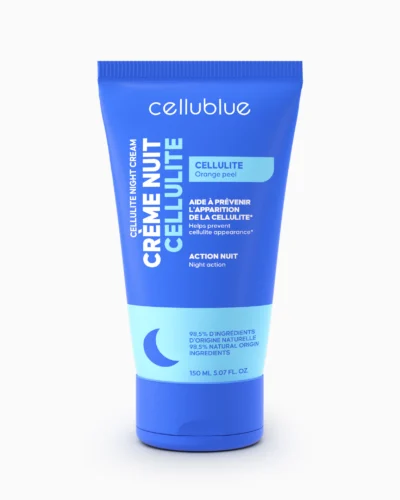
The cream that smooths the appearance of orange peel skin* and tones the skin
*Consumer test on 22 volunteers over 2 weeks, participants' self-assessment.
- Smooths the appearance of orange peel skin on the thighs, buttocks and stomach
- Caffeine & Green Coffee, the two benchmark active ingredients in body care
- Melting texture: absorbs in seconds and leaves the skin feeling comfortable
4- Physical activity against orange peel skin

Exercise has its place in your routine! It goes hand in hand with the other habits presented here (massage, diet and skincare). But again, not all sports are equal: the most worthwhile are those that:
- Lead to significant calorie expenditure: so-called cardio sports, such as running and cycling, or interval sports, such as HIIT.
- Work the legs gently: brisk walking, or water sports (swimming, aqua aerobics, aquabiking), with the water providing a pleasant massage-like feel.
- Be careful with high-impact sports such as tennis, boxing or athletics, especially if you are prone to watery cellulite. These activities, full of jolts and sudden directional changes, put a lot of strain on the legs… and gentler sports may be a better choice.
Cellulite on the back of the thighs and sitting down all day: what can you do?
As we’ve seen, sitting for long periods plays a part in cellulite building up on the back of the thighs. If you spend your days at a desk, a few simple habits can help break up those long stretches without moving: get up regularly to walk around, take the stairs rather than the lift, walk for short journeys or use your lunch break for a quick stroll.
In the evening, take a moment for yourself: a self-massage with the suction cup on skin coated with massage oil, focusing on the back of the thighs, makes for a pleasant ritual to round off the good habits of the day.
As you’ll have gathered, several habits can find their place in your routine to care for the back of your thighs. Above all, they call for consistency.
To build all these habits into your routine and look after the skin behind your thighs, we recommend the complete pack, which brings together all the essential products for your anti-cellulite ritual!
Read also: My express anti-cellulite thigh routine: 10 minutes for a body that looks its best!
Frequently asked questions
How can I tackle cellulite on my thighs?
Consistency is key, so combine several habits: a palpate-roll style massage, which is easier with a suction cup on oiled skin; a scrub followed by an anti-cellulite cream massaged in; a balanced diet; and suitable exercise. Each method is covered in detail in the ‘what can you do’ section of this article.
Why does cellulite settle on the back of the thighs?
The thighs are one of the areas where women have the most adipocytes, and hormonal activity encourages fat storage in the lower body. Sitting for long periods, which is common with today’s sedentary lifestyles, also plays a part, particularly when it comes to water retention on the back of the thighs.
Which sports can I do if I have cellulite on my thighs?
Cardio sports such as running or cycling, HIIT, brisk walking and water sports such as swimming or aquabiking can all be part of an exercise routine. Take care with high-impact sports if you’re prone to watery cellulite, and ask your GP for advice if you have any doubts about the health of your veins.
How can I care for the skin on my bum?
The buttocks are another area where fat is commonly stored, just like the thighs, so the habits described here apply there too. Suction cup massage on oiled skin, a scrub and cream used regularly, a balanced diet and exercise make up a complete routine for looking after the whole area.
Related articles
- How to manage cellulite when you have big thighs
- Flabby thighs and cellulite: your action plan
- Cellulite: don't wait for summer to tackle it!
- CelluBlue suction cup and cellulite: our tips and tricks
Useful categories: Thigh Cellulite, Targeting Cellulite by Area.