CelluliteAnti-Cellulite SolutionsAnti-Cellulite Care Maderotherapy: does it really work against cellulite?

Maderotherapy: does it really work against cellulite?

par
madérothérapie-cellulite

When it comes to cellulite, you may feel like you’ve tried everything — yet it keeps coming back. Could maderotherapy be the ultimate technique against dimples? To find out exactly what it involves and get a clearer picture of this method — which is not as new as it sounds — here’s a closer look at this toning massage practice that uses wooden tools.

What is maderotherapy?

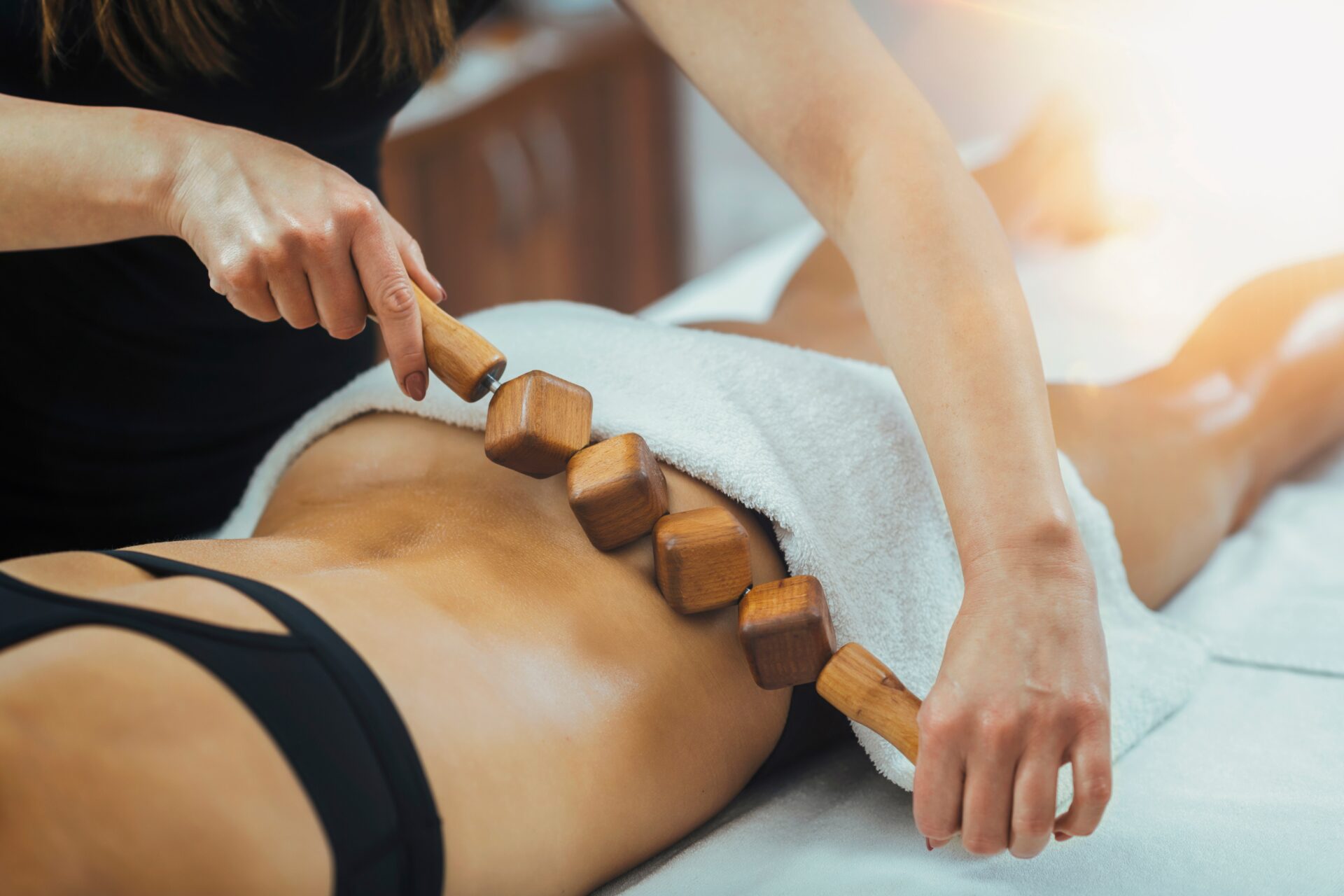
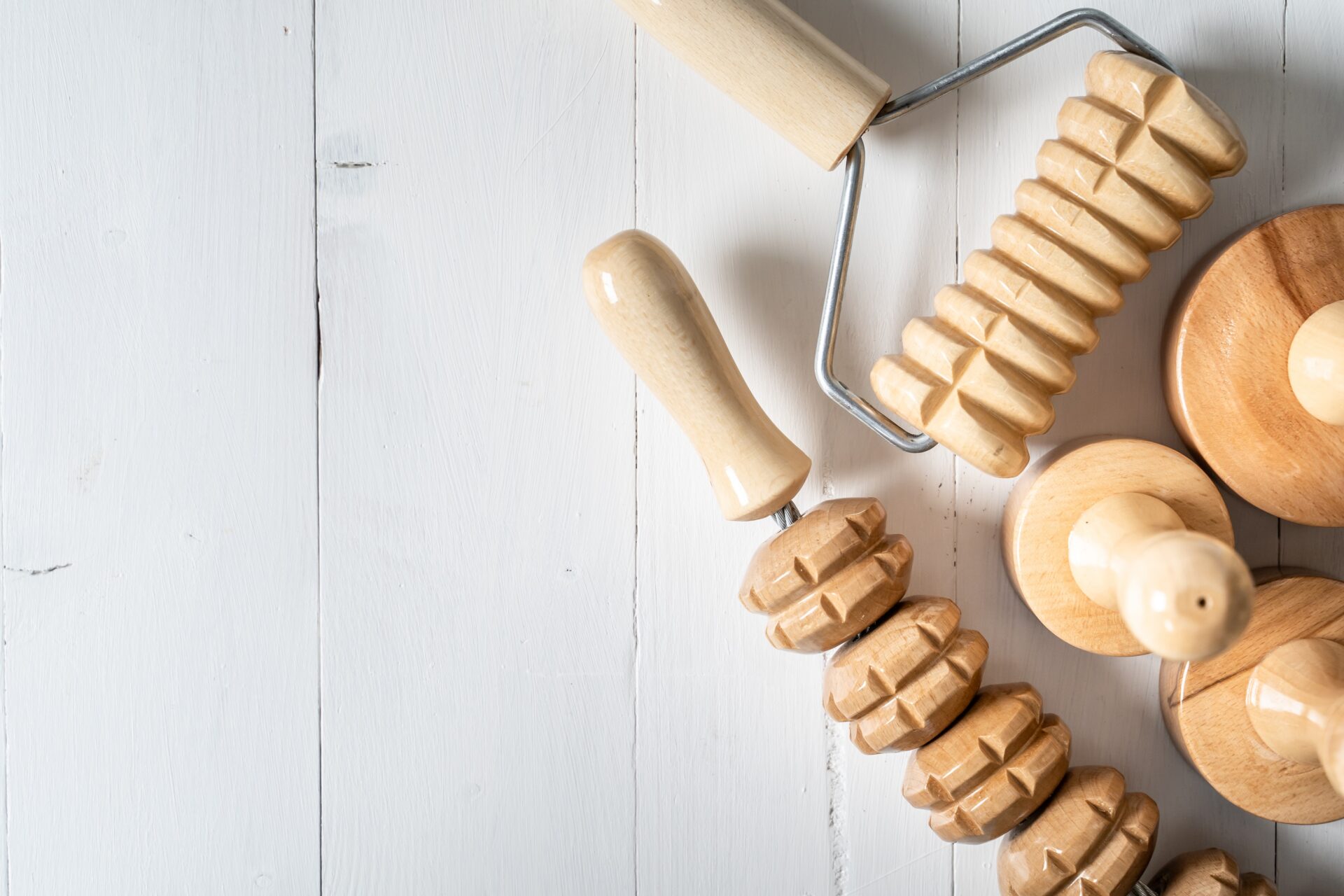
Maderotherapy, or wood therapy, is a massage technique that involves massaging the body using wooden tools. These instruments come in various sizes and shapes, each designed to perfectly adapt to different areas of the body. Their form also varies depending on their intended function. There are several types: cube rollers, cups, ridged rollers… Originally, they were fairly rudimentary and not very flexible. But over time, their design has been refined to the point where maderotherapy stimulation is now completely painless.

Maderotherapy can be applied to almost the entire body: the legs, abdomen, waist, the hips, back, arms, and even the face. It is based on the principle of friction massage. It can also be performed using plant-based oils, balms, serums, or even essential oil blends, depending on the individual’s needs. It is suitable for most people, though it is contraindicated for those with high blood pressure, capillary or venous fragility (inflammation, history of thrombosis), cardiac or renal conditions, or skin disorders.

What are the benefits of maderotherapy?

madérothérapie-cellulite-bienfaits

What are the benefits of maderotherapy?

Maderotherapy is used for both medical and aesthetic purposes.

1- Medical applications

This therapy may:

  • Improve veno-lymphatic insufficiency
  • Relieve the sensation of heavy legs
  • Address muscle and tendon tension issues
  • Ease chronic pain
  • Promote relaxation and recovery

2- Aesthetic applications

Maderotherapy is primarily used to target cellulite. It works on the various components of superficial lipodystrophy by:

  • Toning and firming the skin
  • Boosting collagen production
  • Stimulating veno-lymphatic circulation
  • Relieving the skin of potential water retention
  • Stimulating connective tissue and promoting adipocyte drainage
  • Reshaping the silhouette

Maderotherapy can therefore be used to address all types of cellulite. Adipose cellulite benefits from subcutaneous stimulation, as friction encourages adipocyte drainage. Aqueous cellulite is reduced, as maderotherapy boosts lymphatic flow and limits water retention. Finally, the technique is also suited to treating fibrous cellulite, by targeting fibrosis (firming effect, elasticity stimulation).

It’s worth noting that facial maderotherapy also exists. It acts as an anti-ageing treatment, with firming effects, stimulation of elastic fibres, and a reduction in the sagging and loss of firmness that come with age. It can also help reduce a double chin, which is a common concern for many people.

Which wooden tools are used in maderotherapy?

madérothérapie-cellulite-instruments

Each tool is designed for a specific area of the body and a particular purpose:

The ridged roller firms the skin and tones microcirculation.

The cube roller is used to drain subcutaneous fat. It is particularly effective on the hips, buttocks, thighs and waist.

The sculpting board is also used to reduce the density of adipose tissue while stimulating the circulation of lymph and water.

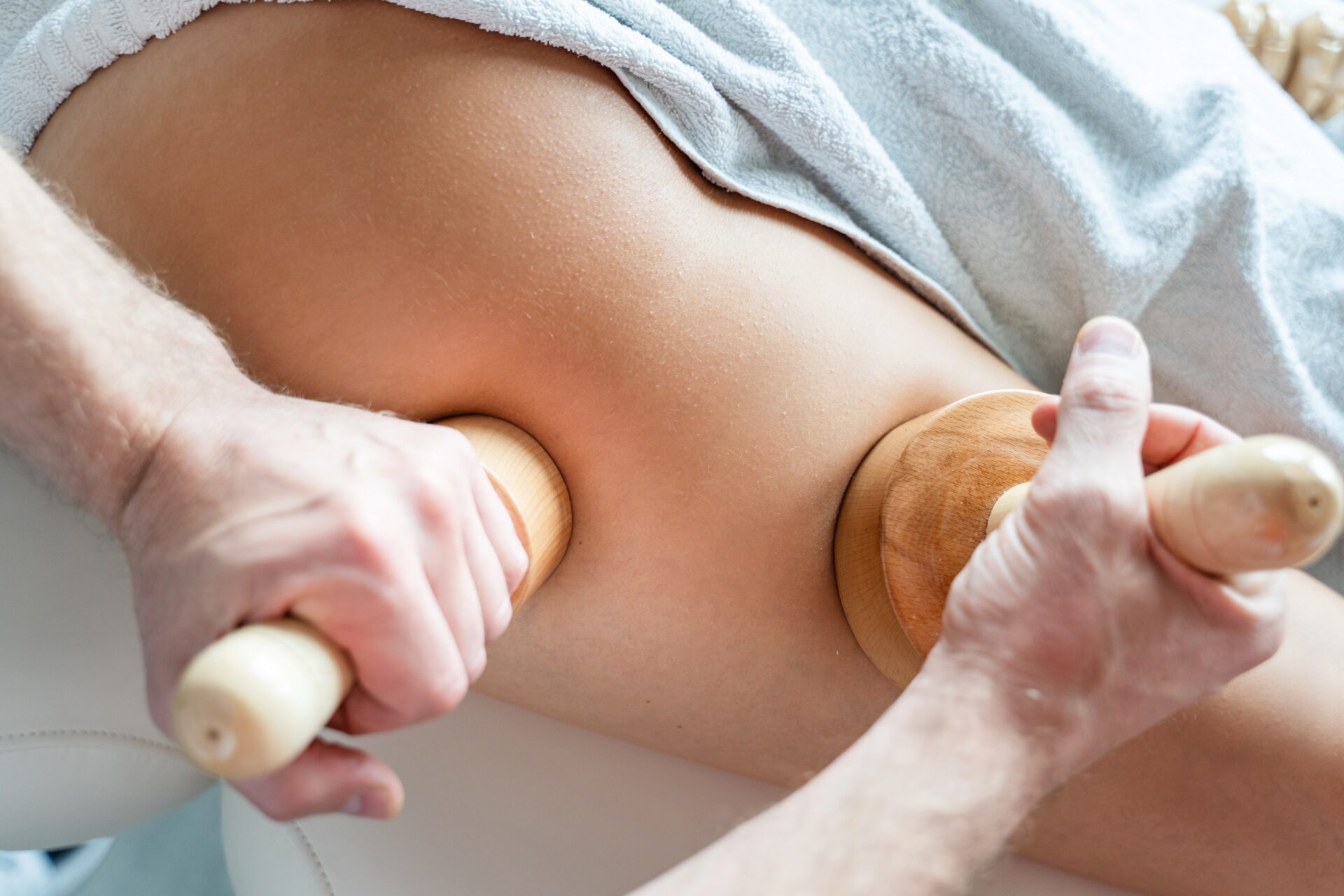
The cups, which are reminiscent of our suction cup or those used in cupping (except that they are made of wood) are more specifically designed for localised massages. The wheel cup is recommended for treating deep-set cellulite, particularly on the arms and buttocks. The simple cup can be used on any part of the body to stimulate blood flow. The spiked cup is ideal for stubborn, localised fat deposits.

Can maderotherapy be practised at home, and are there alternatives?

It is possible to try maderotherapy at home, provided you invest in quality wooden tools and a good massage oil — and above all, that you follow tutorials before getting started. There are books dedicated to maderotherapy: reading up before you begin is not only possible, it’s highly recommended!

Maderotherapy treatments are also available at many beauty salons. Staff are generally trained in both the technique (friction massage, lymphatic drainage) and the various tools. The expert hands of a massage professional are always a great option. Bear in mind, however, that maderotherapy will require several sessions before delivering visible results on cellulite.

Finally, if you’re looking for a similar treatment, there’s always the Cellublue option: our Ventouse Cellulite and our Masseur Peau d’orange, combined with our Huile Massage Anti-Cellulite, have also proven their effectiveness against dimples! The suction cup faithfully replicates the pinch-and-roll technique, a tried-and-tested method for anti-cellulite massage. As for the orange-peel massager, it gently reactivates fluid circulation. Use them as an alternative or complement to maderotherapy, and you’ll be well on your way to smoother-looking skin!


VOUS AIMEREZ AUSSI...