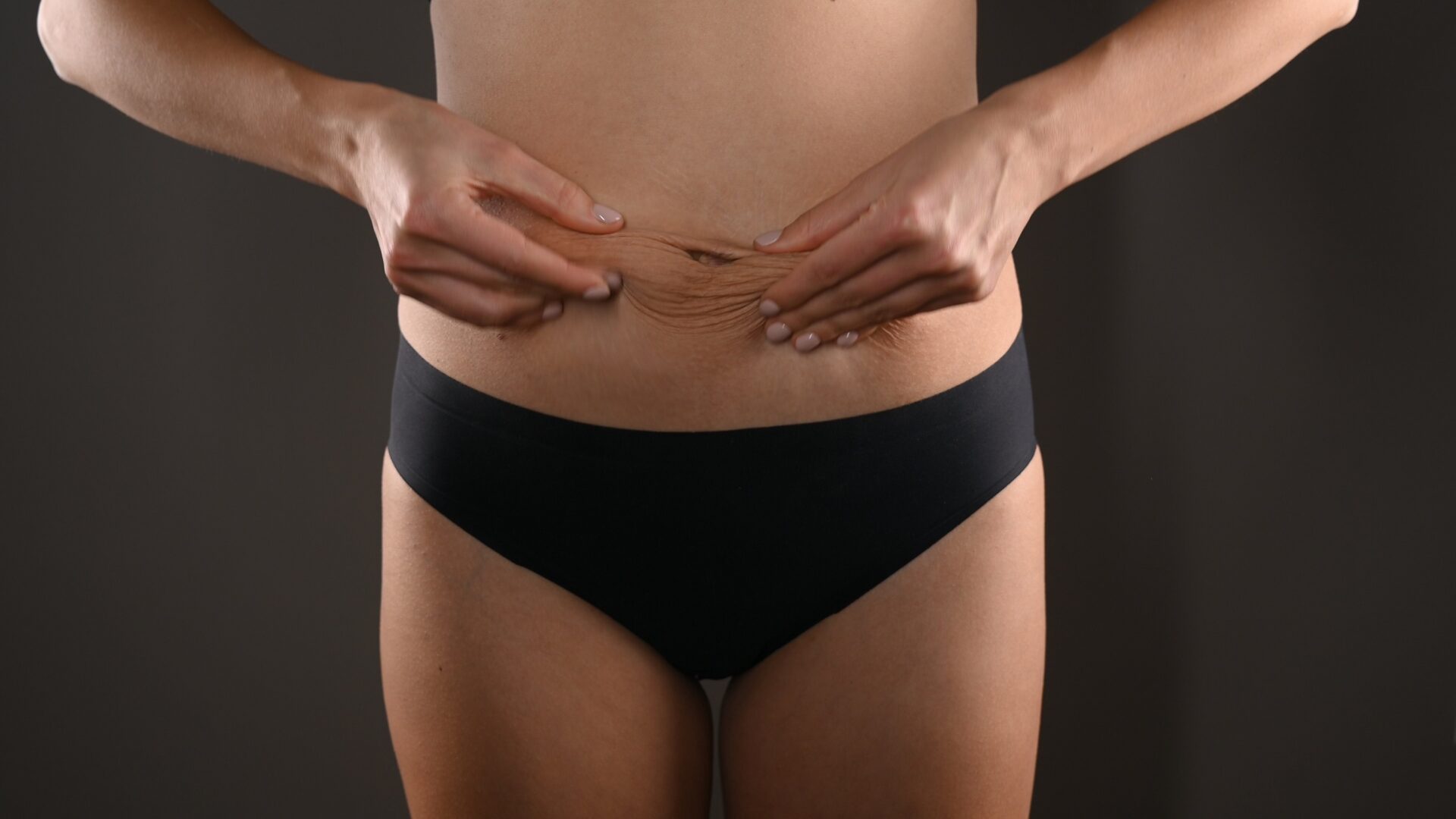
You’ve noticed a change in your skin lately: it looks less smooth, duller, and seems to be losing its firmness… But what causes sagging skin, and what can you do to prevent this type of skin deterioration? Here are the reasons behind skin sagging and, most importantly, tips to help you prevent it!
Sommaire
What are the main causes of sagging skin?
Sagging skin, a common yet unwelcome phenomenon, manifests in several ways:
- A loss of elasticity leading to skin laxity and ptosis (or “ loose, hanging skin “)
- A loss of volume
- Increased wrinkling
It can be caused by a wide range of factors.
1- Age
This is the primary and most common reason. Ageing leads to skin deterioration, as the body produces less collagen and hyaluronic acid while its elastin reserves diminish. The skin gradually loses its ability to retain moisture, its resilience and its suppleness. It then tends to sag, stretch and take on a more flaccid appearance. Add to this the inevitable muscle loss that comes with age. We lose around 40% of our muscle mass between the ages of 40 and 90. As the connective tissue — the link between the epidermis and muscle tissue — becomes less dense and less resistant, the skin tends to sag.
2- Hormones

A second cause closely linked to the first. Certain events in a woman’s life can have a direct impact on skin quality, as they involve intense hormonal fluctuations:
- Pregnancy, which triggers a surge in female sex hormones followed by a sharp drop after childbirth. These hormonal ups and downs take a toll on skin firmness. Not to mention the stretching of the belly skin, caused by the baby’s growth, weight gain (normal fat storage) and the increase in breast volume (development of the mammary glands in preparation for breastfeeding).
- Menopause, as oestrogen and progesterone levels drop sharply. These hormones are key to maintaining skin elasticity and hydration. The skin becomes drier and softer, resulting in an epidermis that appears sagging and lacking volume.
3- Weight loss
If weight loss is rapid and significant, it can lead to sagging skin. Three factors explain this:
- Muscle atrophy, because when we lose weight, we unfortunately don’t only lose fat!
- Weakening of the dermis, as skin that was previously taut suddenly relaxes due to the loss of volume.
- Excess skin, because the skin’s ability to retract is limited.
A weight loss that is gradual and moderate should not, however, cause dramatic skin sagging.
4- Lack of hydration
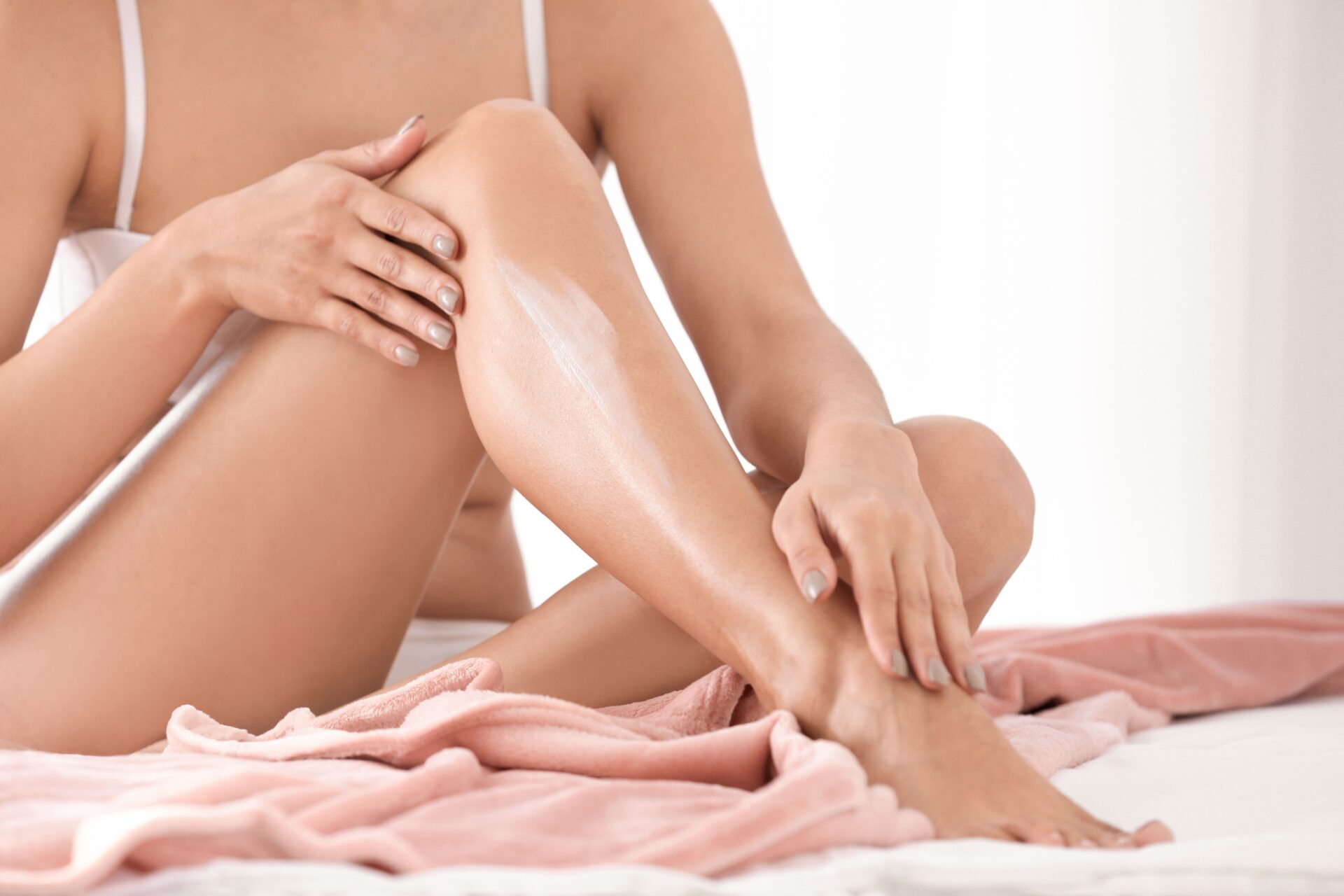
Dehydrated skin can lead to sagging and flaccidity. The skin is made up of 70% water: deprive it of this resource, and it will quickly show signs of distress. Tightness, a feeling of dryness, loss of suppleness and volume, a “creased” appearance. Over time, it’s no surprise that the skin begins to sag, as its cellular matrix becomes compromised and the fibroblasts responsible for collagen production can no longer regenerate properly.
5- Lack of physical activity
As already mentioned, muscle loss can lead to skin sagging. The fascia — fibro-elastic membranes that envelop the muscles — can become distended if muscle volume decreases. And muscle can only be maintained through exercise. A lack of physical activity over time can therefore contribute to sagging skin.
6- Other contributing factors

Other causes can also lead to skin sagging. Among them:
- Stress, as sustained and/or elevated cortisol secretion affects skin resilience and elasticity.
- Sun exposure, as the accumulation of free radicals in the body weakens cellular health.
- The consumption of harmful substances such as tobacco and alcohol, which cause dehydration, impair blood circulation and trigger inflammation — all detrimental to the skin.
- Genetics, as we often inherit our skin quality from our parents.
- Nutrition, as a diet that is nutritionally poor and/or high in pro-inflammatory foods can affect skin firmness.
Steps to take against sagging skin
1- Diet
To help prevent sagging skin, a good starting point is a well-balanced diet. Certain micronutrients are particularly beneficial for skin health. Here’s what to put on your plate:
- Seafood: both oily fish, rich in essential fatty acids, and shellfish, whose zinc and copper content supports collagen production in the skin.
- Fruits and vegetables: they provide vitamin C, provitamin A and the water the skin needs to stay youthful and toned.
- Legumes: their richness in vitamin B5, iron and selenium helps maintain hydration (and therefore firmness) and protects the skin.
- Nuts and oilseeds: rich in unsaturated fats, they help maintain the skin’s hydrolipidic film.
- Eggs and dairy products: their vitamin A content supports healthy cellular cohesion in the skin.
A healthy, varied diet made up of whole, home-cooked foods is one of the best ways to prevent sagging skin.
2- Hydration
And here we mean hydration from both the inside and the outside! Since the skin is made up of 70% water, maintaining this level is essential for a healthy complexion (cellular regeneration, preservation of the hydrolipidic film, toxin drainage). Otherwise, sagging is inevitable! There are two ways to act:
- Through what you drink: aim for 1.5 to 2 litres of water a day, supplemented with tea, herbal infusions, homemade fresh juices, soups and broths.
- Through skincare: moisturising cream, serum, rich body lotion… When it comes to skin hydration, the options are endless! We particularly recommend our stretch mark range: our Stretch Mark Serum and our Repairing Cream are well worth considering. Their natural formulas, emollient textures and nourishing, softening properties not only hydrate the skin but also help lock moisture into the deeper layers of the epidermis. Bonus: skin sagging is sometimes accompanied by stretch marks. Regular use of our products offers both a preventive and corrective approach. A doubly effective routine!
3- Physical activity
As mentioned earlier, muscle loss plays a role in skin sagging. To prevent laxity and ptosis, keeping muscles strong is essential. The key? Keep moving! All forms of activity benefit skin health — from everyday movement (walking, leisure activities, gardening, DIY…) to dedicated sport. One recommendation: if you exercise outdoors, always apply a high-SPF sunscreen beforehand. The sun remains the skin’s number one enemy and, if left unprotected, can have a lasting negative impact on its quality.
4- Skincare

Beyond pure hydration, you can round out your anti-sagging routine with a few additional steps:
- Massages with a natural plant-based oil, which will tone the dermis while nourishing it. Explore our range of oils: Dry Slimming Oil, Anti-Cellulite Massage Oil or Anti-Stretch Mark Oil, depending on your needs.
- Exfoliation, to encourage the removal of dead skin cells and boost microcirculation. Kessa mitt, brush (like ours!), exfoliating scrub (like ours!)
As you can see, there are many ways to tackle sagging skin. The key is to combine different approaches — nutrition, protection, healthy lifestyle habits and targeted skincare — to achieve beautiful skin that looks and feels its best.