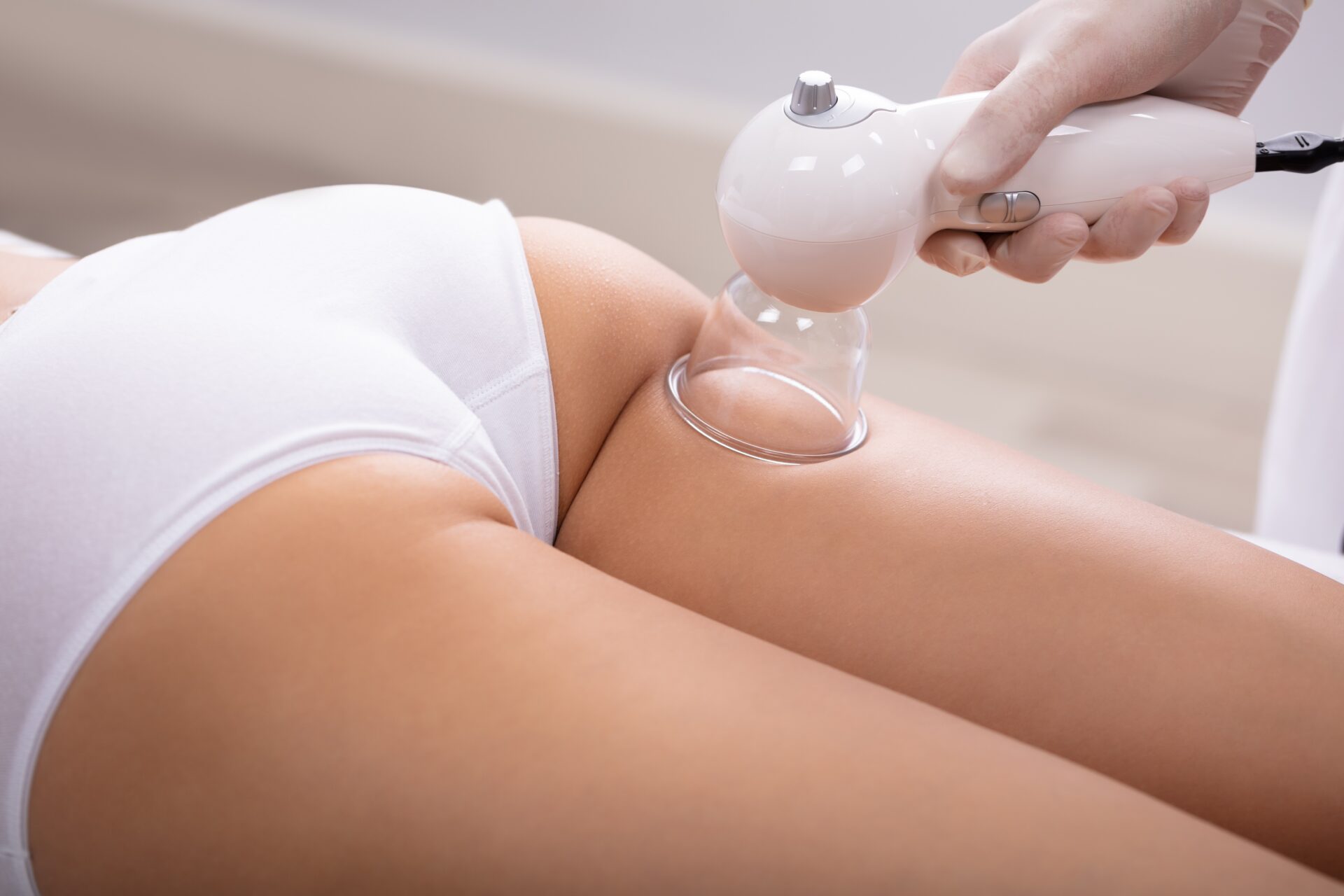
You’re struggling with cellulite and don’t know where to turn. Between massage devices, creams of all kinds, and manual massagers, it’s easy to feel lost. The latest tool on the scene: the anti-cellulite vacuum. So what exactly is it, and is it really effective at tackling stubborn dimples?
What is an anti-cellulite vacuum?
It’s a device made up of a handpiece, a suction chamber similar to a cupping cup, and sometimes integrated rollers. The principle is straightforward: the vacuum “grabs” a fold of skin. Then, using the handpiece, you perform a massage by slowly gliding the suction chamber over the area to be treated. When rollers are included, the anti-cellulite vacuum massage closely resembles the technique known as palper-rouler :
- A palpation or pinching motion through suction
- A rolling motion through the massage of the rollers and the movement of the suction chamber
But the anti-cellulite vacuum is simply a “home” adaptation of a well-established therapy: vacuum therapy, also known as depressotherapy. It is a massage technique widely used by physiotherapists, based on the principle of stimulating microcirculation. It is typically used to treat oedemas associated with water retention, but also proves highly effective at reducing spasms, relieving muscle tension, and easing osteoarthritic pain. It is also used in dermatology to accelerate the skin’s healing process. Aesthetic medicine later adopted the technique for the treatment of cellulite.
Is the anti-cellulite vacuum really effective?
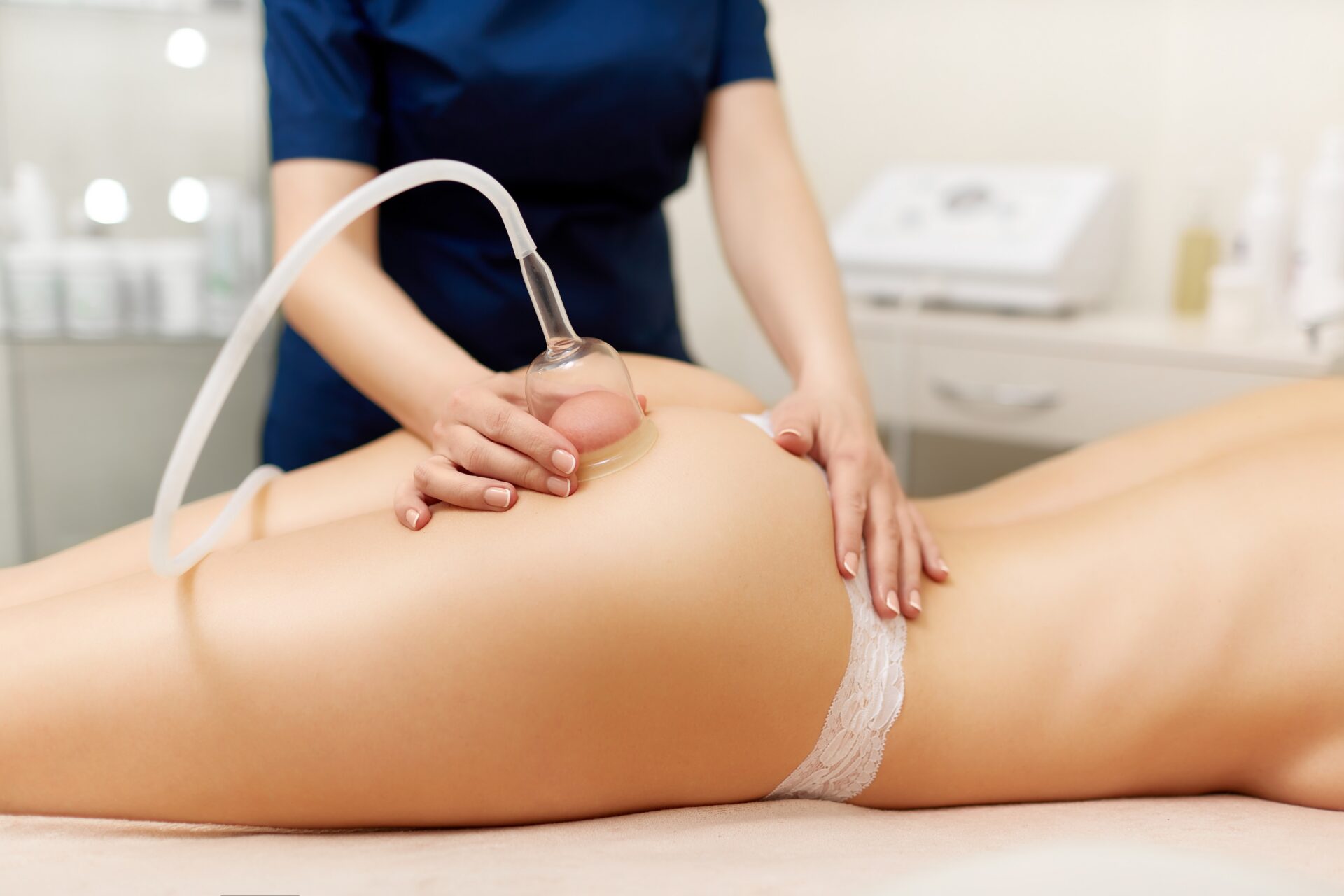
Vacuum therapy actually targets the underlying factors that contribute to cellulite:
- It boosts blood and lymphatic circulation. The suction creates a “draw” on fluids, while the back-and-forth mechanical movement helps drain them. The deeper layers of the skin are therefore less burdened with toxins, and cellular oxygenation is optimised.
- It helps release trapped water from the tissues, thanks to the lifting of the skin. It is therefore particularly beneficial for aqueous cellulite.
- Through deep stimulation, it encourages adipocytes to release their fat content. It can therefore be considered an effective technique against adipose cellulite.
- It softens connective tissue and tones the elastic fibres of the dermis, helping to reduce the fibrosis effect typical of fibrous cellulite.
It is therefore effective at reducing the dimpled appearance of cellulite when used regularly and over the long term. It’s entirely reasonable to expect that the anti-cellulite vacuum will have positive effects on orange peel skin. It’s worth noting that vacuum therapy, and by extension the anti-cellulite vacuum, can be used on most areas of the body, whether that’s the thighs and legs, the waistline (cellulite on the stomach or hips), or more targeted areas such as the arms or knees.
Anti-cellulite vacuum or cupping cup: which should you choose?
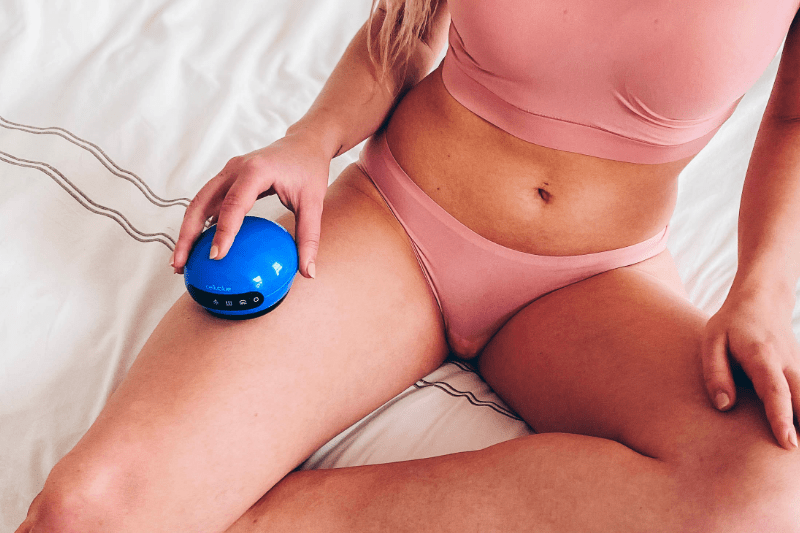
Let’s be honest: whether you go for an anti-cellulite vacuum or a cupping cup, the result is the same! The effects on cellulite are simply identical!
Of course, if we’re talking about a manual cupping cup, like our Ventouse Cellublue, it doesn’t come with a motor. You’ll need to create the suction yourself by applying gentle pressure to the base of the cup. That said, it is highly effective on all types of cellulite and has become an essential staple for anti-cellulite massage at home, thanks to its intuitive and quick-to-use design.

That said, there is virtually no difference between an anti-cellulite vacuum and our Electric Cellulite Cup in terms of how they work or the results they deliver. The only differences lie in the technical specifications of each device. For example, some anti-cellulite vacuums feature LED lights and use pulsed light technology to target cellulite. Our Electric Cup, on the other hand, harnesses the power of electrostimulation. It’s a proven approach with tangible results. Electrostimulation is now used across many fields — medical, sports, and aesthetic — as it gently stimulates deep muscles while boosting microcirculation. Our Electric Cup brings together the best of these technologies, and the results speak for themselves: 96% of people who have tried it would recommend it, making it one of our best sellers!

So yes, you can opt for an anti-cellulite vacuum to tackle unwanted dimples — but know that our cupping cups will do the job just as well. And don’t forget: to effectively combat cellulite, it’s important to combine your massage routine with a healthy lifestyle: a diet that is varied and balanced, regular exercise, and adequate hydration through water, herbal teas, or even a draining supplement (like ours!).
