You’re struggling with cellulite and don’t know where to turn. Between massage devices, creams of all kinds and manual massagers, it’s easy to feel lost. The latest tool on the scene is the anti-cellulite vacuum. So what exactly is it, how does it work, how does it differ from a cupping cup, and what alternatives are there for caring for dimpled skin? Here’s everything you need to know.
What is an anti-cellulite vacuum?
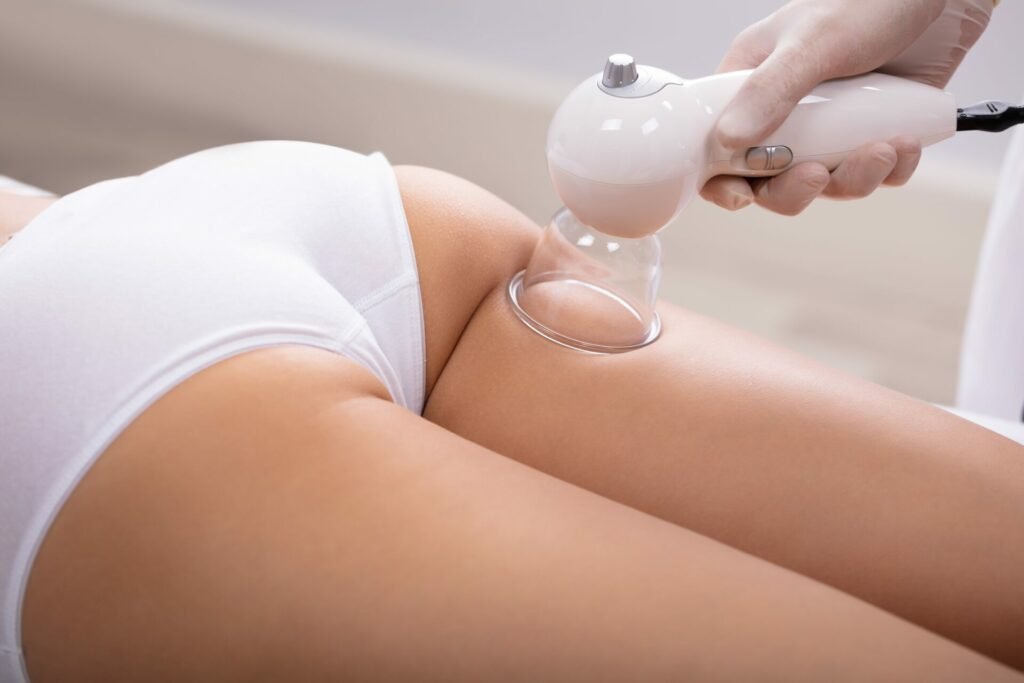
It’s a device made up of a handpiece, a suction chamber similar to a cupping cup, and sometimes integrated rollers. The principle is straightforward: the vacuum ‘grabs’ a fold of skin. Then, using the handpiece, you perform a massage by slowly gliding the suction chamber over the area to be massaged. When rollers are included, the anti-cellulite vacuum massage closely resembles the technique known as pinch and roll:
- A palpation or pinching motion through suction
- A rolling motion through the massage of the rollers and the movement of the suction chamber
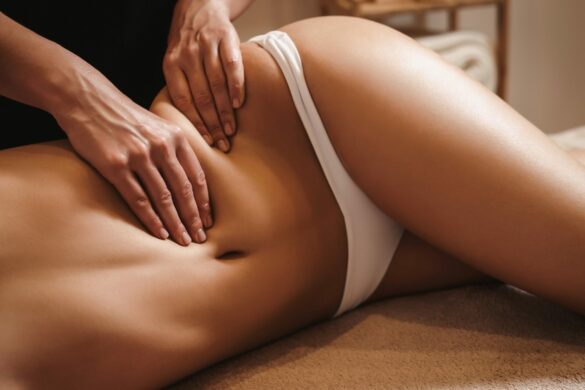
But the anti-cellulite vacuum is simply a ‘home’ adaptation of a well-established therapy: vacuum therapy, also known as depressotherapy. It is a suction massage technique, used in particular by physiotherapists in a medical setting, for example in connection with microcirculation or water retention. The beauty sector later adopted the technique for caring for areas affected by cellulite.
Fat vacuum, cellulite suction device: what are we talking about?
Online, the anti-cellulite vacuum goes by many names: fat vacuum, cellulite vacuum, cellulite suction device… Yet they all refer to the same type of device, based on the vacuum therapy principle described above.
Don’t take the term ‘fat vacuum’ literally, though: the device doesn’t suck fat out of the body. It grabs a fold of skin and then massages it, much like pinch and roll. It is first and foremost a massage tool, to be used on the areas you’re concerned about, including the stomach, as you’ll see below.
What can you expect from an anti-cellulite vacuum?
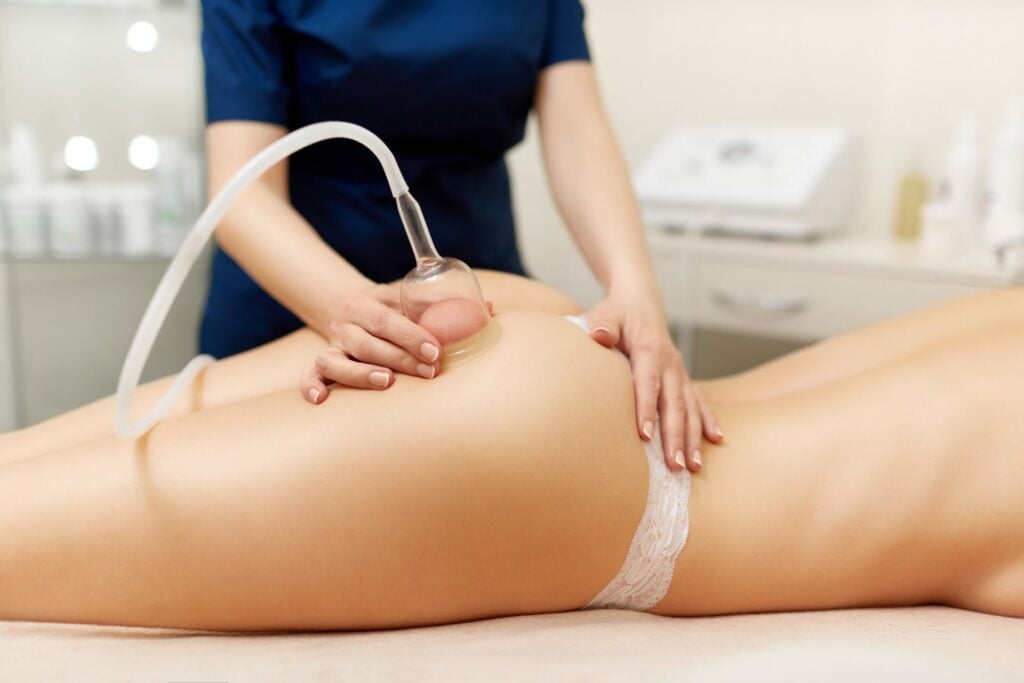
Vacuum therapy actually looks at the underlying factors that make up cellulite:
- It works through suction. The suction creates a ‘draw’ on the skin, while the back-and-forth mechanical movement helps massage it.
- It is often mentioned for aqueous cellulite, linked to water trapped in the tissues.
- It is also offered as a massage technique for adipose cellulite.
- Finally, it massages the areas where the skin feels harder to the touch, typical of fibrous cellulite.
Used regularly and over the long term, it can therefore have a place in a massage routine for areas with a dimpled appearance or orange peel skin. It’s worth noting that vacuum therapy, and by extension the anti-cellulite vacuum, can be used on most areas of the body, whether that’s the thighs and legs, the waistline (cellulite on the stomach or hips), or more targeted areas such as the arms or knees.
Anti-cellulite vacuum or cupping cup: which should you choose?
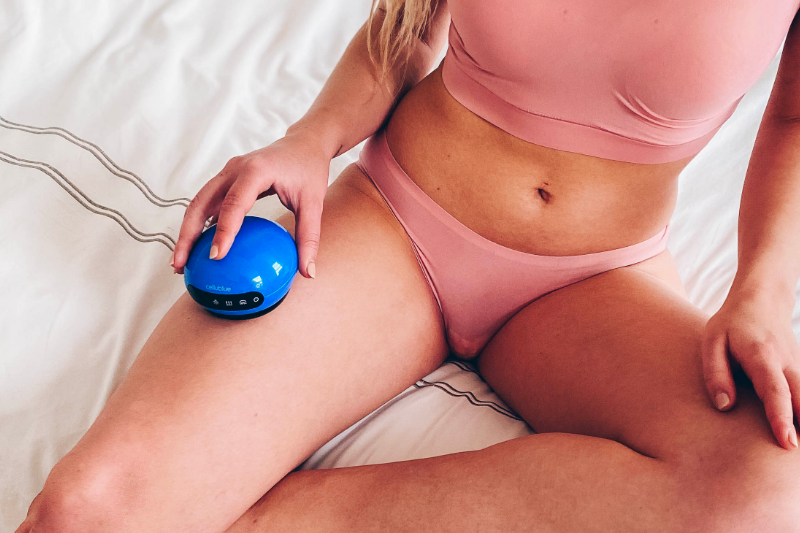
Let’s be honest: whether you go for an anti-cellulite vacuum or a cupping cup, the principle is the same! The way they work on cellulite is simply identical!
Of course, if we’re talking about a manual cupping cup, like our Cellublue cupping cup, it doesn’t come with a motor. You’ll need to create the suction yourself by applying gentle pressure to the base of the cup. That said, it can be used on all types of cellulite and has become an essential staple for anti-cellulite massage at home, thanks to its intuitive and quick-to-use design.
The cupping tool that replicates pinching and rolling, 3 minutes per zone
- The professionals' technique, at home: you lift, glide, and release, and the tool grips the skin fold like a manual pinching and rolling
- Soft silicone that fits thighs, buttocks, stomach, and arms
- 3 minutes per zone, every day, always with a massage oil so the tool glides
That said, there is virtually no difference between an anti-cellulite vacuum and our Electric Cellulite Cup in terms of how they work. The only differences lie in the technical specifications of each device. For example, some anti-cellulite vacuums feature LED lights and use pulsed light technology. Our Electric Cup, on the other hand, harnesses the power of electrostimulation. Electrostimulation is now used across many fields: medical, sports and aesthetic. Our Electric Cup is also one of our best sellers!

Professional anti-cellulite technology at home
- Designed to smooth the look of dimpling & tone the skin in depth
- Visibly smooths the appearance of orange-peel skin
So yes, you can opt for an anti-cellulite vacuum to care for areas prone to dimples, but know that our cupping cups work on the same principle. And don’t forget: to care for your skin, it’s important to combine your massage routine with a healthy lifestyle: a diet that is varied and balanced, regular exercise, and adequate hydration through water or herbal teas. And if you’re wondering about draining supplements, like our drink mix, our article gives you the full picture.

Four plant extracts, one dose a day
- Instructions for use
- Friendly advice
What are the alternatives to the anti-cellulite vacuum?
You’re now well-versed in vacuum therapy. But are there other ways to care for dimpled skin? Absolutely!
- The pinch and roll technique performed manually, carried out in a salon or by a physiotherapist, is the closest alternative in principle. It works on exactly the same basis, except it’s done with the hands. The movements are identical: lifting a fold of skin, then gliding over the area being massaged.
- Other massage techniques can also serve as alternatives to the anti-cellulite vacuum, including:
- maderotherapy, which uses wooden tools to massage and sculpt the targeted areas;
- hydromassage, which involves directing pressurised water jets at the skin, and is often suggested for aqueous cellulite;
- methods inspired by traditional Chinese medicine, such as acupuncture or reflexology;
- more advanced aesthetic medicine techniques, such as radiofrequency and shockwave therapy, which are often suggested for deep-seated cellulite, though also more costly.
Frequently asked questions
Does an anti-cellulite vacuum actually work?
An anti-cellulite vacuum is based on vacuum therapy, a suction massage technique also offered in salons and aesthetic clinics. It grabs a fold of skin, which you then massage by slowly gliding the suction chamber over the chosen area. It is essentially a massage tool, best used as part of a regular routine.
Can you use an anti-cellulite vacuum on your stomach?
Yes. Vacuum therapy can be used on most areas of the body: thighs, legs, stomach and hips, as well as the arms or knees. Simply glide the suction chamber slowly over the chosen area as part of your massage routine.
Should an anti-cellulite vacuum be combined with other habits?
Yes, your massage routine fits best into a healthy lifestyle: a varied and balanced diet, regular exercise and staying well hydrated with water or herbal teas. These common-sense habits go hand in hand with using the device day to day.