You’ve tried everything to care for the appearance of your cellulite: running, swimming, cycling and aqua aerobics. But endurance sports just aren’t your thing. Jogging bores you to tears and lap swimming leaves you cold… What if you opted for HIIT? Energetic and intense, it could become your new go-to workout. Let’s take a closer look at this explosive discipline!
What exactly is HIIT?
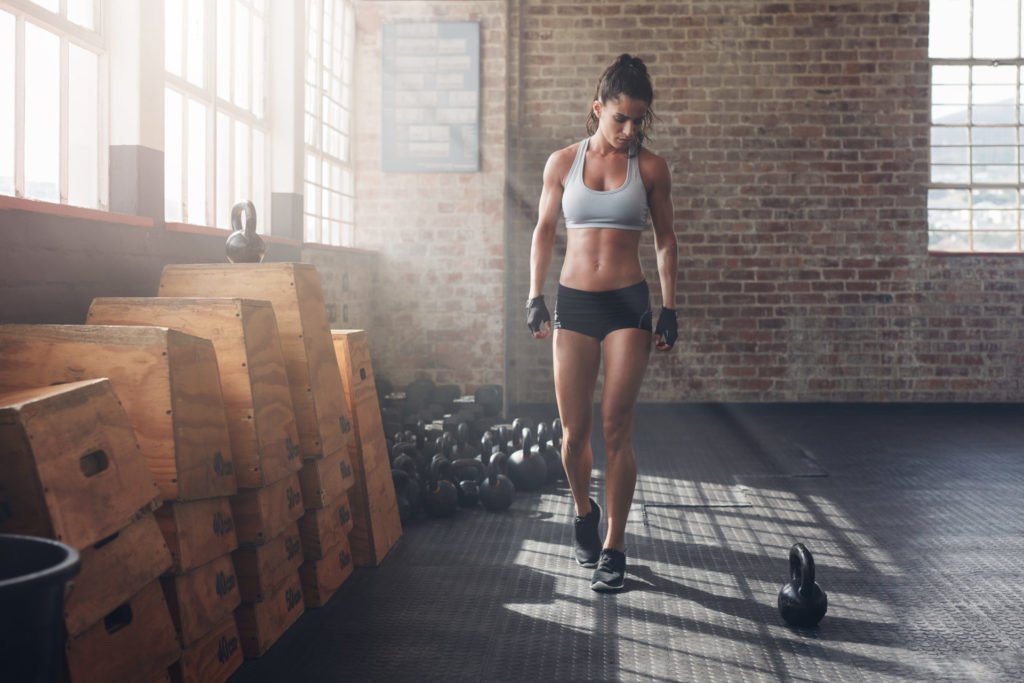
HIIT, or High Intensity Interval Training, is a workout programme that prioritises effort intensity over duration — the very opposite of endurance training. It’s structured around short sessions alternating between bursts of exercise lasting just a few seconds and equally brief rest periods. The principles of HIIT can be applied to a range of sports (running, cycling, boxing). In practice, though, HIIT tends to bring to mind workouts that blend fitness, cardio and strength training — Crossfit, for example, is built on HIIT principles.
Benefits of HIIT
1- A complete, toning workout
HIIT demands a lot of energy. Traditional cardio is an aerobic activity, whereas HIIT is anaerobic. What does that mean in practice? It’s quite simple: the intensity of HIIT is such that the body draws on different energy sources to fuel each effort. Working this hard, the body is put through its paces and the muscles become toned.
What does this mean for cellulite? Cellulite is linked to enlarged fat cells beneath the skin. Regular, sustained physical activity such as HIIT draws on energy reserves and tones the muscles, which may help address the appearance of cellulite, whether it’s of the adipose or fibrous type. Results vary from person to person and require consistency.
2- A longer recovery period
A 30-minute HIIT session doesn’t really end when the final whistle blows. This is often referred to as the Afterburn Effect. What does that mean? After an intense workout, the body needs time to recover because HIIT places very high demands on oxygen and energy. The body, running in “overdrive”, needs more time to rebalance, re-oxygenate properly and restore optimal muscle condition.
The effect on cellulite? After a session, the body needs time to recover, re-oxygenate and rehydrate. Remember to drink enough water. Whatever the type of cellulite, including water retention cellulite, regular practice combined with a balanced diet may help address its appearance.
3- How often should you do HIIT?
Are you naturally high-energy, fiery by nature and always on the go? HIIT could be just what you’re looking for. With regular practice — up to three sessions per week — HIIT can easily become part of your routine for caring for the appearance of orange-peel skin.
Where can you do HIIT?
You can absolutely practise HIIT at your gym — the discipline has become a staple (Grit, Bootcamp, Crossfit). But it’s also entirely possible to do interval training anywhere: at home or even outdoors!
You’ll find all kinds of tutorials online to guide you. But here are a few exercises to get you started!
HIIT Running
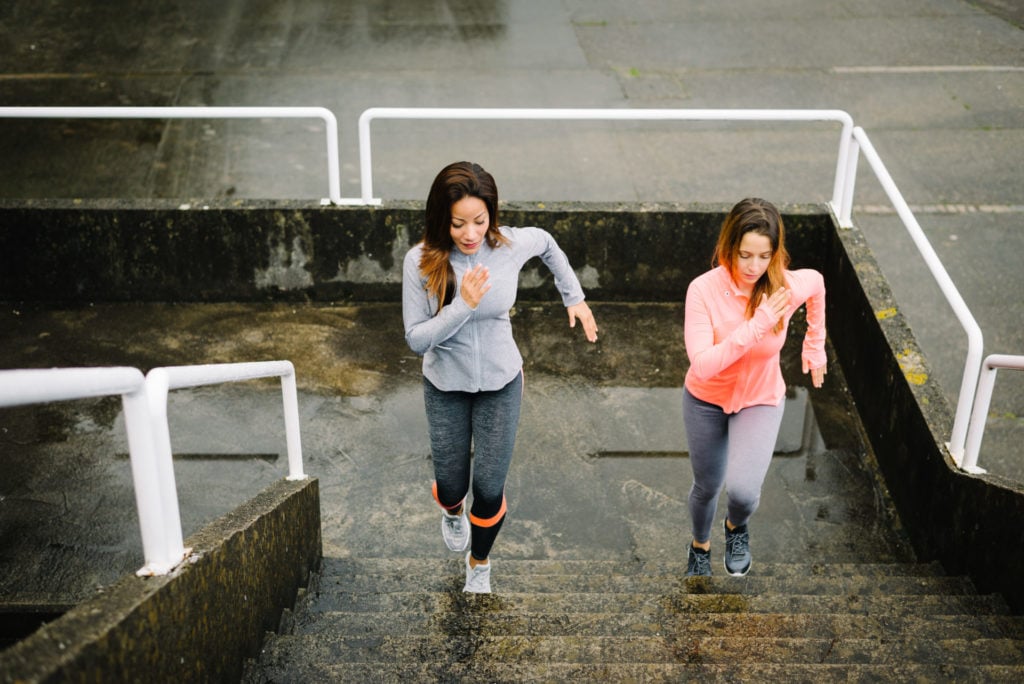
Fancy a quick HIIT session outdoors?
- Sprint for 20 seconds.
- Slow right down for 10 seconds and walk.
- Sprint again for 20 seconds.
- Walk for 10 seconds.
- Repeat these intervals for 20 minutes.
High knees
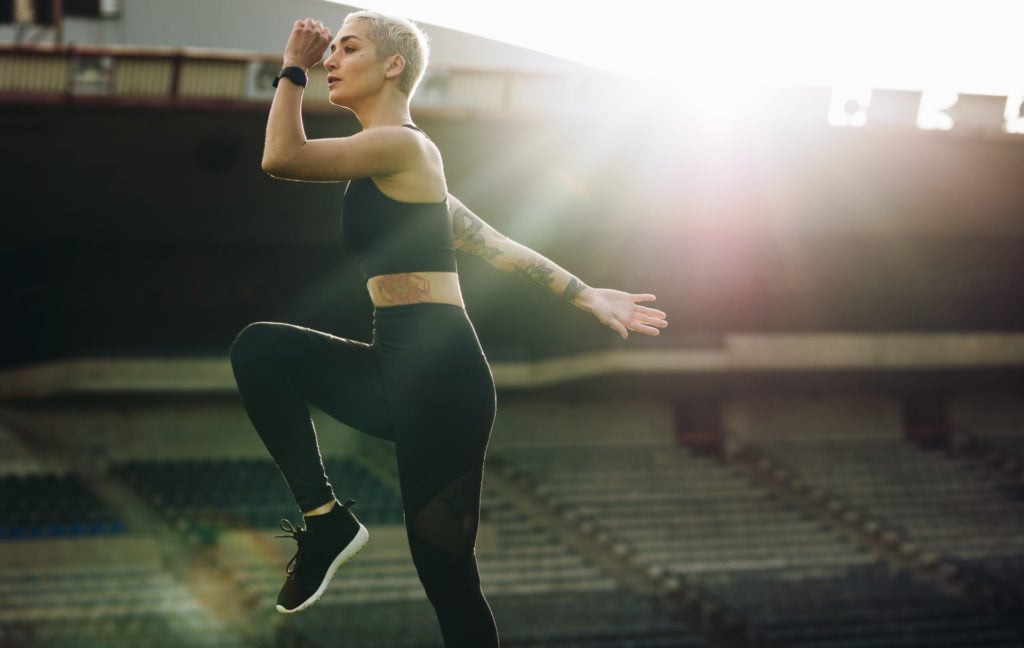
A stationary running exercise that works the thighs, buttocks and stomach.
- Stand upright with your feet hip-width apart and arms at your sides.
- Lift one knee as high as possible, as if running on the spot, then lower your foot back to the ground.
- Lift the other knee to the same height, then lower your foot.
- With each knee lift, swing your arms as if you were running. The arm bent forward is opposite to the raised knee. The arm bent back is opposite to the extended leg.
- Start with 3 sets of 20 seconds, with 10-second rest periods in between, then gradually increase to 5 sets, then 7.
Jumping jacks
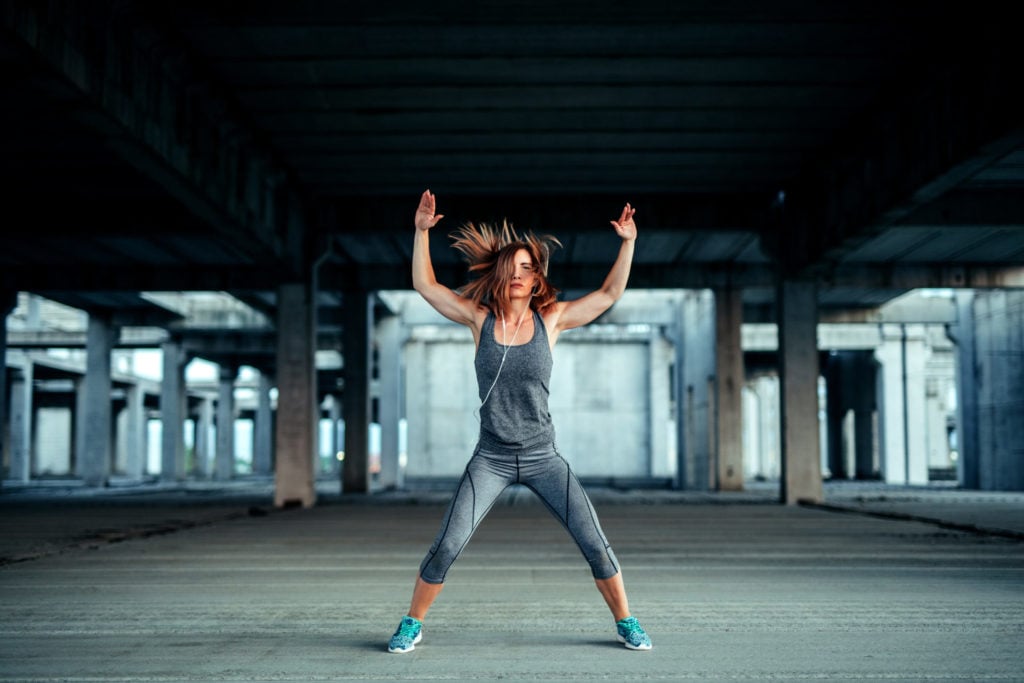
Hips, waist and sides: this exercise works the areas where cellulite tends to settle.
- Stand upright with your arms at your sides, then jump while simultaneously spreading your legs and raising your arms until your hands meet above your head.
- Land in this position.
- Jump again, bringing your legs together and lowering your arms to return to the starting position.
- Start with 3 sets of 20 seconds, with 10-second rest periods in between, then gradually increase to 5 sets, then 7.
What should you do after a HIIT session?
Why not finish your workout with a massage? It’s a relaxing way to wind down after exercise, as well as another step towards caring for the appearance of cellulite. And what better way to do it than with a palper-rouler massage? Our cupping devices let you practise palper-rouler from the comfort of home.
- The Cellulite Cupping Cup is gentle and wonderfully easy to use, and its suction effect makes your palper-rouler massage even more enjoyable.
- The EMS Cupping Cup, meanwhile, combines massage with electrostimulation for a relaxing moment after exercise. Its automatic action makes it incredibly convenient!
The cupping tool that replicates pinching and rolling, 3 minutes per zone
- The professionals' technique, at home: you lift, glide, and release, and the tool grips the skin fold like a manual pinching and rolling
- Soft silicone that fits thighs, buttocks, stomach, and arms
- 3 minutes per zone, every day, always with a massage oil so the tool glides

Professional anti-cellulite technology at home
- Designed to smooth the look of dimpling & tone the skin in depth
- Visibly smooths the appearance of orange-peel skin
Regular exercise and massage: a duo worth adding to your routine to care for your skin!
Frequently asked questions
What is HIIT training?
HIIT (High Intensity Interval Training) is a high-intensity interval workout. It alternates very intense exercises lasting a few seconds with equally brief rest periods, in short sessions. Its principles can be applied to running, cycling or boxing, but HIIT is mainly associated with exercises combining fitness, cardio and strength training, such as CrossFit.
How many HIIT sessions should you do per week?
Up to three sessions per week is generally recommended. HIIT is intense, and the body needs time to recover between sessions.
Can you do HIIT at home without equipment?
Yes, HIIT can be practised anywhere: at the gym, at home or outdoors. The high knees and jumping jacks shown above require no equipment. Start with 3 sets of 20 seconds, with 10-second rest periods in between. There are also plenty of online tutorials to help you vary your routine.
Is HIIT suitable for everyone?
HIIT is a very intense form of exercise. If you experience pain, have a medical condition, are pregnant or are returning to exercise after a long break, ask a doctor or medical professional for advice before you begin.
Related articles
- Anti-cellulite workout: 10 exercises you absolutely need to try!
- Exercise Bike & Cellulite: Does It Really Work?
- A beginner-friendly anti-cellulite workout you can do at home
Useful categories: Anti-Cellulite Exercises.