Your legs can quickly become a source of insecurity. Due to age, lifestyle habits or a lack of care, you may develop cellulite, dry, cracked skin, redness or ingrown hairs after hair removal.
Yet a few simple habits can help you get smoother, softer legs: exfoliating, massage, moisturising, staying active, a balanced diet and the right hair removal method. Here’s how to build them into your routine, step by step.
Exfoliate regularly
To achieve beautifully smooth and soft legs, you absolutely need to use a scrub at least once a week.
Depending on your needs, you can invest in a suitable scrub. It will help remove dead skin cells and make the surface of your skin smoother.
You can also make your own at home using coffee and sugar. And if you remove hair, always apply a scrub beforehand to make the process easier and prevent ingrown hairs.
The scrub that leaves skin smooth and skin texture refined*
*User test on 21 volunteers over 4 weeks, based on participants' feedback.
- Olive & apricot kernels: these natural grains gently sweep away dead skin cells
- Caffeine & monoi scent, so your shower instantly smells like a holiday
- In the shower, two to three times a week, massaging your thighs, bottom and stomach
Massage your legs
Every day, take a few moments to massage your legs. Use gentle, circular movements.
Your legs need to unwind after a full day of supporting you.
This helps them relax and brings a feeling of lightness back to this area of the body.
Moreover, if you’d like to take care of your figure, this is one of the habits you can add to your routine, alongside our tips on how to minimise the appearance of orange peel skin.
Moisturise your legs
While massaging your legs, take the opportunity to moisturise your skin. Your legs often suffer from dehydration.
In summer, they perspire and are particularly exposed to heat, sea water and the sun.
In winter, they’re wrapped up in trousers, but cold air still penetrates and dries out the skin.
There’s nothing more uncomfortable than dry, cracked skin on your legs.
Moisturising your skin also helps keep it supple. For small cuts and scars, ask your GP or a pharmacist for advice. Investing in a good moisturising cream means treating yourself to soft, radiant legs.
Cellulite on your legs
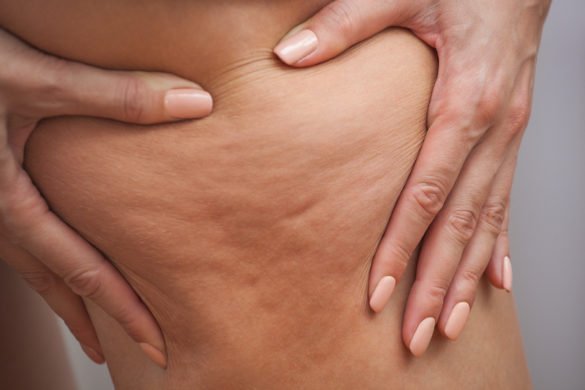
Cellulite most commonly appears on the thighs and knees, and it’s a very common concern. Cellulite aside, a balanced diet and regular exercise are part of a balanced lifestyle.
To complement your routine, you can also try an anti-cellulite cream and an anti-cellulite cupping device.
A few other tips for beautiful legs include finishing your shower with a cold water rinse for a refreshing feeling, avoiding overly tight trousers and very high heels, and alternating between hot and cold.
Get moving
You won’t achieve dream legs by staying inactive and sedentary. Make it a habit to walk as often as possible.
It’s generally recommended to walk for at least 30 minutes a day.
To work your legs, consider swimming and the elliptical trainer.
If your goal is to build muscle, you might also consider aquabiking and running. Yoga and fitness classes are a great complement to these activities.
In any case, you’ll need to invest your time and energy to build lasting habits you’ll be truly happy with.
Eat well
What you eat also plays a part in how you look after yourself, legs included.
You should cut back on fatty foods, processed foods and salt.
Instead, focus on foods rich in vitamins E and C, which fit easily into a varied, balanced diet.
The goal isn’t to follow a strict restrictive diet, but simply to be mindful of what you eat.
You should also make sure to drink enough water throughout the day.
Especially in warm weather, keep an eye out for signs of water retention.
A word on hair removal
If you remove hair from your legs, pay close attention to the method you use. Avoid using a razor if possible — it’s far too harsh on the skin, encourages ingrown hairs and can cause cuts and irritation.
For a longer-term solution, opt for waxing, which removes hair from the root. Regrowth will usually be slower, with less redness.
How to get smooth legs without spots or bumps
Small spots and bumps on the legs often appear after harsh hair removal or because of ingrown hairs. To keep your skin smooth, exfoliate before every hair removal session. Then choose waxing over shaving, as a razor tends to irritate the skin more.
After hair removal, moisturise your legs with a suitable cream to keep your skin soft and comfortable. If the spots don’t go away, become painful or spread, ask your GP or a dermatologist for advice.
Frequently asked questions
How can I get soft legs?
Combine two simple steps: exfoliate at least once a week to remove dead skin cells, then apply a moisturiser while massaging your legs. Whether it’s summer or winter, the skin on your legs tends to dry out. Moisturising regularly keeps it more supple and nicer to the touch.
How can I get smooth, glowing legs?
Think of it as a simple weekly routine: a scrub once a week, a moisturising massage every day and a gentle hair removal method. Each step is explained in the sections above, including the one on how to get smooth legs without spots or bumps.
How can I get legs without cellulite?
Cellulite is very common, especially on the thighs and knees. Day to day, a balanced lifestyle with a varied diet, regular exercise such as walking or swimming, and a daily massage routine are good habits for your legs. You can also add an anti-cellulite cream and a cupping device to your routine, as explained in the section on cellulite.
How can I get nice legs quickly?
Some steps give an instant feeling of softness, such as exfoliating or moisturising. Everything else comes down to a regular routine: walking every day, staying active, eating a varied diet and massaging your legs. It takes a little time and energy, which you can build gently into your daily life.
How can I get nice legs without varicose veins?
Varicose veins are a medical matter. If you have them or are worried about developing them, ask your GP or another healthcare professional for advice. They can guide you based on your situation. The tips given here, such as staying active or avoiding overly tight clothing, are no substitute for medical advice.