Slim or curvy, very few women are spared from cellulite. Whether it’s fibrous, adipose or aqueous cellulite, its appearance is common, but it can sometimes become painful to the touch. So why does cellulite sometimes hurt? How can you recognise painful cellulite, particularly on the thighs and legs? And which everyday habits are worth adopting? You’ll find the answers below.
Why can cellulite be painful?
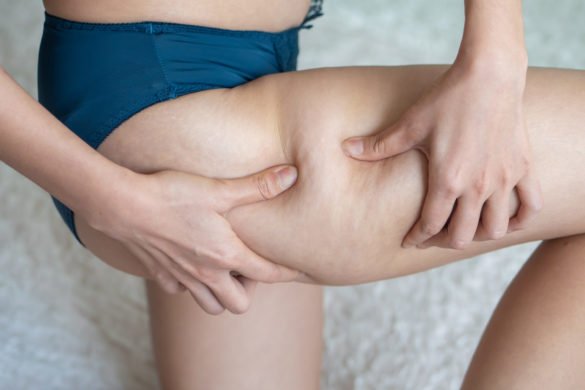
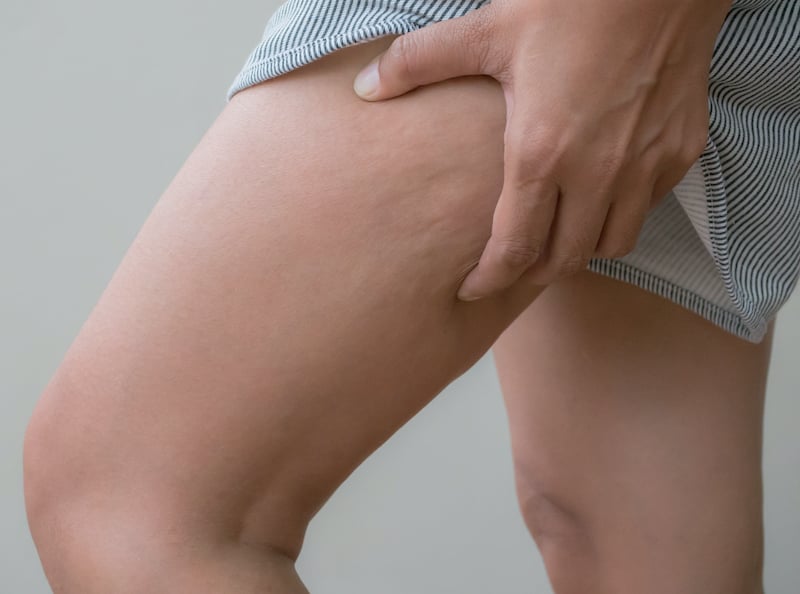
Cellulite can become sensitive to the touch when it is fibrous or aqueous. As a general rule, it only becomes painful at stage 3 of the Nürnberger-Muller scale, a tool used to identify the different stages of cellulite. At stage 1, cellulite is only visible when the skin is pinched. At stage 2, it is visible when standing but not when lying down. At the final stage, cellulite is visible both standing and lying down.
It helps to understand what cellulite actually is in order to grasp why it can sometimes be painful. Cellulite is a change in the fatty tissue that sits just beneath the skin, and there are several reasons why it can cause discomfort.
Firstly, aqueous cellulite is often accompanied by water retention. This can create a feeling of swelling and make the area more sensitive to the touch.
Fibrous cellulite, on the other hand, is often described as being linked to glycation of collagen, that is, when glucose (sugar) binds to collagen. When the collagen fibres surrounding fat cells harden and thicken, this is known as fibrosis. This firmer type of cellulite can also be tender, or even painful.
What are the symptoms of painful cellulite?
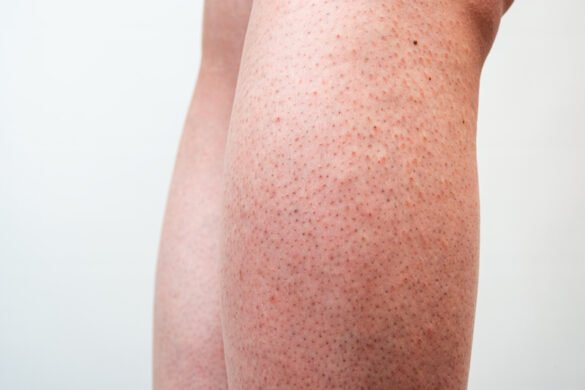
When cellulite develops, the first sign is usually a change in skin texture and the appearance of an orange-peel effect. The area then gradually becomes more sensitive to the touch. Initially, cellulite is only painful when pinched; over time, the affected area becomes tender and painful even without pressure. Cellulite that feels hard to the touch is typically long-established — and this is generally the hallmark of painful cellulite.
The discomfort caused by cellulite can be more pronounced in certain positions, due to the pressure placed on the affected area. Some people experience more pain when sitting, lying down, or during specific movements. While pain can occur wherever cellulite is present, the majority of those affected report painful cellulite on the thighs.
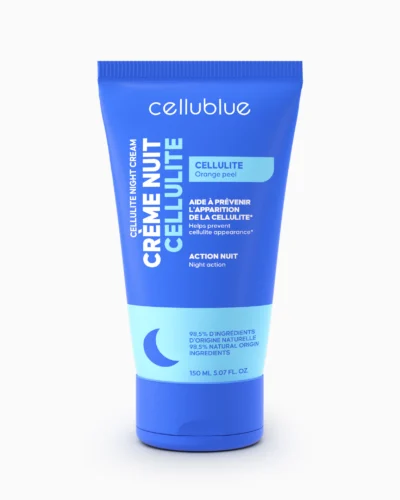
The cream that smooths the appearance of orange peel skin* and tones the skin
*Consumer test on 22 volunteers over 2 weeks, participants' self-assessment.
- Smooths the appearance of orange peel skin on the thighs, buttocks and stomach
- Caffeine & Green Coffee, the two benchmark active ingredients in body care
- Melting texture: absorbs in seconds and leaves the skin feeling comfortable
Cellulite is more than just an aesthetic concern
Cellulite is not considered a medical condition in itself. The discomfort caused by its orange-peel texture, bumps, or skin laxity can be a significant source of frustration, but cellulite isn’t always just about appearance: it can also come with physical discomfort. Aqueous cellulite, for example, is often associated with water retention and a feeling of heavy legs that can worsen over time. If this feeling persists, speak to your GP.
As for fibrous cellulite, it can come with tenderness, or even persistent pain.
Painful cellulite can also be a sign of another health issue, for example one linked to significant excess weight. In that case, only a doctor can look into it properly with you.
How to get rid of painful cellulite?
When cellulite is genuinely painful, it is important to consult a doctor. They will be able to assess any health risks and suggest the right course of action. Day to day, a few habits can complement your routine. A healthy diet is the starting point: prioritise foods rich in fibre and antioxidants, and make sure to drink water regularly. A balanced diet should also be paired with sufficient, regular physical activity. Finally, some people like to include anti-cellulite massages in their routine, particularly for painful cellulite on the thighs.
How to eliminate cellulite: all the solutions available
Different types of cellulite can be responsible for pain. But in every case, a doctor is the right person to assess painful cellulite and help prevent further health concerns.
The Cellublue Express Anti-Cellulite Pack offers a complete anti-cellulite routine with its 5 products and 2 coaching guides.
Frequently asked questions
Does cellulite hurt?
Cellulite isn’t always painful. It may first be tender when pinched, then become painful to the touch, especially if it is fibrous or aqueous. According to the Nürnberger-Muller scale, it generally only becomes painful at stage 3. If you notice any pain, ask your doctor for advice.
Why does cellulite hurt?
Tenderness can occur with aqueous cellulite, which is linked to water retention, and with fibrous cellulite, where the collagen fibres harden. To understand what’s behind any pain, the best thing to do is see a doctor.
How do you get rid of cellulite on your thighs?
The thighs are where painful cellulite is most often reported. The everyday habits covered in the section “How to get rid of painful cellulite?” apply here too: a balanced diet, drinking water regularly, regular physical activity and anti-cellulite massages. If your thighs or legs are painful, ask your doctor for advice first.
How do you get rid of cellulite?
There’s no single solution that suits everyone. The section “How to get rid of painful cellulite?” sets out the habits worth adopting over time. For a wider overview, read our article “How to eliminate cellulite: all the solutions available”. If you’re experiencing pain, ask your doctor for advice first.
Related articles
- Cellulite dimples: 9 everyday tips
- Can losing weight make cellulite disappear?
- Post-Pregnancy Belly Cellulite: What to Do


The scrub that leaves skin smooth and skin texture refined*
*User test on 21 volunteers over 4 weeks, based on participants' feedback.
- Olive & apricot kernels: these natural grains gently sweep away dead skin cells
- Caffeine & monoi scent, so your shower instantly smells like a holiday
- In the shower, two to three times a week, massaging your thighs, bottom and stomach

The cupping tool that replicates pinching and rolling, 3 minutes per zone
- The professionals' technique, at home: you lift, glide, and release, and the tool grips the skin fold like a manual pinching and rolling
- Soft silicone that fits thighs, buttocks, stomach, and arms
- 3 minutes per zone, every day, always with a massage oil so the tool glides