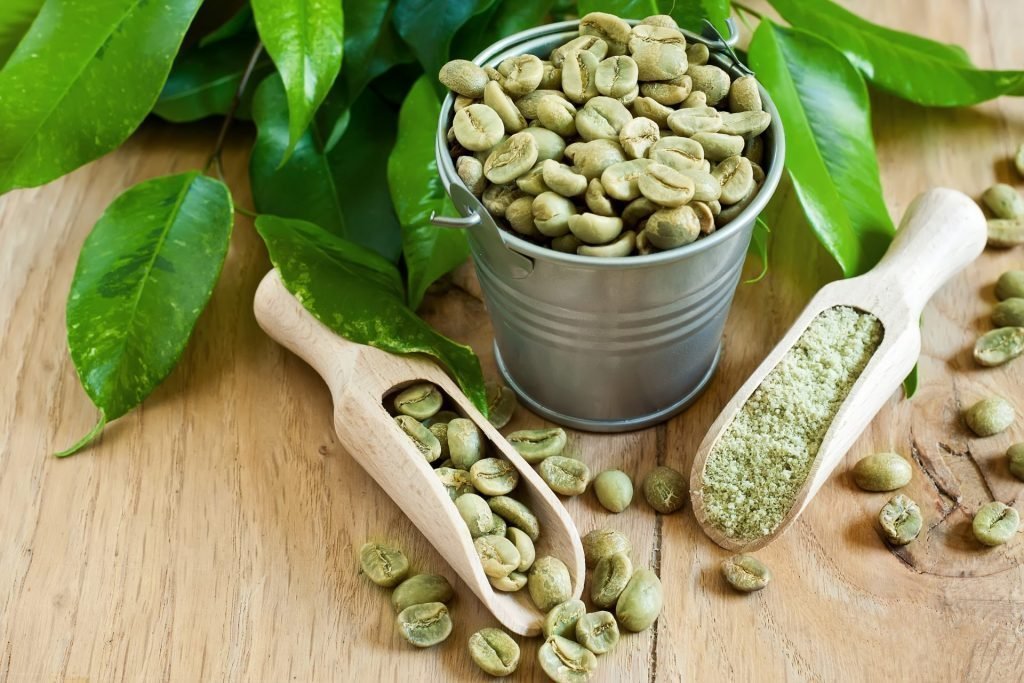
Green coffee is regularly in the spotlight, especially since a much-quoted Japanese study. But what is it really? Here’s how it differs from regular coffee, what it contains, how to prepare it (decoction, infusion and other forms) and what the alternatives are.
What is green coffee?
Green coffee is simply unroasted coffee. The coffee we all know comes in the form of dark brown, richly aromatic beans. That distinctive colour and aroma are actually the result of roasting — a high-temperature process that causes the water inside the beans to evaporate and the remaining sugars to caramelise, developing complex flavours. Green coffee, by contrast, skips roasting entirely: the red berries (cherries) of the coffee plant are harvested and the beans are extracted — and they’re green!
How does green coffee differ from roasted coffee?
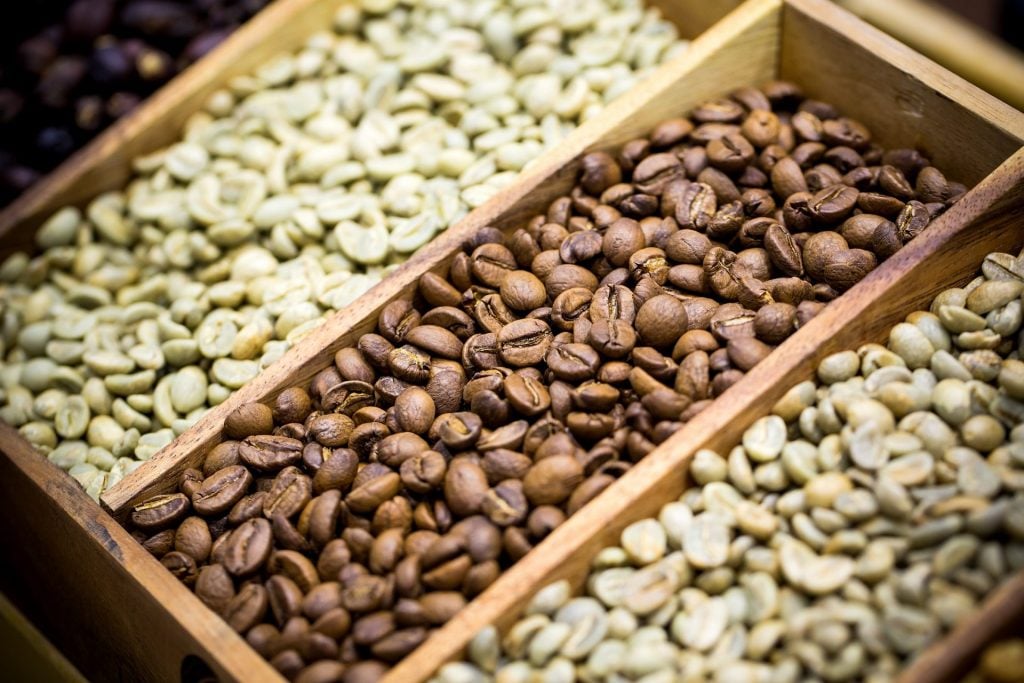
Roasting, which involves very high temperatures, alters the composition of coffee. In the process, it loses some of its properties:
- Some of its caffeine, as part of the caffeine is destroyed in the process.
- Some of its polyphenols and amino acids, as heat breaks down part of these compounds in the coffee.
Since green coffee undergoes no roasting, it retains more of its original composition. Specifically:
- It is very rich in caffeine: this molecule is a stimulant (increasing heart rate, blood pressure and alertness). To better understand the mechanisms often mentioned in connection with it, read our article on lipolysis.
- It is rich in polyphenols, including chlorogenic acid, quinic acid and caffeic acid.
Green coffee is credited with many virtues, but these remain hypotheses: it is no substitute for a balanced diet or medical advice. If you’re interested in natural wellbeing solutions, you can enjoy it as one drink among others, in moderation, bearing in mind its high caffeine content. For an overview, also read our tips on looking after your body every day.
How to consume green coffee?
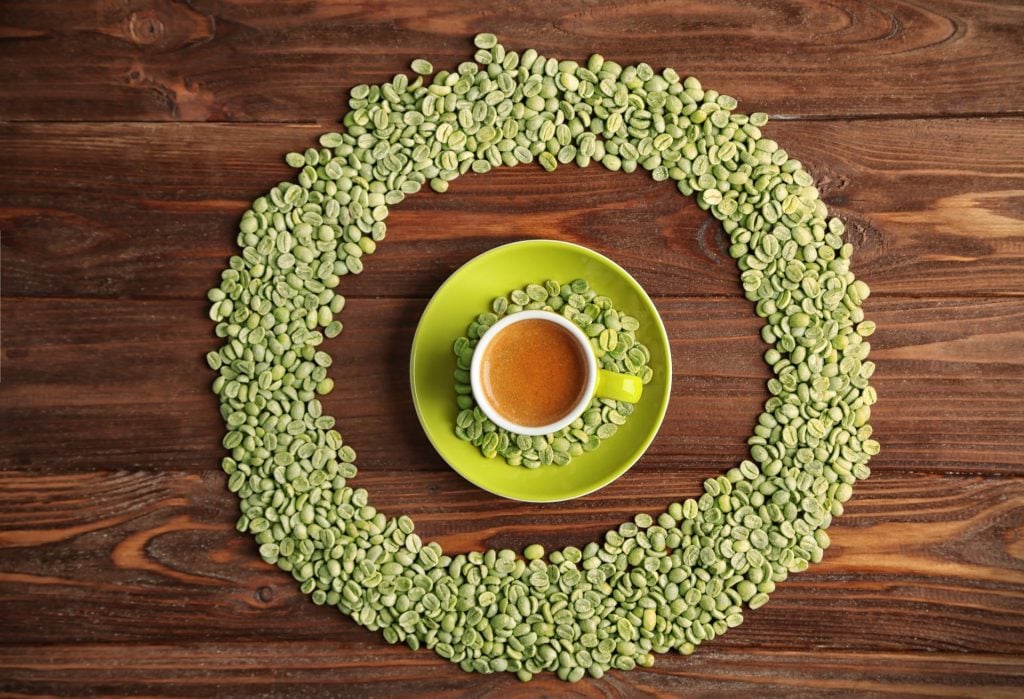
Fancy trying green coffee but not quite sure where to start? No worries, we’ll walk you through it! If you’re keeping an eye on your figure, take a look at our tips for a balanced diet too. There are several ways to consume green coffee. First, a word of warning: green coffee preparations will not taste like your usual cup of coffee. It’s the roasting process that gives coffee its distinctive flavour. With that in mind, here are a few ways to enjoy green coffee.
1- Decoction
To make one, simply get hold of whole green coffee beans. Then:
- Place around 10 green coffee beans in a large glass of water.
- Leave to soak overnight, in the fridge (if you prefer a cold drink) or at room temperature.
- The next morning, strain the decoction and drink it, ideally first thing in the morning.
The green coffee beans will have had time to release their compounds into the water. The resulting drink contains caffeine: a handy alternative to your morning coffee, as long as you don’t pile on extra cups.
2- Infusion
If you prefer hot drinks, this green coffee infusion should be right up your street!
- Heat water in a kettle. Once it starts to simmer, pour it into a Thermos-style container to keep it warm.
- Add green coffee beans — around 80 per litre of infusion.
- Leave to steep for a while, then enjoy.
If the flavour of this green coffee infusion isn’t quite to your taste, you can flavour it with fruit extracts or spices. For example, try adding lemon or grapefruit to the mix: both citrus fruits give it a tangy note. Certain spices also pair beautifully with green coffee infusion, such as:
- Black pepper — its piperine is a well-known flavour enhancer.
- Cinnamon — it has a softening effect on the drink.
- Ginger — a flavour booster with a spicy note.
- Vanilla — its scent has a natural indulgent effect! For more ideas, read our article on food and appetite.
- Green cardamom — it has a positive effect on the aroma and helps limit bitterness.
3- Other ways to consume green coffee
Finally, there are other ways to enjoy green coffee:
- Some soluble preparations contain a blend of roasted and green coffee. Head to the instant drinks aisle of your supermarket — you should find some!
- It’s now common to find food supplements based on green coffee. They sometimes come in stick or shot form, or as capsules. Green coffee is often combined with other plants, such as meadowsweet, cherry stalk or artichoke. Always follow the recommended dosage, as green coffee is very high in caffeine!
A few precautions before you start
Green coffee is very high in caffeine. Always stick to the dosage stated on food supplements, as well as the quantities given in the preparations above.
If you are pregnant or breastfeeding, taking medication or have a medical condition, ask your GP or another medical professional for advice before drinking green coffee.
What are the alternatives to green coffee?
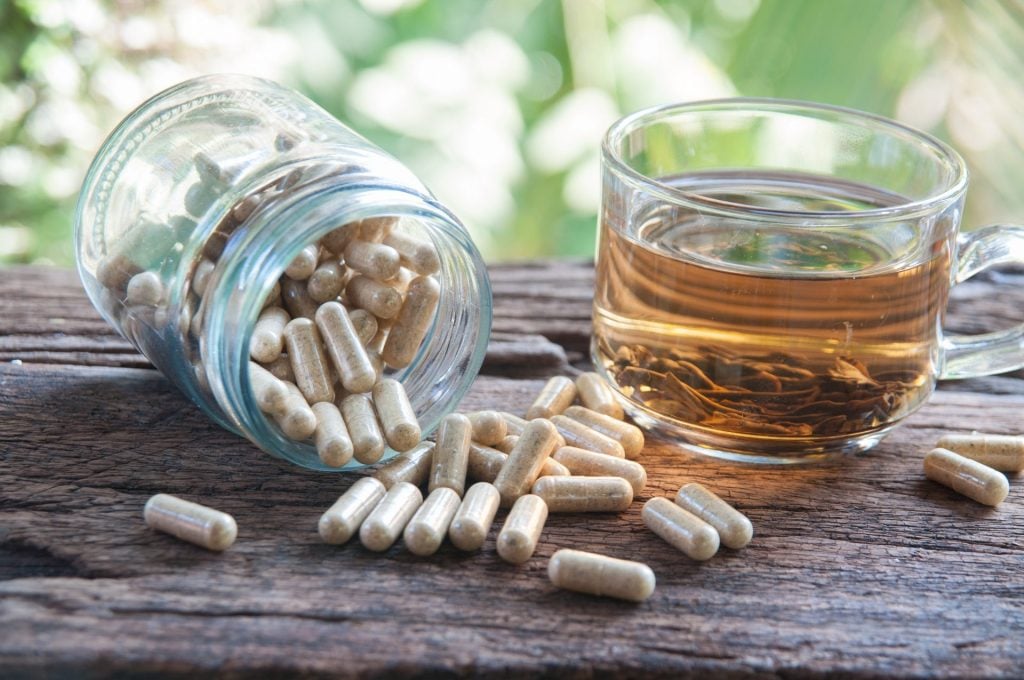
As you’ll have gathered, green coffee is often presented as a slimming ingredient, although this effect has not been established. There are other natural ingredients that are often mentioned in the same way. At Cellublue, we’ve brought some of them together in a dedicated Slimming range of food supplements, to be combined with a varied diet and regular physical activity, which remain the foundation for maintaining a stable weight.
Our Slimming Fat-Burning Drainer: it too is a source of caffeine (10.5 mg), thanks to its matcha, guarana and kola nut extracts. Follow the directions for use on the bottle.
Concentrated green tea, guarana and cola, one dose a day with a meal
- Green tea features in the formula
- Guarana helps reduce tiredness, while cola helps you feel more energetic
- With matcha, the whole green tea leaf
For the current composition and precautions of our capsules from our range, check the product page and packaging. Ask a doctor or pharmacist before combining them with other supplements. You can also read our articles on pineapple and drinks to enjoy day to day.

Capsules made with chromium, which contributes to normal macronutrient metabolism
- Chromium contributes to normal macronutrient metabolism, meaning the sugars, fats and proteins in your meals
- It also contributes to the maintenance of normal blood glucose levels
- Dandelion, burdock and artichoke complete the formula
Our Slimming Fat-Burning Tea: a blend of plants and citrus fruits (lemon, orange, grapefruit), black tea, which contains caffeine, hibiscus, couch grass, peppermint and green anise. Its refreshing flavour makes it a pleasant drink, in the morning or after a meal.
If you complement your green coffee routine with one of our food supplements, remember to take into account the caffeine each of them provides and stick to the recommended doses. For ideas on how to create your own personalised routine, read our article on the natural ingredients often mentioned.
Frequently asked questions
How do you make green coffee at home?
The two easiest options are a cold decoction left to soak overnight or a hot infusion. You’ll find the step-by-step method for each in the “Decoction” and “Infusion” sections above.
How can I fit green coffee into my daily routine?
Rather than adding it on top of your usual coffee, think of green coffee as a swap: it contains caffeine too, so count it among your daily cups.
Where can I buy green coffee?
It comes in several forms, from whole beans to instant drinks and food supplements. The “Other ways to consume green coffee” section above explains where to look for each one.
Is green coffee suitable for everyone?
Not necessarily. Please read the “A few precautions before you start” section above before trying it.
Related articles
- 6 drinks to try
- Homeopathy and weight loss: what you need to know
- Kiwi, the winter fruit: composition and recipe ideas
- Post-workout drink recipe with oats, banana and almonds
Useful categories: Nutrition.