Unless you’ve been living under a rock, you’ve probably noticed the growing craze around planking. It’s everywhere on social media — videos, challenges, workout routines… But does planking actually work to get rid of cellulite? Let’s take a closer look at this undeniably popular fitness practice…
What is planking?
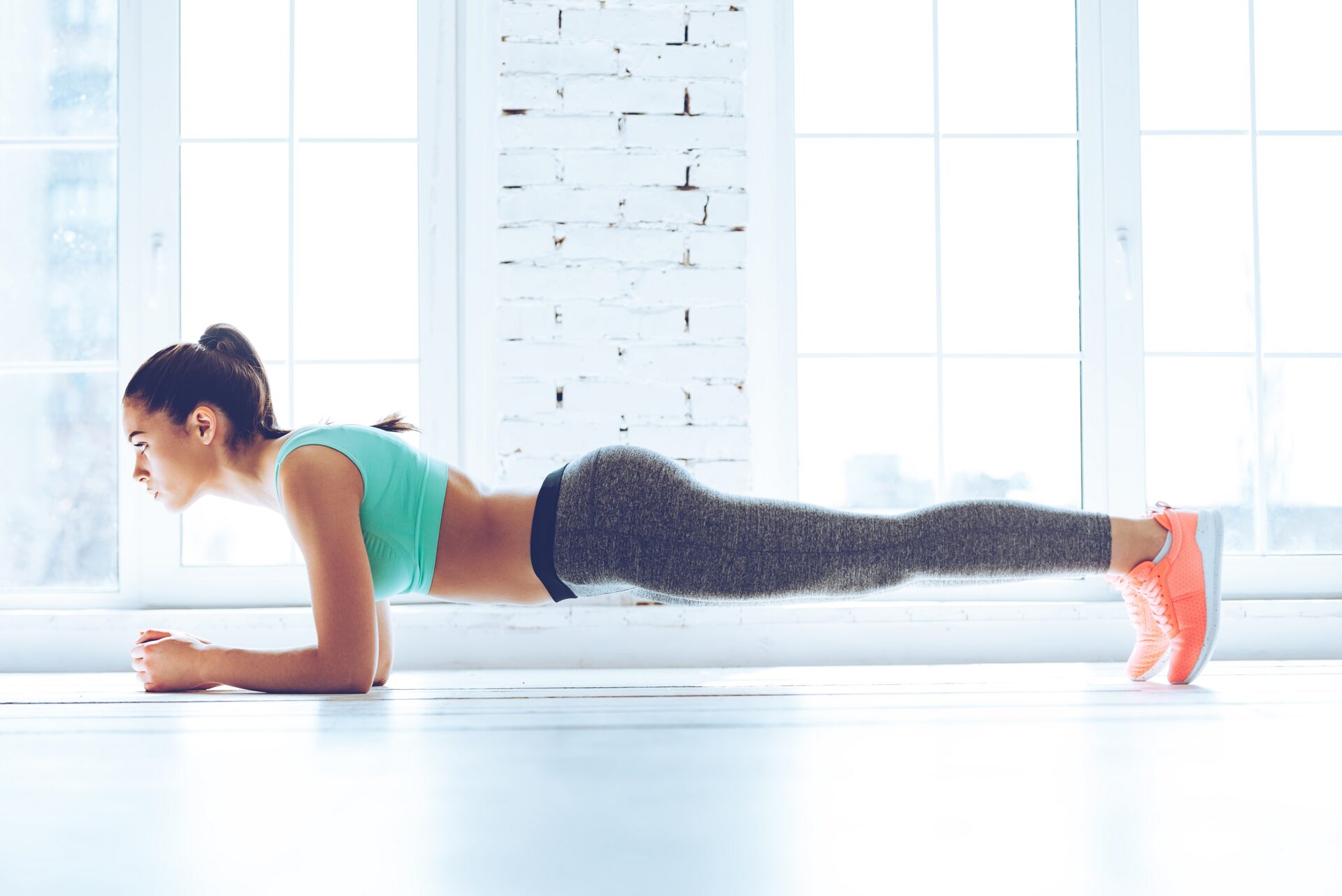
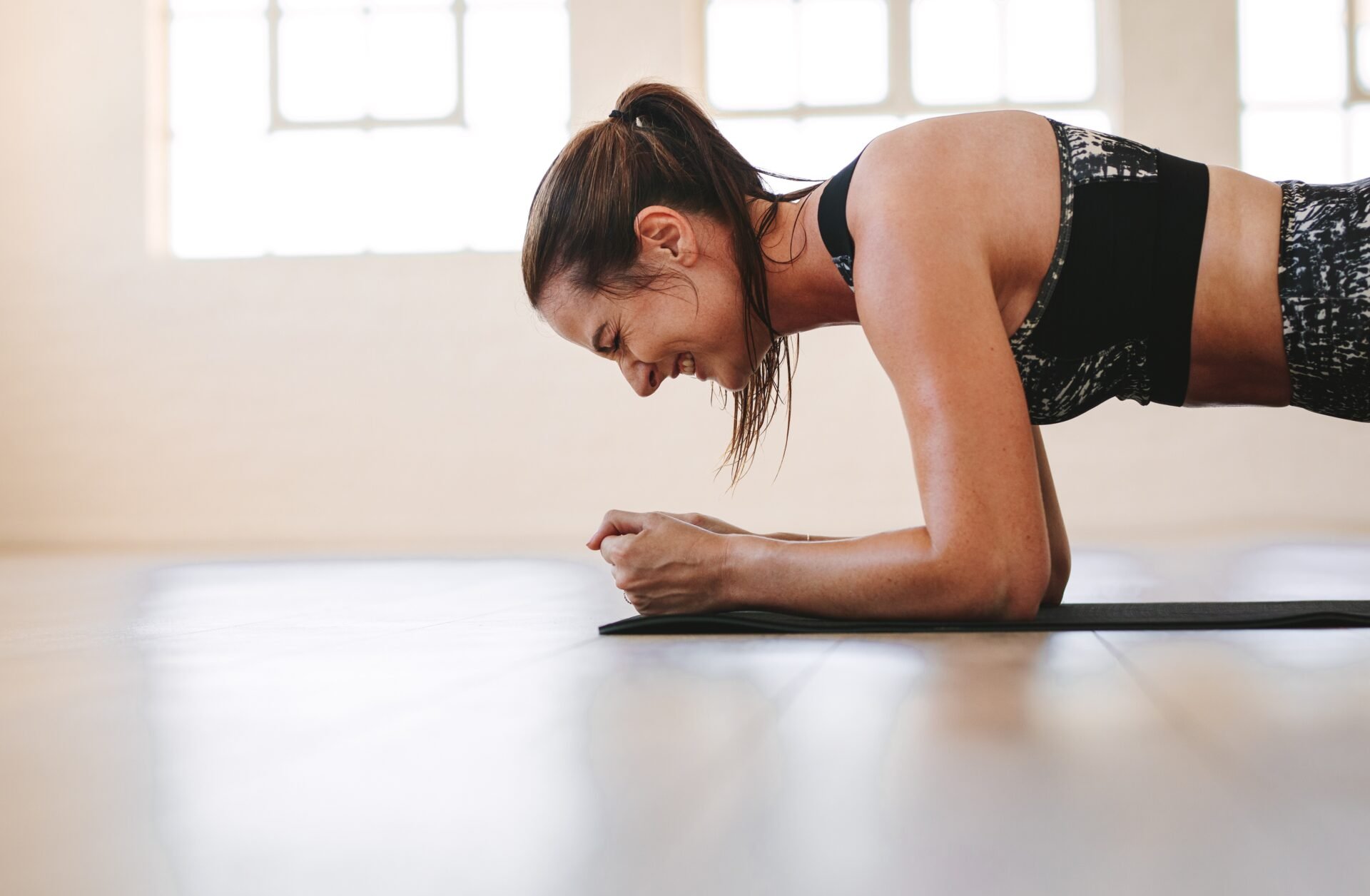
Plank training is a form of exercise that primarily targets specific muscle groups: the core, the back, and sometimes the glutes (buttocks) and thigh muscles (particularly the quadriceps). The most classic exercise is undoubtedly the plank, which involves holding a position face down, supported on the tips of your feet and forearms, with elbows resting on the floor. When performed correctly, the body is aligned in a straight line and the muscles are fully engaged. There are also other planking variations, such as the side plank, the wall sit, and certain yoga or Pilates poses.
Is planking effective against cellulite?
1- A quick look at cellulite first
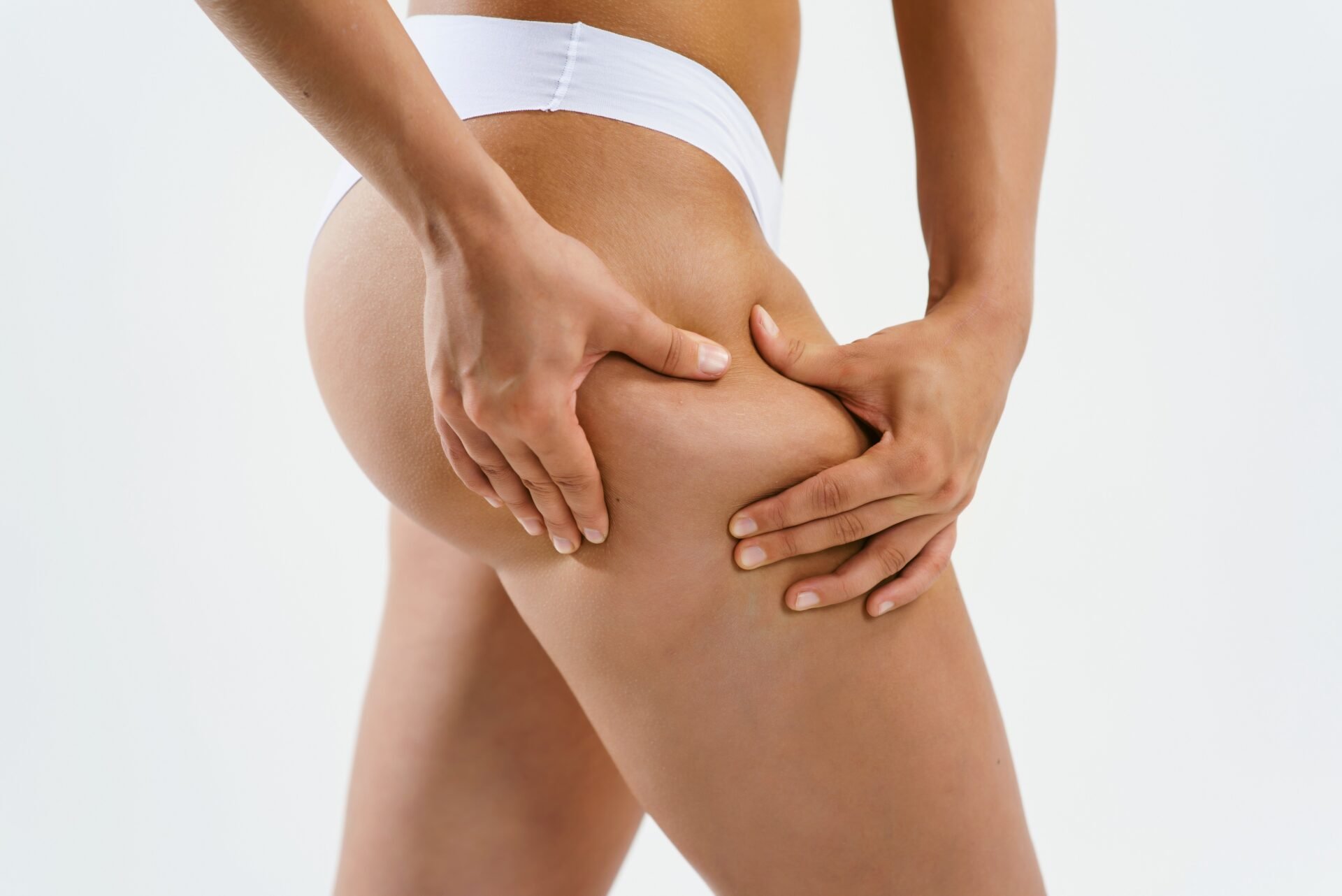
Before answering that question, let’s recap what cellulite actually is. Superficial lipodystrophy (the medical term for cellulite) is a benign tissue condition affecting the vast majority of women (90%). It results from an abnormal accumulation of fat, water and organic waste in the hypodermis. It gives the skin a bumpy appearance, commonly known as orange peel skin. It is caused by:
- An excess and multiplication of adipocytes — subcutaneous fat cells that become enlarged, distorting the lower layers of the epidermis in a way that is visible on the skin’s surface.
- Subcutaneous water retention — the veno-lymphatic network becomes compressed by “distorted” connective tissues, preventing vital fluids (blood, lymph, water) from circulating properly.
- A build-up of waste — as the veno-lymphatic network becomes sluggish, toxins get “trapped” in the tissues.
- Sometimes, fibrosis — in cases of fibrous cellulite, there is also a disorganisation of the elastic network (collagen and elastin fibres) within the connective tissues. Fibrosis is painful to the touch and gives cellulite a deeply embedded quality.
2- Is planking really anti-cellulite?
Let’s get to the point. The defining characteristic of planking is that it is performed isometrically — meaning it involves a voluntary muscle contraction without any movement. Planking is therefore a static exercise. As such, it strengthens many muscles and serves as an excellent foundation for more dynamic physical activity.
However, cellulite needs more than static planking sessions to disappear. Granted, planking can have a positive effect on cellulite in the sense that it encourages the body to draw on its fat reserves to fuel the effort. That said, before tapping into fat stores, the body will first use the most readily available energy source — namely, calories from recent food intake. On average, it takes around 45 minutes of exercise before the body starts burning fat. Moreover, planking is more of a preparatory exercise than one that burns calories quickly and efficiently. For this reason, it makes more sense to combine planking with endurance exercise to effectively stimulate fat cell drainage.
Furthermore, as we’ve seen, cellulite is partly caused by a sluggish veno-lymphatic system (compression of the vessels), which leads to a build-up of water and toxins in the tissues. Since planking is a purely static exercise, it does not stimulate veno-lymphatic flow. To boost venous return and drain the lymph (along with excess water and organic waste), movement is essential. This is precisely why women experiencing water retention are encouraged to walk and swim. Movement reactivates the venous pump, helping fluids circulate towards the elimination organs and lymph nodes.
For this reason, it is simply not true that cellulite can be eliminated through planking alone.
What should you do alongside planking to get rid of cellulite?
Drastic problems call for drastic solutions. To reduce or eliminate cellulite, consistency is everything. Alongside your planking sessions, adding an endurance sport is essential. You’re spoilt for choice: Zumba, swimming, elliptical trainer, rowing, running… Pick an endurance sport you enjoy and commit to it 2 to 3 times a week, with longer sessions.
It’s also well worth paying attention to your diet. Salt, sugar and saturated fats are the main culprits to cut from your plate. By focusing on a balanced diet (fruit, vegetables, low-fat dairy, complex carbohydrates, lean proteins) and home-cooked meals, you give yourself a real chance of seeing cellulite fade away.
And finally, cellulite hates targeted massage and skincare! Our Pack Maxi Anti-Cellulite is an excellent way to refine skin texture and tackle stubborn dimples! It contains:
- Our Cellulite Scrub, for gentle skin exfoliation — the ideal prep step before any anti-cellulite treatment.
- Our specialist cellulite oils: the Shower Oil (enriched with lipolytic pineapple bromelain) and the Massage Oil (for your daily anti-cellulite massages).
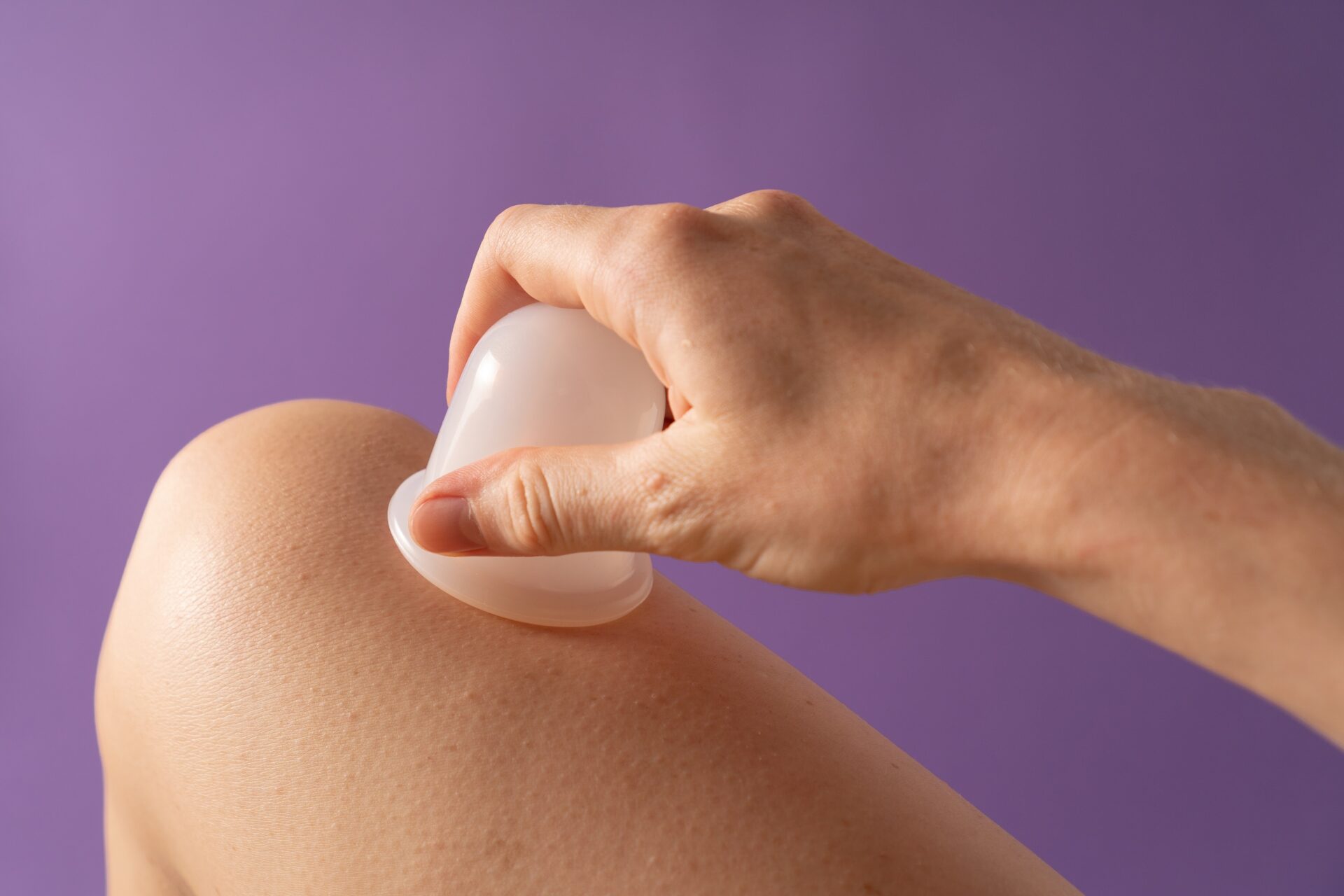
- Our must-have accessories, including our best-seller, the Cupping Massage Cup (pinch-and-roll massage at home) and the Orange Peel Massager (stimulates veno-lymphatic flow for visibly smoother skin).
- Our Cryo Cellulite Cream, doubly enriched with coffee and green coffee, both known for their exceptionally high caffeine content — a metabolism booster that helps reduce fat storage.
- Two coaching guides to support you in your fight against cellulite!
Give yourself 21 days — you will notice a difference, guaranteed! In the very first week, 85% of Pack Maxi users reported a visible reduction in cellulite on their thighs and buttocks. So why not you? To sum it all up:
- Planking — yes, but always paired with a more intense workout.
- A cellulite-fighting diet is a must.
- The anti-cellulite treatments from the pack.
