Maybe your grandmother told you time and again: baking soda is good for everything! What if she was right? From cleaning to cooking and bathroom routines, this white powder has more than one trick up its sleeve — and it could find a place in your skincare routine for areas affected by cellulite. What exactly is baking soda, what can it be used for in beauty, how can you use it in a mask, scrub or bath, and what other habits can you adopt? Here is a closer look at this all-purpose ingredient.
What is baking soda?
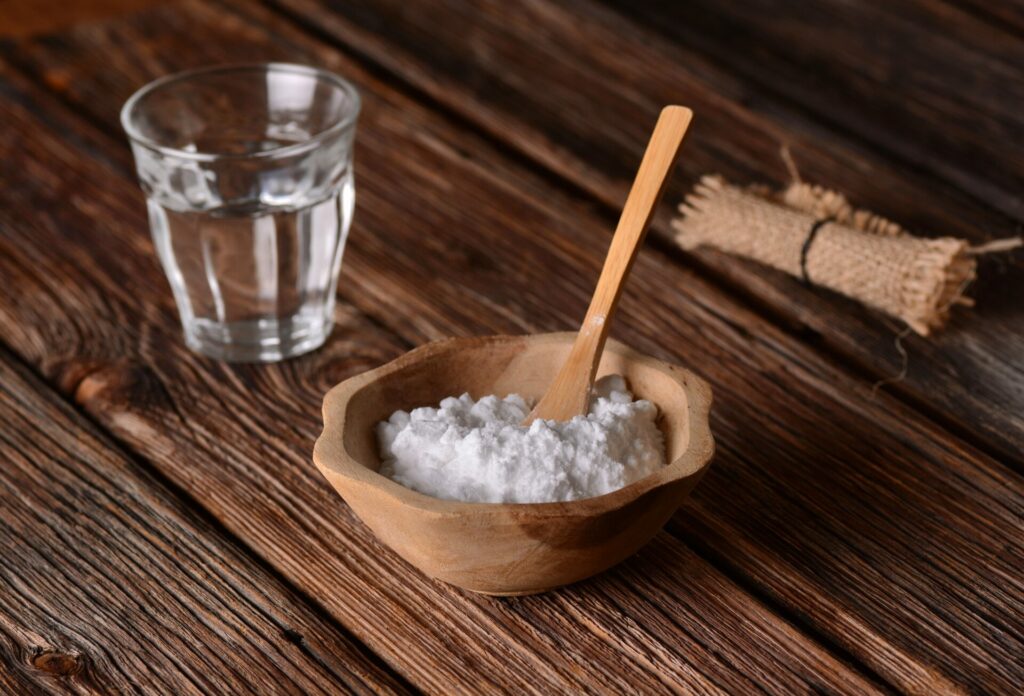
First things first, you’re perfectly entitled to ask: what exactly is baking soda? Put on your chemist’s lab coat — here’s everything you need to know. Baking soda, sodium bicarbonate, and sodium hydrogen carbonate are all one and the same: a white, crystalline, powdery ionic compound. It is an acid salt that reacts when it comes into contact with other chemicals, acting as a mild alkali.
There are three types of baking soda: technical (used in detergents and cleaning products), food-grade (“Baking Soda”, which helps bread and cakes rise!) and pharmaceutical-grade. The name is the same, but the fineness of the product differs. Medicinal-grade baking soda is finer and purer, but food-grade quality can be used for all purposes — it is identified by the FCC code.
What are the benefits of baking soda?
Grandma was right: baking soda is an all-purpose powder, equally useful around the house and in the bathroom. Disinfecting, deodorising, cleaning, descaling… It cleans and freshens your home in no time. It also has other uses:
- Added to the cooking water of certain foods, such as cabbage or legumes — a traditional use (see also our tips to aid digestion).
- For any use relating to your health, including nausea, heartburn, mouth ulcers or fungal infections, ask your pharmacist or doctor for advice: baking soda does not replace medical treatment.
On the beauty front, baking soda can help you:
- Make a shampoo: sprinkle baking soda onto your pre-dampened scalp. Gently massage, then rinse with plain water or water with a splash of vinegar. Clean hair and shine to spare!
- Create a deodorant: if you’ve run out of deodorant but have baking soda at home, you’re sorted! Pat a little baking soda powder onto slightly damp underarms and let it dry… Freshness guaranteed!
- Exfoliate your face: baking soda can be used from time to time as a gentle facial scrub on skin that is not sensitive.
And if you’ve already welcomed baking soda into your bathroom routine, here is another way to use it: it can also find a place in your skincare routine for areas affected by cellulite.
Three homemade baking soda recipes
Baking soda is a useful ingredient in homemade treatments. As a gentle exfoliant, it helps remove dead skin cells, leaving skin feeling softer to the touch.
1- Honey body mask
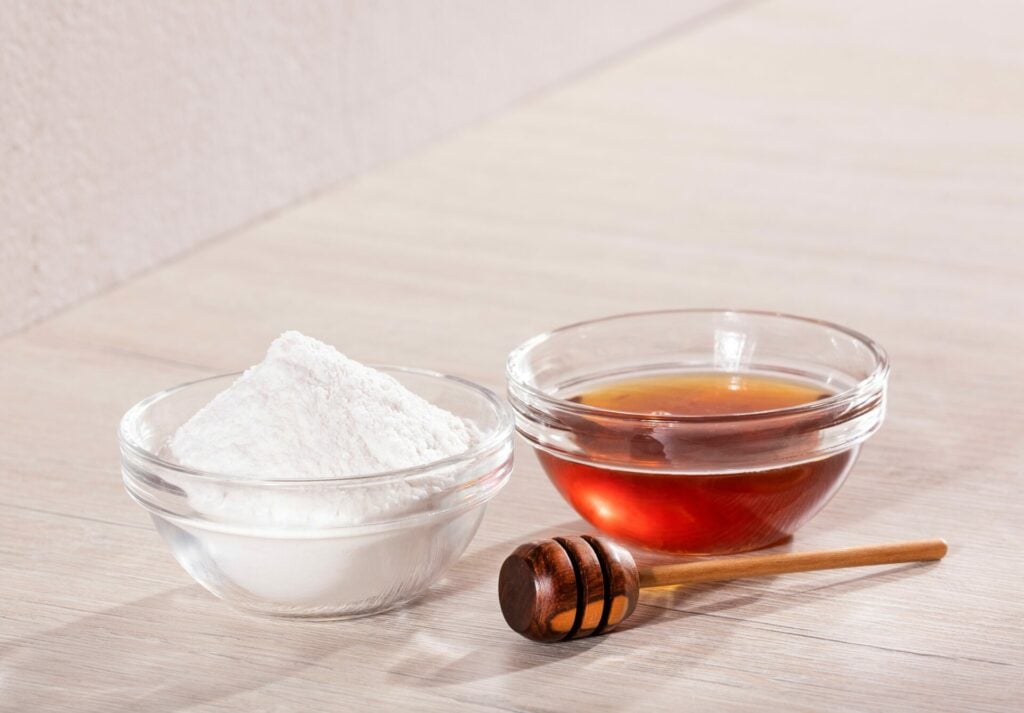
This body mask gently exfoliates the skin and leaves it feeling soft and supple. To prepare it, you will need:
- 1 tsp Manuka honey
- 2 tsp baking soda
- A little water
Pour the Manuka honey into a bowl and add the baking soda. Mix together until you get a smooth paste, then thin it out with a little water. Apply the mask to the area of your choice. You can also massage the area using small circular movements for 2 to 3 minutes. Baking soda is a gentle exfoliant that will rid the skin of dead cells. Honey, meanwhile, adds a touch of softness. Enjoy the feel of soft skin and a smooth finish!
2- Coffee grounds scrub
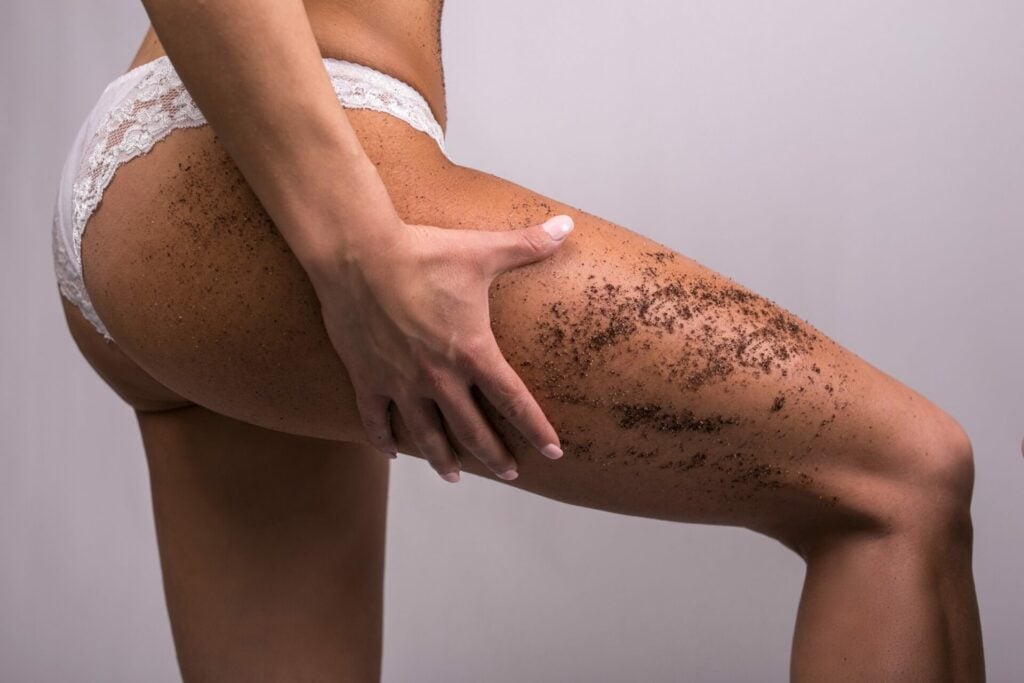
This exfoliating baking soda poultice is designed to be massaged onto areas with a dimpled appearance. To make it, mix the following in a bowl:
- 4 tsp coffee grounds
- 3 tsp green clay
- 2 tsp baking soda
- A little water
The mixture should be well blended. Apply it to your thighs, stomach or hips and massage the area vigorously. Rinse off with clean water. Repeat these toning massages regularly before showering, spacing them out if your skin is sensitive: it is the regularity of the massage that matters. Coffee grounds (rich in caffeine), green clay and baking soda make a complementary trio.
If you’d rather skip making it at home, you can go straight for our Anti-Cellulite Scrub.
The scrub that leaves skin smooth and skin texture refined*
*User test on 21 volunteers over 4 weeks, based on participants' feedback.
- Olive & apricot kernels: these natural grains gently sweep away dead skin cells
- Caffeine & monoi scent, so your shower instantly smells like a holiday
- In the shower, two to three times a week, massaging your thighs, bottom and stomach
3- Relaxing salt bath
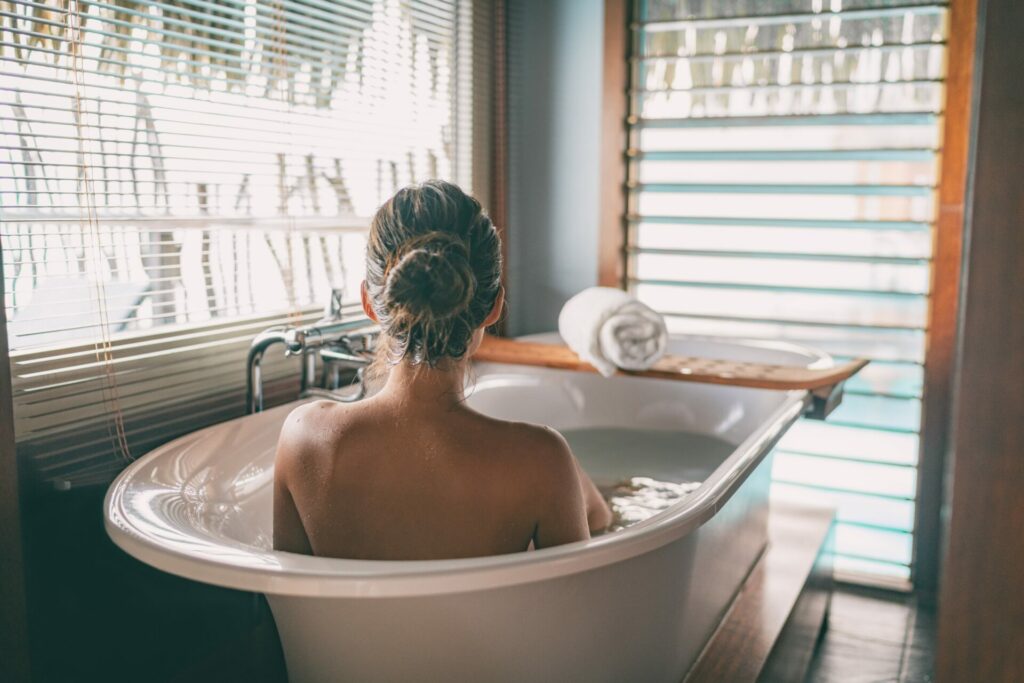
Here is a recipe for a nourishing bath that will help you unwind while caring for your skin. Be careful not to run the bath too hot, as heat is not the best friend of your legs. To prepare your bath, you will need:
- Raw sea salt
- Epsom Salt
- Baking soda
- 10–20 drops of essential oil of grapefruit or lemon
Mix the salts and baking soda with the essential oil — since essential oils don’t dissolve directly in water, they need a carrier. Salt and baking soda work perfectly for this. Once the salts are well infused, pour them into the bath water and soak for 20 minutes in this fragrant bath. Treat yourself to this little ritual once a week: a relaxing moment for both mind and body.
What other habits can you adopt for cellulite-prone areas?
Of course, there are other ways to care for areas affected by dimples.
1- Cosmetic treatments and massages
Alongside your baking soda home treatments, you can absolutely build a proper cosmetic routine! Our Express Anti-Cellulite Pack includes two cosmetic products and two accessories:
- The Cellulite Scrub, rich in caffeine, is used 2 to 3 times a week in the shower. It gently exfoliates the skin, leaving it feeling smoother and softer.
- The Stimulating Massage Oil, enriched with fruit actives, is an ideal massage base. It contains natural extracts of lemon, grapefruit and kiwi.
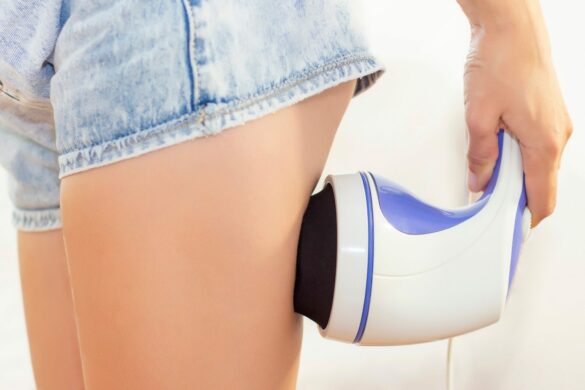
- The Cupping Cup and the Orange Peel Massager accompany your massage sessions.
Our anti-cellulite routine combines cosmetic products and massage: the cupping cup replicates the pinch-and-roll technique, while the massager supports a gentle massage. It does not make cellulite disappear, but it can be incorporated into your homemade skincare routine.
Alongside your homemade baking soda treatments, you can also adopt a Cellublue routine.
2- Lifestyle habits
Lifestyle clearly has an impact on skin quality and body shape. Taking care of your daily habits — diet, sleep and physical activity — may have a positive influence on the appearance of your skin.
When it comes to diet, opt for a varied and balanced diet, avoiding saturated fats, sugar, refined and processed foods, and excess salt. Focus on filling your plate with fruit and vegetables, wholegrains, lean proteins and other good-quality foods. Hydration is equally essential: say goodbye to fizzy drinks and hello to water, herbal teas, homemade juices and broths.
On the exercise front, aim for regular physical activity: a daily walk is highly recommended. Some activities are often suggested, including endurance sports such as running on soft surfaces, swimming and cycling, as well as cardio and deep stretching such as Pilates, yoga and aqua aerobics. Gentler forms of exercise may be preferable, particularly if you have water-retention cellulite. If you have heavy-feeling legs, ask your doctor for advice before taking part in activities such as tennis, athletics or boxing.
Finally, when it comes to general lifestyle, avoid all kinds of excess — alcohol, smoking, prolonged sun exposure, lack of sleep, and chronic stress. These factors can all affect skin quality.
3- Food supplements
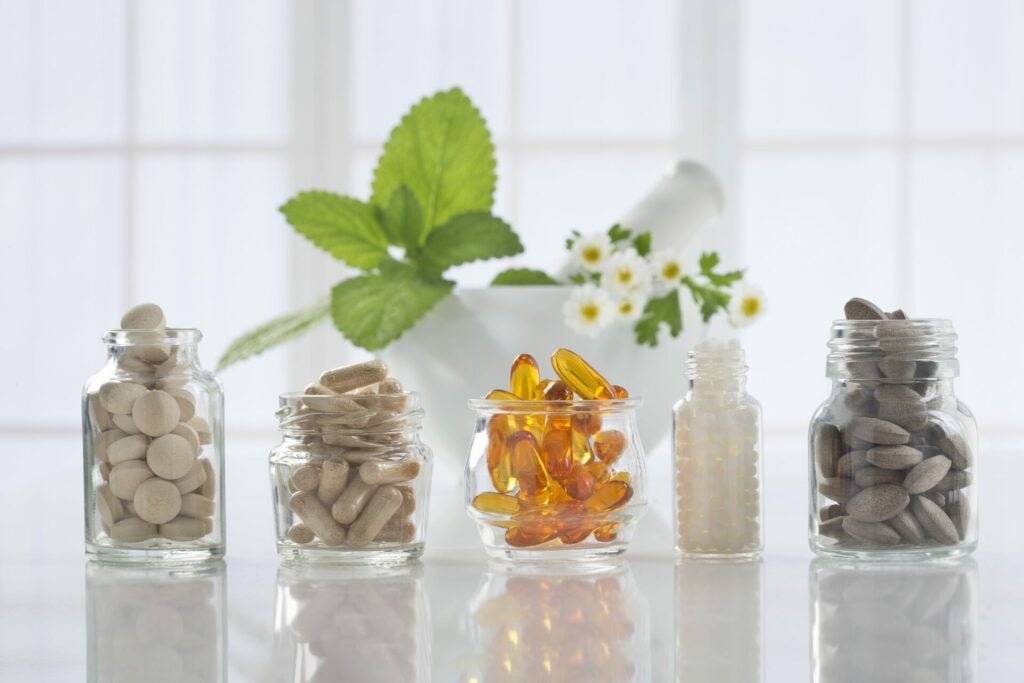
Food supplements are another option sometimes considered for cellulite-prone areas; they do not replace a varied, balanced diet or a healthy lifestyle. If you take them, choose them with great care. The composition of any food supplement deserves close scrutiny — after all, you’re going to be ingesting it! Avoid supplements loaded with additives and chemical compounds, and opt instead for natural, plant-based ingredients. The format (tablets, capsules or a drinkable solution) matters little and is largely a matter of personal preference.
Anti-cellulite food supplements generally contain plant-based ingredients, such as caffeine from guarana, capsaicin from chilli and bromelain from pineapple, along with plants such as ivy, horse chestnut, hawkweed and orthosiphon. This is the case with our Cellulite Cure, which combines capsules and a drainer. For more about how the body stores and uses fat, see our article on lipolysis.
- Our Cellulite Capsules, formulated with natural, vegan ingredients, combine guarana and ascophyllum extracts with cherry stem and red vine.
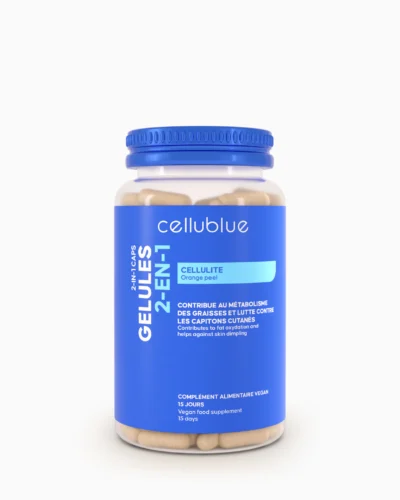
A little extra help from within, alongside your massage
- Instructions for use
- Friendly advice
- Our Cellulite Drainer is a drinkable solution to dilute in water. It contains natural extracts of green tea and papaya. Like any supplement, it does not replace a balanced diet. To learn more about “detox”, read our dedicated article.

Four plant extracts, one dose a day
- Instructions for use
- Friendly advice