You’re drawn to holistic wellness: herbal medicine, aromatherapy, naturopathy… So what about acupuncture? This practice rooted in Chinese tradition has long sparked debate: dismissed as a gimmick by some, valued as a worthwhile remedy by others. Is acupuncture worth considering when it comes to cellulite? Here’s what this traditional Chinese medicine technique involves, what you can reasonably expect from it for orange-peel skin, and the good habits to adopt alongside your sessions.
What is acupuncture?
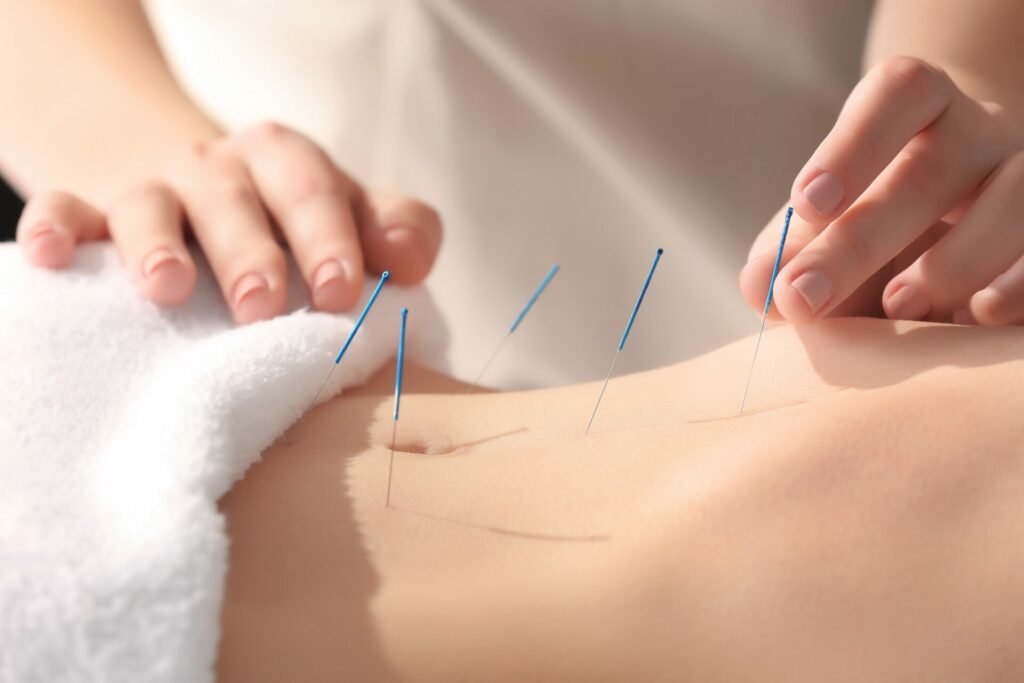
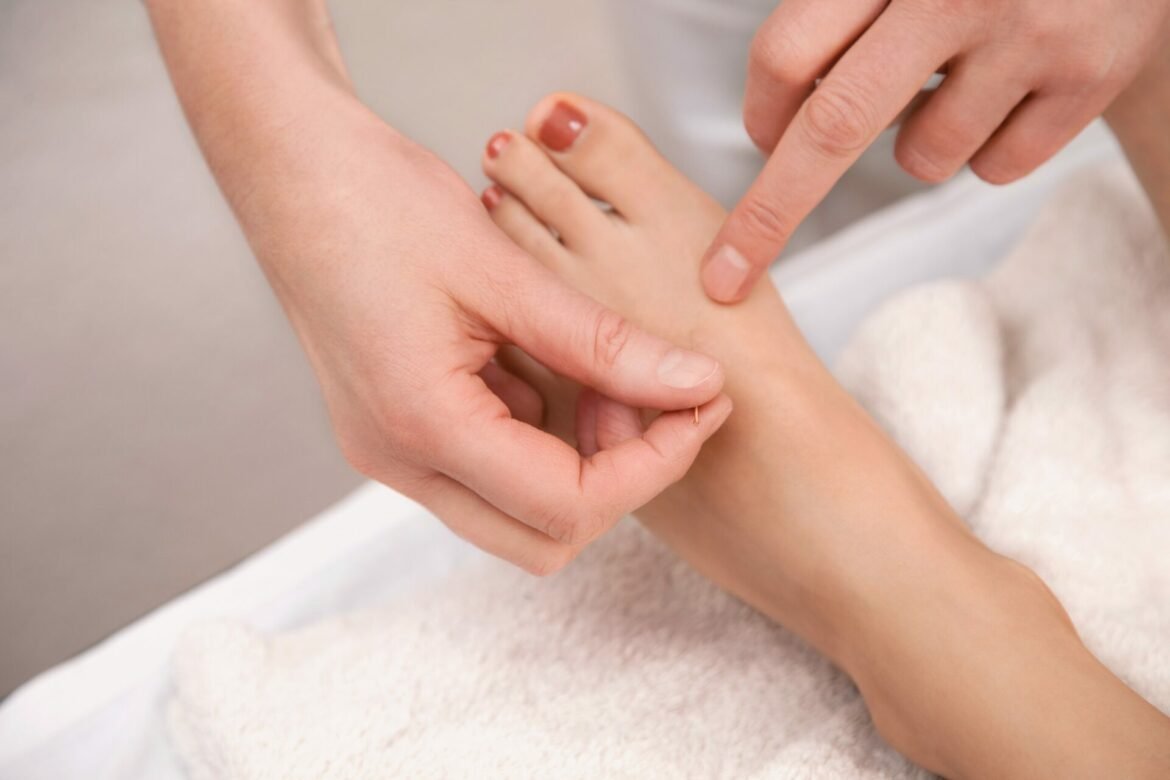
Acupuncture is one of the core therapies in traditional Chinese medicine. It involves stimulating specific points on the skin using fine needles. These are known as acupuncture points, and they lie along energy pathways called meridians. The primary aim of acupuncture is to restore balance to the body’s energy.
Meridians are essentially energetic channels. The body has 12 so-called regular meridians (6 associated with the hand, 6 with the foot) and 8 extraordinary meridians. Each of the 12 regular meridians corresponds to an organ and its associated “psycho-visceral” relationships.
The hand meridians are:
- The Lung meridian: respiratory conditions, shoulder and back pain
- The Large Intestine meridian: digestive issues, abdominal pain, toothache
- The Heart meridian: dryness and thirst, chest pain, jaundice
- The Small Intestine meridian: abdominal pain, head-related conditions such as hearing loss or swelling
- The Pericardium meridian: chest complaints, palpitations, irritability, arm and elbow pain
- The Triple Warmer meridian: urinary issues, ear disorders, shoulder and ear pain.
The foot meridians are:
- The Stomach meridian: gastric complaints, digestive problems, pain in the chest and knees
- The Spleen-Pancreas meridian: oral and gastric pain, fatigue and weakness, stiffness
- The Bladder meridian: migraines, eye conditions, neck, back, lumbar and lower limb pain
- The Kidney meridian: breathing difficulties, digestive issues, motor and muscular atrophy of the legs, lower back pain
- The Gallbladder meridian: dizziness and headaches, facial pain (jaw, eyes, mouth, ears)
- The Liver meridian: hernia and lower back pain, lower abdominal pain
The extraordinary meridians are located along the trunk and feet:
- The Governing Vessel, associated with mental and psychic functions
- The Conception Vessel, associated with gynaecological disorders
- The Thoroughfare Vessel, associated with digestive issues
- The Belt Vessel, associated with abdominal disorders and joint problems
- The extraordinary foot meridians, associated with motor and visual functions
The points scattered along each meridian do not carry specific therapeutic properties in themselves. Stimulating them (by inserting fine needles) simply helps restore energetic flow and, in doing so, rebalance the body’s overall functioning.
Can acupuncture have an effect on cellulite?
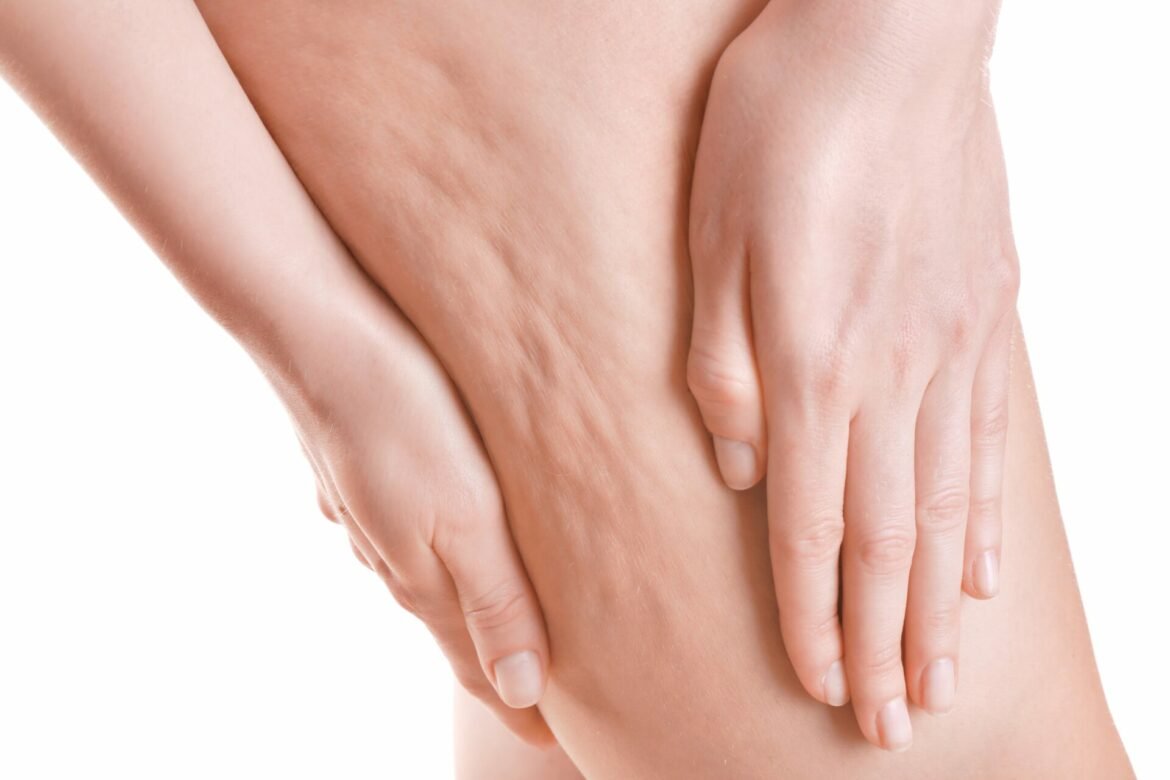
It’s difficult to give a definitive answer, given how controversial this practice remains. Acupuncture is in fact a highly active area of medical research: it has been the subject of 23,000 publications, 3,200 controlled trials, 180 meta-analyses and 700 systematic reviews. Its effectiveness is therefore still widely debated. The only effects demonstrated to date are:
- Neuropsychological effects – acupuncture may contribute to the placebo effect
- Neurophysiological effects – including a positive role in pain management
That said, its advocates believe acupuncture has a role to play in a range of concerns, cellulite included. In their view, it could have an influence on certain contributing factors and triggers of orange-peel skin:
- blood and lymphatic circulation
- stress and sleep quality
- the body as a whole, including water balance
- appetite
- digestion, which its advocates link to fat storage
So, is acupuncture worth considering for cellulite? One thing is certain: acupuncturists unanimously agree that acupuncture is not a miracle solution and should only be considered for cellulite alongside healthy lifestyle habits: a balanced, varied diet and regular physical activity. Some practitioners also suggest pairing it with herbal medicine, something to discuss with a qualified professional. Furthermore, if certain conditions are linked to cellulite and/or weight gain, such as diabetes or a thyroid disorder, acupuncture is unlikely to be of much help.
What to do alongside your acupuncture sessions?
As recommended by specialists, here’s what you can do:
1- Adopt a balanced diet
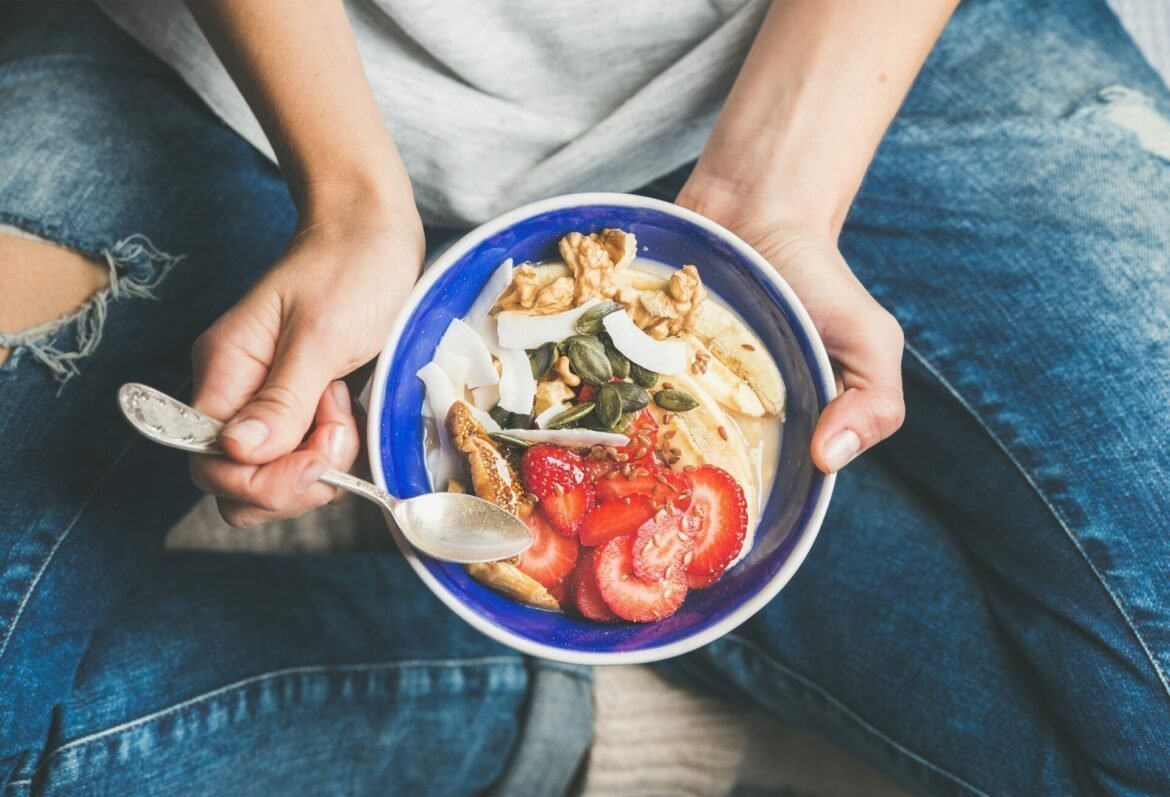
The key is to eat well, favouring variety and simplicity. Opt for:
- Fruit and vegetables at every meal, alternating between raw and cooked preparations.
- Foods that are a source of potassium: fresh herbs, dried fruits, spices, raw cacao. If you’re prone to water retention or aqueous cellulite, ask your GP or a qualified professional for advice.
- Lean proteins: white meat, fish, plant-based proteins from legumes or seeds.
- Low-GI complex carbohydrates: root vegetables, wholegrain bread, wild rice…
Avoid:
- Heavily processed foods loaded with additives, whether salt, sugar or added fats (which are often hydrogenated).
- All overly salty foods: cured meats, ready meals, crisps and crackers, aged cheeses…
- Sugar and sweet treats, best kept to a minimum: spreads, pastries, biscuits, sugary drinks…
2- Stay well hydrated
Good hydration, primarily through water, goes hand in hand with acupuncture treatment. Aim to drink throughout the day, around one and a half to two litres. You can also choose sugar-free drinks such as green tea and herbal infusions. You can also add a draining supplement to your daily water intake. For a change of flavour, our drink to be diluted combines plants, including guarana, papaya and ash tree.
Four plant extracts, one dose a day
- Instructions for use
- Friendly advice
3- Massage daily
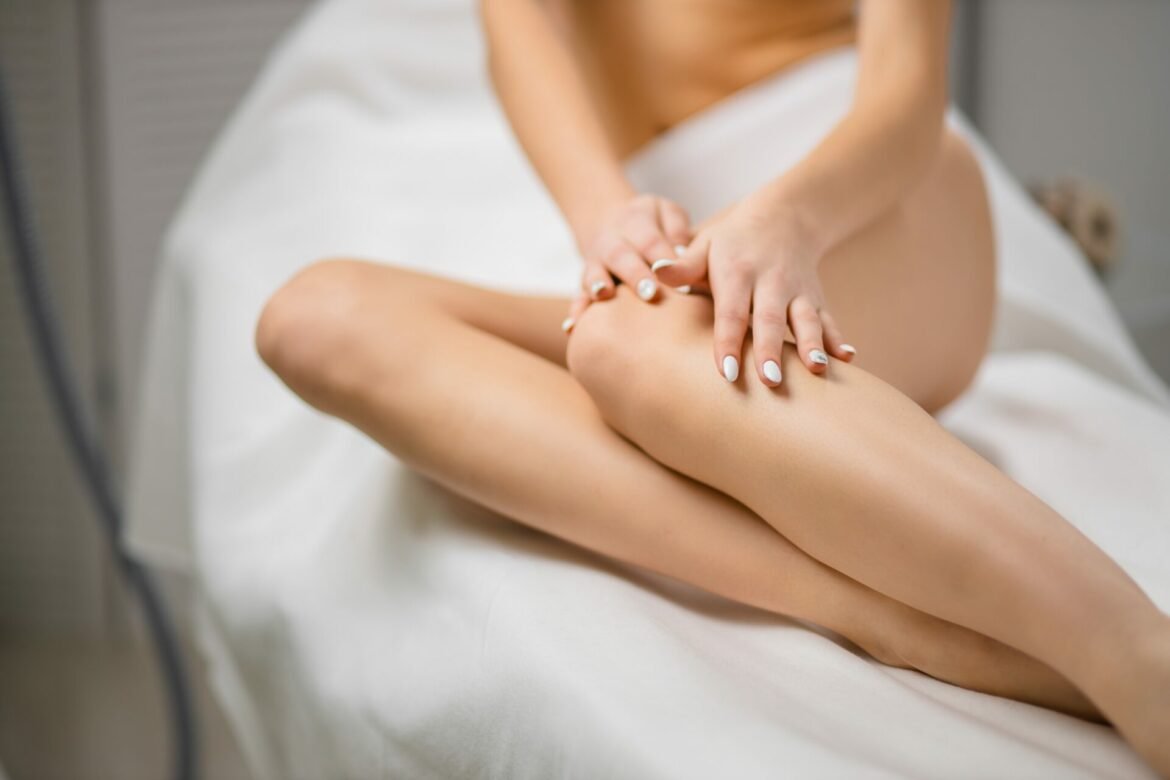
Massage is one of the most popular ways to care for areas prone to cellulite. Between acupuncture sessions, nothing beats a pinch-and-roll massage at home using our Anti-Cellulite Cupping Cup and our Massage Oil. The suction and rolling action of cupping massage replicates the pinch-and-roll technique. Just 3 minutes per area, every day, and you’re gently caring for the areas where dimples tend to settle!
4- Get moving regularly
Finally, as acupuncture practitioners point out, regular physical activity is one of the habits to combine with your sessions. It can be varied: what matters is consistency. You can build movement into your daily routine with walking (30 minutes every day), a gentle practice like yoga or Pilates (once or twice a week) and something more energetic like running or swimming (once or twice a week, for 45 minutes). A lovely way to look after your body every day!