You’re tempted by a device to help care for your cellulite, but you’re not sure which one to choose. Massagers, cupping devices, LED or ultrasound: it’s easy to get lost. Here’s how an ultrasound device works, what you can realistically expect from it for cellulite, both in a clinic and at home, and which alternatives are available.
How does an ultrasound device work?
Ultrasound has been used for decades for therapeutic purposes. Ultrasound therapy is commonly used in physiotherapy to treat muscle tears and tendinitis, as well as to relieve symptoms of certain conditions such as muscular or tendon stiffness. The technique relies on acoustic waves at varying frequencies, producing a dual effect:
- Mechanical effect: ultrasound generates vibrations, which act like micro-massages or micro-stimulations.
- Thermal effect: depending on their frequency, ultrasound waves produce a warming effect.
Professional ultrasound devices generally offer a range of settings depending on the treatment required: continuous or pulsed frequency, power output (1 MHz for deep tissue treatment — up to 5 cm, 3 MHz for superficial treatment — up to 1.5 cm), and session duration (maximum 30 minutes).
Non-invasive, relatively painless and low-risk, ultrasound technology quickly caught the attention of aesthetic medicine — particularly for cellulite treatment. Over time, the first consumer-grade ultrasound devices appeared on the market. Of course, they are simpler to use than professional machines and deliver lower power output.
How effective is an ultrasound device on cellulite?
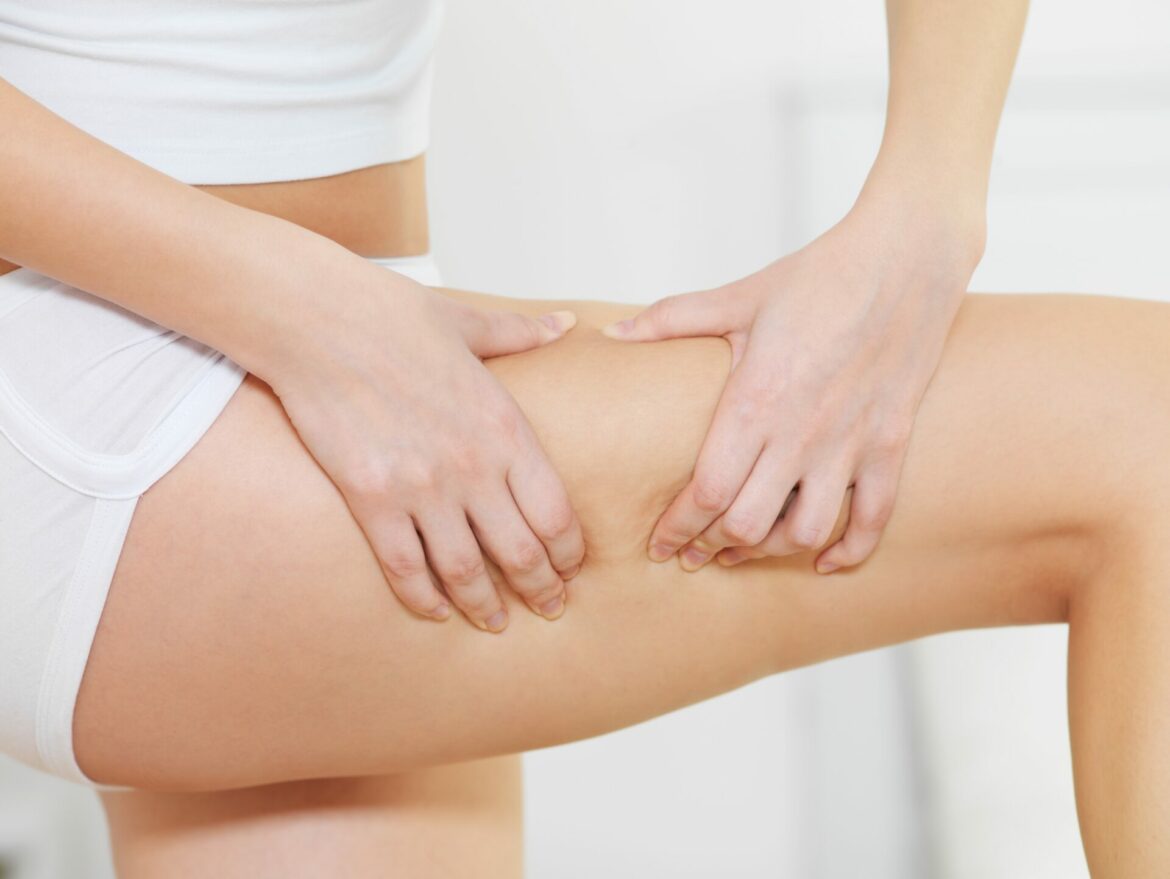
A professional ultrasound device typically targets two aspects of cellulite:
- High-intensity focused ultrasound (HIFU) targets adipocytes. It heats fat cells, without damaging the connective tissue. This is the thermal effect mentioned above.
- Draining massage ultrasound (DMU) offers a massaging action on areas prone to excess water. This is the mechanical effect of ultrasound.
Ultrasound therapy can therefore help to target both fibrosis and fat density, by focusing on fat cells and their contents. It can be considered suitable for all types of cellulite (adipose, aqueous and fibrous), as it addresses the different underlying causes of orange-peel skin.
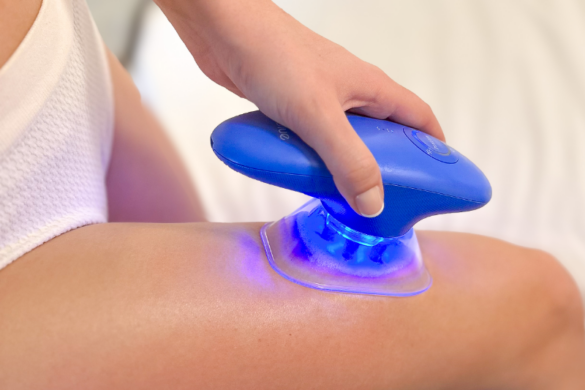
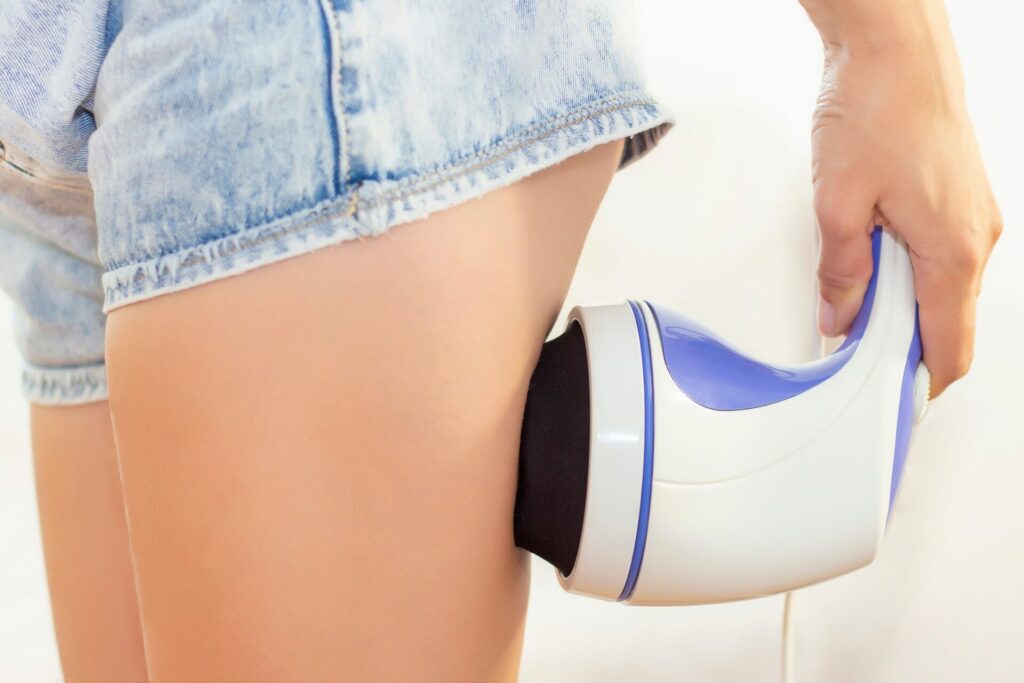
Consumer ultrasound devices are often less powerful than the professional machines used in aesthetic clinics. That said, some are well-designed, high-quality products that frequently combine several anti-cellulite technologies. It is not uncommon to find multi-function devices pairing ultrasound technology with LED or electrostimulation.
What about belly fat?
If it’s your tummy area that concerns you, bear in mind that at-home ultrasound devices are less powerful than professional machines. Before buying anything, ask a doctor or an aesthetic medicine professional for advice. They can tell you whether clinic sessions are right for your situation, or point you towards a different approach.
Either way, a balanced diet and regular physical activity remain the foundation of a well-rounded routine.
Are there alternatives to the ultrasound device for treating cellulite?
There are other devices on the market for caring for cellulite-prone areas. They are generally easy to use and, used regularly, fit easily into an at-home routine, at a fraction of the cost of salon treatments. Our Electric Cellulite Cupping Device is a good example. It doesn’t rely on ultrasound technology, but it is highly versatile:
- It delivers electrostimulation to cellulite-prone areas (EMS function). Its rollers, fitted with small electrodes, help to stimulate the skin, particularly on areas where skin looks less firm and water retention is visible.
- Its LIPO function faithfully replicates the palpate-roll technique, which remains one of the most popular anti-cellulite massage techniques available today. The suction cup lifts the skin while the rollers massage the dermis in depth. To understand the mechanism involved, find out more about lipolysis.
With just 5 minutes per area, our Electric Cupping Device supports you on the way to firmer-looking skin, free from its dimpled appearance. The effect varies from person to person: used regularly, it may help users notice a real difference in their cellulite, describing it as less visible.
Our advice: daily use of our Electric Cupping Device, combined with a balanced diet and regular exercise, will help you take care of your skin when it comes to cellulite.
Professional anti-cellulite technology at home
- Designed to smooth the look of dimpling & tone the skin in depth
- Visibly smooths the appearance of orange-peel skin
Frequently asked questions
Does an at-home ultrasound device work on cellulite?
Used regularly, it can help smooth the look of your skin, but it remains less powerful than a professional machine. Pair it with a balanced diet and regular physical activity.
Are there any risks with ultrasound for cellulite?
The technique is non-invasive and considered low-risk, but it isn’t suitable for everyone: pregnancy, a pacemaker, a metal implant in the area being treated or phlebitis, for example. Ask your GP for advice before you start.
What’s the difference between clinic and at-home ultrasound?
Professional machines offer more powerful and more precise settings, such as high-intensity focused ultrasound, which targets fat cells. At-home devices mainly focus on the massaging effect and are often combined with other technologies, such as LED or electrostimulation.