
You’ve heard it all when it comes to alcohol: it makes you gain weight, it should be enjoyed in moderation, you should cut it out entirely… Whatever the case, you’d love to know whether your daily glass of wine or your weekend drinks are actually affecting your figure. Here’s why alcohol can encourage weight gain (calories, feeling full, food choices), what changes when you cut back or stop drinking, and how to keep your drinking sensible without feeling deprived.
What impact does alcohol have on weight?
1- Alcohol: a source of “empty calories”
Let’s cut to the chase: alcohol can encourage weight gain. Drinking alcohol, even in small amounts, can affect your weight, and there are two main reasons for this.
- Alcohol is high in calories: one gram of pure ethanol (the scientific name for alcohol) contains 7 kcal, nearly twice as much as one gram of pure sugar (4 kcal). That glass of wine you enjoy with dinner therefore “costs” around 70–80 kcal, roughly the equivalent of three sugar cubes. And it has to be said: these are empty calories. They provide nothing useful to the body, other than perhaps a moment of pleasure. These calories, which your body has no use for, come on top of those from your meals and can be stored more easily.
- The way alcohol is processed can itself encourage weight gain: once alcohol has been swallowed, the body works quickly to get rid of it, since it serves no purpose. Alcohol is broken down mainly by the liver, which processes ethanol by producing certain enzymes. This has negative effects not only on cholesterol and fatty acid synthesis, but also on the way the body uses fat. Processing alcohol can therefore encourage fat storage in two ways, particularly around the stomach.
2- Alcohol disrupts your sense of fullness
Alcohol has another surprise in store for you… Did you know that even a small glass of bubbly — which you might think is completely harmless — can disrupt your sense of fullness? Satiety is the feeling you get after eating, when you’re satisfied enough to stop. Alcohol, as a psychoactive substance, influences the brain. It acts on the hypothalamus — a gland located at the base of the brain — and inhibits the production of leptin, the satiety hormone. The effect is straightforward: when we drink, we tend to eat more (on average 30% more!), because our sense of fullness is thrown off…
3- Alcohol changes our food choices
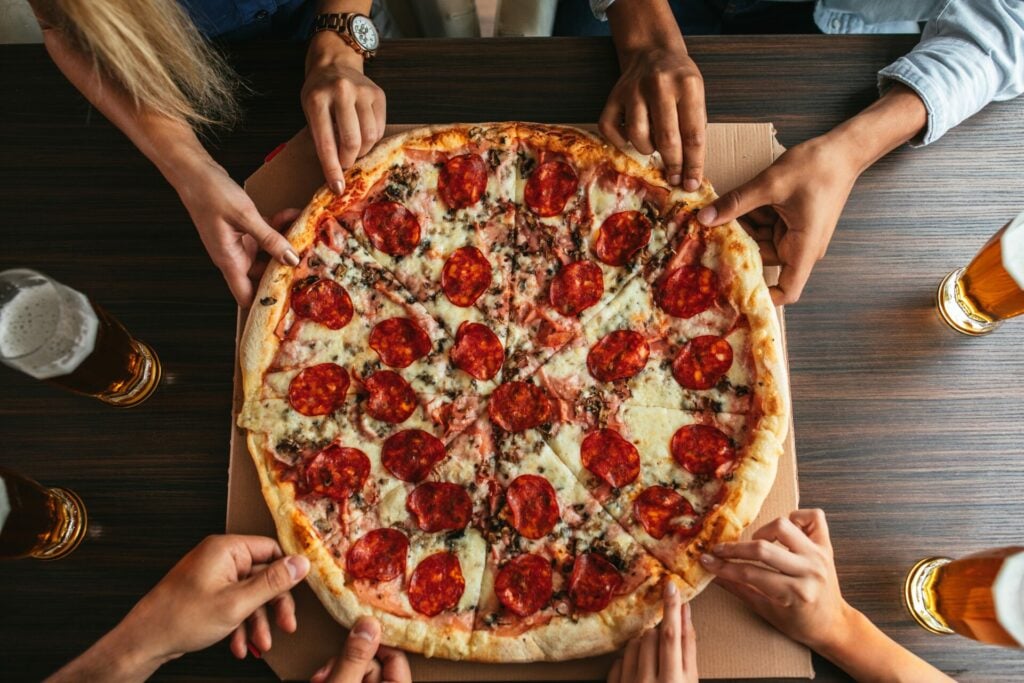
Have you noticed that every time you’ve had a drink, you feel an irresistible pull towards fatty foods? You’re not alone: a study by the National Institute on Alcohol Abuse and Alcoholism revealed the links between alcohol consumption and dietary habits. Researchers studied the behaviour of 1,864 individuals and found that their food choices differed depending on whether they had been drinking. On days when alcohol was consumed, diets were higher in fat and salt and lower in fruit and dairy products.
How does this happen? It’s quite simple: alcohol acts not only on the neurons in the area of the brain that regulates food intake, but also on the frontal cortex, the seat of judgement and self-control. When we drink, we lose not only control over how much we eat, but also over the nutritional quality of the foods we consume… often for the worse! Weight gain follows.
Does giving up alcohol help you get back in shape?
The answer is broadly yes, with a few caveats. As we’ve seen above, alcohol is high in calories and it directly influences how we eat. Cutting back on or giving up alcoholic drinks can therefore have a positive effect on your weight and your figure. Of course, the impact depends on how much you usually drink: it will generally be more noticeable for someone who drinks every day than for someone who only drinks occasionally.
That said, watch out for feeling deprived! Over time, it could catch up with you and lead you to compensate for giving up alcohol by turning to other habits that are just as bad for your figure: sweets, fizzy drinks, fast food. So what’s the answer? Perhaps drinking responsibly and mindfully. A glass of champagne at your BFF’s wedding, a cocktail on a night out with friends or a glass of wine over a lovely dinner with your partner can still have a place in your life: what matters is how much and how often you drink, and your eating habits as a whole. The key is to drink in moderation, and only when you genuinely feel like it. Say goodbye to peer pressure, automatic habits (like topping up an empty glass without thinking) and excuses (because no, alcohol doesn’t actually lift your mood…).
Finally, it’s worth keeping in mind that cutting out alcohol is not the only step to take when it comes to slimming down. Without a varied, balanced diet and regular physical activity, getting back in shape remains a challenge.
Frequently asked questions
Does alcohol make you put on weight?
It can encourage weight gain. One gram of ethanol provides 7 kcal, and these are empty calories. Alcohol can also disrupt your sense of fullness and nudge you towards fattier, saltier food.
Can alcohol encourage belly fat?
When the liver processes ethanol, the way the body uses fat is disrupted, as is cholesterol and fatty acid synthesis. This can encourage fat storage, particularly around the stomach. On days when we drink, our meals also tend to be higher in fat and salt.
Does giving up alcohol make a difference to your figure?
Broadly yes: you cut out empty calories and keep better control over what you eat. The effect depends on how much you usually drink. That said, giving up alcohol is no substitute for a varied, balanced diet and regular physical activity.
Can you have the occasional drink while trying to get back in shape?
A glass of champagne at a wedding or a glass of wine over a nice dinner can still have a place in your life. What matters is how much and how often you drink, and your eating habits as a whole. Drink in moderation and only because you want to, and steer clear of peer pressure, automatic habits and excuses.
Related articles
Useful categories: Weight Management.
To go further, explore the Cellublue shop: our body care products.

 -61%
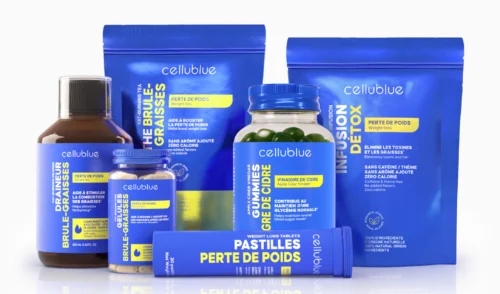
-61%Seven supplements and a smart scale: the whole programme in one pack
- In the morning, the Weight Loss Capsules and the Apple Cider Vinegar Gummies: chromium contributes to the maintenance of normal blood glucose levels
- With meals, the Fat Burning Drainer and one Weight Loss Tablet: green tea and ash round off the formula
- In the afternoon and evening, the Fat Burning Tea, the Fat Burning Capsules and the theine-free Detox Infusion: plants that contribute to digestive functions