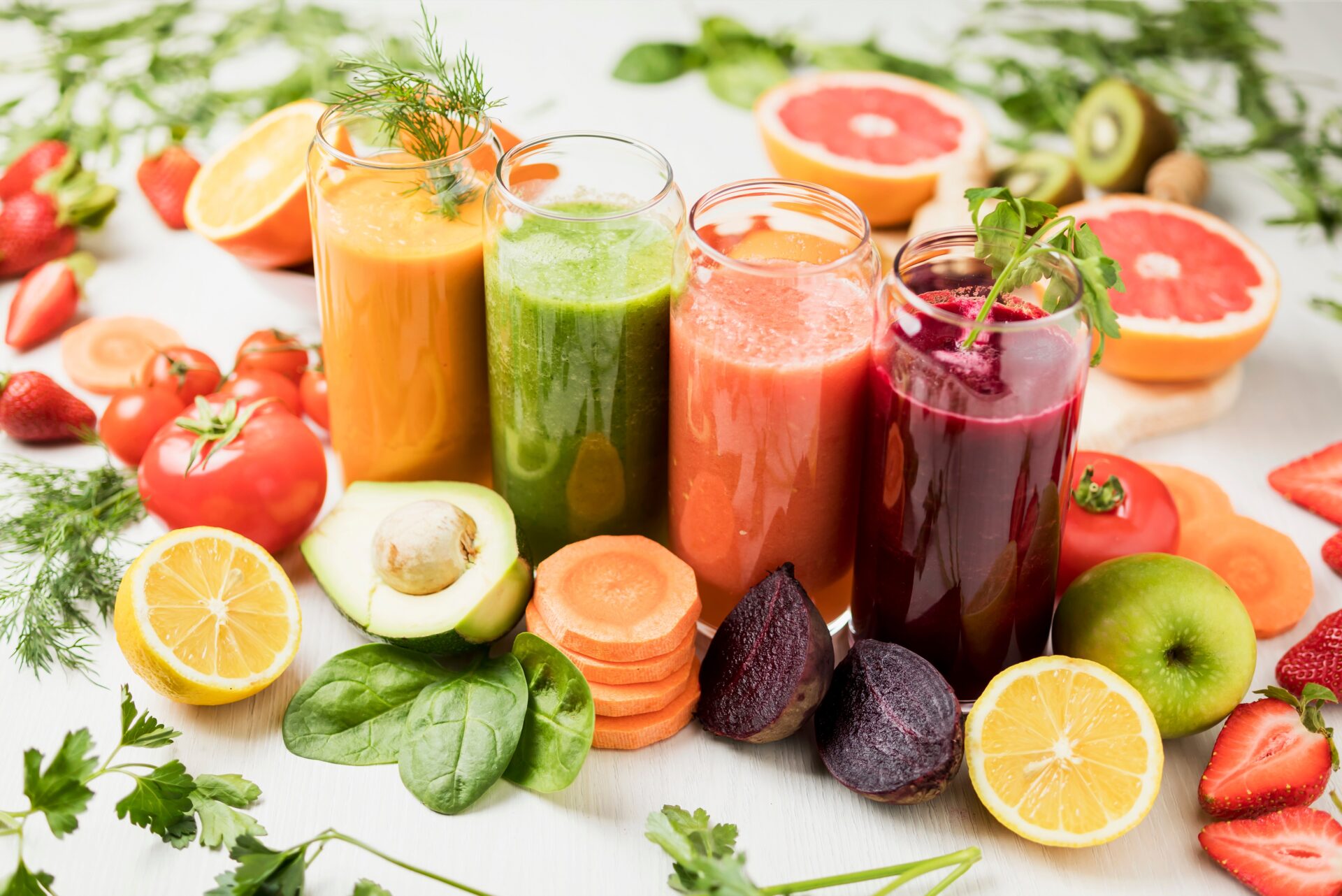
You love interesting drinks but steer clear of anything that might compromise your figure or your health? Vegetable juices could be just the answer. Here are a few detox vegetable juice recipes to help cleanse your body — without losing any of the pleasure!
Sommaire
What are vegetable juices?
Vegetable juice is a drink made primarily from vegetables (raw or lightly cooked), either blended (to retain the fibre) or cold-pressed using a juicer (which removes the pulp). Purists stick to vegetables only, but many enthusiasts prefer to combine fruits and vegetables — both to enhance the flavour of their drinks and to make the most of seasonal produce and the nutritional benefits of a variety of ingredients. Spices and herbs can also be added.
It’s worth noting that ready-made vegetable juices are available in shops. However, they are often pasteurised for preservation purposes, which causes them to lose a significant portion of their nutrients. It’s therefore best to make them yourself at home. Here are a few recipes to get you started.
Detox vegetable juice recipe no1: the ultimate carrot energy juice
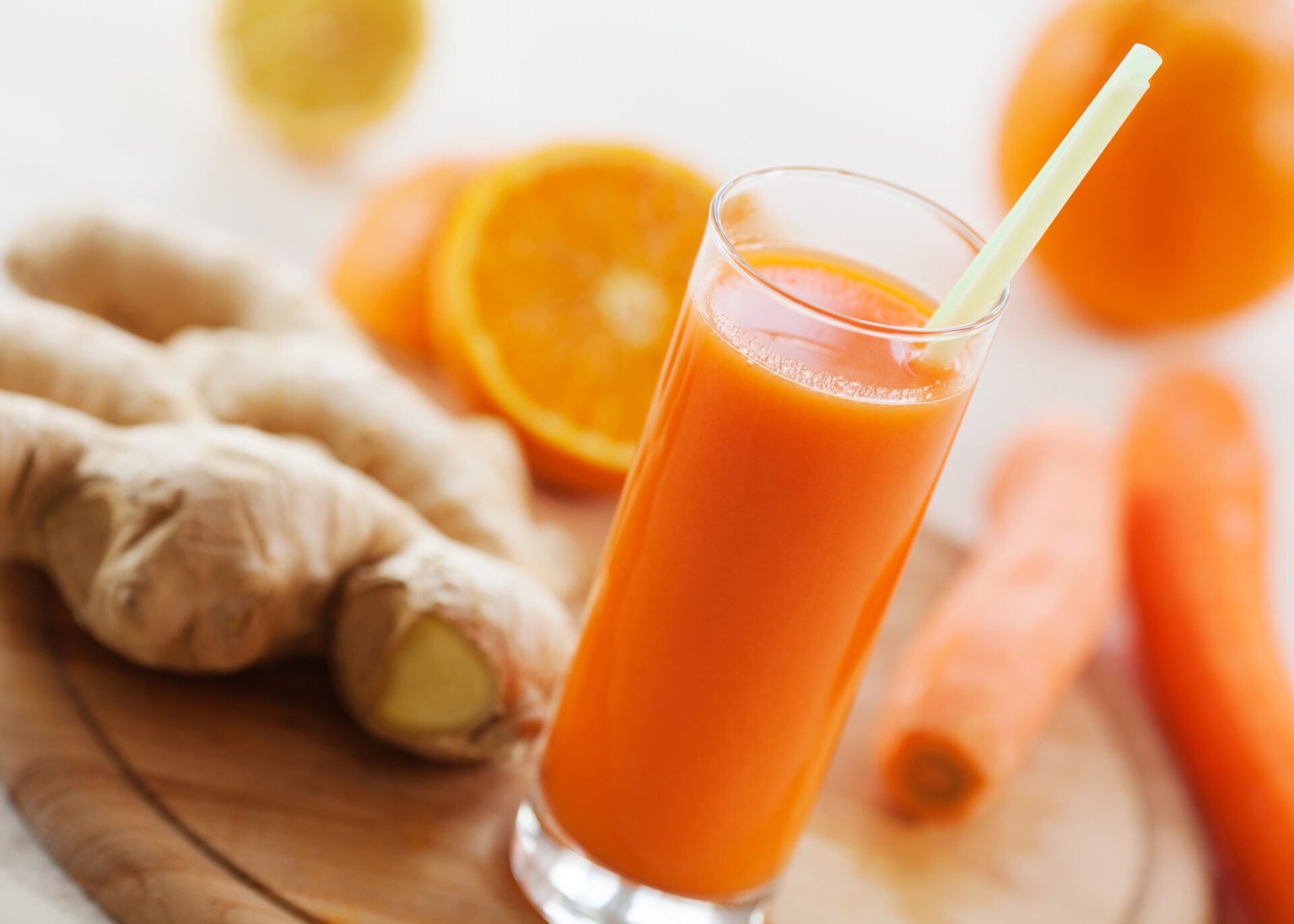
This vitamin-packed, antioxidant-rich juice is ideal in the morning to keep your energy levels up all day. To make it, you will need:
- 2–3 carrots
- 1 orange
- A piece of fresh ginger
- A piece of fresh turmeric
Here’s how to prepare it:
- Scrub the carrots thoroughly under running water — no need to peel them.
- Cut them into pieces and place in the blender.
- Peel the ginger and turmeric, cut into pieces and add to the blender.
- Squeeze the orange and pour the juice — pulp included — into the blender.
- Blend until smooth. For a thinner consistency, simply add a splash of water.
Recipe no2: green fruit and vegetable juice
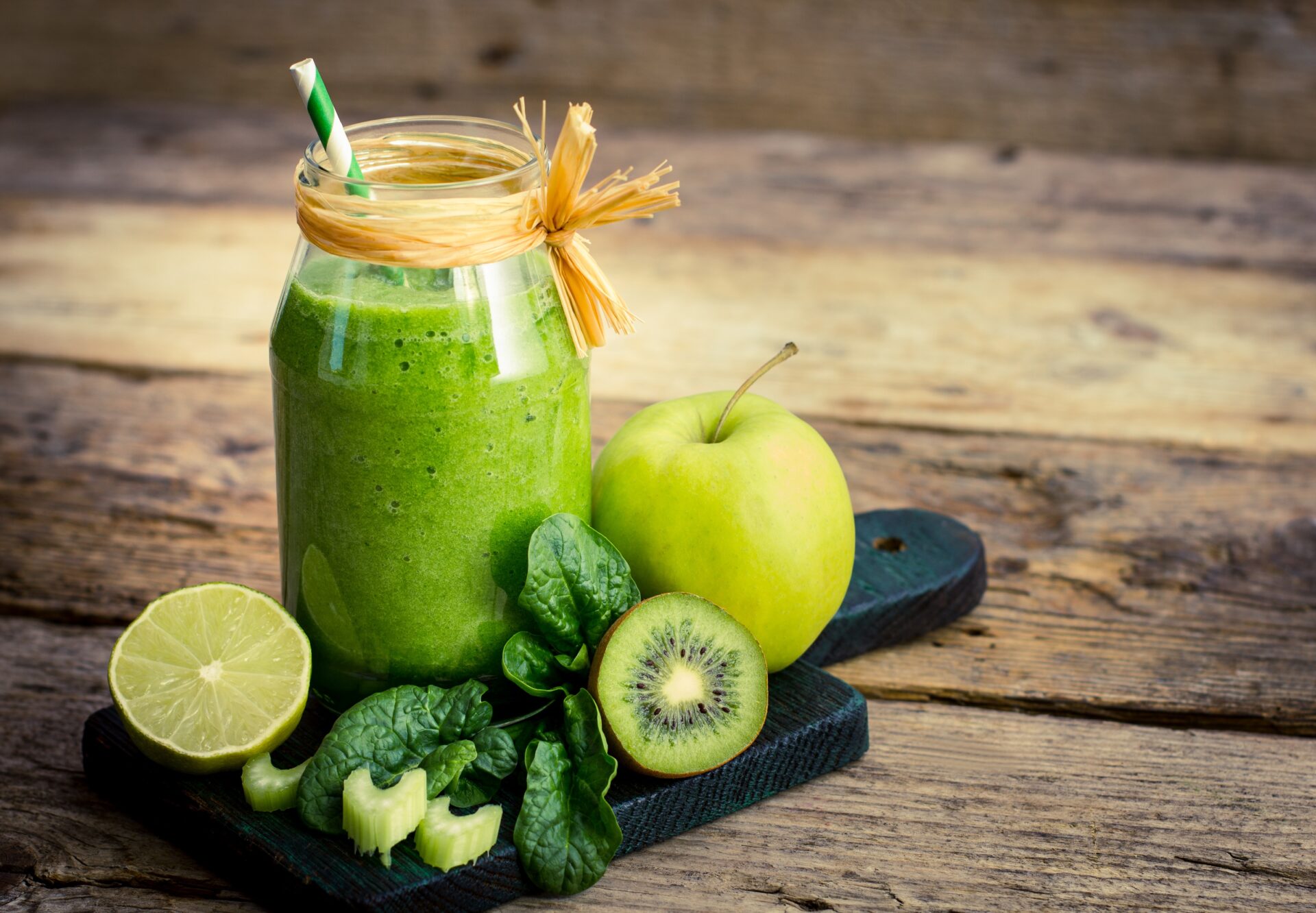
Green juices are having a moment — and for good reason. When it comes to detoxing, they’re hard to beat! Their high chlorophyll content helps reduce oxidative stress and supports haemoglobin production, promoting healthy oxygenation of cells and tissues. This recipe combines the sweetness of apple, the tartness of kiwi and the chlorophyll-rich goodness of spinach. To make it:
- 1 apple of your choice (tart Granny Smith, sweet Golden Delicious…)
- 1 kiwi
- 1 generous handful of spinach
- The juice of 1 lime
To prepare:
- Peel the apple, cut it into pieces and place in the blender.
- Do the same with the kiwi.
- Wash the spinach leaves, drain and remove the stems, then add to the blender.
- Squeeze the lime and add the juice to the fruit and vegetables.
- Blend everything together, add a little water to adjust the consistency, and enjoy!
Recipe no3: herbed tomato juice
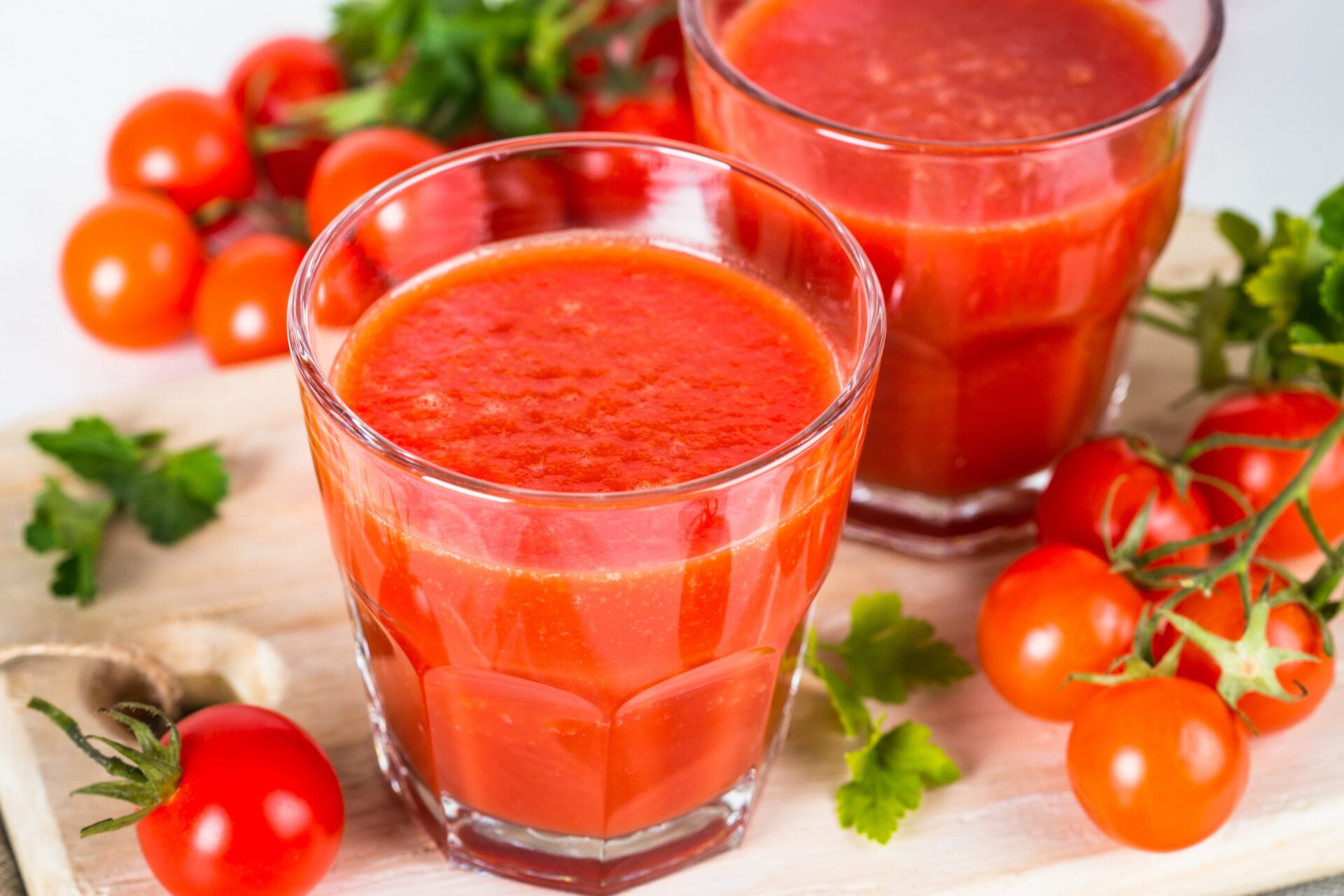
Love it or hate it, tomato juice is a classic at aperitif time, making a perfect stand-in for alcoholic drinks. It’s rich in antioxidants, including lycopene — the pigment responsible for the tomato’s vibrant red colour. Here’s a fresh take on the classic. You will need:
- 2 ripe tomatoes
- 4–5 sprigs of parsley
- 4–5 basil leaves
- 4–5 celery stalks
- Salt and pepper
Here’s how to prepare it:
- Peel and deseed the tomatoes, then place them in the blender.
- Wash all the fresh herbs, pat dry and add to the tomatoes.
- Add just a splash of water and blend.
- Season with a little salt and pepper, add ice cubes and serve well chilled.
Recipe no4: lemon-cucumber detox juice
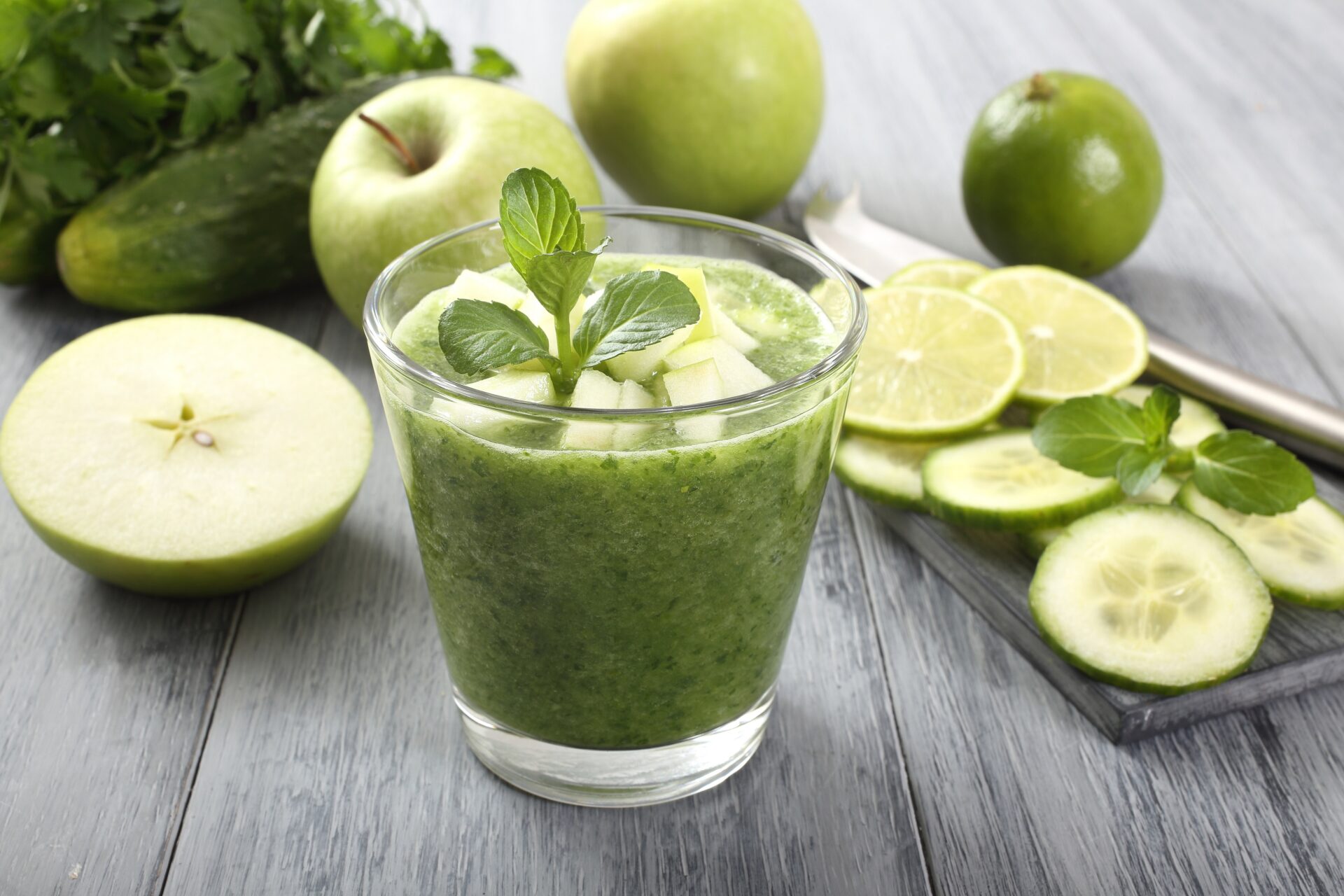
It’s hard to talk about body detoxification without mentioning the classic cucumber-lemon duo. Cucumber, with its exceptionally high water content, has purifying properties. Lemon, packed with vitamin C, is a powerful ally against oxidation. This vegetable juice is perfect alongside a revitalising breakfast. You will need:
- ½ cucumber with smooth skin
- 1–2 apples
- A little ginger
- Around ten mint leaves
- 1 lemon
Here’s how to prepare it:
- Wash the half cucumber thoroughly but leave the skin on. Cut into pieces and place in the blender.
- Peel the apple, cut into pieces and add to the cucumber.
- Do the same with the ginger.
- Wash the mint leaves, pat dry and add to the blender.
- Squeeze the lemon juice over the fruit and vegetables.
- Blend everything together and serve well chilled.
Recipe no5: red beetroot and grape juice
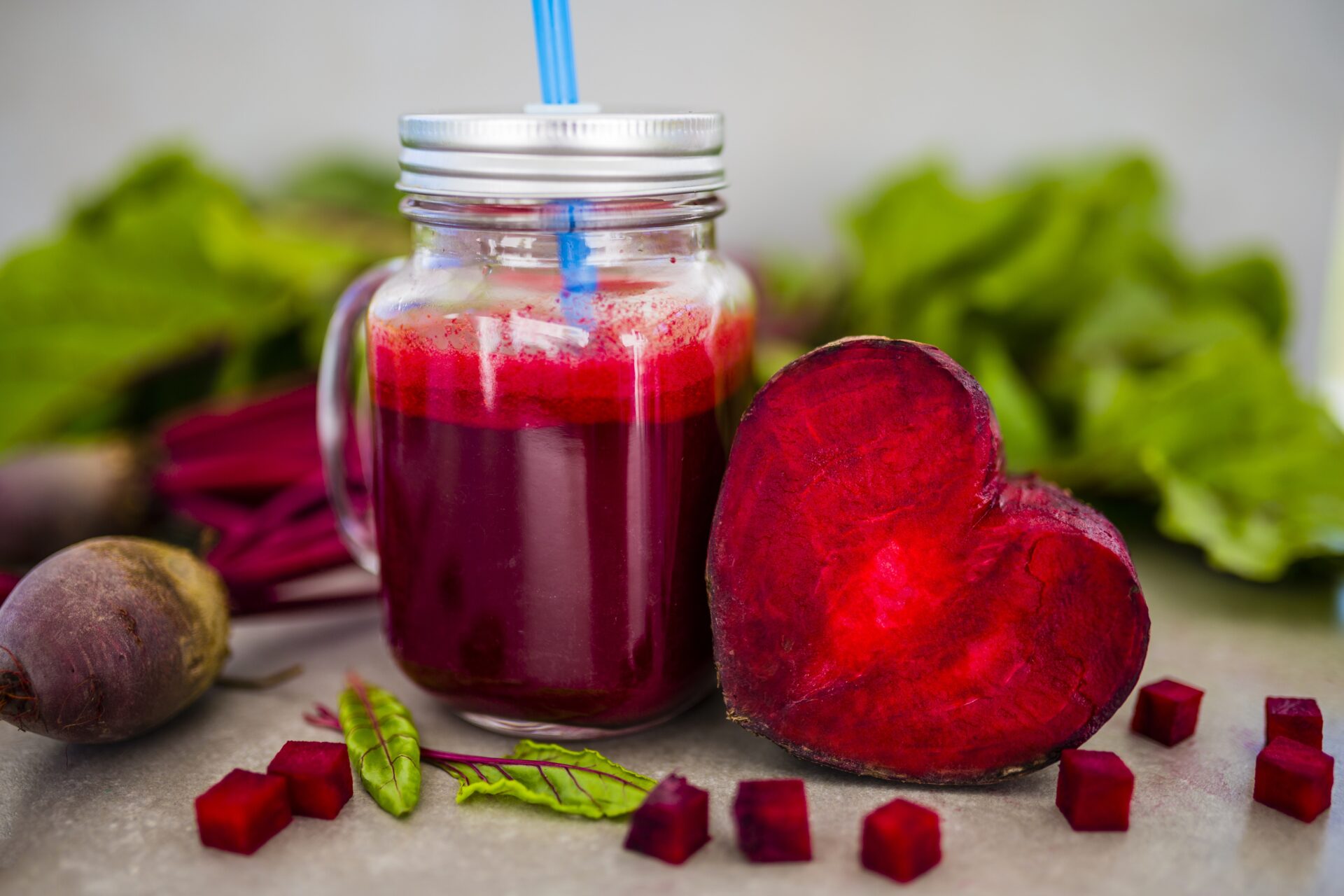
Beetroot, once an underappreciated vegetable, is firmly back in the spotlight — and we couldn’t be happier. It’s a true wellness ally, particularly beneficial for those who exercise, as it has a positive effect on blood oxygenation. It’s therefore a great choice before a workout. To make this recipe, you will need:
- 1 raw beetroot
- 1 handful of spinach
- 100 g of grapes, red or white
- A pinch of ground turmeric
Here’s how to prepare it:
- Peel the beetroot, rinse it, cut it into pieces and place in a juicer.
- Wash the grapes and spinach and add them to the beetroot.
- Collect your juice and stir in a pinch of turmeric.
Recipe no6: courgette and pineapple detox juice
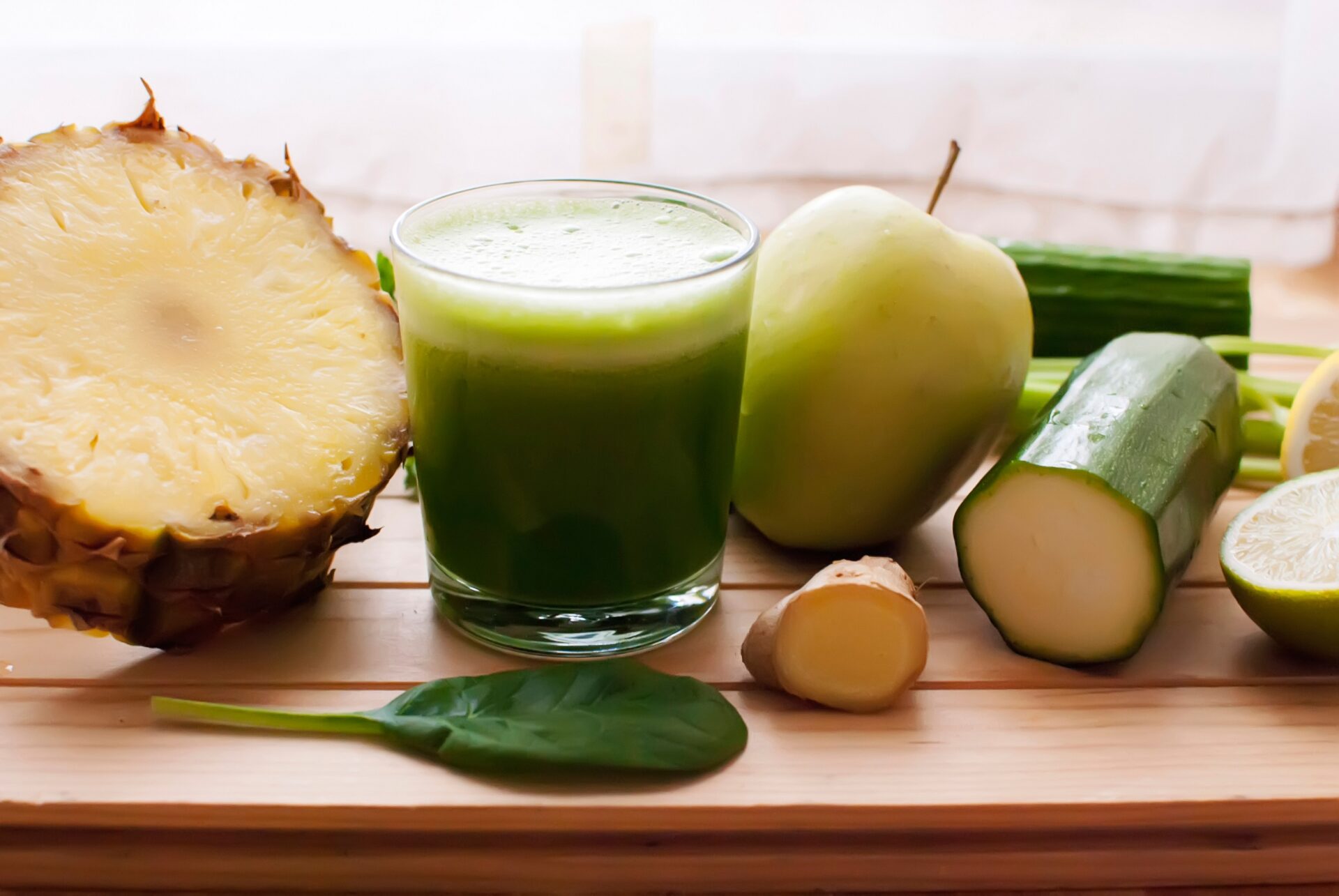
The combination may seem unusual, but don’t be put off — it works! Pineapple, rich in bromelain, is well known for its slimming properties. Courgette, with its mild flavour, adds a pleasant roundness. To make this vegetable juice, you will need:
- 1 small courgette
- 1 apple
- 1 generous slice of pineapple
- A handful of spinach or lamb’s lettuce
- A little ginger
To prepare, follow these steps.
- Wash the courgette, trim the ends and cut into pieces, then place in the blender.
- Peel the apple, cut it up and add to the courgette.
- Do the same with the ginger and pineapple.
- Finally, wash your chosen salad leaves and add to the other ingredients.
- Blend everything together, add a little water if you prefer a thinner consistency, and serve!
What are the benefits of vegetable juices?
Fans of vegetable juices praise their detoxifying and slimming qualities. But is this reputation well deserved?
1- Why should you embrace vegetable juices?
Like soup, vegetable juices are an excellent source of hydration. They’re ideal for those who don’t drink enough water or simply don’t enjoy it. They also support detoxification by stimulating kidney and intestinal elimination;
- it has been shown that juices make it easy to increase your daily vegetable intake, allowing you to benefit from all their wonderful nutrients;
- vegetable juices, particularly when they retain some or all of the vegetable flesh, can also act as a natural appetite suppressant, as the fibre content helps promote a feeling of fullness;
- some studies suggest that regularly consuming vegetable juices may have a positive impact on wellbeing — including lower cholesterol, reduced inflammation (thanks to the antioxidants found in vegetables), a lower risk of metabolic syndrome, and a reduction in waist circumference.
2- Are there any downsides?
A word of caution, though! Consuming too much vegetable juice could, over time, become counterproductive:
- a juice is not a substitute for a plate of vegetables, especially when using a juicer. Most of the vitamins, minerals and antioxidants in vegetables are found in the “solid” parts — the flesh and the skin;
- by extension, if juices are made with a centrifugal juicer rather than a blender, they contain no fibre. They therefore lose their positive effects on satiety, digestion, gut transit and weight management;
- some juices are particularly high in sugar, especially those made with tomatoes, carrots or beetroot. And drinking sugary beverages every day — or several times a day — is not exactly a recipe for detoxing or maintaining a healthy figure.