Cellulite, one of women’s most persistent concerns, is the subject of ongoing research in the aesthetics field. Among the techniques offered in clinics: laser. What exactly is it? Are there different laser techniques? Is it safe? A closer look at this aesthetic approach, its promises and its limitations.
What is laser cellulite treatment?
Laser technology is something we’ve all heard about, most often in connection with wrinkle treatments, short-sightedness or stretch marks. Far less so when it comes to cellulite. And yet it is currently a very popular medical technique, offered to treat the appearance of cellulite. The principle, according to its proponents: the laser’s infrared rays are said to heat fat cells (adipocytes) at low temperatures (around 55°C), with the aim of acting on their fibrous walls. The claimed objectives include:
- Working on the skin’s deeper layers
- Targeting the appearance of cellulite, regardless of type (including fibrous cellulite, which is painful and particularly stubborn)
- Addressing skin firmness and elasticity
It’s worth noting that anti-cellulite laser is generally used on smaller areas of the body. That said, all zones can be treated: the face (neck, chin), upper body (arms), abdomen (stomach, hips, buttocks), and lower limbs (thighs, knees, legs).
The different types of anti-cellulite laser
There are currently two laser-based procedures used in cellulite treatment.
1- Laser endolipolysis
The laser is inserted beneath the skin via a fine 1mm cannula fitted with an optical fibre. According to practitioners, it is said to act directly on the fat stored in the adipocytes by heating them. Skin laxity is also among the aspects sometimes targeted.
2- Laser exolipolysis
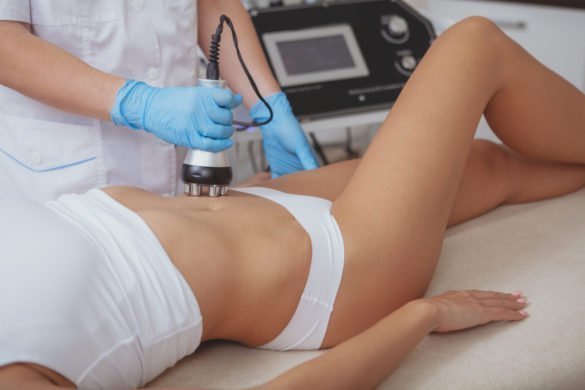
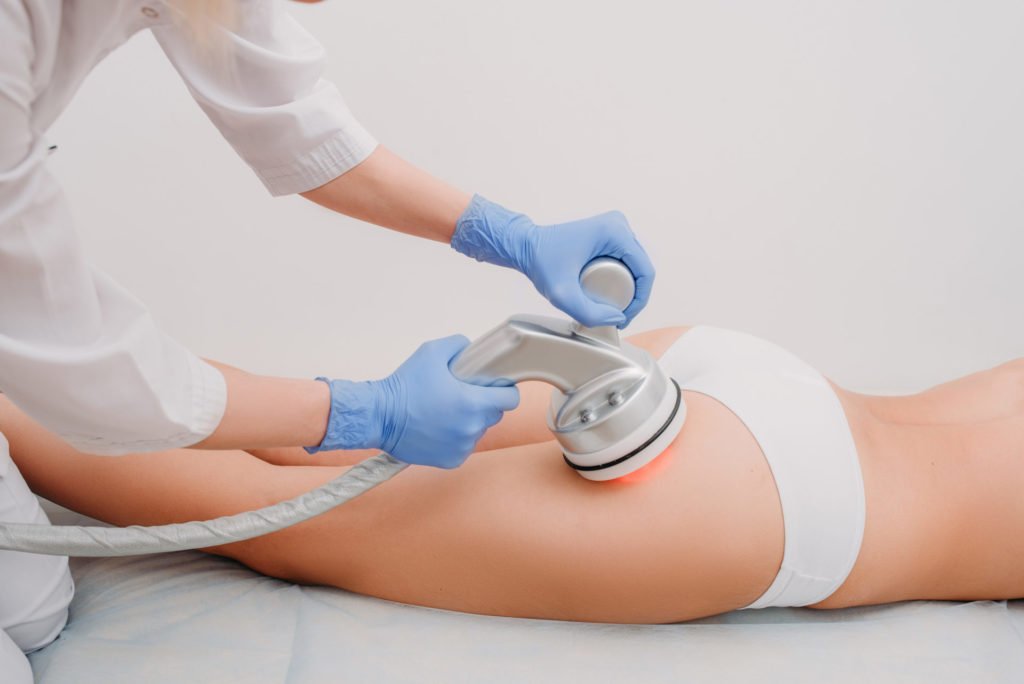
This non-invasive method involves placing pads on the area to be treated. The “cold light” produced is intended to have a dual effect: creating micropores in the cell membranes and acting on the contents of the adipocytes. It is sometimes described as a “draining” of the fat cells.
Anti-cellulite laser: is it a risky procedure?
Laser lipolysis is a closely regulated practice. Some beauty clinics offer laser treatments, but it is advisable to consult an aesthetic doctor or dermatologist. The procedure is performed under local anaesthetic, with no hospital stay required. Anaesthesia can be administered by injection, anaesthetic cream (prescribed by the doctor and applied 30 minutes before the session), or cold air spray (cryoanaesthesia). It should be noted that, in the vast majority of cases, this is an aesthetic procedure, not a therapeutic one. Medical coverage (health insurance) is extremely rare.
1- Anti-cellulite laser: who is it suitable for?
Anyone with cellulite may be a candidate for laser sessions. However, a prior consultation with the doctor is required. Laser lipolysis is not recommended:
- For pregnant or breastfeeding women
- For people with tanned or darker skin tones (risk of depigmentation marks)
- For people with clotting disorders or vascular conditions
- For people with epilepsy
- When taking certain medications
- For people with skin conditions (eczema, psoriasis, conditions causing skin lesions, allergies)
2- Post-session recommendations for laser lipolysis
After each session, a few guidelines should be followed to optimise results and minimise any risk:
- Avoid exposing the treated area to the sun, to prevent pigmentation reactions (marks)
- Engage in around 30 minutes of moderate exercise, if your practitioner recommends it
- Avoid overly salty or sugary foods in the 2 days following the session
3- Laser side effects
Finally, it is important to note that anti-cellulite laser, like any aesthetic procedure, carries potential side effects. These are, however, minimal:
- Pigmentation marks
- Possible discomfort and/or irritation
- Minor bruising that fades quickly
Laser cellulite treatment: what about duration and cost?
Each session lasts approximately 30 to 45 minutes. Treatment typically involves 1 to 2 sessions per week over 4 to 6 weeks. Results are not immediate and only become visible after several weeks, or even months. Unfortunately, they are not permanent. Laser treatment is therefore a temporary solution and does not eliminate cellulite for good.
As for the cost, it is relatively high. A single session averages between 100 and 150 euros. Over time, anti-cellulite laser can prove to be a very costly approach.
An alternative to laser: what about tackling cellulite at home?
If the idea of laser treatments for your cellulite doesn’t appeal to you, there are more accessible alternatives. They’ll also give you the chance to reconnect with your body and treat it with care… right from your own bathroom! Our Anti-Cellulite Method Pack is designed exactly for that! This simple, easy-to-follow anti-cellulite routine is within reach for every woman. It includes:
- Coaching and guidance. Because when it comes to sticking with a routine over time, a little encouragement goes a long way!
- A toning scrub to sweep away dead skin cells and prepare your skin properly for massage and care.
- Natural massage oils with different properties (toning, stimulating, soothing), suited to all cellulite types.
- A cupping cup that’s beautifully designed, gentle and easy to use, for massaging the areas concerned.
- An Orange Peel Massager, the perfect stand-in for a professional masseur’s hands, whose nodules are designed to follow your massage movements.
The Cellublue anti-cellulite method delivers a care and massage routine for your skin and its texture, to follow at your own pace.
Related articles
- Maderotherapy and cellulite: what you need to know
- Electrostimulation & Cellulite: Does It Work?
- DIY: prepare a green clay treatment against cellulite!
Useful categories: Anti-Cellulite Care, Anti-Cellulite Solutions.