Protein is essential in a healthy diet. If you wish to reduce your animal protein intake you can swap animal protein for vegetable protein. Some vegetables are a great source of protein!
These healthy foods will help you balance your weight, nourish your muscles and help fight cellulite. Here is a little list of our best vegetable protein sources.
Sommaire
The best sources of vegetable protein
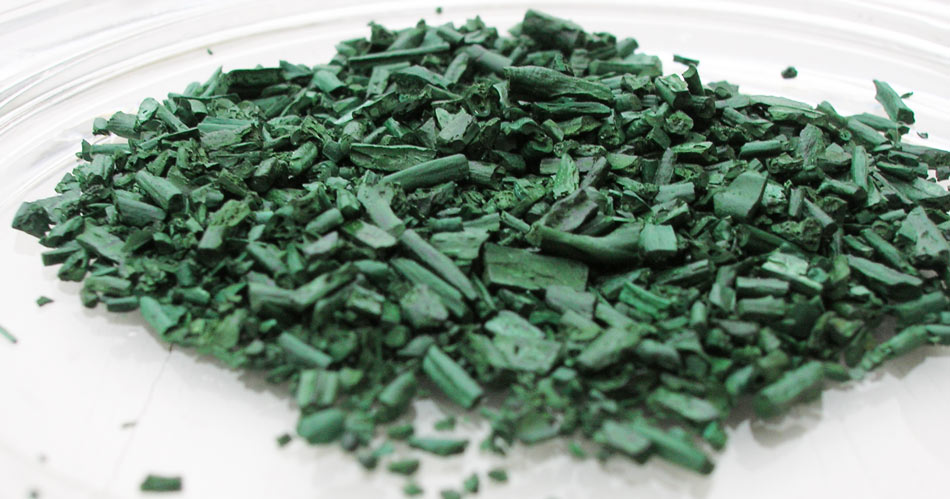
La spirulina
Spirulina is a type of seaweed that is also the richest source of vegetable protein: 65g of protein for 100g of spirulina! You can use it in your dishes or deserts. Adding it to your daily smoothies is an easy way to eat it and get all its benefits.
You can also use spirulina as a local anti-cellulite treatment. Apply it directly onto your skin to benefit its anti-cellulite properties on your cellulite-affected areas and boost your anti-cellulite CelluBlue Cup massage.
Pumpkin seeds
Rich in vitamin A & B, iron, zinc, coper, potassium and calcium, pumpkin seeds have a lot of benefits. 100g of pumpkin seeds contains 25g of protein. You can add these seeds to your salads or soups for an extra crunch.
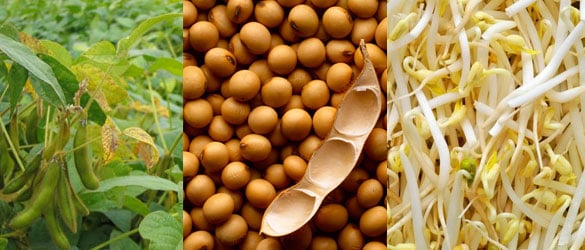
Soya
Did you know that soya contains more iron and protein than beef?! Soya is also very good to fight bad cholesterol and can be eaten in various ways. You can add soya milk to your drinks for breakfast, add soya beans to your salads or to your stir fry vegetable mix.
Nuts
Almonds, hazelnuts, walnuts… Eating a handful of nuts is a good way of increasing your vegetable protein and vegetable sterol intake. For a 100g you will get 20g of vegetable protein. You can also add nuts to your biscuits, cakes, smoothies and in your homemade cereal bars.
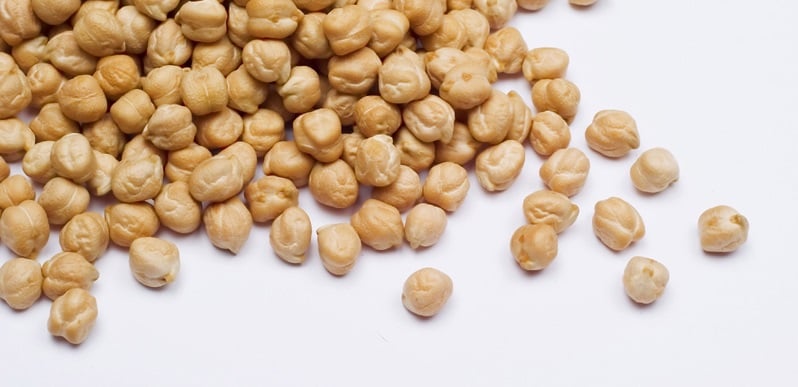
Chickpeas
This type of legume contains fiber, magnesium and calcium as well as protein. You can eat chickpeas a few times a week, even in the evening. Chickpeas are easy to add in a lot of dishes.
Chia seeds
We’ve already mentioned the benefits of chia seeds: they are excellent anti-cellulite food and stimulate weight lose. Chia seeds contain 17g of protein for 100g. Like pumpkin seeds and soya you can easily add them to your smoothies, or your salads. You can also sprinkle some over your dishes.
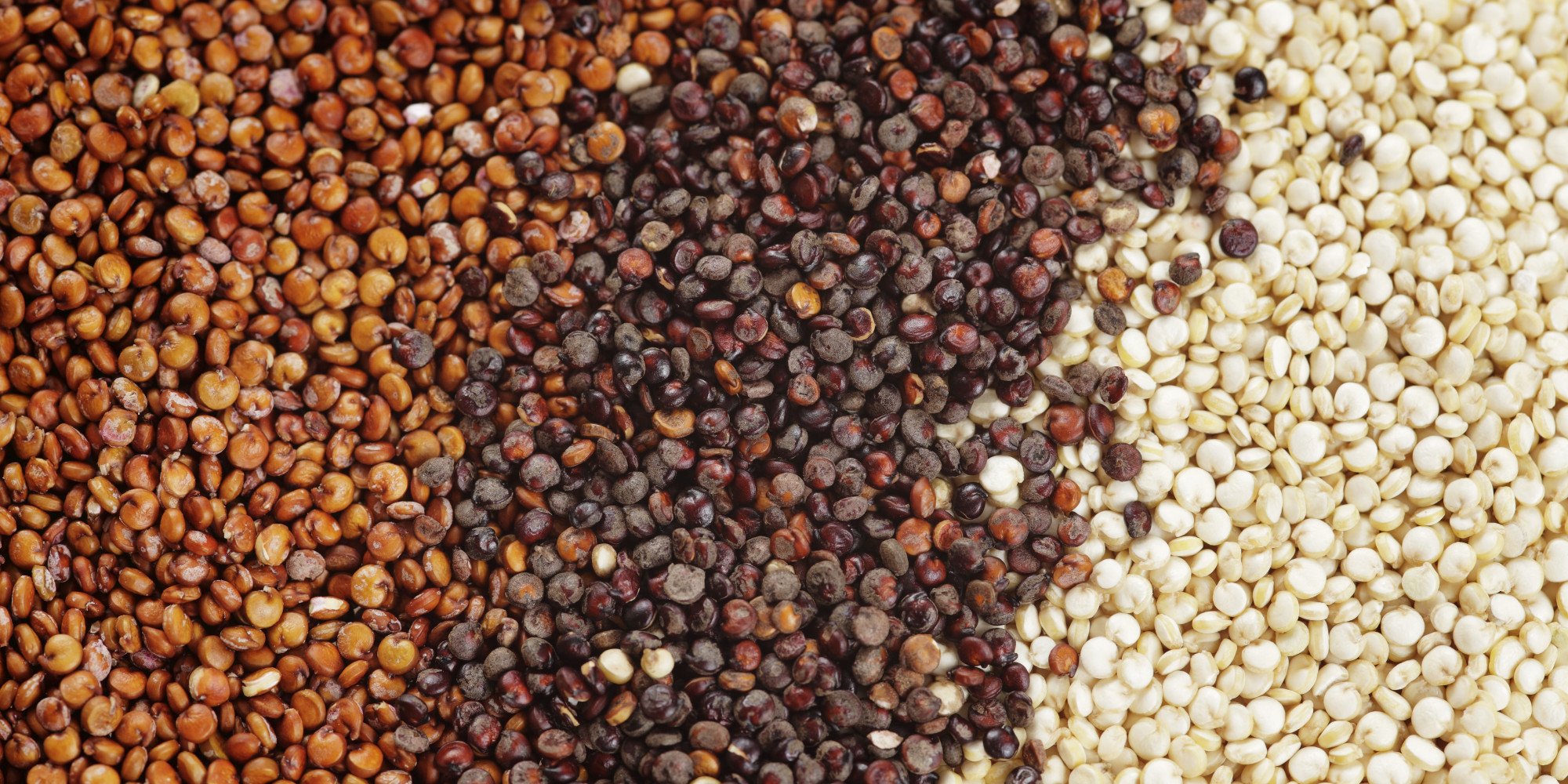
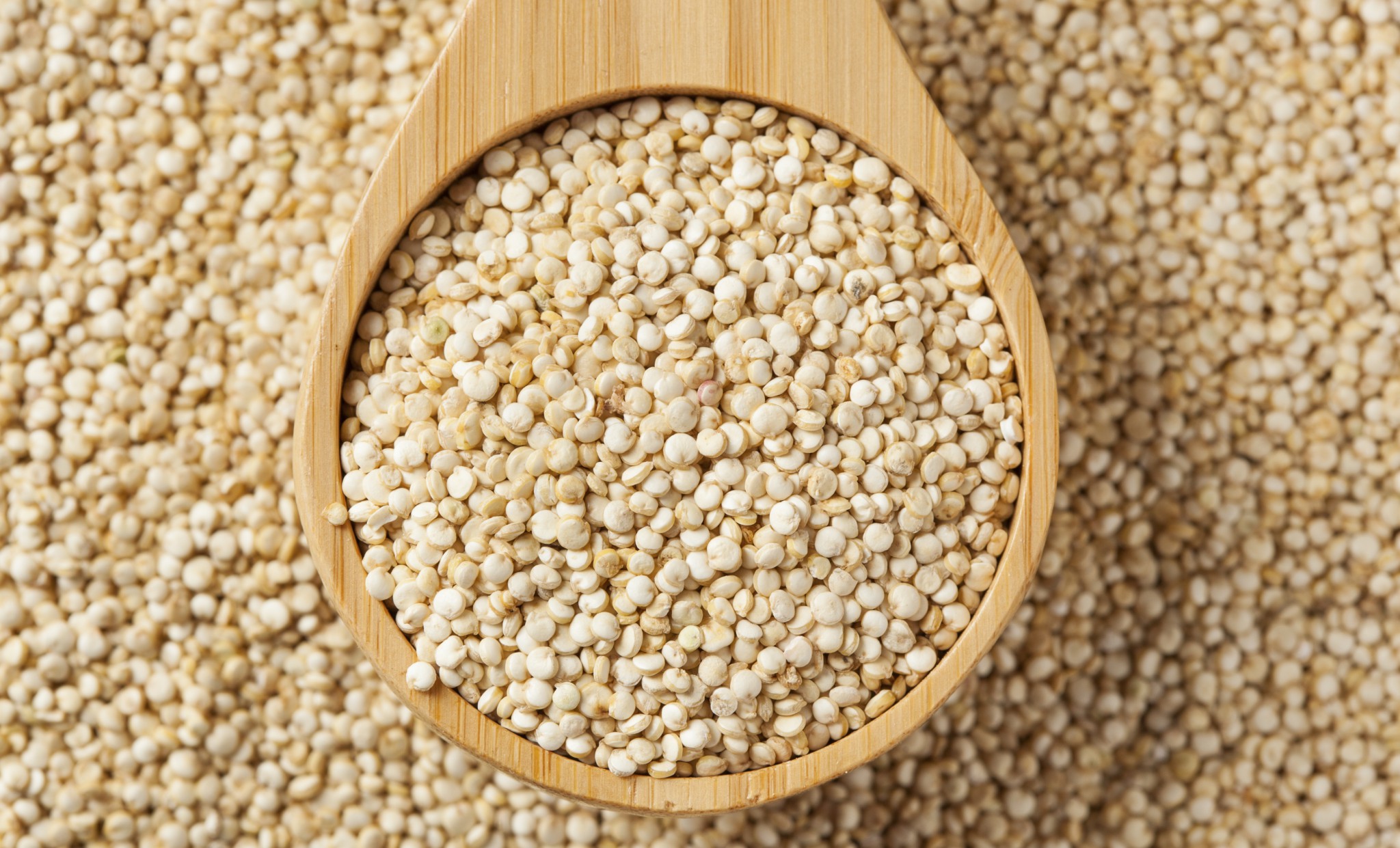
Quinoa
The advantage of quinoa is that it is gluten-free and rich in amino acids and fiber. Quinoa will give you 14g of protein for 100g. Quinoa is easy to cook and can replace rice and pasta in your everyday meals. A blogpost of our favourite quinoa recipes will be coming soon!
See you soon for more anti-cellulite tips & recipes!
What really helps in practice
7 Anti-cellulite Foods Rich in Vegetable Protein becomes more useful when it is connected to a simple, repeatable routine. The practical approach is to start from cellulite and then check what you can actually sustain in real life.
In practice, a stable method repeated over several days works better than a string of contradictory experiments. That structure makes body signals easier to read and results easier to judge.
A simple way to get started
- Choose one main objective at a time.
- Keep a realistic rhythm over 7 to 21 days.
- Watch practical signals before chasing immediate results.
- Adjust one variable at a time so you can see what really helps.
Frequently asked questions
How do I know if I am moving in the right direction?
The most useful sign is the combination of consistency, comfort and visible or felt progress across several sessions.
Should I change everything at once?
No. Better progress usually comes from a simple base routine and gradual adjustments.
Read next
- How to get rid of cellulite when you have "big" thighs?
- Spirulina: A Solution for Cellulite?
- 10 effective vegetable oils against cellulite
- Does a sisal mitt really work against cellulite?
Related articles
- 10 effective vegetable oils against cellulite
- Artichoke: a good vegetable against cellulite?
- 6 detox vegetable juice recipes
Useful categories : Anti-Cellulite Diet, Anti-Cellulite Solutions.