
Do you tend to experience water retention? This build-up of water in the body is often accompanied by an uncomfortable feeling of swelling, particularly in the legs, ankles and feet. Water retention is also often associated with water cellulite. In everyday life, adopting good lifestyle habits remains the starting point: drink enough water, limit your salt intake as recommended by the relevant authorities and vary your diet, including foods that provide potassium. Here is what you need to know about potassium and sodium, foods containing potassium, a few meal ideas to include them in your diet, and what to bear in mind before considering a course of potassium supplements.
Potassium and sodium: two complementary minerals
Potassium and sodium are two minerals, also known as electrolytes, that are naturally present in the body. They are often discussed together when it comes to the body’s fluid balance, and both are found in our diet. If you are interested in water retention, we have dedicated an article to the subject.
We get much of our sodium from the salt in our meals. Most of us have experienced that feeling of thirst after eating something too salty. Did you know that we consume an average of 12 g of salt per day, while the World Health Organization (WHO) recommends staying below 6 g (roughly 2 g of sodium)? There is therefore often room to use a little less salt. Water retention and cellulite are two subjects that are often discussed together. As for salt, the recommendations simply advise limiting your intake, as part of a balanced diet and a sensible everyday lifestyle.
Read also: What is the link between water retention and cellulite?
We recommend choosing a balanced diet made up of fresh fruit and vegetables. Limit processed foods, which are often high in salt. Add variety to your meals by using spices and herbs to enhance the flavour, making it easier to eat less salt naturally.
Staying hydrated every day
As you know, our bodies are mostly made up of water: water accounts for around 65% of the human body. Potassium and sodium are among the electrolytes found in our bodily fluids. Every day, the body loses water in different ways: through urine, sweat and stools. It is therefore important to replace these losses regularly by drinking.
Drinking regularly throughout the day is a good habit to adopt. Keep a bottle of water within reach, have a glass when you wake up or with each meal: these simple habits can help you remember to drink, even when you are not particularly thirsty.
Water goes with your meals every day, and a fibre-rich diet rounds off a balanced lifestyle. Drinking enough throughout the day remains a good habit, unless your doctor advises otherwise. Fruit and vegetables also provide water, while helping you add variety to your diet.
Foods that provide potassium
Are you wondering where to find potassium and which foods provide it? Legumes such as beans, lentils and peas contain potassium. You can also choose nuts such as almonds, hazelnuts and walnuts, as well as spinach, cabbage, mushrooms, avocados and parsley. It is also found in bananas, papaya, dates, blackcurrants, apricots and citrus fruits. For reference, the recommended intake for an adult is at least 3,510 mg of potassium per day.
Meal ideas with potassium-rich foods
To include these foods without making life complicated, here are a few ideas to adapt to your taste:
- For breakfast: a banana and a few almonds or hazelnuts.
- For lunch: a lentil salad with fresh spinach, seasoned with parsley and herbs rather than salt.
- As a snack: a few dates or apricots, or a citrus fruit.
- For dinner: pan-fried mushrooms and cabbage, served with an avocado and flavoured with spices.
Potassium supplements or capsules: what you need to know
You may be tempted to try a course of potassium capsules. However, a varied diet including the foods listed above already provides potassium. Combined with eating less salt, this is the approach to prioritise first.
A food supplement should never be taken lightly. Before starting a course or taking potassium capsules, always ask a doctor for advice, particularly if you are taking medication.
In summary
You now know more about potassium, sodium and hydration, and have a few ideas for looking after yourself day to day. Adopt a balanced lifestyle: eat a varied diet, drink enough water and do some physical activity regularly each week.
Related articles
Useful categories: Slimming Tips.
To go further, explore the Cellublue shop: our body care products.
 -26%
-26%The cordless massager: 2 900 rotations per minute to stimulate your skin
- A deep mechanical massage: rotations and vibrations, up to 2 900 turns per minute, knead the skin on your thighs, stomach, arms and bottom
- 2 complementary heads: the ball head kneads deep down, then the wave head smooths and tones the surface
- 5 intensity levels on a touchscreen, a blue light, cordless and quiet
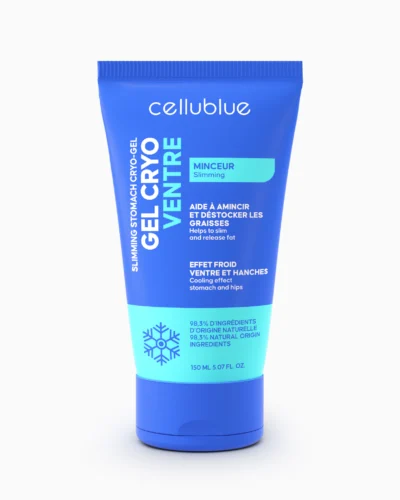
The cooling gel that leaves the skin on your stomach firmer
- Arctic Algae, Prosveltyl® & Menthol, combined in a formula designed for the stomach and hips
- Sorbet texture: it absorbs faster and makes the fresh sensation last longer
- 🍃 98.3% natural-origin ingredients