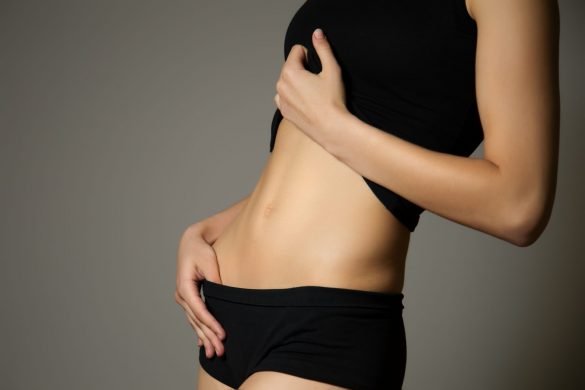
The stomach: always women’s number one hang-up. Most of us wish it were flatter and firmer. Unfortunately, this little tummy goes through a lot (hormones, age, pregnancy, weight changes…), so much so that it can end up feeling quite soft. How do you care for a soft stomach? First, we look at what causes a soft or flabby tummy. Then we share our 3 natural solutions: a balanced diet, targeted skincare and massage, and exercises to tone your abs.
Soft stomach, flabby tummy: what are we talking about?
A soft stomach is one where the abdominal area lacks definition. The skin is loose and soft to the touch, and the abdominal muscles no longer hold it in quite as well. A flabby or saggy tummy describes the same thing, often with skin that looks more droopy.
Don’t confuse it with the expression “soft underbelly”, which has nothing to do with your figure. Used figuratively, it means the weak spot of something. Here, we really are talking about the stomach in the literal sense!
Why do we get a soft stomach?
The main cause of a soft or flabby stomach is skin laxity. This loss of firmness, which also affects other areas of the body (bust, thighs, arms), is quite common among women. It can be triggered by a number of factors.
1- Menopause
The hormonal upheavals a woman experiences throughout her life take a toll on skin quality and the tone of the abdominal muscles. Oestrogen and progesterone play a part in keeping skin hydrated. But at menopause, the body’s natural production of these hormones comes to an abrupt halt, and the skin loses resilience and elasticity. The result is slacker skin and a less firm stomach. Add a slower metabolism and extra fat stored around the middle, and the stomach becomes noticeably soft.
2- Age
As we age, the skin gradually deteriorates. Fibroblasts produce less collagen and elastin, and naturally occurring substances such as hyaluronic acid become scarcer. Muscle mass also tends to decrease. The result is a softer stomach and skin that looks increasingly slack and droopy.
3- Pregnancy
During pregnancy, a woman can gain between 12 and 18 kg. This extra weight, concentrated in the abdominal area, accounts for the foetus, placenta, umbilical cord, amniotic fluid and uterus. It goes without saying that the skin of the stomach is put under enormous strain. After giving birth, it can bear the marks of this experience, including stretch marks, skin laxity, a soft feel and a sagging appearance.
4- Weight loss
Significant and rapid weight loss can have unwanted effects on the body, starting with excess skin or a loss of skin elasticity. The stomach is often affected: it loses all its tone and becomes particularly soft.
5- Oxidative stress
This refers to the oxidation of the body’s various components, including DNA, cells, tissues and organs. Oxidative stress is worsened by certain illnesses, alcohol consumption, smoking, pollution, anxiety and sun exposure. These sources of oxidation damage the skin: elastic fibres break down, nutrient absorption is impaired and microcirculation is compromised. The result is skin laxity, starting with the stomach.
6- Other causes: what if it’s more than just skin laxity?
While skin laxity is the most common explanation for a soft stomach, a lack of firmness can also be caused by:
- Excess abdominal fat: this can affect both slim and fuller figures alike, and is linked to an unbalanced diet high in sugar and saturated fats.
- Water retention: this typically settles in the lower body (thighs, knees, legs), but water retention can also manifest as a soft, bloated stomach. Tissues become waterlogged, with fluid that no longer circulates and becomes “trapped”.
- Poor muscle tone: a sedentary lifestyle and lack of exercise can, over time, lead to atrophy of the abdominal muscles. The stomach then becomes soft and loses all its definition.
Soft stomach: which natural solutions can help?

To care for a soft stomach, it’s best to tackle several factors at once:
- Prevent the build-up of abdominal fat
- Care for the skin by moisturising and massaging it
- Strengthen the stomach through targeted abdominal work
1- Start with your diet
If you tend to have a soft stomach and suspect your eating habits may be partly to blame, it’s time to rethink your routine.
- Cut back on sugar (and sugary foods), which often gets the blame when it comes to abdominal fat. Sugar hides in virtually all processed foods, so cook from scratch rather than ordering fast food, and ditch the chocolate spread.
- Limit saturated fats too. Swap them for mono- and polyunsaturated fats, found in oily fish, avocado, cold-pressed oils and nuts.
- Make room for lean proteins (poultry, fish, eggs, pulses).
- Fruit and vegetables should make up the bulk of your meals. Choose them fresh and seasonal, with an eye on their digestibility (insoluble fibre can sometimes be hard to digest… and leave you feeling bloated!).
- Don’t cut out carbohydrates, but eat them in moderation and choose wisely. Opt for complex carbs with a low glycaemic index (root vegetables, wholegrains, bananas…).
- Drink plenty of water and enjoy herbal teas (and discover our body care range). Avoid stimulants (alcohol, coffee) and calorie-laden drinks (fizzy drinks, shop-bought fruit juice, cordials).
Finally, try to vary the colours and flavours on your plate. Bring green vegetables, oily fish, offal, red berries, citrus fruits, seeds (pumpkin, flaxseed, chia), spices (cinnamon, anise, cumin, ginger) and seafood to your table.
2- Goodbye soft stomach, hello skincare and massage!
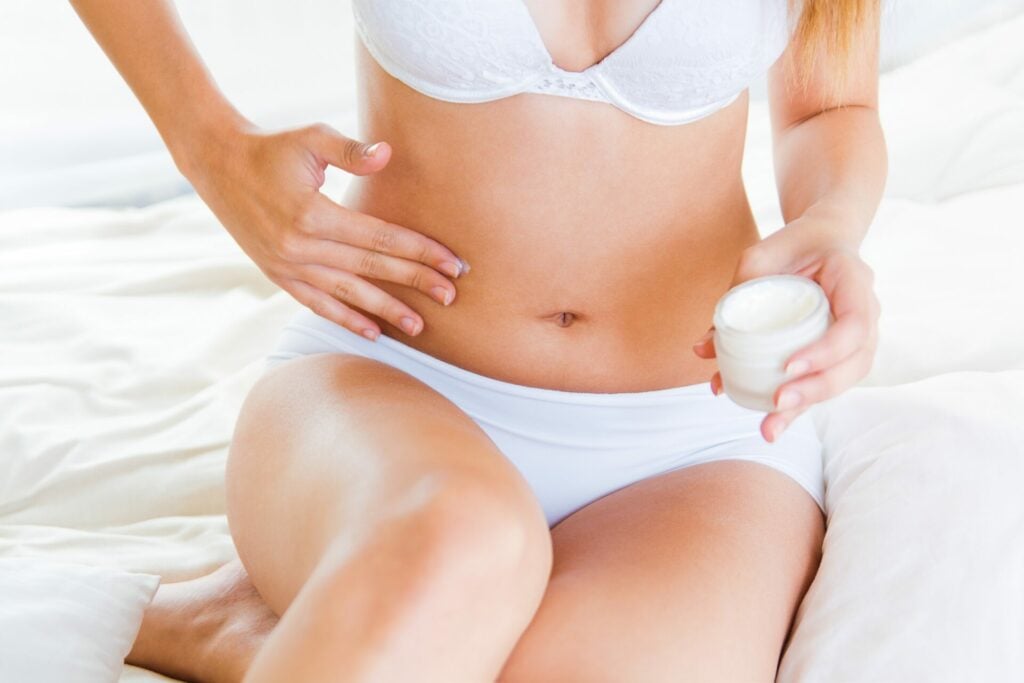
To care for that slightly flabby tummy, focus on three simple habits:
- massage your skin regularly
- keep your skin properly hydrated, morning and evening
- stick to a regular routine, day after day
We have just the routine for you!
Every morning, start your day with a quick stomach massage using our Cryo Belly Slimming Gel. Its cooling effect (menthol) wakes up the skin with a pleasantly fresh feel. Its natural ingredients (lotus, Arctic algae, caffeine) complement the massage of stubborn areas. To find out more, discover these plants worth knowing about and learn what lipolysis is.

The cooling gel that leaves the skin on your stomach firmer
- Arctic Algae, Prosveltyl® & Menthol, combined in a formula designed for the stomach and hips
- Sorbet texture: it absorbs faster and makes the fresh sensation last longer
- 🍃 98.3% natural-origin ingredients
Every day, at whatever time suits you, treat your stomach to an invigorating massage. Our Firming Device with percussion technology does all the work, providing an invigorating massage for the stomach.
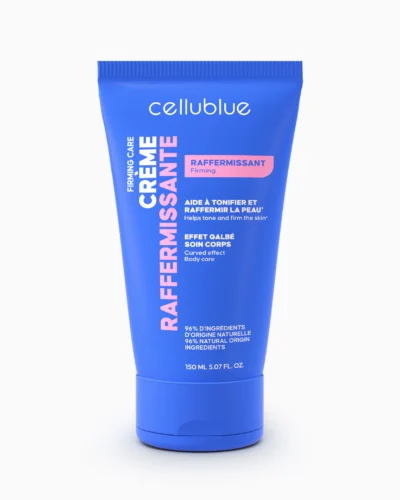
The body cream that hydrates and helps firm the skin
- Kigeline & Fenugreek, two plant-based actives at the heart of the formula
- Hydrates the skin and helps strengthen its firmness on targeted areas
- Melting texture: it absorbs quickly, with no residue or greasy film
Every evening, apply our Firming Cream to your stomach, massaging it in until fully absorbed. It is enriched with Kigeline®, a patented active ingredient selected to care for skin firmness. Formulated with 96% natural ingredients, it hydrates the skin of the stomach.
Follow this anti-soft-stomach routine consistently for 21 days. Regularity is what counts when it comes to caring for your skin and supporting your goal of a more toned stomach.
3- Tone up your abs
To work your abs, there’s no magic shortcut: you’ll need to put in the effort. That said, you have plenty of options, as many sports engage the core. Swimming, power walking, aqua aerobics, running and weight training are all good choices. Certain yoga and Pilates poses also engage postural muscles such as the transverse abdominis. They’re a gentle way to work your stomach!
And if you prefer working out at home, that’s absolutely fine! You can easily exercise at home with minimal equipment. If you’re not sure where to start, there are plenty of video tutorials, dedicated websites and TV programmes… and our Fitness Resistance Band Kit! This clever kit includes a resistance band for strength training exercises, plus 3 coaching programmes, one of which is dedicated entirely to abs. Everything you need to work your core at home!
Can you tighten loose belly skin without surgery?
To care for loose skin on your stomach, the key is consistency and combining approaches. Let’s be honest: no skincare product can replace a medical procedure when skin is very loose. The three approaches above work together. A balanced diet is part of good everyday habits. Daily skincare and massage look after your skin and keep it moisturised. Finally, working your abs completes the routine by engaging your core.
Be patient and kind to your body: with noticeably loose skin, after pregnancy for example, things take time. If it worries you, or before getting back into exercise after giving birth, ask your GP or another medical professional for advice.
Related articles
- Cycling and your stomach: benefits and how to ride
- How to lose belly fat without exercise?
- Men's special: 5 exercises to get a flat stomach!
- Waist and belly: everyday habits and routines
- Cheap anti-cellulite cup: what you absolutely need to know!
Useful categories: Slimming the Belly, Weight Management.