“What are you complaining about, you’re so slim!” You’ve heard that line more times than you can count. And yet it doesn’t quite describe you — because you’re what’s known as “skinny fat”. Slim thighs, narrow hips, a small frame… but underneath your jumper, a round belly and love handles. Not the most flattering combination. To understand why you have a belly despite your slim figure — and, more importantly, what to do about it — read on!
Thin frame, round belly: what does it mean?
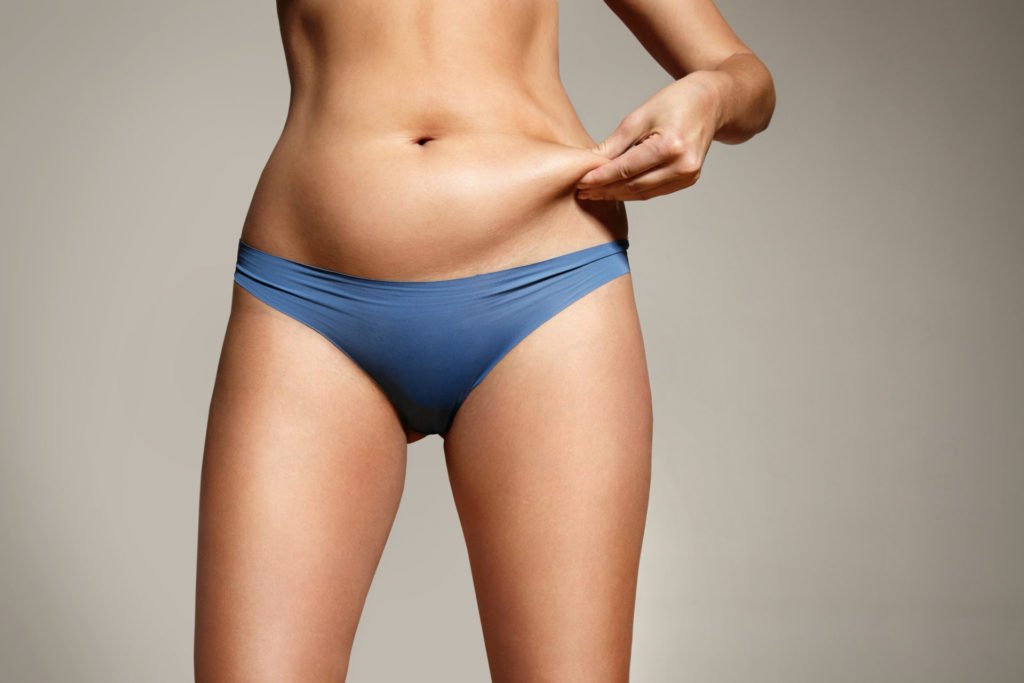
The term “skinny fat” describes a body that looks lean at first glance, with slender arms and legs and narrow hips, but with a belly that stays round or even protruding. Plenty of women recognise themselves in the phrase “I’m not fat, but I’ve got a tummy”. Men can be affected too.
This little belly isn’t inevitable, and it doesn’t always have the same cause: diet, lack of movement, age, posture, digestion, stress… Working out which cause applies to you makes it easier to choose the right approach, as outlined below.
Why do I have a belly if I’m slim?
There are several reasons why someone can be “skinny fat” — that is, slim in build but with a round or even bloated belly. The main causes of this body type are:
1- Poor diet
Disordered eating habits (poor-quality food, a strong taste for sugar, large portion sizes, eating on the go) are among the habits often associated with a rounder belly. Over time, this fat can also lead to health concerns. But before you panic, one important distinction: there is a difference between subcutaneous fat and visceral fat. The first is harmless, simply cosmetically unwanted. The second surrounds the abdominal organs and is a contributing factor to cardiovascular disease. In both cases, diet plays a part and is worth reviewing.
2- A sedentary lifestyle

Lack of physical activity is the second reason for belly fat gain despite an otherwise slim figure. It’s an extremely common issue, since most of us spend our working days sitting down with little opportunity to move. Over time, body fat increases at the expense of muscle mass, and tends to settle around the midsection.
3- Age
Ageing triggers a series of changes that can contribute to belly fat:
- Hormones work against us: menopause, andropause… Hormone levels (sex hormones, growth hormones) decline with age, leading to an accumulation of abdominal fat. That’s when the little belly and love handles start to appear…
- Muscle mass decreases: as we age, we naturally lose muscle and gain fat. The effects are particularly visible around the belly, which grows and loses firmness.
- Skin quality changes: cutaneous collagen production slows down, causing the skin to lose elasticity — including around the belly.
4- A lower back issue
A protruding belly can also be caused by poor posture. This is the case for people with lumbar hyperlordosis: an arched posture with the buttocks and shoulders tilting backwards and the navel pushing forwards. It is caused by an imbalance in the pelvis, sometimes combined with weak abdominal muscles. Lumbar hyperlordosis accentuates the rounded appearance of the belly.
5- A sensitive gut
Intestinal issues can also be behind a bloated belly. If you notice that your stomach is fairly flat in the morning but rounds out as the day goes on, a digestive issue may be to blame. If your swollen belly is accompanied by bowel problems, cramps, bloating and wind, look no further. The causes of gut sensitivity are varied: an unsuitable diet, food intolerances (lactose, gluten), or chronic conditions (Crohn’s disease, irritable bowel syndrome, SIBO)…
6- Stress

Stress raises cortisol levels in the blood. Cortisol, the hormone produced by the adrenal glands, is often called the “stress hormone”. It plays a role in releasing energy when the body needs it — which is exactly what happens in stressful situations. But when stress becomes chronic, the whole system goes off balance: cortisol remains elevated, triggering increased glucose synthesis by the liver… and therefore more abdominal fat.
7- Insulin
Insulin is the hormone that regulates blood sugar levels. It is involved in the process of storing fat in the abdominal area. If you have a family history of diabetes, you may also be predisposed to it. As a result, it may be worth keeping an eye on how many sugary treats you eat, even if the rest of your diet is balanced.
What can you do about a rounded belly?
Big problems call for big solutions. Even with an otherwise slim build, there are several ways to address a rounded belly.
1- Focus on your diet

To look after your belly, it seems essential to establish eating habits that work in harmony with your body.
- First and foremost, cut back on fast-release sugars, a common culprit behind a round belly. Also watch out for hidden sugars (sorbitol, glycerol, mannitol), “light” products that are anything but, misleadingly healthy cereals, ready meals loaded with salt and sugar, white sandwich bread…
- Some foods don’t suit everyone: raw vegetables, cabbage, fried foods, processed meats. Learn to notice how your belly reacts after eating certain foods and adjust accordingly.
- Adopt a balanced diet that includes vegetables, lean proteins and complex carbohydrates.
- Be mindful of dairy products: some are harder to digest than others. Opt for yogurts made from fermented milk, which contain probiotics and can be a good addition to a balanced diet.
- If you suffer from sluggish digestion, make sure to increase your intake of fibre. You’ll find it in green vegetables, legumes and wholegrains.
2- Targeted treatments
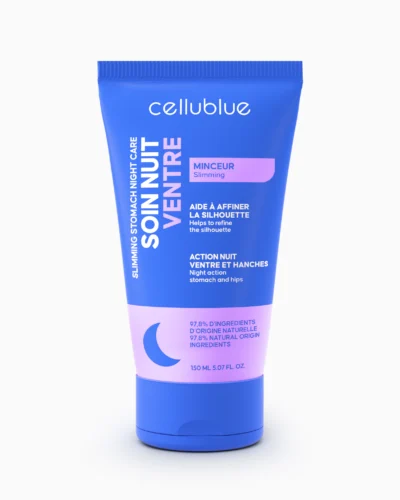
A treatment applied with a massage can also find its place in your routine, alongside a balanced diet and regular physical activity. Our Cryo Belly Slimming Gel and our Belly Slimming Night Cream are designed for the belly. They are applied with a massage to the belly and love handle area. The gel is applied during the day, as a targeted ritual for the skin of the belly. As for the night cream, it is applied in the evening, before you sleep. Daily application with a gentle massage of your midsection is above all a comforting skincare ritual: it doesn’t replace a suitable diet or exercise. Don’t hesitate to massage your midsection daily with gentle, comforting treatments. To find out more, read our articles on losing belly fat, lipolysis and natural everyday allies.
The cooling gel that leaves the skin on your stomach firmer The evening treatment with Ginger & Slimsize® for the belly and hips
3- Exercise — but go easy on the crunches!
To work on your belly, there’s no getting around it: you need to strengthen your core. But not just any way you like! Endless ab sessions aren’t necessarily the best solution. Here’s why:
- Targeted muscle work on the abs doesn’t mean you’ll lose fat in that specific area. Your body, when looking for energy, may well draw from elsewhere. You could end up accentuating the very “slim body, big belly” effect you’re trying to fix!
- Crunches aren’t the whole answer.
- Intense ab sessions risk over-developing the abdominal muscles. These larger muscles will “push” against the abdominal wall and make the belly look even more prominent.
To look after your figure, you need to get moving. The best way to do that is through cardio and endurance activities. Cycling, rowing, Zumba, cross-country skiing: these sports, practised regularly, get the whole body moving. And if you’re the impatient type, you might want to try HIIT (high-intensity interval training) to tone up and work the muscles around your belly!
Finally, if you suffer from lumbar hyperlordosis, avoid sports that increase the arch in your back: running, high-impact sports, gymnastics and tennis are best avoided. Instead, focus on strength training, Pilates and swimming, which can help you work on your posture.
4- See your doctor
A visit to your doctor is strongly recommended, especially if you suspect you may have diabetes, a food intolerance, a hormonal imbalance or a chronic intestinal condition. They will be able to diagnose the source of your discomfort and recommend the right support for you.
Frequently asked questions
Why does my stomach get bloated as the day goes on?
A belly that’s fairly flat in the morning but rounds out over the course of the day may point to a digestive issue: bloating, wind and changes in bowel habits, sometimes linked to diet or a food intolerance. Pay attention to how you feel after meals. If the discomfort persists, speak to your GP (see the section “A sensitive gut”).
Why do I only put on weight around my belly?
Several factors encourage fat to be stored around the belly, even with a slender figure: a diet high in fast-release sugars, a sedentary lifestyle, chronic stress, age and hormonal changes, or an arched posture that makes the belly look more rounded. These causes are covered in detail in the first part of the article.
How can I get rid of love handles?
The same approach as for the belly applies: a balanced diet that limits fast-release sugars, and regular cardio and endurance activities rather than endless sets of crunches. Every body responds at its own pace, so focus on consistency rather than intensity.
My daughter is thin but has a big tummy. Should I be worried?
Every child has their own body shape, and a round tummy can have many different causes. For a child or teenager, the simplest thing is to speak to her GP or paediatrician, who will be able to assess the situation and advise you.
Related articles
- How to lose belly fat without doing abs?
- Flat Belly Challenge – Day 1
- How to lose belly fat without exercise?
Useful categories: Slimming Solutions, Weight Management.