
What could be more delicious than a piece of fruit for dessert or a snack ? Nothing, really, especially when it is bursting with sweetness and sunshine. Still, it is best not to overdo it when fruits are particularly sweet. So which fruits are the lowest in sugar ? Here is a short list to help you choose wisely.
Sommaire
Lowest-sugar fruit no.1 : strawberry

It is often nicknamed “the diabetic’s fruit,” which says a lot… With 39 kcal per 100 g and a very low sugar content (barely 6 g), the strawberry is undeniably diet-friendly. But do not let that fool you: it is packed with vitamins, especially antioxidant vitamin C and vitamin B9, which supports the proper functioning of the nervous system and immune defenses. It also contains potassium, recommended in cases of water retention, as well as flavonoids, which are very useful in fighting oxidative stress.
Fruit no.2 : raspberry

A second red fruit considered low in sugar : the raspberry. It is only slightly more caloric than the strawberry (49 kcal per 100 g) but contains no more sugar (around 6 g). It is also rich in fiber (4 g), making it ideal for supporting intestinal transit. Another notable fact : it is the fruit richest in vitamin B5, which is essential for healthy skin and hair. In short : raspberries are delicious little berries, low in calories, that help you look radiant and enjoy beautiful skin !
Fruit no.3 : lemon
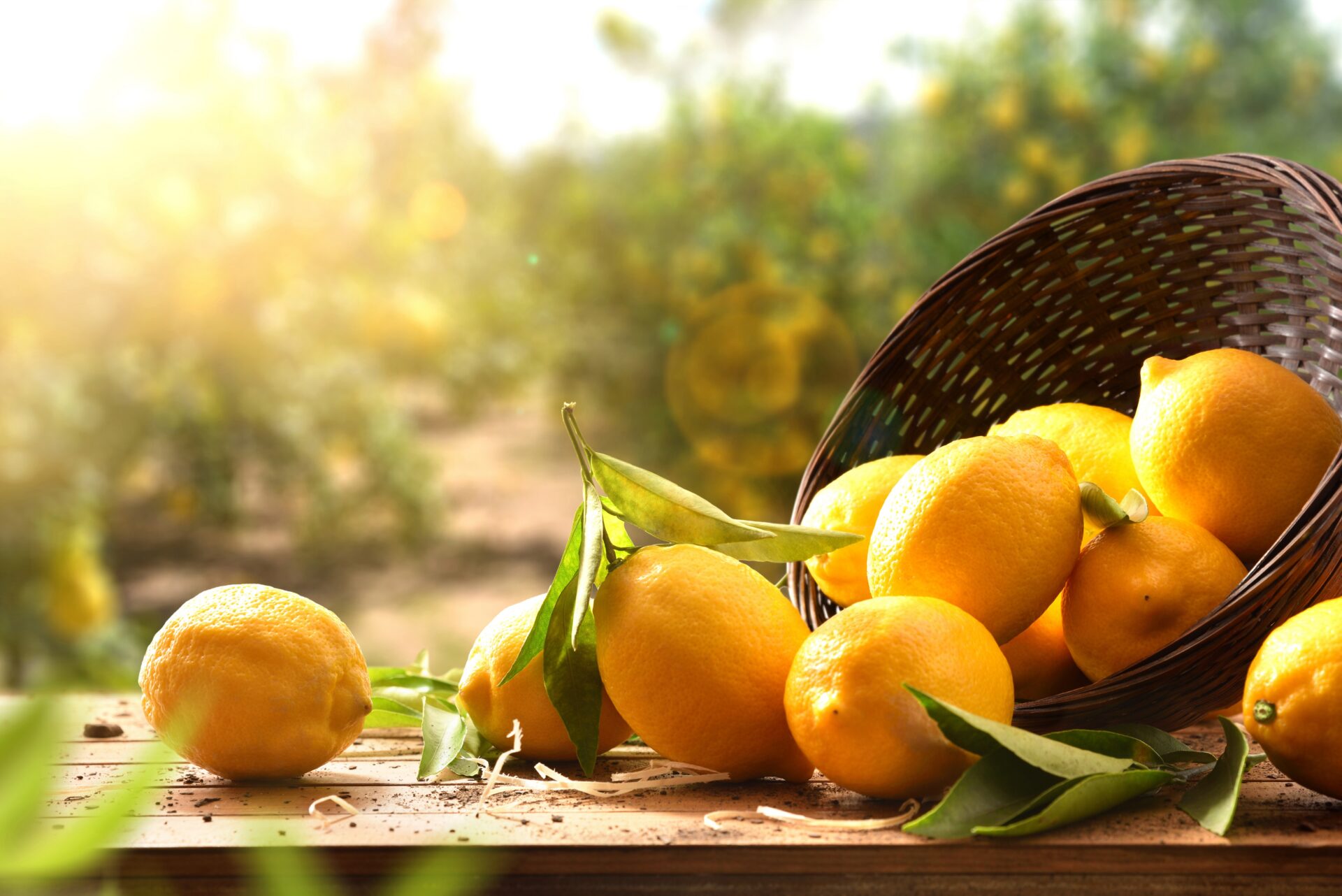
This is certainly one of the lowest-calorie fruits… The lemon, of course, “weighs in” at just 28 kcal per 100 g and contains only 1.6 g of carbohydrates. It also stands out for its impressive health benefits : antimicrobial, anti-inflammatory, energizing, digestive… This is due to its high content of vitamin C, polyphenols and citric acid. At Cellublue, we love it, and it appears in the ingredient list of some of our products, such as Thé Brûle-Graisses Minceur and Tisane Détox Minceur…
Fruit no.4 : grapefruit

Let us stay with citrus fruits and talk about grapefruit. Here is another fruit that is low in sugar and a true slimming ally. Grapefruit (and its cousin pomelo) contains only 40 kcal per 100 g and 8 g of carbohydrates (including 6.6 g of sugars). It is also an undeniable source of antioxidant vitamins (provitamin A, vitamin C) and stands out for its vitamin B6 content, which is necessary for proper cellular function. Another point worth noting : it is known for its draining, digestive and fat-targeting properties. It is therefore a boost for weight loss.
Fruit no.5 : kiwi

Here is a delicious fruit that brings great comfort in the heart of winter. Kiwi can be considered a diet-friendly fruit : just 60 kcal per 100 g and 11 g of carbohydrates (including 9 g of sugar), which remains below the average sugar content of fresh fruit. It is also well supplied with dietary fiber and is therefore a flat-stomach ally. When it comes to vitamins, it has plenty to surprise you with : it is richer in vitamin C than citrus fruits, but its vitamin K content (which helps regulate blood circulation) is especially noteworthy. Another advantage : it is one of the fruits highest in copper, which supports the immune system and helps with iron absorption. If you are anemic (a common issue among women…), eat kiwis without worrying about your figure.
Fruit no.6 : watermelon

Here is a fruit that is as beautiful as it is delicious, and one we love when summer arrives. Watermelon is very light : an exceptional water content for optimal hydration, only 39 kcal per 100 g and little sugar (8 g), so you can enjoy it without worrying about gaining weight… Also worth noting is its antioxidant provitamin A content, which explains its red color (lycopene, a natural pigment with protective and anti-aging properties). So you would be wrong to deny yourself the pleasure of a lovely slice of chilled watermelon for dessert or as an afternoon snack !
Fruit no.7 : Charentais melon
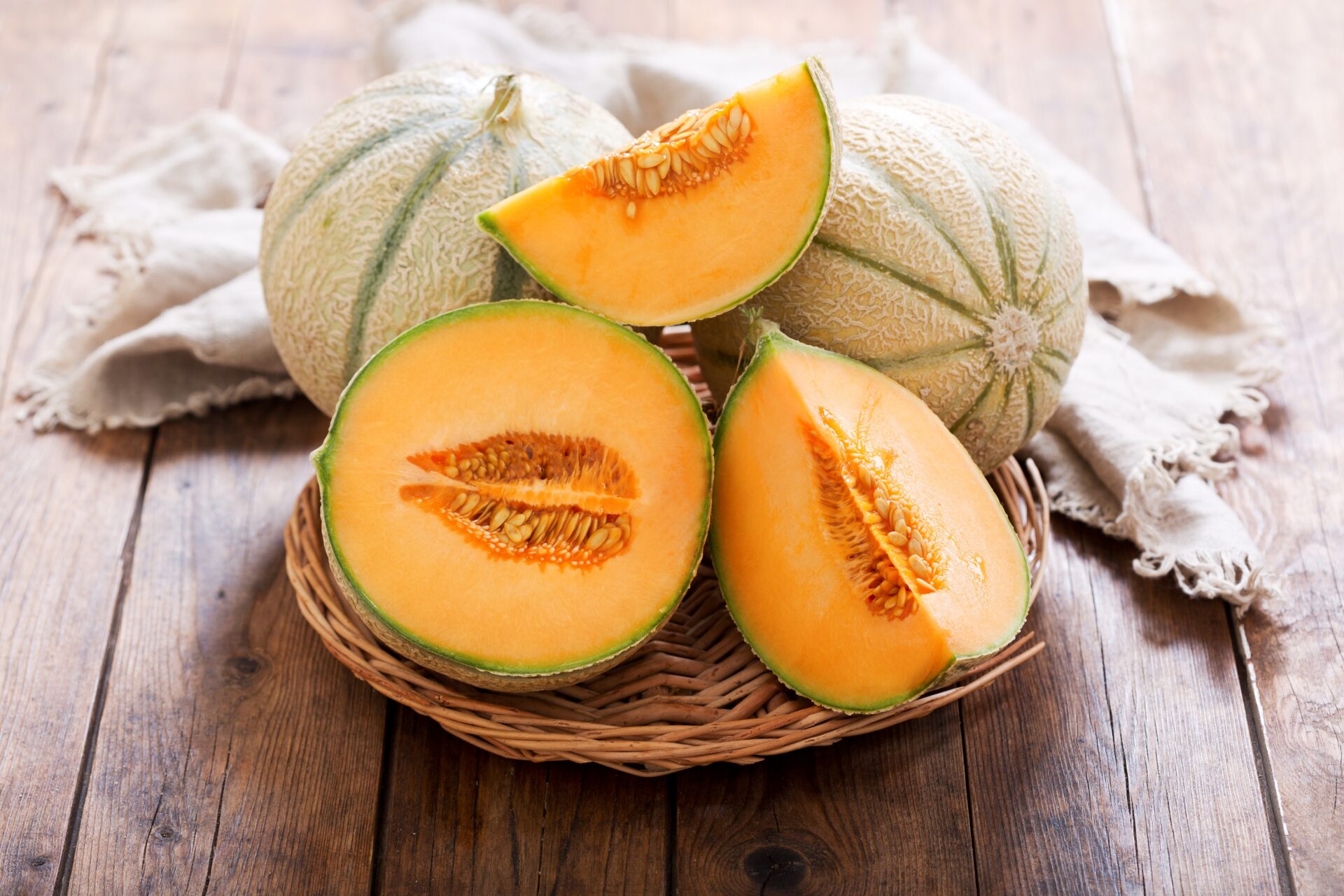
It is hard to talk about watermelon without mentioning melon, its fellow cucurbit. Slightly sweeter and more indulgent, it is still light and beneficial for health : 62 kcal per 100 g, 15 g of carbohydrates, including 10 g of sugars. In terms of micronutrients, it is just as interesting : a powerhouse of beta-carotene (for glowing skin) and vitamin B9, to help maintain energy, focus and memory. Not to mention its good potassium content, which helps combat water retention, a typical issue in summer heat. So you can happily welcome melon to your summer table without guilt !
Fruit no.8 : peach

Let us stay a little longer with summer fruits, with the peach (and, by extension, the nectarine and smooth-skinned varieties). Bursting with juice, it is wonderfully refreshing. Even so, it is low in calories (47 kcal per 100 g) and contains only 9 g of sugar. If you are watching your fiber intake, choose white peaches, which contain more than yellow peaches. But if you are more focused on micronutrient intake, yellow peaches may have the edge… Best of all: do not deprive yourself of either, as both are full of benefits !
Fruit no.9 : blackberry

Now let us return to red fruits, which along with citrus fruits are among the most diet-friendly. We do not always think of it, but the blackberry is also a great ally for your figure : 45 kcal per 100 g, 8 g of sugar and a notable vitamin C content. This little black berry also has more to offer than meets the eye when it comes to trace elements: it notably contains manganese, phosphorus (for bone health) and iron (for cellular oxygenation). So do not hesitate anymore to walk through the countryside, along the brambles, and fill up on this delightful little fruit…
Fruit no.10 : apple
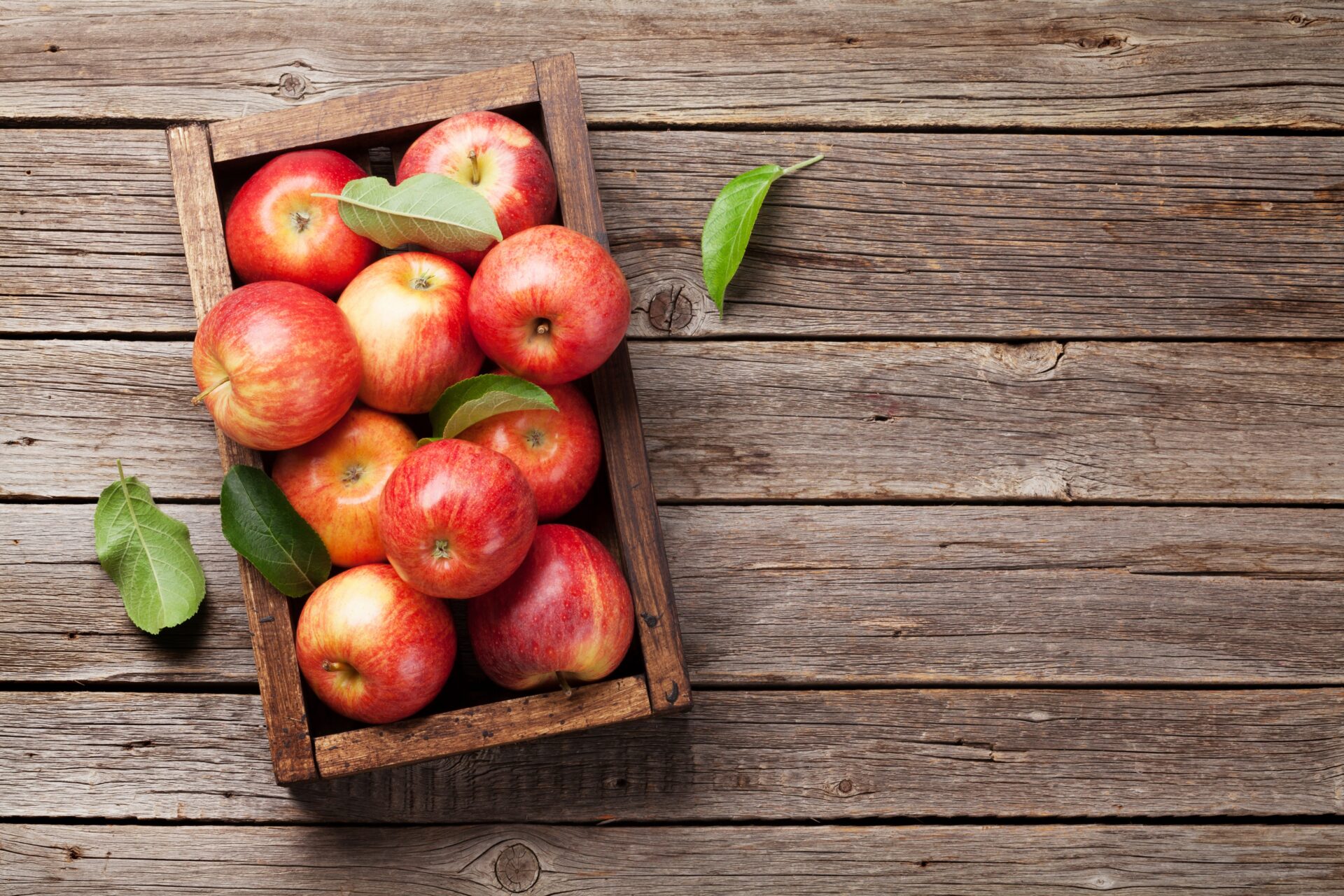
It would be hard to write an article on diet-friendly fruits without mentioning the one and only, the French favorite: the apple ! Its calorie content varies depending on the variety (between 55 and 60 kcal per 100 g), as does its sugar content (on average, 11 g of carbohydrates per 100 g). Above all, it is rich in dietary fiber, including pectin, known for its proven appetite-suppressing effect. It is therefore considered a slimming fruit, able to curb even the slightest hunger in just a few bites !