
What could be more delicious than a piece of fruit for pudding or as a snack? Nothing, really, especially when it’s bursting with sweetness and sunshine. Still, it’s best not to overdo it when a fruit is particularly sweet. So which fruits are the lowest in sugar? Here is a selection of 10 low-sugar fruits, from berries and citrus fruits to summer favourites. For each one, you’ll find its calories, its sugar or carbohydrate content per 100 g and its main nutritional strengths. According to the figures given, lemon has the lowest carbohydrate content of them all, and it appears third in this list.
Lowest-sugar fruit no.1: strawberry
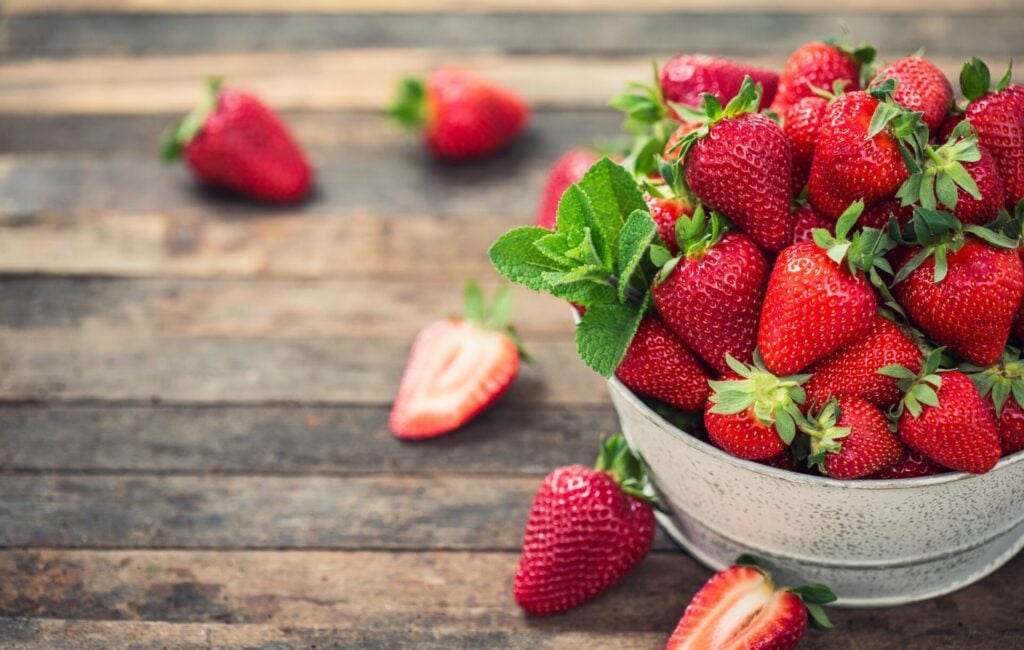
First on this list: with 39 kcal per 100 g and a very low sugar content (barely 6 g), the strawberry is a light fruit. But don’t let that fool you: it is packed with vitamins, especially antioxidant vitamin C and vitamin B9. It also contains potassium, as well as flavonoids, which are known for their antioxidant properties.
Fruit no.2: raspberry
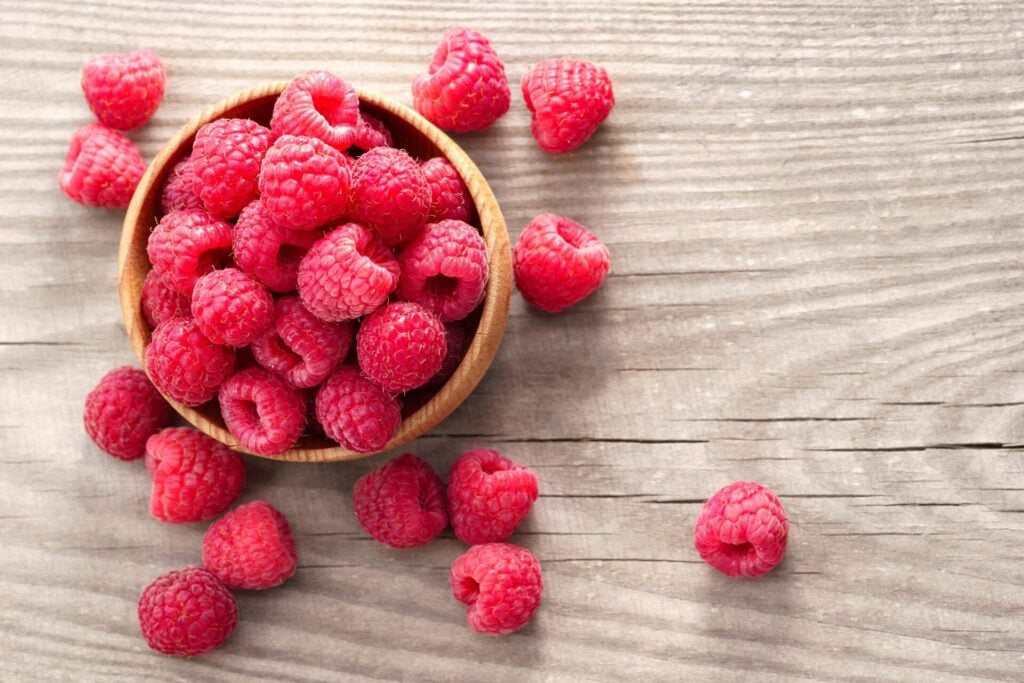
A second red fruit considered low in sugar: the raspberry. It has only slightly more calories than the strawberry (49 kcal per 100 g), and its sugar content is just as low: around 6 g per 100 g. That puts it among the least sugary fruits on this list. It also provides fibre (4 g). Another notable fact: it is the fruit richest in vitamin B5. In short, the raspberry is a delicious, low-calorie little berry. And for your body care routine, take a look at our tips for beautiful skin!
Fruit no.3: lemon
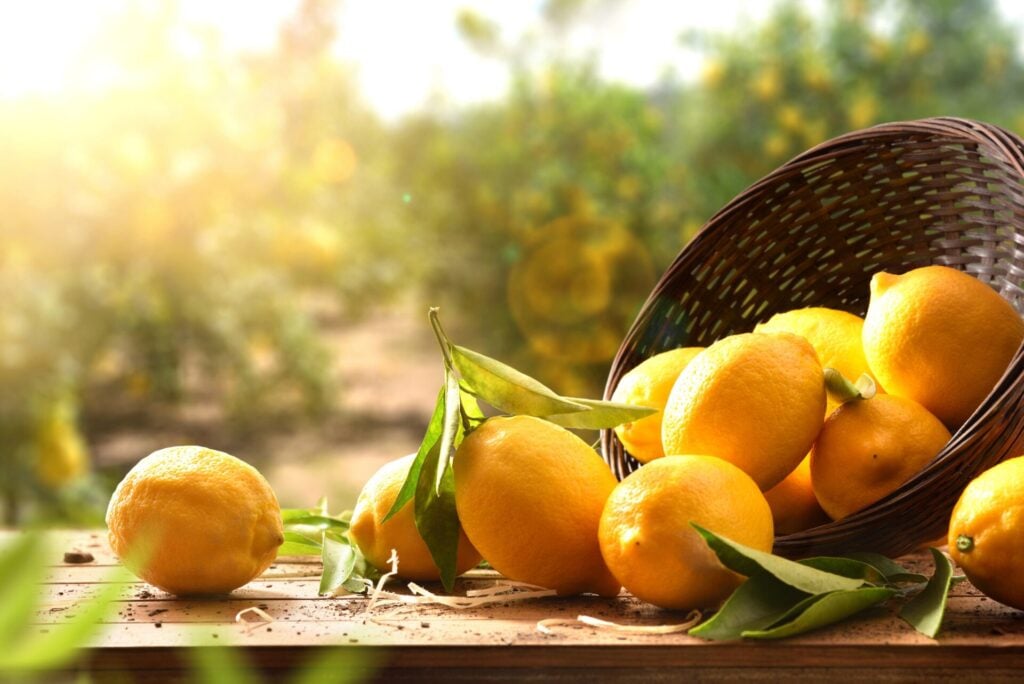
This is certainly one of the lowest-calorie fruits… The lemon, of course, “weighs in” at just 28 kcal per 100 g and contains only 1.6 g of carbohydrates: according to the figures given, that is the lowest carbohydrate content on this list. It also stands out for its high content of vitamin C, polyphenols and citric acid. At Cellublue, we love it, and it appears in the ingredient list of some of our products, such as our tea and our infusion…
Fruit no.4: grapefruit
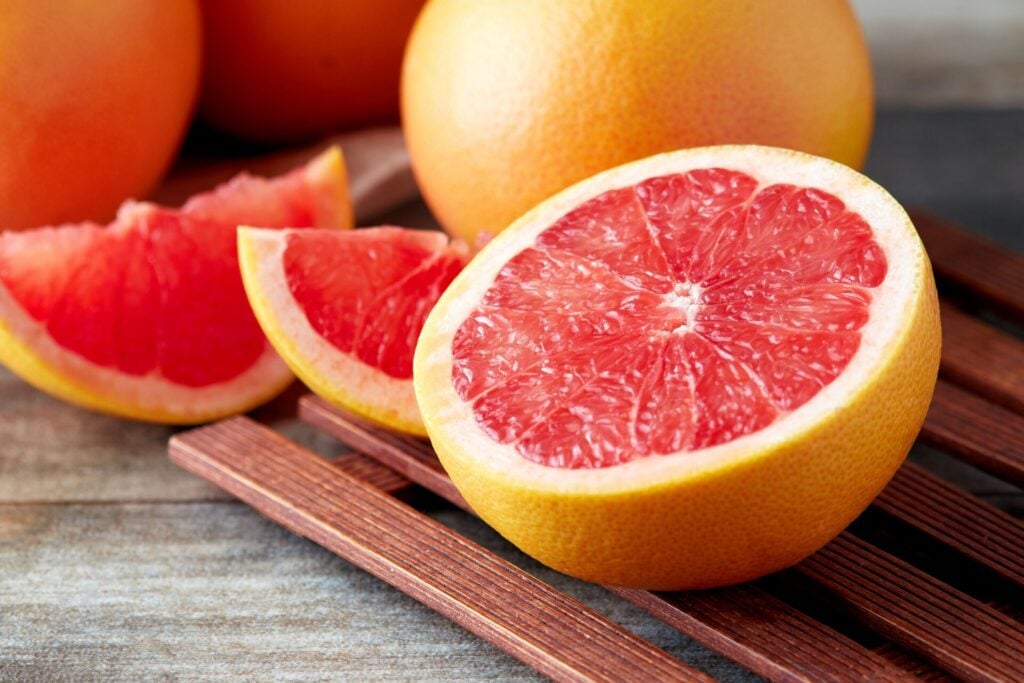
Let’s stay with citrus fruits and talk about grapefruit. Here is another low-sugar fruit that makes a great snack. Grapefruit (and its cousin, the pomelo) contains just 40 kcal per 100 g and 8 g of carbohydrates (including 6.6 g of sugars). It’s also a genuine source of antioxidant vitamins (provitamin A, vitamin C) and stands out for its vitamin B6 content. One more thing worth noting: it is low in calories and refreshing. For more everyday ideas, see our 10 simple tips.
Fruit no.5: kiwi
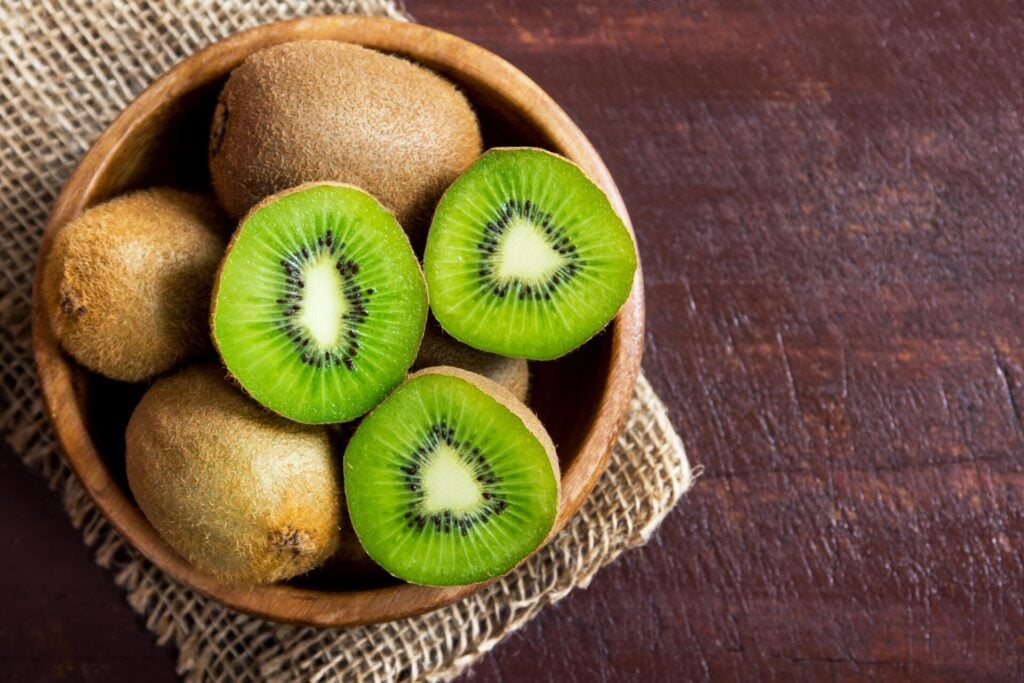
Here is a delicious fruit that brings great comfort in the depths of winter. Kiwi can be considered a light fruit: just 60 kcal per 100 g and 11 g of carbohydrates (including 9 g of sugars), which is still below the average sugar content of fresh fruit. It’s also a good source of dietary fibre, and you’ll find it in our tips for a flat stomach too. When it comes to vitamins, it has plenty to surprise you with: it’s richer in vitamin C than citrus fruits and also provides vitamin K. Another plus: it’s one of the fruits highest in copper. If you have any concerns about a deficiency, ask your GP for advice. Kiwi is best enjoyed as part of a varied, balanced diet.
 -16%
-16%Capsules made with chromium, which contributes to normal macronutrient metabolism
- Chromium contributes to normal macronutrient metabolism, meaning the sugars, fats and proteins in your meals
- It also contributes to the maintenance of normal blood glucose levels
- Dandelion, burdock and artichoke complete the formula
Fruit no.6: watermelon
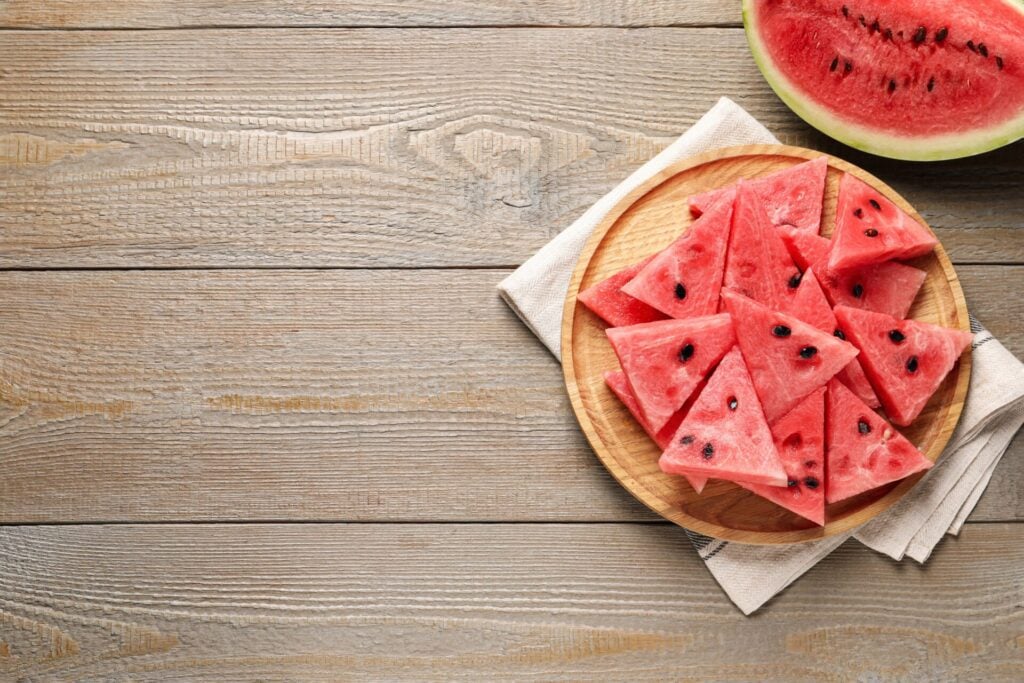
Here is a fruit that is as beautiful as it is delicious, and one we love when summer comes round. Watermelon is very light, and its high water content makes it wonderfully refreshing. It contains just 39 kcal per 100 g and little sugar (8 g), so you can enjoy it without overdoing it… It also provides antioxidant provitamin A, as well as lycopene, the natural pigment responsible for its red colour, known for its antioxidant properties. So there’s no reason to deny yourself a lovely slice of chilled watermelon for pudding or as an afternoon snack!
Fruit no.7: Charentais melon
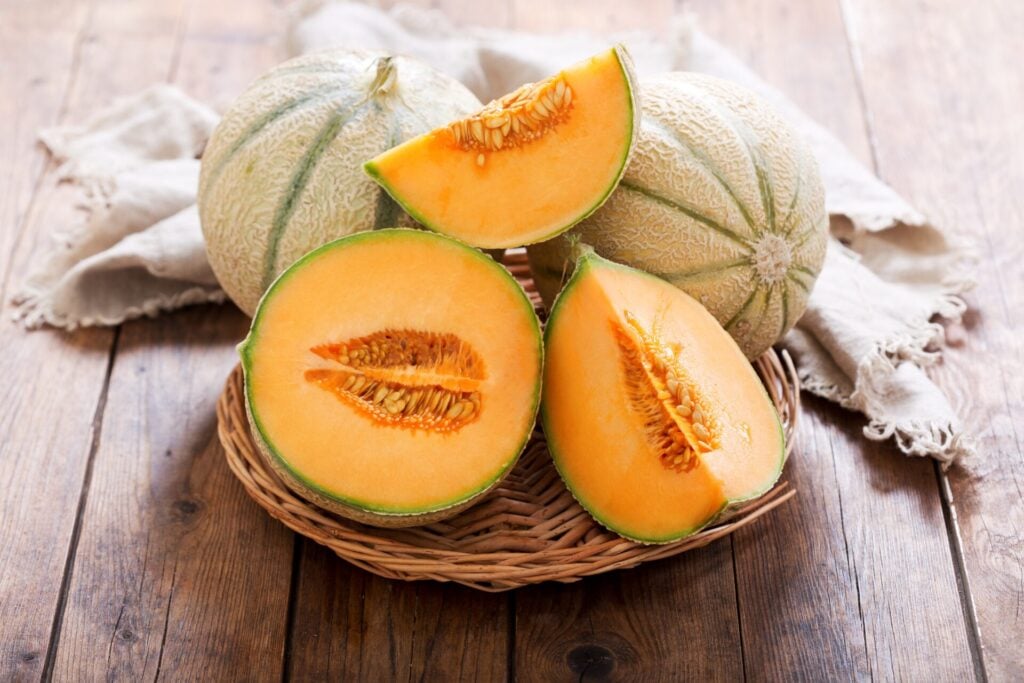
It’s hard to talk about watermelon without mentioning melon, its fellow member of the cucurbit family. Slightly sweeter and more indulgent, it is still a light choice: 62 kcal per 100 g and 15 g of carbohydrates, including 10 g of sugars. In terms of micronutrients, it’s just as interesting: it provides beta-carotene and vitamin B9. Not to mention its good potassium content. So you can happily welcome melon to your summer table!
Fruit no.8: peach
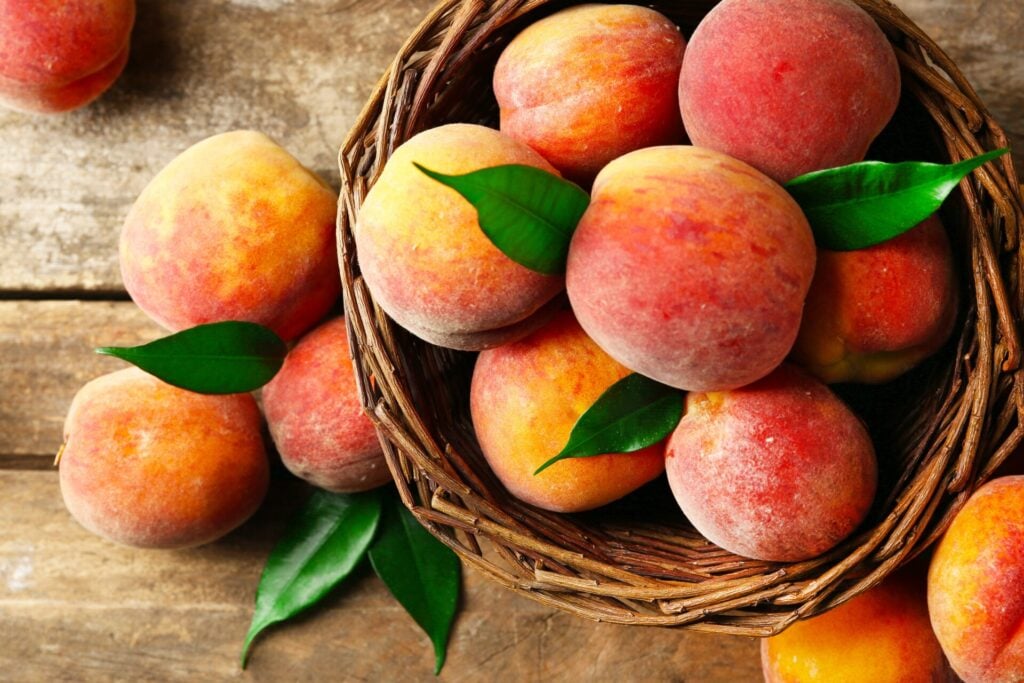
Let us stay a little longer with summer fruits, with the peach (and, by extension, the nectarine and smooth-skinned varieties). Bursting with juice, it is wonderfully refreshing. Even so, it is low in calories (47 kcal per 100 g) and contains only 9 g of sugar. If you are watching your fiber intake, choose white peaches, which contain more than yellow peaches. But if you are more focused on micronutrient intake, yellow peaches may have the edge… Best of all: do not deprive yourself of either, as both are delicious!
Fruit no.9: blackberry
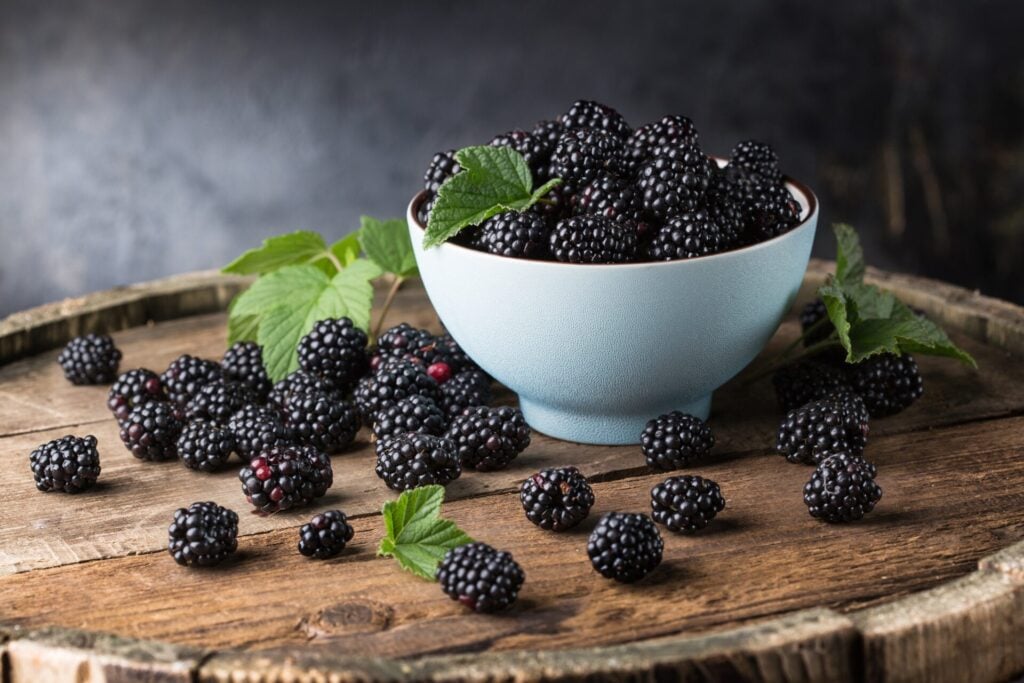
Now let’s return to berries, which along with citrus fruits are among the lightest fruits around. We don’t always think of it, but the blackberry is also a light choice: 45 kcal per 100 g, 8 g of sugar and a notable vitamin C content. This little black berry has more to offer than meets the eye when it comes to minerals, too: it notably contains manganese, phosphorus and iron. So don’t hesitate to walk through the countryside, along the brambles, and help yourself to this delightful little fruit…
Fruit no.10: apple
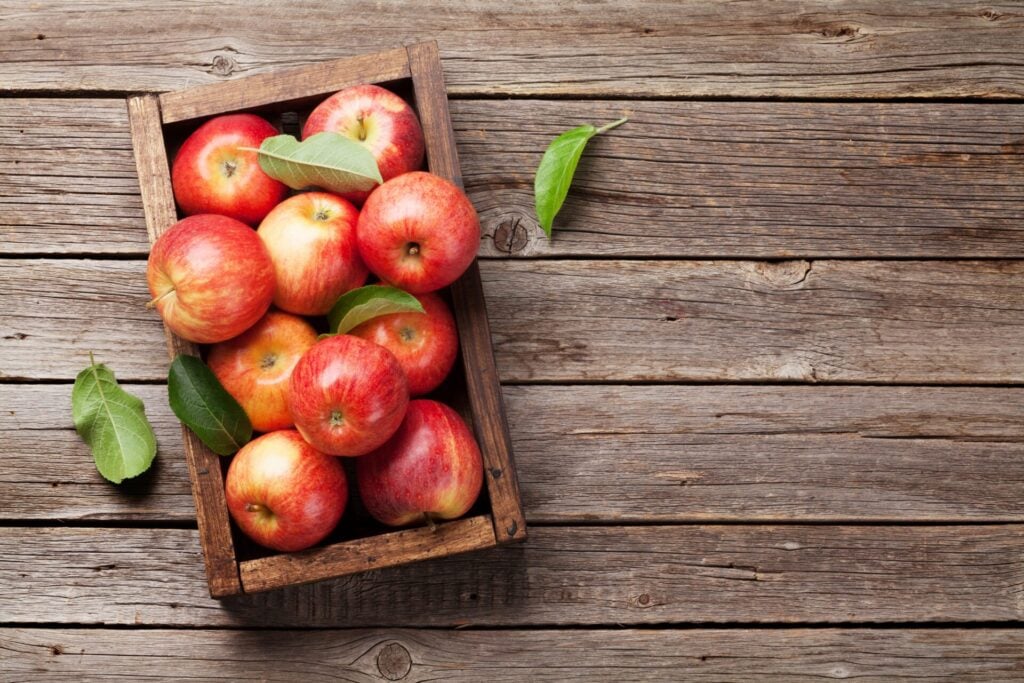
It would be hard to write an article on low-sugar fruits without mentioning the one and only French favourite: the apple! Its calorie content varies depending on the variety (between 55 and 60 kcal per 100 g), as does its sugar content (on average, 11 g of carbohydrates per 100 g). Above all, it’s rich in dietary fibre, including pectin. Easy to take with you, it’s a handy fruit to reach for when you feel a little peckish!
At a glance: the figures for each low-sugar fruit
To help you find your way around, here are the figures given in this article per 100 g of each fruit (carbohydrates or sugars, depending on the fruit):
- lemon: 1.6 g of carbohydrates
- strawberry: barely 6 g of sugar
- raspberry: around 6 g of sugar
- grapefruit: 6.6 g of sugars
- watermelon: 8 g of sugar
- blackberry: 8 g of sugar
- kiwi: 9 g of sugars
- peach: 9 g of sugar
- Charentais melon: 10 g of sugars
- apple: 11 g of carbohydrates on average
Citrus fruits and berries therefore have some of the lowest figures in this selection. Melon and apple, which are slightly sweeter, are still good options for adding variety.
Frequently asked questions
Are there any fruits with no sugar?
No, all fruits contain natural sugars, but in very different amounts. Lemon comes closest: according to the figures given, it has the lowest carbohydrate content in this selection. Berries and grapefruit are also among the low-sugar fruits.
Can you eat fruit if you’re cutting down on sugar?
Yes, by choosing the least sugary fruits on this list and varying what you eat with the seasons. If you’re watching your sugar intake for a health reason, ask your GP or a healthcare professional for advice.
Related articles
- The 10 Lowest-Calorie Fruits
- Low-calorie breakfasts: 7 simple ideas to try
- Which fruit to eat in the evening? Ideas for dinner
Useful categories: Slimming Nutrition, Weight Management.