Pregnancy is generally a time of joy. But it doesn’t come without consequences for a woman’s body. Cellulite, weight gain, stretch marks, and skin concerns are all challenges that expectant mothers face — and they don’t simply disappear after giving birth. The belly is the area most affected; it often retains residual cellulite after pregnancy. Here are some tips and advice to help limit the appearance of abdominal cellulite during and after pregnancy.
Why does pregnancy encourage the appearance of cellulite?
Pregnancy is a prime time for the development of cellulite in women. It’s a very common phenomenon, partly due to the exceptional hormonal changes involved. Cellulite is a benign skin condition caused by the enlargement of fat cells, sluggish veno-lymphatic circulation that can sometimes lead to water retention, and occasionally a disruption of the subcutaneous elastic network.
During pregnancy, female hormones are at their peak. These include:
- Oestrogens, which increase blood flow to the abdomen to nourish and oxygenate the foetus. However, the downside of the surge in oestrogen levels is undoubtedly water retention, as venous return becomes less efficient than usual — a tendency made worse by the reduced mobility of pregnant women.
- Prolactin, the hormone that prepares the mammary glands for breastfeeding. It promotes greater fat storage, potentially overloading the fat cells. This excess in turn slows venous circulation and contributes to water retention.
The combined effects of these two hormones therefore trigger the onset of cellulite during pregnancy. And unfortunately, it doesn’t disappear after giving birth… This cellulite tends to develop in areas of the body naturally rich in fat cells, namely the buttocks, the hips, the thighs, and also the belly. In this specific area, it’s barely noticeable during pregnancy, as the skin is constantly stretched. But post-partum, many women discover a soft belly, puffy and marked with stretch marks and unsightly dimples.
What can you do during pregnancy to prevent belly cellulite?
Your options during pregnancy are limited: you can’t practise massage techniques like skin-rolling (palper-rouler) massage, nor apply many cosmetic products to your belly. That said, you can put a few preventive measures in place to keep cellulite at bay.
1- A healthy, varied diet
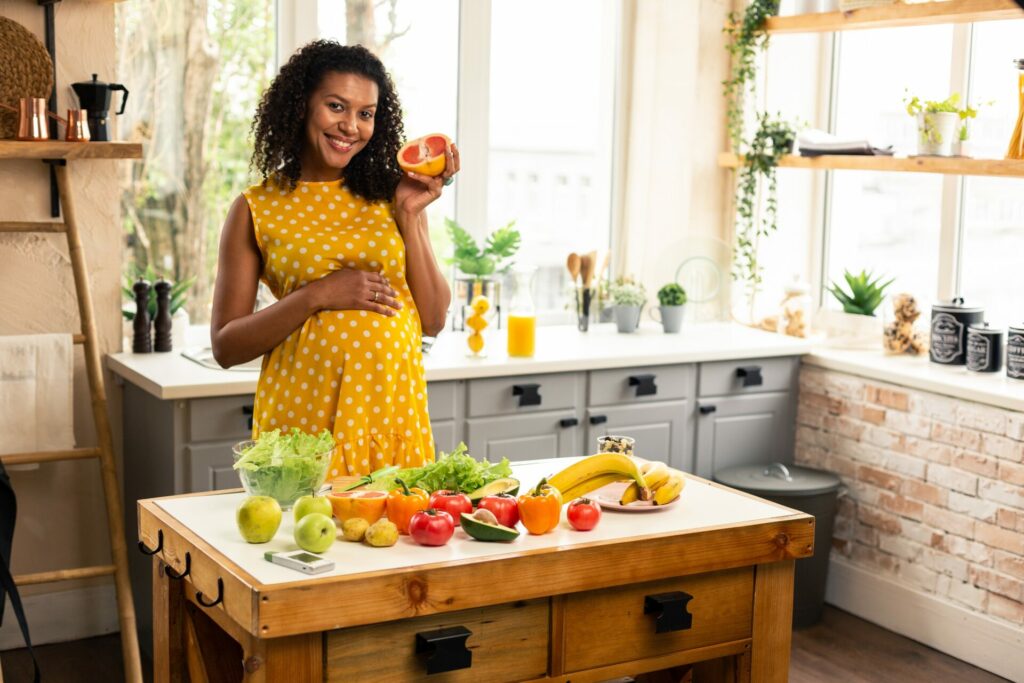
- Make sure to maintain a balanced diet. No, you are not “eating for two” — that’s a complete myth. What matters is eating a varied, simple, home-cooked diet that is sufficient without being excessive. For advice on your specific needs, ask your doctor or midwife.
- Avoid excess saturated fats, whether plant-based or animal. Too much of them has no place on a mum-to-be’s plate, and they are best limited in any balanced diet anyway.
- Instead, load up on fruits and vegetables, omega-3s, complex carbohydrates, and low-fat dairy products.
- Watch out for fast-release sugars, which are best enjoyed in moderation, especially during pregnancy. If in doubt, talk to your doctor.
- Limit salt as much as possible.
- Drink water as much as possible. Pregnant women need to stay well hydrated. To find out more about aqueous cellulite, take a look at our dedicated article.
2- Physical activity, even during pregnancy
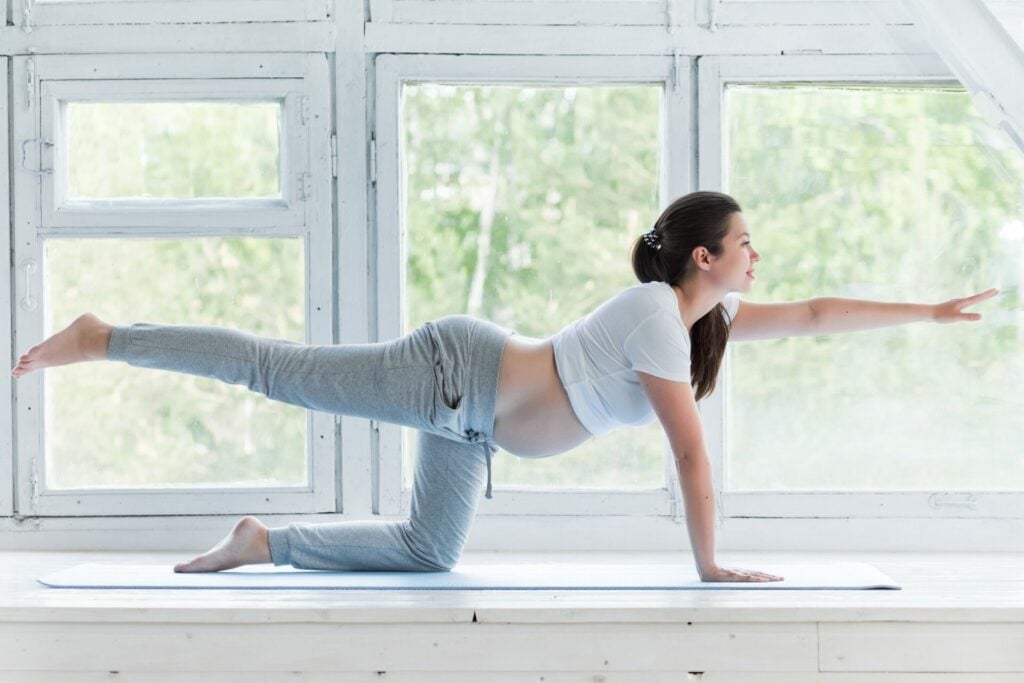
To combat belly cellulite (and elsewhere) during pregnancy, it’s recommended to keep up with physical activity — but only with the green light from your doctor or midwife, of course! If you were already active before your pregnancy, there’s a good chance you’ll be able to continue your activities as much as possible. If you tend to be less active, it’s advisable to gradually increase your exercise, aiming for around 5 hours of moderate-intensity activity per week. You can combine aerobic exercises such as brisk walking, stationary cycling, swimming or elliptical training, with muscle-strengthening exercises (using a resistance band like ours, for example). The key: choose activities with no risk of falls or abdominal impact, and always listen to your body.
3- What about anti-cellulite creams during pregnancy?
Lots of mums-to-be look for an anti-cellulite cream that’s suitable for pregnancy. As mentioned above, your options are limited during this time, so it’s best not to pile lots of cosmetic products onto your belly. Before using any product, whatever it is, check with your doctor or midwife first.
In the meantime, focus on a varied diet, plenty of water and physical activity that suits you. Targeted body care and massages can come into play after the birth, once your doctor has given you the go-ahead. That’s what the anti-cellulite routine further down is all about.
What can you do after giving birth to tackle belly cellulite?
Baby has arrived, and the reality hits home: you have cellulite on your belly. Nothing is set in stone. But before launching an all-out war on dimples, one piece of advice: stop putting pressure on yourself. Cellulite is a perfectly normal phenomenon, and 90% of women have it, whether they’ve been pregnant or not. So rather than jumping into drastic measures that could put strain on your body, take things step by step, gradually, over the coming months.
1- Keep up the dietary efforts
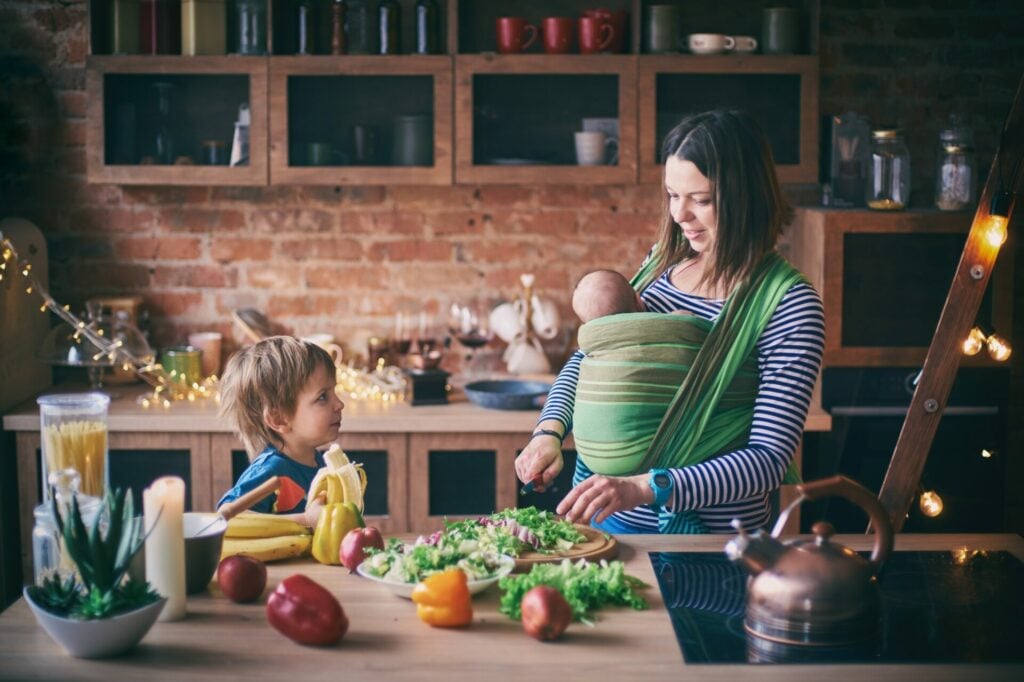
First piece of advice: if you maintained a healthy, balanced diet during your pregnancy, keep it up. Going on a diet post-partum is absolutely not recommended — a new mother needs energy, and food is her only source of it.
- Continue eating a balanced diet: fruits and vegetables, lean proteins, dairy products, complex carbohydrates, quality fats.
- Prepare your own meals, keeping things simple and balanced. You’re undoubtedly exhausted, but steer clear of ready meals, processed foods, and the temptation to order in.
- Still avoid saturated fats, sugar, salt, and snacking.
- Stick to regular mealtimes as much as possible, as your body thrives on routine. And above all, don’t starve yourself! Not only does it do nothing for your skin or your figure, but it will leave you even more exhausted than you already are.
- Keep up your fluid intake with plenty of water, especially if you’re breastfeeding (in that case, aim for 2 to 3 litres per day, through both drinks and food).
2- Gradually getting back to physical activity
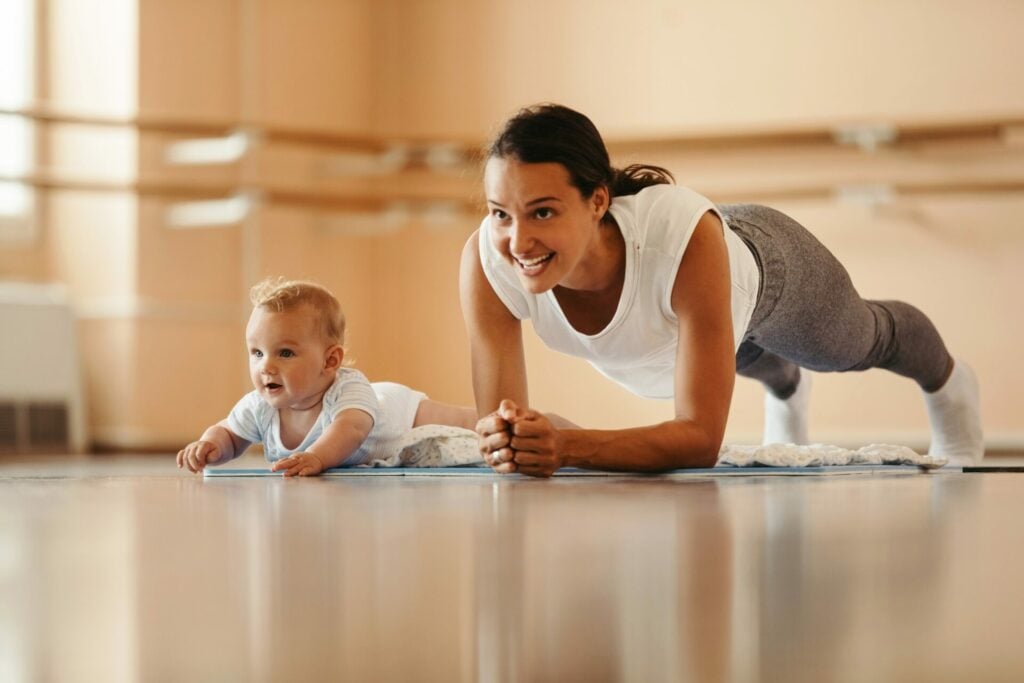
To tone the belly, movement is key. That said, returning to physical activity after pregnancy must be approached with great care. Exercise does have its place in a routine targeting the appearance of orange peel skin. But a woman who has been through pregnancy and childbirth needs time to regain her full physical capacity — endurance, strength, tone… It’s also recommended to ask your doctor or midwife for advice before you start again. So:
- Start by properly completing your pelvic floor and abdominal rehabilitation, following a check-up with your doctor or midwife and in line with their recommendations.
- After that, you can ease back into sport gently, once your doctor has given you the green light. A few hours a week of low-impact activity is recommended, such as stretching-based workouts (stretching, yoga, Pilates, hypopressive gym), water-based sports (swimming, aqua aerobics), walking (ideally brisk or Nordic walking) or cycling. These activities work all your muscles and help tone your core. They’re a great companion to your belly cellulite routine.
3- Adopting an anti-cellulite routine
After a few weeks, once you’ve settled into your rhythm as a new mum, it’s time to carve out a little time for yourself. You can spend it treating yourself to some body care and looking after your post-pregnancy belly. And what better way to do it than with our Pack Maxi Anti-Cellulite?
It contains everything you need:
- Our Anti-Cellulite Scrub, which gently preps the skin for the rest of your routine. What’s more, our scrub is enriched with caffeine.
- Our massage oils, for massaging your belly. You can do your massage routine in the shower with our Anti-Cellulite Shower Oil, which contains green tea and pineapple, or after your shower with our Massage Oil with grapefruit and ivy.
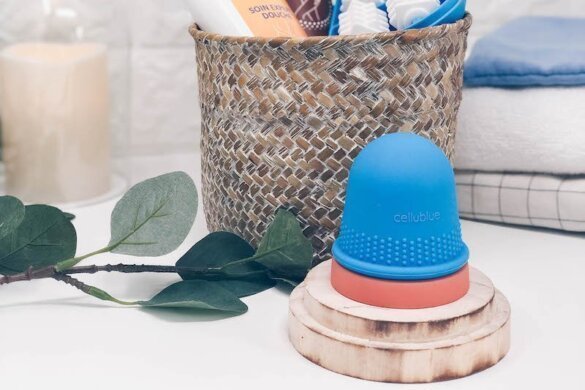
- You can of course do your anti-cellulite massages by hand. You can also opt for a skin-rolling massage using our Cupping Cup, followed by smoothing movements with our Orange Peel Massager. They’re two handy tools for looking after the skin on your belly.
- Finally, what would an anti-cellulite routine be without a good all-rounder cream? Our Cryo Anti-Cellulite Cream, featuring a coffee and green coffee duo plus menthol, can be applied to your belly every day using circular movements.
Related articles
- Loose belly after pregnancy: how to firm it up?
- Itchy belly during pregnancy: what should you do?
- Draining belly massage: how to do it?
- The best anti-cellulite habits to adopt after exercise
- CelluBlue Body Challenge – Day 15
Useful categories: Belly cellulite, Targeting Cellulite by Area.