
Are you the type to snack all day long? Do you feel hungry all the time, or at least think you do? If you tend to nibble morning and night (and feel as though you gain weight without understanding why), maybe you’re finding it hard to manage your hunger… So here are 8 simple tips to start using right now, to help you live more comfortably with that constant hunger that never seems to let up.
How do you know if you’re really hungry?
That’s the first question to ask yourself! And the feeling of hunger isn’t obvious for everyone, far from it! But hunger is a sensation that appears after some time without eating, and simply pushes us to satisfy that sensation with food. Hunger responds to physiological factors: a rise in ghrelin, the hunger hormone, and a drop in blood sugar levels. The need for energy starts to make itself felt, and the physical signals don’t lie: a rumbling stomach, yawning, lower energy or even drowsiness, a slight feeling of nausea, sometimes headaches and chills. It’s also worth noting that some external signals, such as tempting smells or the sight of appetizing foods, can trigger hunger. So it also has a psychological dimension.
Emotional hunger is something else: it’s more of an urge to eat. That urge can be driven by different emotions: boredom, stress, sadness, anger, frustration, but also simple greed. The main drawback: it is often responsible for weight gain, because it does not respond to any real physiological need. What’s more, emotional hunger is often satisfied with highly caloric foods whether they are sweet, salty, or fatty.
So, the first piece of advice for managing your hunger better is to ask yourself, honestly: am I really hungry, or do I just feel like eating? If the second option wins out, then ask yourself:
- Why do I feel like eating?
- Is food the best response to my emotion?
- What else can I do to respond to it?
If you’re honest with yourself, you’ll no doubt realize that it isn’t real hunger, but rather using food to silence your emotions. In that case, it seems wiser to face what you’re feeling – this seems like a healthier solution for both body and mind!
I’m hungry all the time, what should I do?
Tip 1: balance your meals better

If your meals are too light, or if you’re not eating enough fibre, complex carbohydrates and/or protein, there’s a good chance you’ll be dealing with cravings just a few hours after finishing your meal. Also watch your intake of very sugary foods. So it’s best to put together complete, varied plates! At each meal, include:
- Low- or moderate-GI complex carbohydrates, such as whole grains, legumes, and root vegetables.
- Don’t hold back on vegetables.
- Also eat lean proteins: poultry, fish, eggs, cottage cheese.
Tip 2: drink water
Also, simply remember to drink.
Hunger is sometimes just thirst in disguise: what we take for hunger may actually just be a need to drink.
Hydration should come from water, tea, and herbal teas, with no added sugar. In fact, if you choose a sugary drink, such as a fizzy drink or a sweetened juice, you’ll be taking in a lot of sugar. So it’s best to save that sugary beverage for special occasions.
Also, make sure to stay hydrated throughout the day.
Tip 3: chew!

To manage hunger, it’s important to chew
your food well. What’s the connection? Chewing not only helps you digest (salivary enzymes do some pre-digestive work), it also gives your body time to release leptin.
What’s that? It’s the satiety hormone, and the brain takes around 20 minutes to receive the signal that you’re full. By taking the time to chew each bite, and putting your fork down regularly, you give your body time to realize it’s no longer hungry. Smart, right?
Tip 4: brush your teeth
A well-known trick that’s still met with plenty of scepticism, but one that lots of people swear by. Brushing your teeth after a meal can help you manage your hunger. It sends a clear signal: the meal is over, and it’s time to stop eating. On top of that, the fresh-mouth feeling and minty taste of toothpaste don’t exactly make you want to snack. Rather clever!
Tip 5: shop smart

How can your shopping habits help you manage hunger? Let us explain! Step one: plan your meals for the week. Step two: based on that plan, write a detailed shopping list and stick to it! Step three: have a snack before you head to the shops. You’re often less tempted to buy fatty or sugary foods when your stomach is full. That way, your cupboards and fridge will hold fewer “temptation foods” and, above all, what you need to prepare your meals. And as a bonus, you’ll save money too…
Tip 6: beat boredom
A message to all those who stick their head in the fridge every time boredom strikes! First: it’s a very bad idea. Second: it won’t solve your boredom, because once you’ve stuffed yourself, you’ll not only feel guilty, but also frustrated by your lack of activity! Instead of eating under the excuse of sudden hunger, keep yourself occupied in healthier ways. Reading, exercise, and creative hobbies are all great ways to make the most of your free time and feel fulfilled.
Tip 7: allow yourself a snack

To manage hunger, you first need to know how to listen to it. And if you really are hungry, eat! But not just anything, and not just anyhow. Stick to your 3 meals a day, and add a snack to the mix. Mid-morning or in the afternoon, it doesn’t matter. However, the snack should stay light: less than 25% of the recommended daily nutritional intake, or 100 to 150 kcal maximum. So you can opt for:
- A small bowl of cottage cheese with seeds and chopped seasonal fruit.
- A hard-boiled egg and a few cherry tomatoes
- A homemade smoothie
- A slice of wholegrain bread with cottage cheese and ham
- A banana sliced up with 2 tbsp of peanut or cashew butter
Tip 8: choose food supplements
Finally, some of you turn to food supplements made with plants. You’ll find some in our selection. Among the ingredients often used:
- carob seed;
- fucus, a brown seaweed that is naturally rich in iodine;
- Garcinia Cambogia.
A food supplement is no substitute for a varied, balanced diet and good everyday habits. Stick to the daily dose shown on the packaging and keep out of reach of young children. As fucus contains iodine, ask your GP for advice if you have a thyroid condition. If you are pregnant or breastfeeding, taking any medication, or have any doubts at all, speak to a doctor or pharmacist before taking it.
Frequently asked questions
How can I curb my hunger?
Start by checking whether it’s genuine hunger or just an urge to eat (see the first section). Remember to drink regularly throughout the day too, as hunger is sometimes just thirst in disguise. If you really are hungry, eat: stick to your 3 meals a day, with vegetables, protein and complex carbohydrates, and add a light snack if needed (tips 1, 2 and 7).
I’m hungry all the time – what should I do?
Take the time to put together varied meals with vegetables, complex carbohydrates and protein such as poultry, fish or eggs. Eat slowly and chew your food well, drink regularly and keep to 3 meals a day, with a light snack if you like. If the feeling of hunger persists, ask your GP for advice.
How can I tell if I’m really hungry or just want to eat?
Real hunger comes on after a while without eating and brings physical signals: a rumbling stomach, a dip in energy, yawning. The urge to eat is more often linked to an emotion such as boredom, stress or sadness. Ask yourself why you want to eat, and whether food is really the best response.
What should I eat when I’m feeling peckish?
Go for a light snack of 100 to 150 kcal maximum: a small bowl of cottage cheese with seeds and seasonal fruit, a hard-boiled egg with a few cherry tomatoes, a homemade smoothie, or a slice of wholegrain bread with cottage cheese and ham. To drink, choose water, tea or herbal teas.
Related articles
- Natural foods: 10 examples, from apples to almonds
- Snacking: which foods to choose between meals?
- How to Reduce Your Calorie Intake
Useful categories: Slimming Solutions, Weight Management.

 -61%
-61%Seven supplements and a smart scale: the whole programme in one pack
- In the morning, the Weight Loss Capsules and the Apple Cider Vinegar Gummies: chromium contributes to the maintenance of normal blood glucose levels
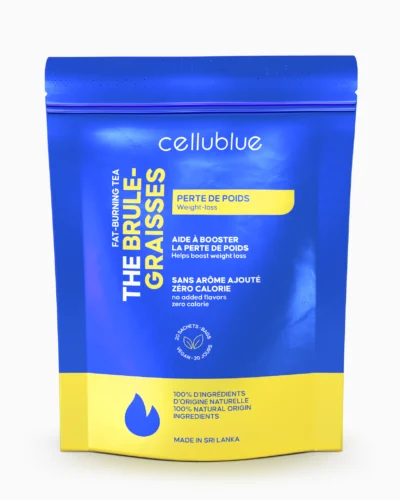
- With meals, the Fat Burning Drainer and one Weight Loss Tablet: green tea and ash round off the formula
- In the afternoon and evening, the Fat Burning Tea, the Fat Burning Capsules and the theine-free Detox Infusion: plants that contribute to digestive functions