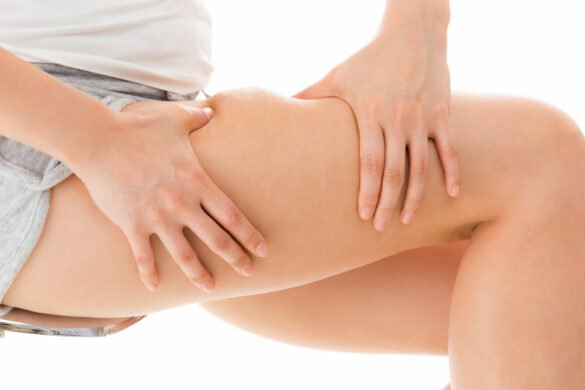
Swollen legs and ankles, tingling and uncomfortable sensations… water retention is a very common phenomenon among women. But did you know it can be linked to the appearance of aqueous cellulite? Discover foods often mentioned in this context that can be part of a varied diet, those best limited, and a few ideas for putting together your breakfast!
Water retention and cellulite
Water retention is an accumulation of fluid in the tissues when blood and lymphatic circulation is less effective at returning fluid to the heart. It causes swelling, especially at the end of the day, and may be accompanied by a soft, painless type of cellulite: aqueous cellulite. It is found mainly on the legs, from the ankles to the thighs. Sudden, painful or persistent swelling should always prompt you to consult a doctor.
The causes of water retention are many: hormonal fluctuations, not drinking enough water, heat, prolonged standing or sitting, and a diet too high in salt. A few simple habits can help limit it, such as moving regularly, drinking enough water and eating varied meals rich in fruit and vegetables.
10 foods to put on the menu
1. Pineapple
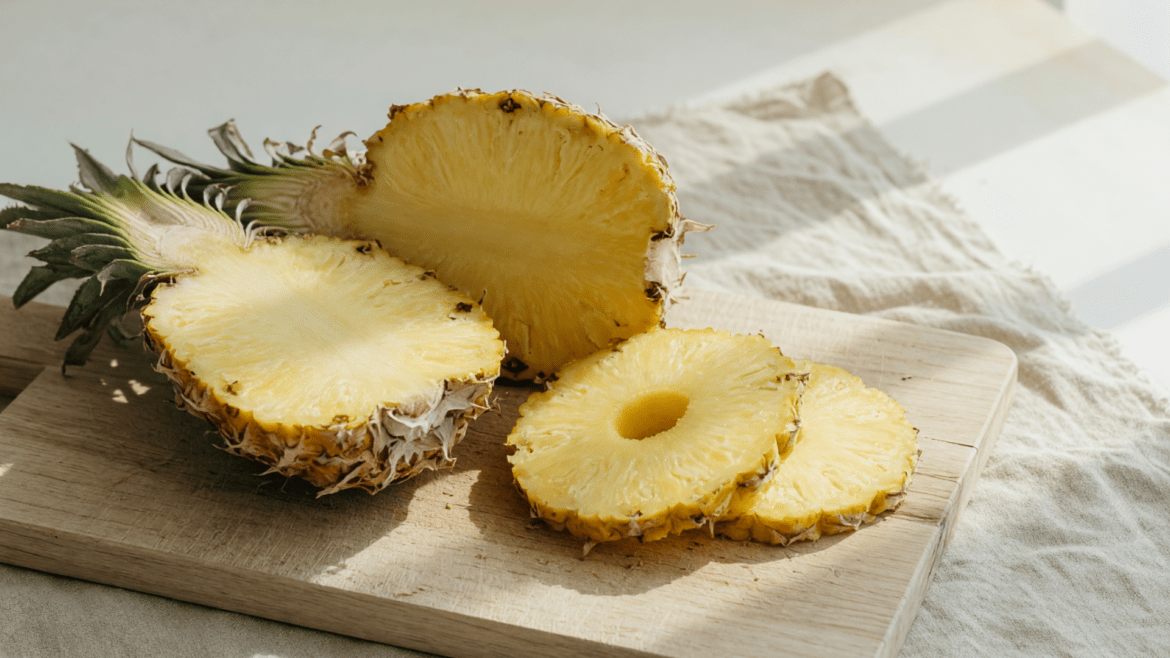
The high fibre content of pineapple makes it an interesting food to include in your meals.
2. Asparagus

Asparagus is a popular spring vegetable, rich in fibre. Steamed, roasted or made into a creamy soup, it adds variety to your meals.
3. Watermelon

Light and refreshing, watermelon is the quintessential summer fruit! It consists mostly of water and also provides potassium.
4. Cherries

Cherries can be enjoyed on their own or in a clafoutis, and cherry stems are traditionally used in infusions.
5. Grapes

This fruit, very rich in water, has interesting qualities.
6. Cucumber

The cucumber is made up almost entirely of water, making it a great addition to your diet!
7. Melon

This water-rich summer fruit can be enjoyed in desserts or as a snack, without overdoing it.
8. White meats

Proteins, found in abundance in white meats, are known for their place in a balanced diet.
9. Artichoke

Artichoke contains inulin, a type of fibre. It can be enjoyed steamed with a vinaigrette, or as artichoke hearts in salads.
10. Broccoli

Broccoli is rich in vitamins. Another advantage is that it is easy to cook.
How to eat it: steam and dress with a vinaigrette.
How can you put together a balanced breakfast?
Breakfast is a good opportunity to include some of the foods mentioned above. Depending on the season, consider fresh fruit such as pineapple, melon, watermelon, cherries or grapes, which can be enjoyable first thing in the morning.
Remember to drink enough water, too. On the other hand, be mindful of biscuits and processed foods, which often contain refined sugars and “hidden” salt. Checking nutrition labels can help you choose.
Which foods should you limit?
Just as there are foods to put on the menu, there are others to limit in your everyday diet.
The first is salt. High in sodium, it encourages water retention when consumed in excess, so it is best to limit your intake. Get into the habit of replacing salt with spices and herbs, and be mindful of “hidden” salt in ready meals, cold cuts, savoury snack biscuits and processed foods more generally.
As well as cutting back on salt, limit refined sugars as part of a balanced diet. The simplest way to do this is to read nutrition labels carefully when you shop!

One last point to watch: alcohol, which should be consumed in moderation. Remember to drink water alongside it, and save it for occasions.
To address the appearance of aqueous cellulite, try pinch-and-roll massages with your Cellublue Cupping Massager, alongside a balanced diet and regular physical activity.
You’ll also find it in the Anti-Cellulite Method Pack for a complete anti-cellulite routine!
Related articles
Useful categories : Water Retention.