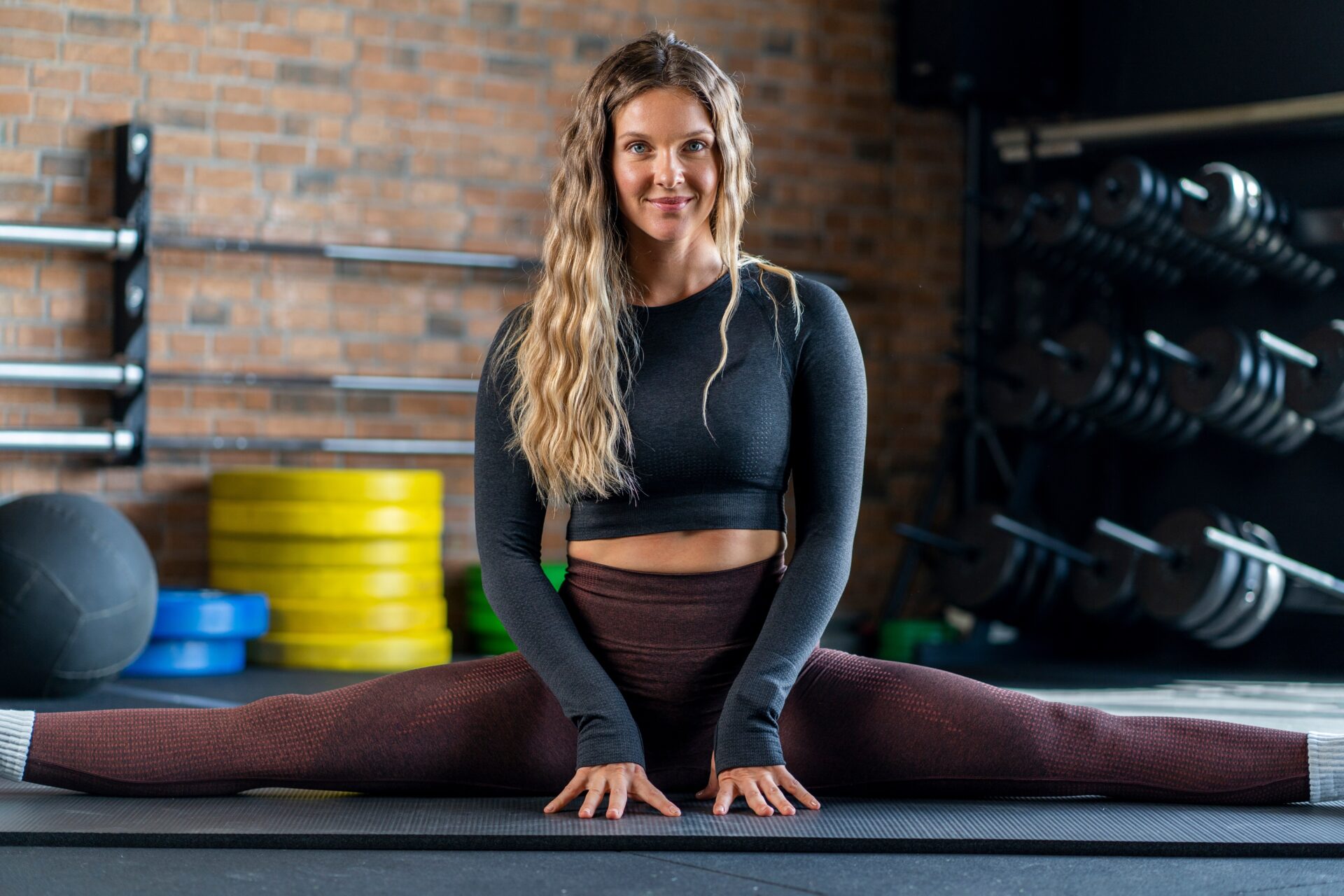
Could the sedentary lifestyles our daily routines impose on us — sitting at a desk, commuting, low-movement hobbies — be causing us to lose flexibility? In any case, many people complain of stiffness, or even pain, that stems directly from a lack of suppleness. To fully understand this physical quality and learn how to improve your flexibility quickly, read on.
Sommaire
What causes a loss of flexibility?
1- A working definition
But first, how do we define flexibility? It is the physical quality that allows us to perform movements with the greatest possible range of motion and ease — without pushing to the point of pain. Movement can be dynamic (involving muscle contraction) or passive (no muscle contraction, but holding the position that results from the movement).
2- Common physiological causes
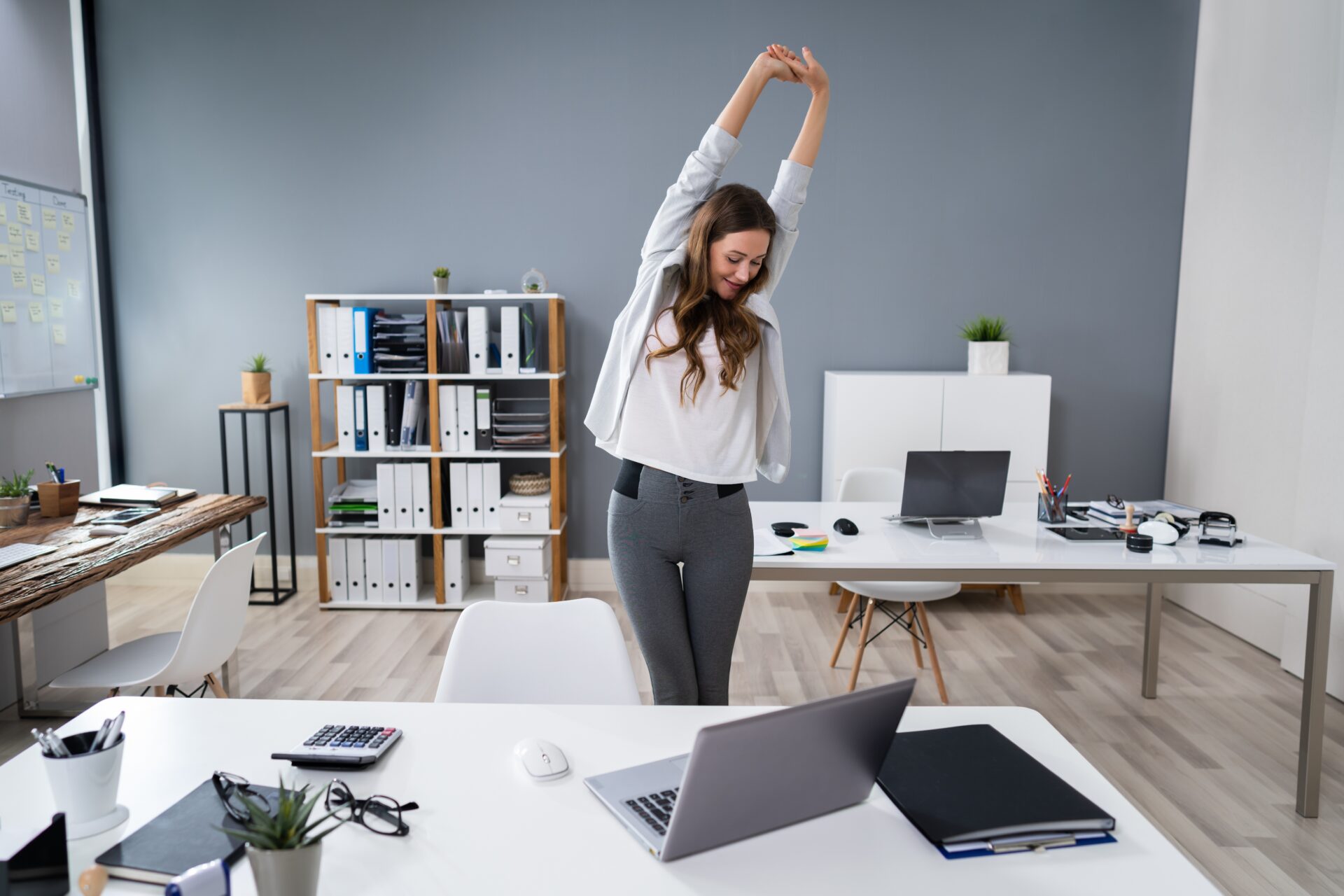
Loss of flexibility is a natural phenomenon that occurs gradually as we age. Several physiological factors explain it.
First, our joints wear down over time: the cartilage (the elastic, resilient connective tissue on the surface of joint bones) that makes them up becomes thinner, leading to reduced flexibility.
Next, cellular degeneration leads to lower production of collagen and elastin. These proteins provide strength and elasticity to many bodily structures: connective tissues, skin, tendons (which connect muscles to bones) and ligaments (connective tissue that stabilises joints by “anchoring” bones to one another). The older we get, the more these structures either soften (skin) or, conversely, calcify and stiffen (tendons and ligaments).
As for age-related muscle atrophy (we lose an average of 40% of our muscle mass between 40 and 80 years of age), this too has an impact on flexibility — though a paradoxical one:
- Skeletal muscle stiffness is actually greater when we are young. This means that range of motion can be greater at an older age.
- However, as muscle density decreases with age, we have less strength available. This makes us less inclined to move, since movement requires considerably more effort and generates more fatigue.
3- Other causes
Other factors also contribute to a loss of flexibility.
The first: a sedentary lifestyle. Without regular movement, we gradually lose some of our fundamental physical qualities: flexibility, strength, endurance, speed and coordination. When it comes to flexibility specifically, regular physical activity — not necessarily intense — keeps muscles, tendons and ligaments working in harmony. Movements are pain-free and performed with sufficient range of motion. Muscular and joint mobility is thus maintained.
The second: repeated injuries and trauma. These leave invisible marks. Yet the body has a memory. Joint and/or muscular damage — especially when repeated and affecting the same areas of the body (for example, repeated impact on a knee) — can impair the ability to become or remain flexible.
The third: illness. Certain neuromuscular conditions, whether genetic in origin or linked to immune dysfunction, can affect mobility and, in turn, flexibility.
The last: poor posture. A sedentary daily routine, often paired with prolonged sitting (eight hours at a desk — sound familiar?), contributes to a loss of flexibility. Physical effort is limited, while muscular and joint tension intensifies.
How to improve your flexibility and stay supple long-term?
1- Sport: the best way to become more flexible
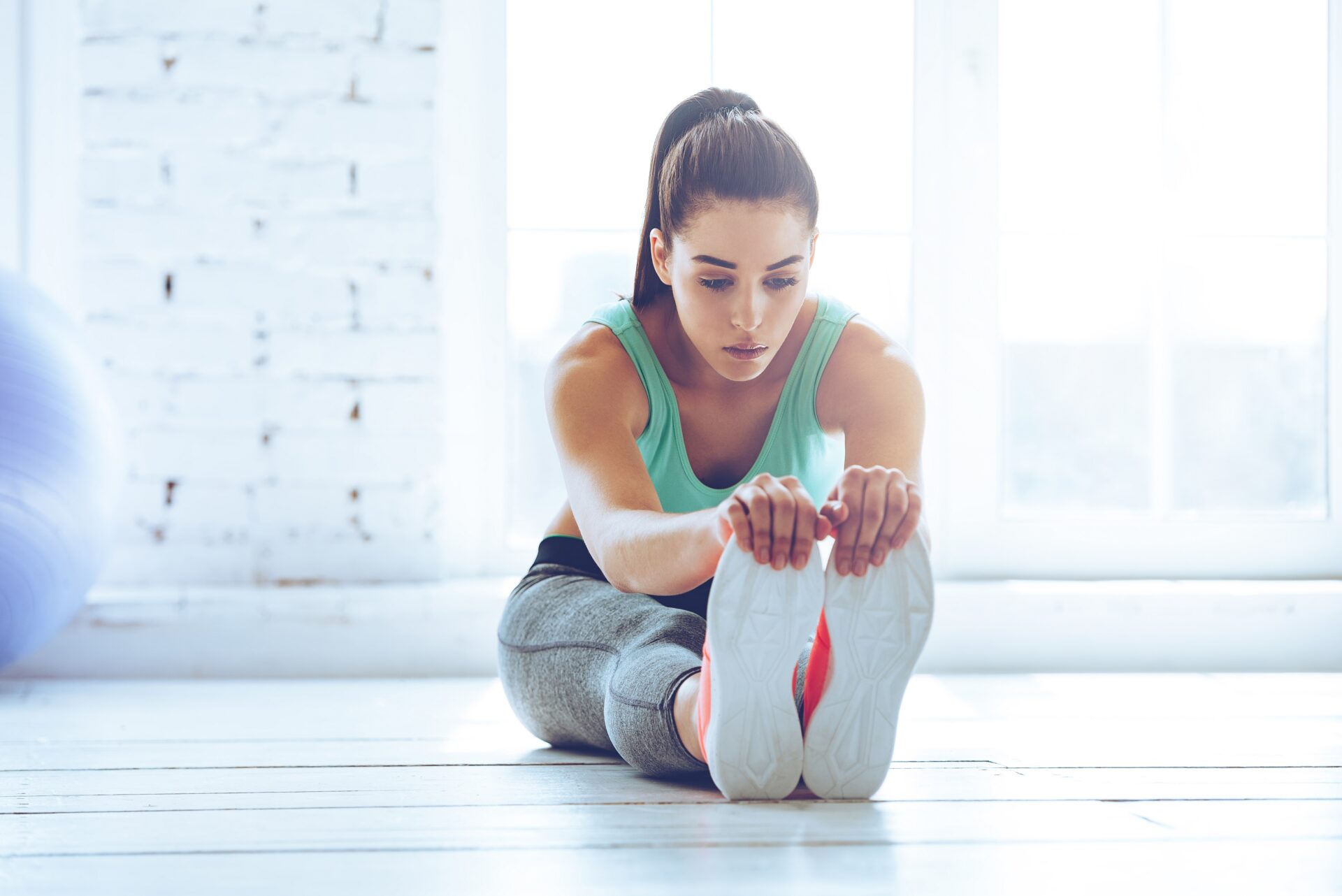
To improve and maintain good flexibility, the key is to move ! Not only does this help maintain muscle mass (and therefore strength), but it also preserves your physical qualities overall. That said, flexibility is better developed through so-called “gentle” activities than through intense sport. High-impact disciplines (athletics, tennis, squash, boxing, weight training…) are more effective for building endurance and strength than for improving flexibility.
For suppleness, we recommend yoga, Pilates, barre, gentle gymnastics or stretching.
2- Which exercises help improve flexibility?
There are countless ways to work on your flexibility! Each stretch targets one or more areas of the body. You can therefore choose exercises based on your specific areas of stiffness and gradually loosen them up.
Joint mobility
A good starting point is to loosen up your joints with small rotations: wrists, ankles, shoulders, neck, torso (rotating left, then right), and hips (rolling them in circles). These simple movements warm up the joints and unlock them, making you better prepared for more demanding exercises.
Preparatory stretches
Alongside these brief joint mobility exercises, you can also warm up your muscles with some stretching. Dynamic stretches place muscles under tension while gently engaging the joints. Here’s how:
- Standing, as you inhale, raise your arms above your head. Lengthen your spine and reach your fingers upward. As you exhale, lower your arms back down along your body. Repeat 10 times.
- Next, build on this movement by adding a few elements. As you inhale and raise your arms, also rise onto the balls of your feet and engage your glutes. As you exhale, lower your arms and hinge your torso forward to 90°. Repeat 10 times.
- Finally, add one more element on the exhale: instead of hinging forward, fold your torso down onto your thighs and reach for your legs (or your feet, if you’re already flexible!). Slowly roll through the spine. Hold the position for a few seconds, then return to standing with arms by your sides. Repeat 5 times.
A flexibility sequence
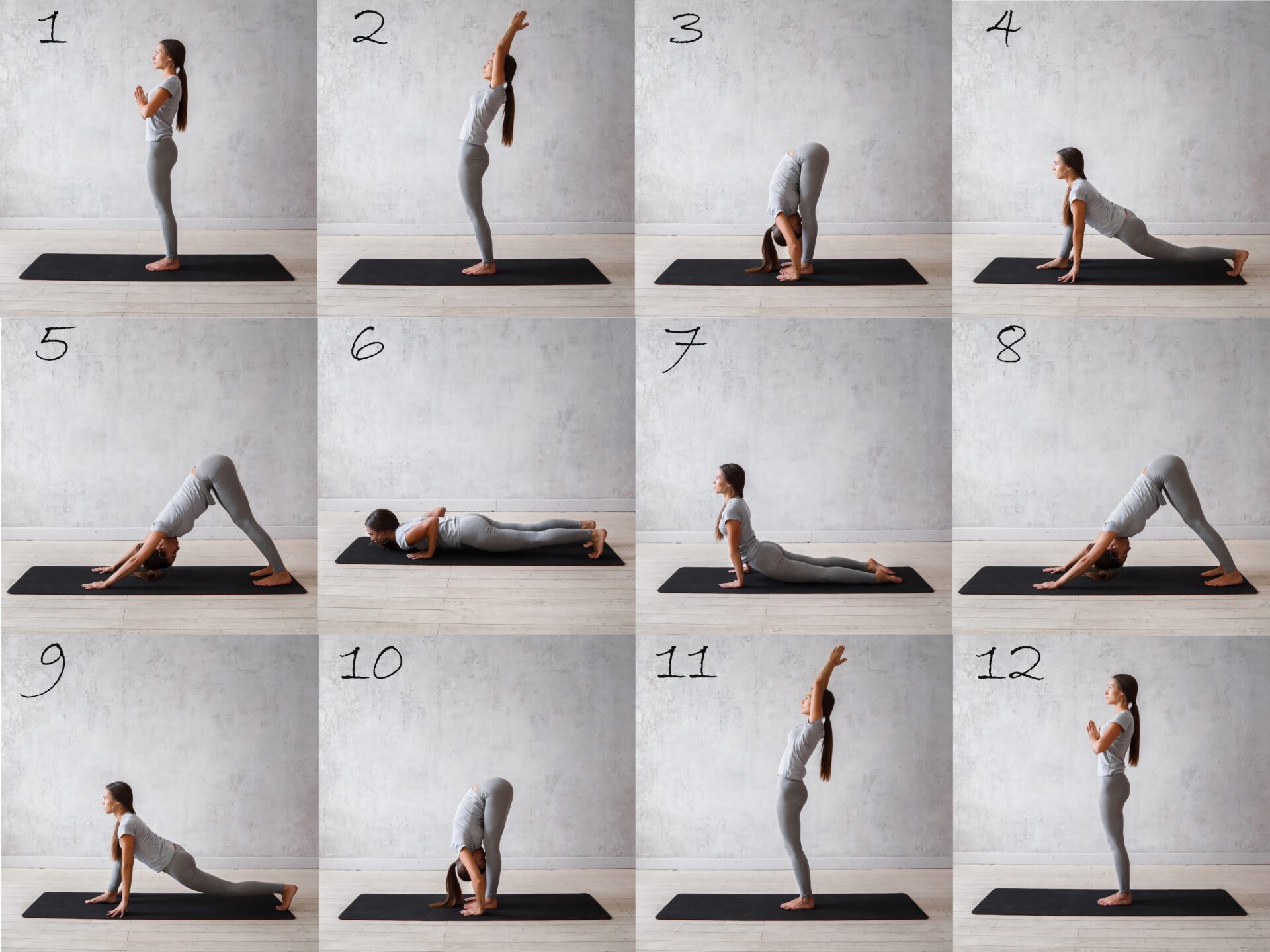
From there, it’s up to you to build your own flexibility routine based on your needs. If you’re a Hatha Yoga enthusiast, the Sun Salutation (Surya Namaskar) is a wonderful way to work on overall flexibility. Made up of 12 steps — each a distinct posture — it gently engages all the joint and muscular areas of the body. If you prefer stretching or gentle gymnastics, plenty of other routines are available: browse videos or tutorials online and put together your own personal sequence. The key is consistent practice — several times a week, over the long term. At first, you may feel particularly stiff, even quite rigid. But with regular practice, your flexibility will steadily improve.
The benefits of improving your flexibility
Gaining and preserving flexibility comes with many advantages. Among them:
- You protect yourself from a range of conditions and delay the onset of issues such as osteoarthritis.
- You improve your muscular strength and help maintain muscle density.
- You enhance your recovery capacity (when flexibility work takes place before and after more intense exercise sessions).
- You significantly reduce your risk of injury.
- You relieve tension, whether muscular or joint-related.
- You are less prone to chronic pain, such as back pain.
- You develop a greater awareness of your body and your breathing. More attuned to yourself, you feel more at ease mentally.
- You reshape your figure by working your muscles through their full length and improving your posture.