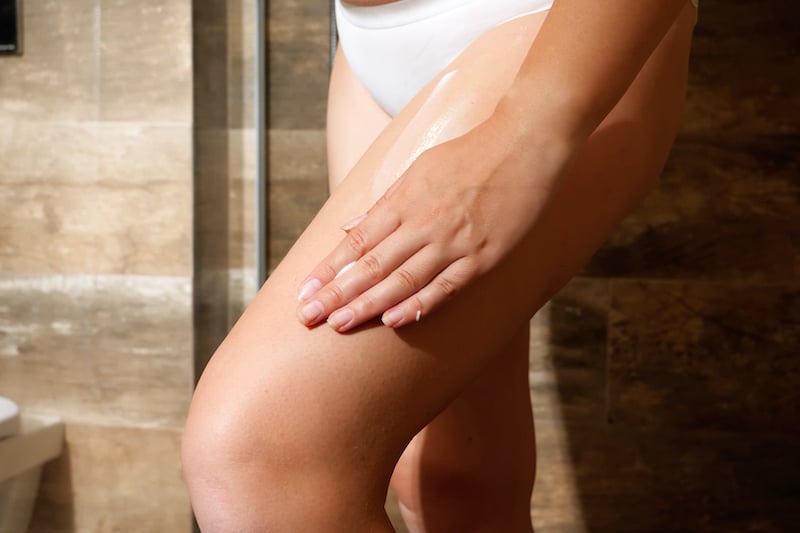
Your biggest insecurity? Your thighs. Not only do you struggle with their size and find them too large, but they’re also covered in the bumps and dimples typical of orange-peel skin. A real source of frustration… You may even wonder whether having “big” thighs plays a role in your cellulite. To understand the connection between the two — and, most importantly, to tackle cellulite even with fuller thighs — here are some explanations and solutions!
Sommaire
Body shape and cellulite: two different things
First, let’s set the record straight: 80 to 90% of women have or will have cellulite at some point in their lives. Superficial lipodystrophy is caused by a combination of factors — hormonal, hereditary, circulatory, and sometimes lifestyle-related. It can affect all women, slim or curvy alike. It results from an abnormal accumulation of fat, water and toxins in the deeper layers of the skin, giving it that characteristic bumpy appearance (commonly known as orange-peel skin). An almost universal phenomenon, yet one that causes enormous self-consciousness among women. Some very slim women will have very pronounced cellulite, while others, despite being curvier, may show barely any. Cellulite is a bit like a lottery: its contributing factors are so random and variable that it’s nearly impossible to predict who will be most affected.
It’s also worth noting that we shouldn’t speak of cellulite in the singular — there are actually different types. The type of cellulite you have can be very telling about your lifestyle. Aqueous cellulite, for instance, is not so much linked to diet or exercise as it is to the quality of a woman’s veno-lymphatic health — which is largely determined by genetics. So you can experience significant water retention and develop aqueous cellulite without being overweight. Yet you may still have fuller-looking thighs, rounder buttocks and thicker legs — not because of excess weight or poor lifestyle habits, but simply due to fluid retention.
Finally, it’s important to understand what we mean by “big” thighs. Are your thighs larger because you carry a little extra weight? Are you very muscular in the thighs due to intense physical activity (horse riding, cycling, weight training), so that the muscle volume gives your thighs a full, rounded appearance? Do you have a naturally sturdy frame and build, making your thighs and legs appear larger? The reason behind your fuller thighs can be a key piece of information. A very athletic person with well-developed quadriceps is actually less likely to show cellulite than a slimmer person with finer thighs whose erratic diet leads to adipose cellulite that is far more visible.
Do you need to slim your thighs to get rid of cellulite?
The answer is nuanced:
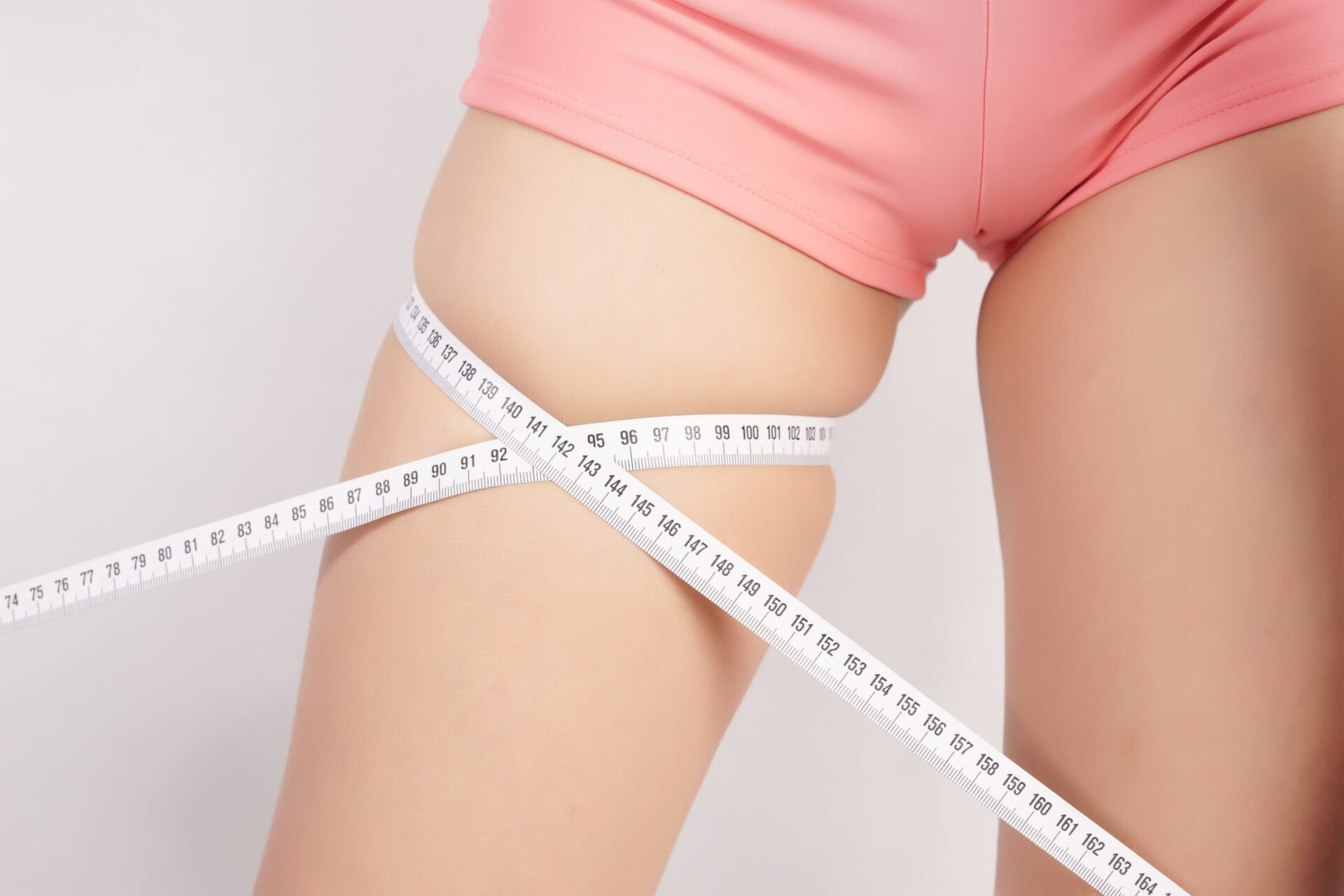
- If you have adipose or fibrous cellulite — meaning it is directly linked to your lifestyle (a rich diet, little or no physical activity) — slimming your thighs will undoubtedly help reduce adipocyte hypertrophy and will therefore have an impact on the dimpled appearance of your cellulite.
- That said, losing centimetres around your thighs won’t necessarily make your cellulite disappear. Cellulite remains complex: it involves cellular changes, connective tissue disruption, veno-lymphatic dysfunction, and an accumulation of toxins and water. Losing inches in the thigh area won’t solve everything, and will certainly not smooth out the skin’s bumpy texture on its own.
What can you do to get rid of cellulite when you have fuller thighs?
To visibly reduce the appearance of cellulite, you need to address its various components and/or contributing factors.
1- Focus on your diet
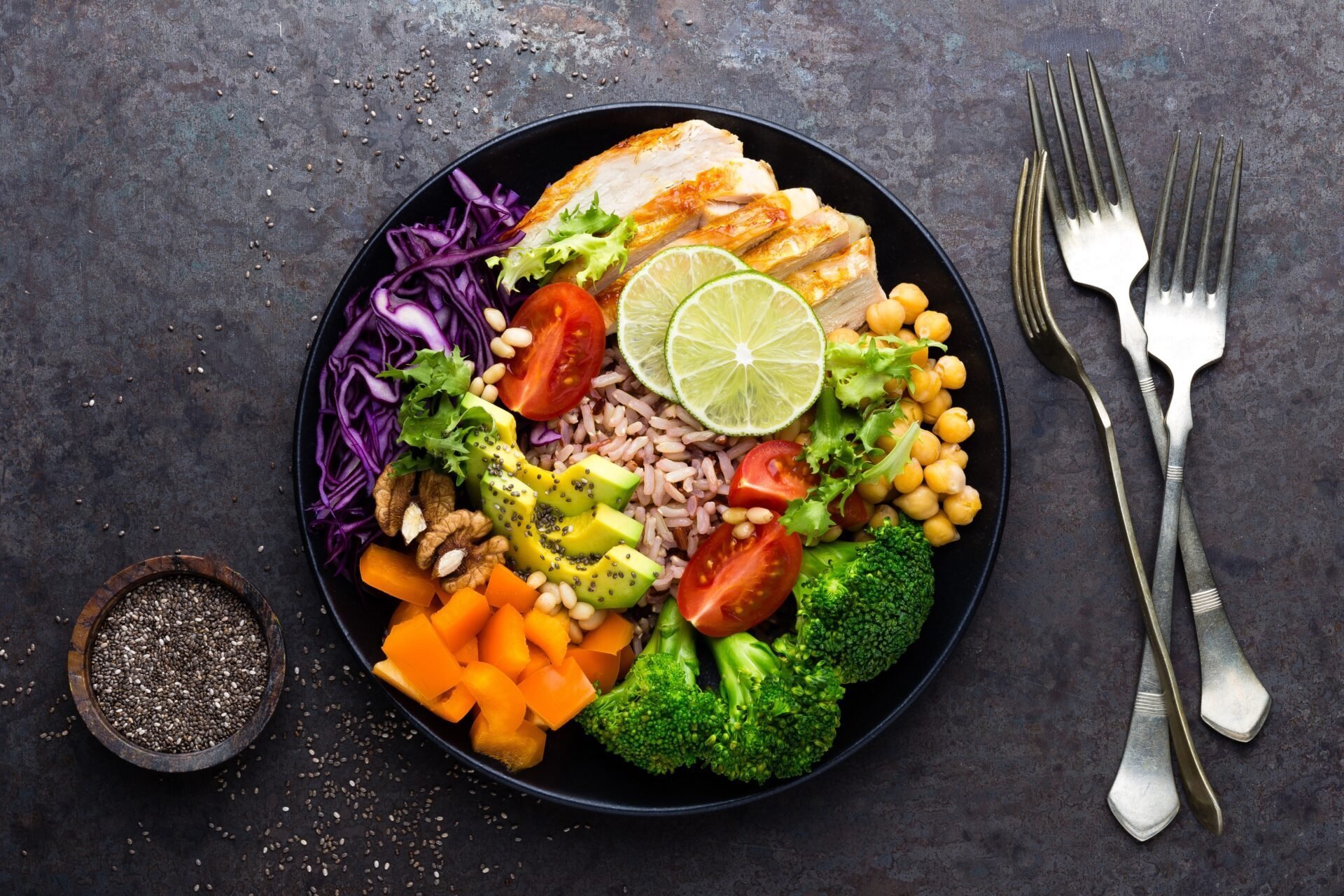
Whether you have fuller thighs or not, fighting cellulite starts with adopting a diet that won’t “feed” it. Your diet should:
- Be low in sugar and saturated fats, which contribute to fat accumulation.
- Be low in salt, which promotes water retention.
- Be rich in lean proteins, to help maintain muscle mass.
- Include plenty of fruit and vegetables, as a source of skin-friendly vitamins and minerals.
- Be rich in water, to help flush out the body and avoid worsening water retention.
The key is to fill your plate with whole or minimally processed foods, varied and home-cooked (so you can control the addition of salt and fats). It’s also important to eat until satisfied — not too much, not too little — and never skip meals. Stay well hydrated, aiming for one and a half to two litres per day — water, herbal teas, tea, homemade juices and smoothies, broths and soups.
2- Get moving with exercise
Whether your goal is to slim fuller thighs, reduce cellulite, or both, regular physical activity is essential. It should be built around three pillars:
- Daily movement — if only to keep your baseline metabolism ticking over and stimulate venous circulation. A daily walk of at least 30 minutes is recommended, along with small habits that quickly add up: taking the stairs instead of the lift, walking or cycling instead of driving, pacing while on phone calls, getting up regularly if you work at a desk…
- Long endurance sessions, 2 to 3 times a week. Some sports are particularly effective against cellulite, especially water-based activities (swimming, aqua aerobics, aqua cycling). You can also opt for other activities such as cycling, elliptical training, rollerblading, skipping, or Zumba… If slimming the thighs is your goal, dance, Pilates or step classes are also great options. If your thighs are fuller due to water retention, avoid high-impact sports (tennis, athletics, boxing, skipping rope), as the repeated jolts can weaken the venous network.
-
Regular strength training sessions to tone and firm the thigh muscles. These won’t necessarily reduce volume, but they will help reshape and sculpt the legs for a more harmonious silhouette. Certain toning exercises, such as the wall sit, and fitness moves (like Donkey Kicks, squats and lunges) are particularly well-suited. Yoga is also worth considering — it works the deep muscles, helps improve flexibility and elongates the silhouette. Poses such as Warrior II, Downward Dog, Half Moon and Eagle are all beneficial for leaner-looking legs.
3- General lifestyle habits
Certain lifestyle factors can also contribute to cellulite formation and/or fat accumulation in the thighs. For example:
- It’s important to cut back on — or ideally eliminate — harmful substances such as tobacco and alcohol. Smoking weakens veno-lymphatic health and therefore worsens venous insufficiency, a key driver of cellulite. As for alcohol, it is extremely calorie-dense and nutritionally empty — it provides nothing but fast-acting sugar, which is stored directly in the fat cells.
- It’s best to avoid clothing that compresses the legs and thighs too tightly, as this can restrict blood flow and worsen the water retention that contributes to aqueous cellulite and/or swollen thighs.
- Sun exposure and heat are not particularly kind to cellulite, as warmth increases the permeability of blood vessel walls.
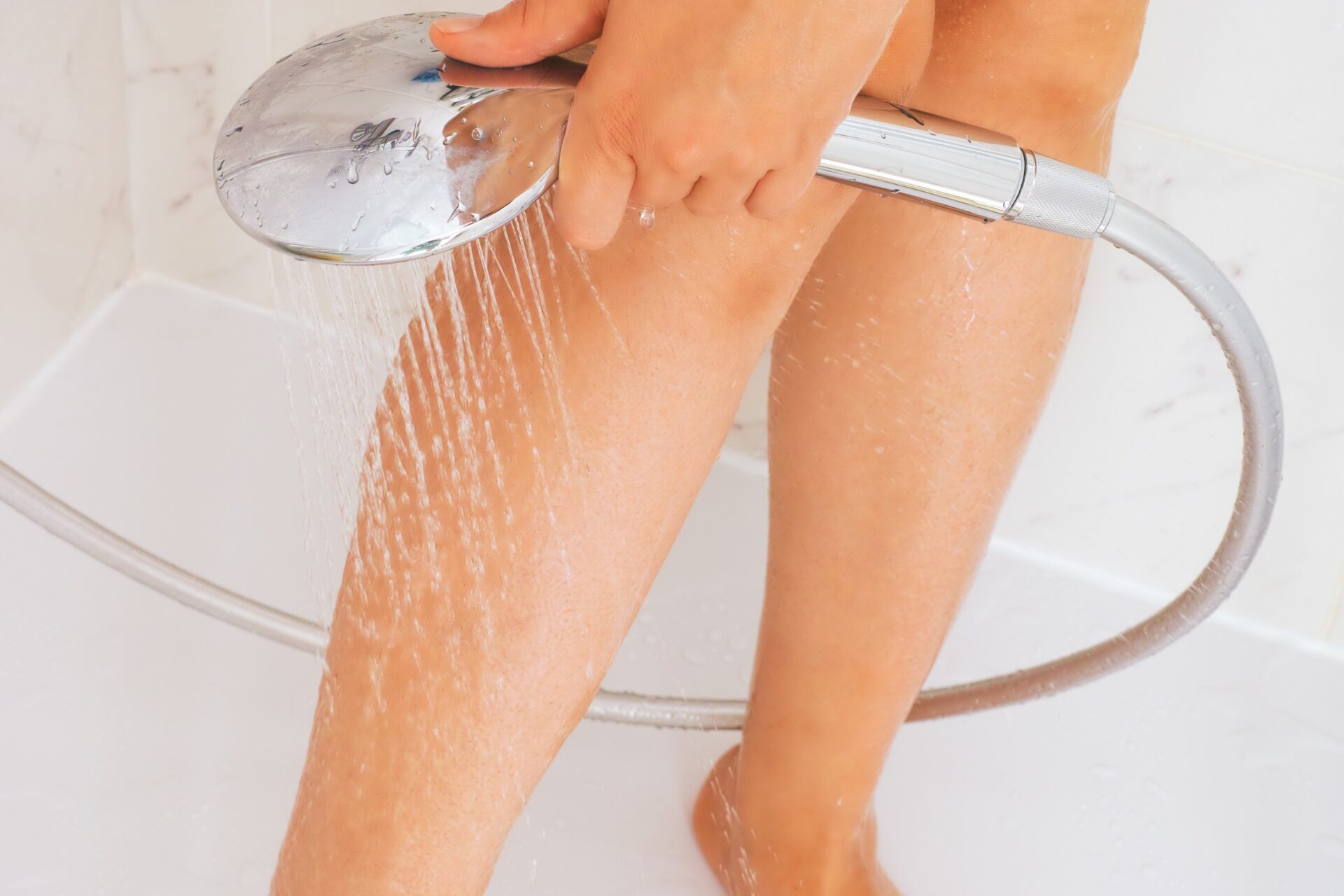
- Cool showers and a cold water jet directed upwards from the ankles are recommended to tone the thighs and stimulate venous return.
- Of course, quality sleep and avoiding stressful situations also play a positive role in inch loss. Poor sleep and stress can worsen weight gain and cellulite by disrupting metabolism and increasing fat storage.
4- Targeted treatments
Finally, to tackle fuller thighs and/or cellulite more effectively, a targeted skincare routine can make a real difference.
- For those looking to take targeted action on “big” thighs, the Slim Thighs Programme brings together everything you need for a focused slimming approach. Treatments to apply morning and evening (Cryo Slimming Gel in the morning, Night Slimming Thigh Cream in the evening), 2 Thigh Slimming Belts (inspired by cryotherapy treatments, to slim with the power of cold), a Slimming Shorts (harnessing smart textile technology through micro-encapsulated slimming actives) and a 21-day coaching programme (targeted workout routines and slimming recipes for legs and thighs).

- For those ready to seriously tackle their cellulite, the Maxi Anti-Cellulite Pack is the ideal solution. A skincare routine — featuring a Cellulite Scrub to use 2–3 times a week and a Cryo Cellulite Cream to apply daily for targeted fat-release action. A massage routine — with our iconic Cupping Massage Tool to smooth away dimples, our Orange-Peel Skin Massager for deep drainage, and the Cellulite Oil for safe, effective anti-cellulite massage. Two targeted coaching guides, including a comprehensive cellulite guide and a 21-day routine (exercises, recipes and expert tips).

Related articles
- How to get rid of cellulite on the back of your thighs?
- Flabby thighs and cellulite: the action plan to tackle them
- How to practise the pinch-and-roll massage on your thighs?
Useful categories : Thigh Cellulite, Targeting Cellulite by Area.