Stretch Marks Dehydrated skin: 5 effective solutions to restore moisture

Dehydrated skin: 5 effective solutions to restore moisture

par
peau-déshydratée

Dry patches, redness, itching, fine lines and even stretch marks… All signs that can point to skin dehydration. But dehydrated skin is not inevitable! Here are 5 highly effective solutions to address it.

Solution for dehydrated skin no1: regularly apply a suitable product

The first solution against dehydration is of course to use an emollient product suited to your skin type. Application should be daily, to compensate for natural water loss – water being eliminated notably through perspiration.

The cosmetic product, whether a cream, balm, serum or lotion, should contain both a humectant active (which draws in and retains water) and an occlusive active (which locks water into the deeper layers of the epidermis).

Its formula should be as balanced as possible: watch out for excess alcohol, sulphates and fragrance, which promote dryness. If you’re looking for the ideal body cosmetic to rehydrate your skin, we’ve created a Moisturising Cream. Specially designed to deliver deep, all-over hydration for all skin types. Well-hydrated skin is better equipped to fight skin sagging and the appearance of stretch marks and cellulite.

Solution no2: avoid repeated contact with water
peau-déshydratée-contact-eau

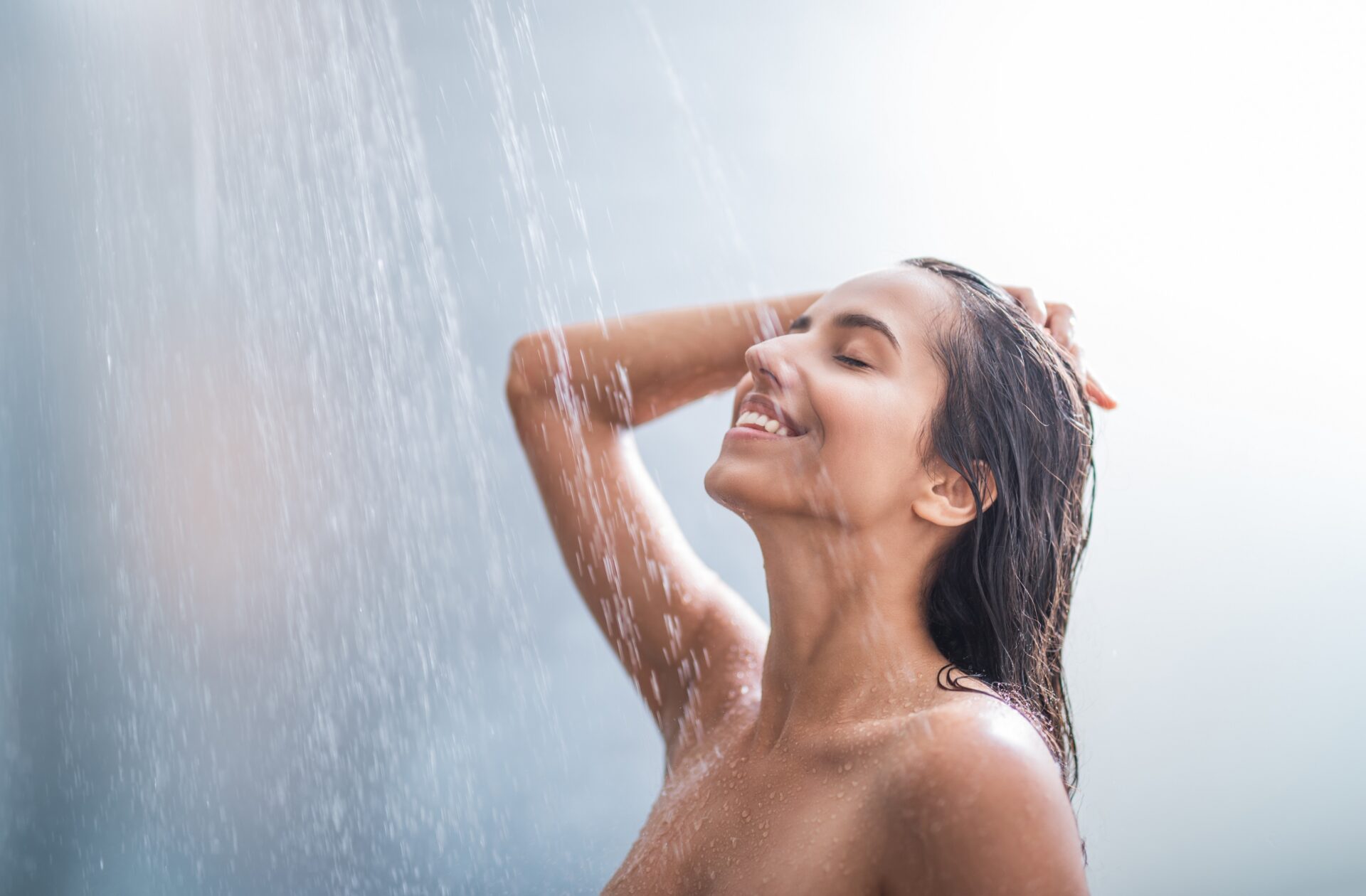
Water can dehydrate! A few important nuances, though: it all depends on frequency, duration and water hardness. For instance:

  • very hot water tends to strip the hydrolipidic film that forms the skin barrier, leaving the epidermis unprotected and more prone to dehydration;
  • very frequent showers and baths, as well as swimming, have the same weakening effect on the hydrolipidic film;
  • very hard water, also known as calcareous water, leaves micro-crystals of limescale on the skin that act like sponges, drawing out moisture;
  • frequent contact with heavily chlorinated water (such as in a swimming pool) can irritate the skin deeply and damage the protective skin film, leading to dryness.

To avoid these harmful effects, it is best to:

  • wash with lukewarm water rather than very hot water;
  • avoid bathing too frequently and opt for quick showers instead;
  • fit a water softener to your shower head;
  • avoid rubbing your skin vigorously when washing (and drying);
  • moisturise every time after a shower, bath or swim.

Solution no3: drink enough water

A truth worth repeating: hydration also comes from within. If you’re not drinking enough, how can you expect anything other than dehydrated skin? Stick to the recommended one and a half to two litres per day. If you find it hard to keep up, why not invest in a reusable water bottle? Drinking from your own bottle makes it easy to track your intake. Hydration should come primarily from water (mineral, spring or tap). But if you want to mix things up, you can always try a detox water (with pieces of fruit), herbal teas or juices. Be mindful of coffee and tea, which are mildly diuretic and can contribute to dehydration in large quantities.

Solution no4: load up on fruit and vegetables

hydratation manger fruits legumes

Alongside staying hydrated through drinks, a water-rich diet is highly recommended. The most hydrating foods are of course fruit and vegetables. As well as being nutritious and low in calories, they give skin everything it needs to glow: plenty of water, antioxidant vitamins A and C to help counter the effects of oxidative stress, and minerals (such as copper, found in leafy greens, which is excellent for skin cohesion). Feel free to enjoy them at every meal, raw or cooked, and even in soups and compotes!

Solution no5: adopt a healthy lifestyle

Yes, lifestyle choices have a direct impact on skin quality, including its hydration levels. For example:

  • Alcohol dehydrates the entire body, as it activates vasopressin, the hormone responsible for urination. That’s why you feel the urge to urinate when you drink. It is technically a drink, but paradoxically, it dehydrates;
  • Smoking, through its vasoconstrictive action (narrowing of blood vessels), impairs blood circulation in the skin. Yet it is the blood that delivers water to skin cells;
  • Stress and chronic fatigue trigger excessive cortisol secretion, a hormone that has a negative impact on skin quality – thinning, loss of suppleness, dehydration.

What causes dehydrated skin?

peau deshydratee

The causes can be both internal and external. Among them:

  • environmental factors such as wind, cold, sun, pollution, water…;
  • lifestyle habits mentioned above – smoking, alcohol, poor nutrition, blue light;
  • hormonal factors – hormonal peaks and drops during pregnancy or menopause, thyroid dysfunction…;
  • emotional causes – stress, anxiety, fatigue…;
  • genetics;
  • certain medical conditions – diabetes, kidney failure, eating disorders…;
  • medications, particularly corticosteroids, diuretics, statins…;
  • unsuitable skincare products.

How do you recognise dehydrated skin?

Dry skin and dehydrated skin are two different things. Dry skin lacks lipids and is a physiological skin type, whereas dehydrated skin lacks water and is a temporary condition. It manifests as discomfort (tightness, tingling, loss of elasticity), possible flaking and dry patches, fine lines and wrinkles caused by dehydration, and a loss of radiance and plumpness.

VOUS AIMEREZ AUSSI...