
You’re expecting a little one: congratulations! But alongside the joy of becoming a mother, you may have concerns about the physical changes your body is going through. Nature, however, holds some wonderful treasures, and natural vegetable oils can find a place in your skincare routine as the months of your pregnancy go by. Stretch marks, skin and hair, heavy legs, perineal massage: here are the oils worth knowing about for each of these concerns. Before adding a new product to your routine during pregnancy, ask your GP or midwife for advice.
Why choose vegetable oils during pregnancy?
Pregnancy is a time of great joy, but it also comes with its share of little challenges. The body undergoes such profound changes that it sometimes shows signs of strain. The physical demands of pregnancy can lead to a number of discomforts:
- Skin prone to stretch marks, sometimes to dryness, and sometimes to hyperpigmentation (such as chloasma or linea nigra)
- Changes in hair texture and quality
- Increased muscle strain, especially in the back and pelvic floor
Faced with these changes, it’s tempting to reach for cosmetic solutions — both as a preventive measure and to treat existing concerns. However, many cosmetics are not suitable for pregnant women, as the ingredients they contain may be harmful to the baby’s development in utero. This is why using natural vegetable oils, cold-pressed and free from ingredients that could harm your baby (such as fragrances, preservatives, texture agents, or mineral oils derived from petrochemicals), is strongly recommended.
Which oil should you choose during pregnancy?
There’s no single “best” oil for pregnancy. The right choice depends on what you need.
- To help prevent stretch marks: jojoba and sesame oils.
- For new stretch marks: avocado, wheat germ and hazelnut oils.
- For skin prone to hyperpigmentation: rosehip oil or lily oil macerate.
- For massaging your legs: calophyllum inophyllum and safflower oils.
- For perineal massage: arnica and St John’s wort oil macerates, and sweet almond and evening primrose oils.
Look for cold-pressed oils without fragrance or preservatives. Always ask your GP or midwife for advice before trying a new one.
Which vegetable oil helps prevent stretch marks?

Stretch marks, skin lesions caused by sudden and intense stretching of the skin, are extremely common during pregnancy. It is estimated that between 50 and 70% of women will develop them during their first pregnancy. That said, they are not inevitable — especially when preventive care is put in place. Consistent skincare on the most vulnerable areas, such as the belly, bust, hips, thighs and buttocks, is a good habit to adopt during pregnancy.
Applying a natural vegetable oil once or twice daily can be part of your skincare routine. Recommended oils include:
- Jojoba oil has a composition close to the skin’s natural sebum (mainly gadoleic acid). It absorbs easily and deeply nourishes the skin without leaving a greasy finish. It is particularly recommended for dry and/or dehydrated skin.
- Sesame vegetable oil is nourishing and emollient, and it is especially well suited to massaging areas prone to stretch marks. Its composition includes four fatty acids, minerals such as selenium, and lecithin, which makes it a real ally for beautiful skin.
- Our Stretch Mark Prevention Oil blends 6 natural vegetable oils: sesame, avocado, jojoba, soya, sweet almond and sunflower. This concentrate of fatty acids is particularly suited to the delicate skin of pregnant women.
The massage oil that helps prevent stretch marks from appearing*, during pregnancy and beyond
*User test on 21 volunteers over 3 weeks, based on participants' feedback.
- Why does it work?
Which vegetable oil for new stretch marks?

If stretch marks appear despite your regular use of natural vegetable oil, all is not lost! The sooner you care for them, ideally while they are still in the early stage and appear red or purple, the better. Massaging with an oil is a gentle way to care for the skin of new stretch marks.
- Avocado oil has a very rich texture and is particularly popular for new stretch marks. It contains sterols.
- Wheat germ oil is both emollient and protective. Because its texture is rich, it works well blended with a lighter, drier oil. It is also well suited to sensitive skin.
- Hazelnut oil is another good choice for caring for existing stretch marks. Its fine texture absorbs quickly, and you can blend it with the two oils above to make your own homemade stretch mark care.
Which vegetable oil is best for skin and hair beauty?
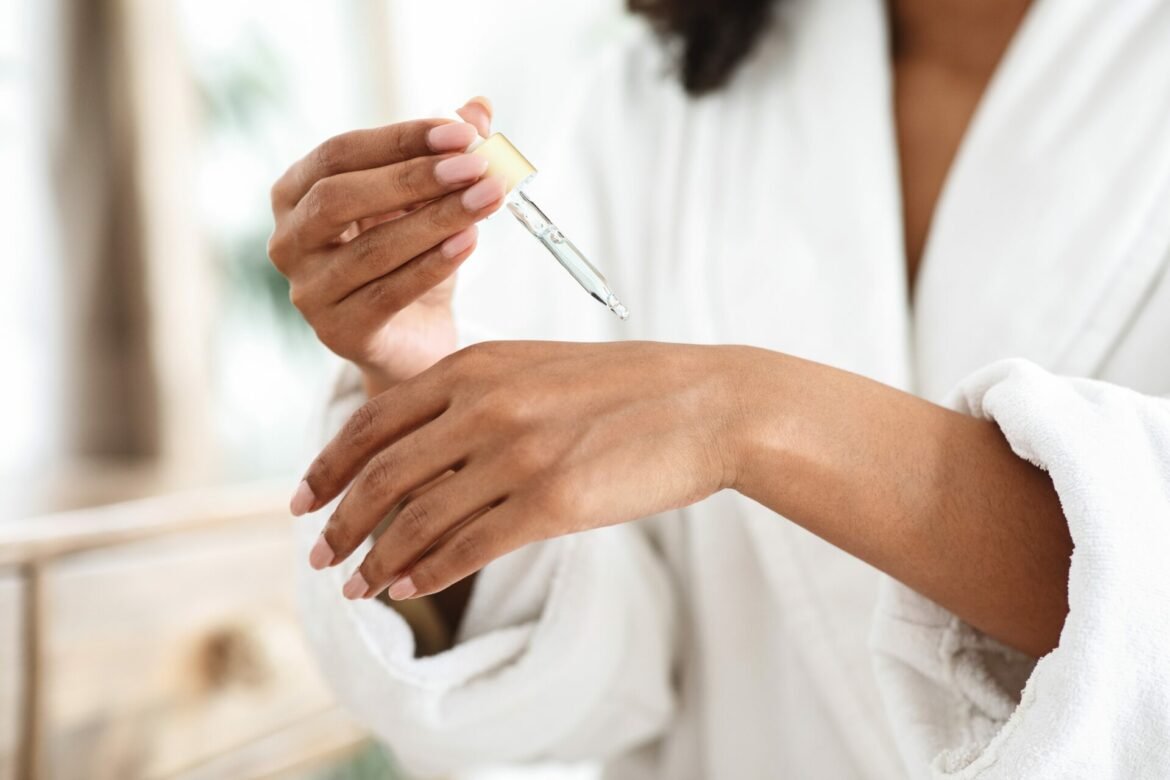
Pregnancy often comes with minor inconveniences you could do without. Fortunately, certain vegetable oils can come to the rescue!
- For hyperpigmentation: the hormonal upheaval of pregnancy can change the pigmentation of your skin. Examples include chloasma (the pregnancy mask) and linea nigra (the dark line that appears on the bump). In these cases, you can add rosehip vegetable oil or lily oil macerate to a routine designed for skin prone to uneven pigmentation. Ask your GP for advice.
- For pregnancy acne: hormonal fluctuations can sometimes change the skin on your face, making it oilier or even causing breakouts. Jojoba and hazelnut oils, already mentioned for stretch marks, are popular in facial care. If acne is bothering you, talk to your GP.
- For hair care: hair generally doesn’t suffer during pregnancy. Quite the opposite! Hair loss or dullness tends to come later, in the postpartum period. That’s still no reason not to look after your hair from the start of your pregnancy. Piqui and yangu oils suit curly hair, and passion fruit oil coats fine hair. Fenugreek oil is popular in hair care. Finally, Brazil nut oil or shea olein care for all hair types.
Which oil is best for massaging heavy legs?

Another common companion of pregnancy: the sensation of heavy legs. Once again, hormones are often partly to blame. Tingling and feelings of heaviness are not uncommon during pregnancy: if this is the case for you, talk to your GP. In the meantime, some oils lend themselves well to leg massage:
- Calophyllum inophyllum vegetable oil is a must-have for anyone experiencing a feeling of heavy legs. It is a highly regarded ingredient for leg massage.
- Safflower oil, rich in vitamin K, is also popular for leg massage. Light and fine in texture, it absorbs easily into the skin for a comfortable, effortless application.
Which vegetable oil is best for perineal massage?
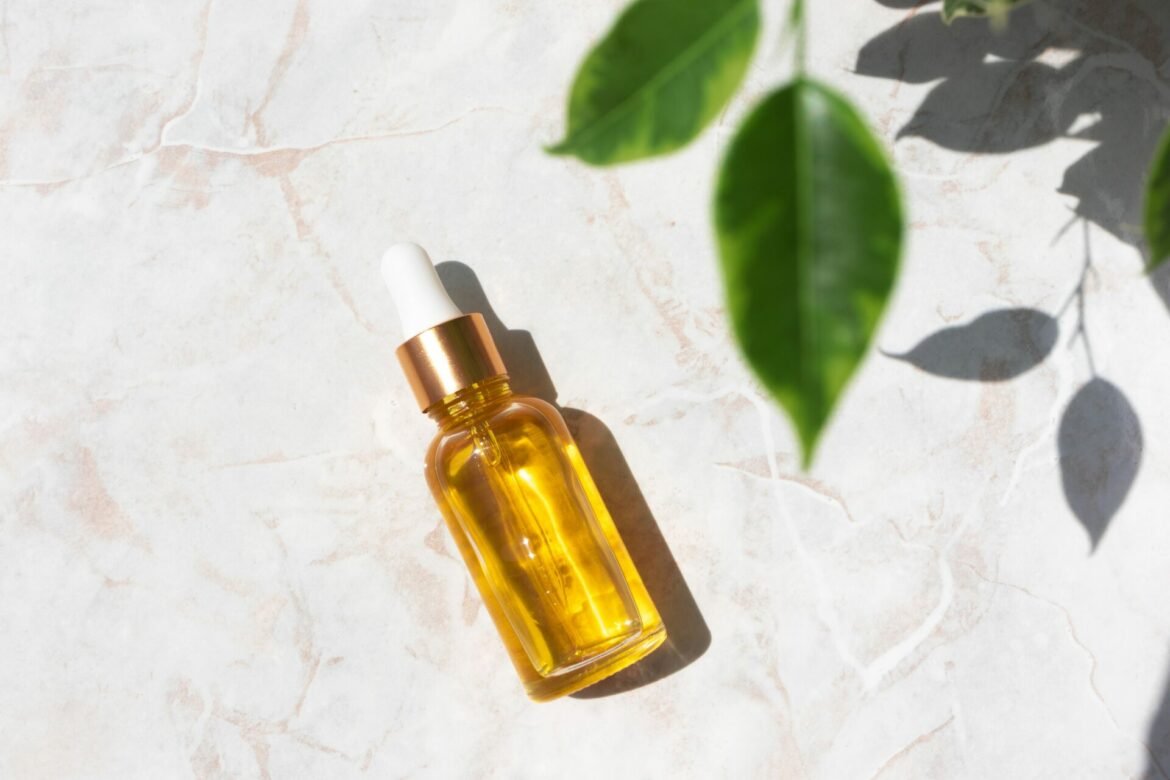
Why massage the perineum during pregnancy? Because it will be put under considerable strain during childbirth! Certain oils are particularly well suited to nourishing and softening the skin of the perineal area. With regular massage, you can look after this area before the birth. Ask your midwife or GP for advice on how to do it.
- Arnica oil macerate: made from a beautiful yellow flower, it can be included in a massage of the perineal area, after advice from a healthcare professional. Apply regularly from the third trimester onwards.
- St John’s wort oil macerate is another option, again after advice from a healthcare professional. It is often used by athletes for their massages. And pregnancy, after all, is quite the physical feat!
- Sweet almond vegetable oil is a true all-rounder. It can be used for almost anything, and is recommended for stretch mark care as well as perineal massage. It is also suitable for cradle cap once your baby has arrived!
- Evening primrose oil can also be used as a massage oil for this area, subject to the advice of your GP or midwife.
Cellublue products during pregnancy
At Cellublue, our Stretch Mark Prevention Oil brings together 6 natural vegetable oils: sesame, avocado, jojoba, soya, sweet almond and sunflower. Several of them are covered earlier in this article.
You’ll find our full range on our stretch mark care page. After the birth, find out which Cellublue products to use after pregnancy. Either way, ask your GP or midwife for advice before adding a new product to your routine.
Related articles
Useful categories: Pregnancy Stretch Marks, Stretch Marks.