If you have stretch marks, or are worried about them appearing, there are natural ways to care for your skin. Plant oils are a popular option for caring for areas marked by stretch marks. To understand why, and to help you choose, here is a list of 10 plant oils worth discovering.
Why are plant oils beneficial for the skin?
First, it’s worth knowing that the skin naturally produces a fatty substance through its sebaceous glands: sebum. It acts as a natural barrier, protecting the skin from dryness (by limiting water loss) and external aggressors. Sebum and sweat together form what is commonly known as the hydrolipidic film.
However, in certain situations, sebum production can decrease:
- ageing, which is the primary cause of skin dryness
- hormonal fluctuations (cortisol, oestrogens and progesterone, thyroid hormones) also influence the functioning of the sebaceous glands
- certain illnesses or medications can disrupt sebum production
- pregnancy, a major physical upheaval, can also bring changes in skin quality — including the appearance of stretch marks and dry skin
Applying a plant oil daily helps to make up for the weakening of the skin’s hydrolipidic film. Depending on its nutritional properties, the oil can also soften, nourish and care for the skin.
In the specific case of stretch marks, plant oils are particularly useful, as they fit naturally into a skincare routine. They can be applied:
- to stretch mark-prone areas, to keep the skin feeling supple
- to existing stretch marks, whether recent or old, to nourish and soften the skin
Here is a selection of 10 natural plant oils that are popular in stretch mark care.
Oil 1: jojoba plant oil
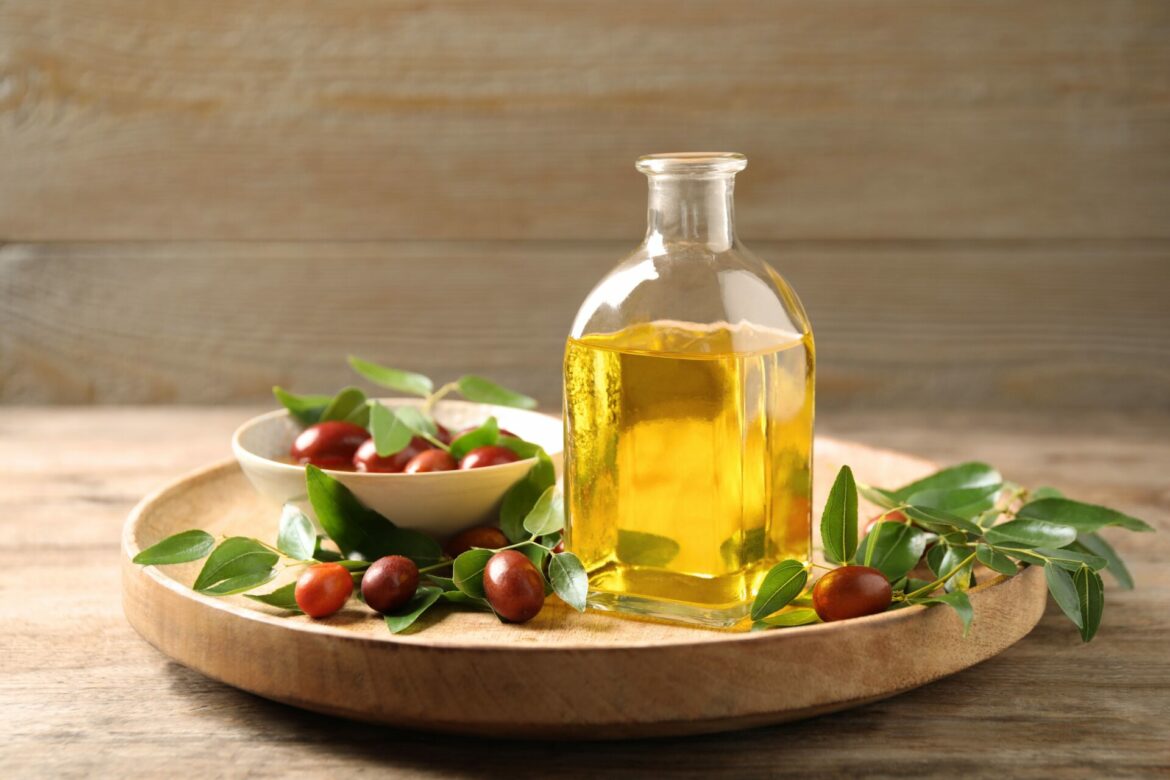
Jojoba plant oil is excellent for the skin and can be applied to both the body and the face. It has a unique composition, with over 70% gadoleic acid, an unsaturated omega-9 fatty acid. Very similar to sebum, it absorbs easily into the skin and nourishes it without leaving a greasy finish. This makes jojoba oil a great choice for skin prone to stretch marks. It is particularly suited to women whose skin is naturally dry and/or dehydrated and feels tight.
Oil 2: sweet almond plant oil
Sweet almond plant oil is undoubtedly the best known. It is a true all-rounder: it nourishes, softens and protects the skin, thanks to its complex blend of fatty acids. It can be used both on stretch mark-prone areas and on existing stretch marks, whether they are coloured (red or purple) or mature (white). In short: a bathroom essential.
Oil 3: rosehip plant oil
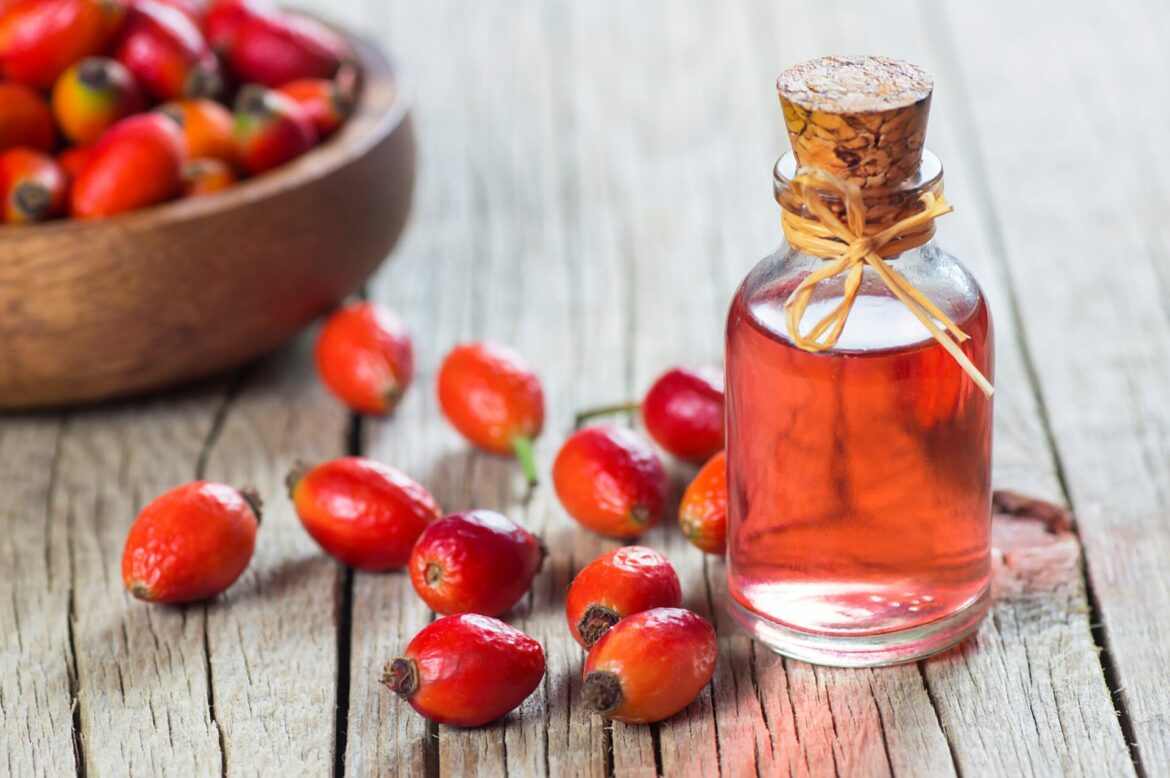
Rosehip plant oil is made from the seeds of the musk rose, native to South America. Rich in vitamins E and K, carotenoids, and omega-3 and 6, this oil is particularly renowned for caring for damaged skin (sun damage, signs of ageing, scars and stretch marks, dark spots). Slightly viscous, it can be blended with other plant oils and/or essential oils. It can be used both preventively and on established stretch marks, whether they are linked to growth spurts, pregnancy or weight fluctuations.
Oil 4: marula plant oil
This is a so-called rare plant oil, derived from the marula tree, which grows in Africa. The oil is extracted from the kernels inside the seeds, and is characterised by a high content of fatty acids and phytosterols. This readily absorbed oil nourishes and softens the skin. It therefore has its place in caring for stretch marks, both old and recent, and can be used on its own or blended with other oils as part of an anti-stretch mark treatment.
Oil 5: macadamia plant oil
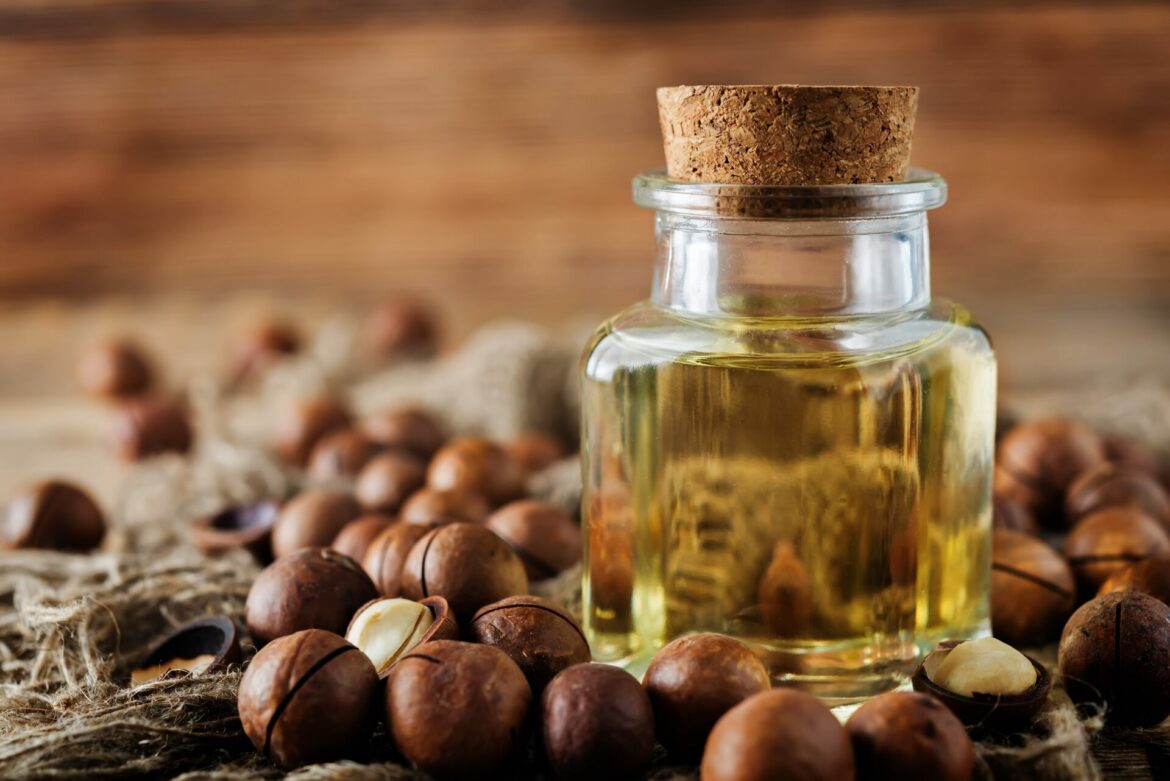
Macadamia nuts are better known for their delicious flavour than for their skincare properties, and yet… 5 different fatty acids (including oleic and palmitoleic acids), good absorption, and nourishing, softening and soothing qualities. It’s fair to say that macadamia plant oil is a lovely companion for anyone worried about stretch marks. Its added bonuses: a dry-touch finish that makes it easy to apply every day, and a pleasant glide that makes it a nice massage oil, including when your legs feel heavy.
Oil 6: borage plant oil
Borage plant oil is obtained by pressing the seeds of the borage plant, a beautiful blue flower. The oil extracted from its seeds contains, among other things, a fatty acid that is relatively rare in nature (also found in evening primrose and castor): gamma-linolenic acid. It is known for nourishing the skin and helping it retain moisture. Borage oil is valued for softening the skin and keeping it comfortable, both as part of a skincare routine and when caring for established stretch marks.
Oil 7: wheat germ plant oil
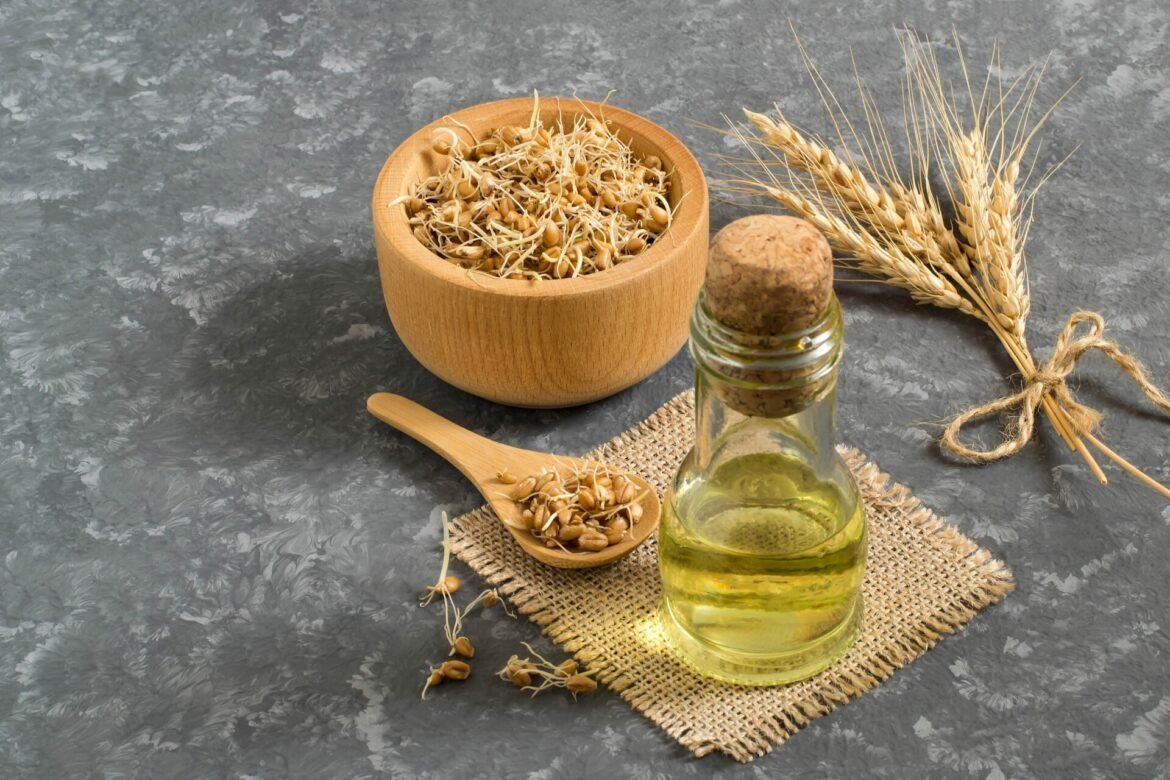
Wheat germ plant oil is characterised by a rich, dense texture, a gentle cereal scent and a high linoleic acid content. Linoleic acid is an essential fatty acid that the body cannot produce on its own, making this oil a precious elixir, especially for very dry and dehydrated skin. Emollient and protective, it is well suited to stretch mark-prone skin as well as existing stretch marks, particularly on naturally sensitive skin. For better absorption, wheat germ oil works best when blended with a dry-touch oil, such as hazelnut oil, grapeseed oil or perilla oil.
Oil 8: tamanu plant oil
Don’t be put off by its dark colour: it comes from natural resin residues. Tamanu plant oil contains distinctive compounds, including calaustralin, inophyllolide and complex polyphenols, which make it a prized, nourishing oil. Tamanu oil is therefore a popular choice in stretch mark care. It also solidifies below 25°C, making it a great ingredient for homemade stretch mark balms, and it pairs beautifully with plant butters such as shea.
Oil 9: avocado plant oil
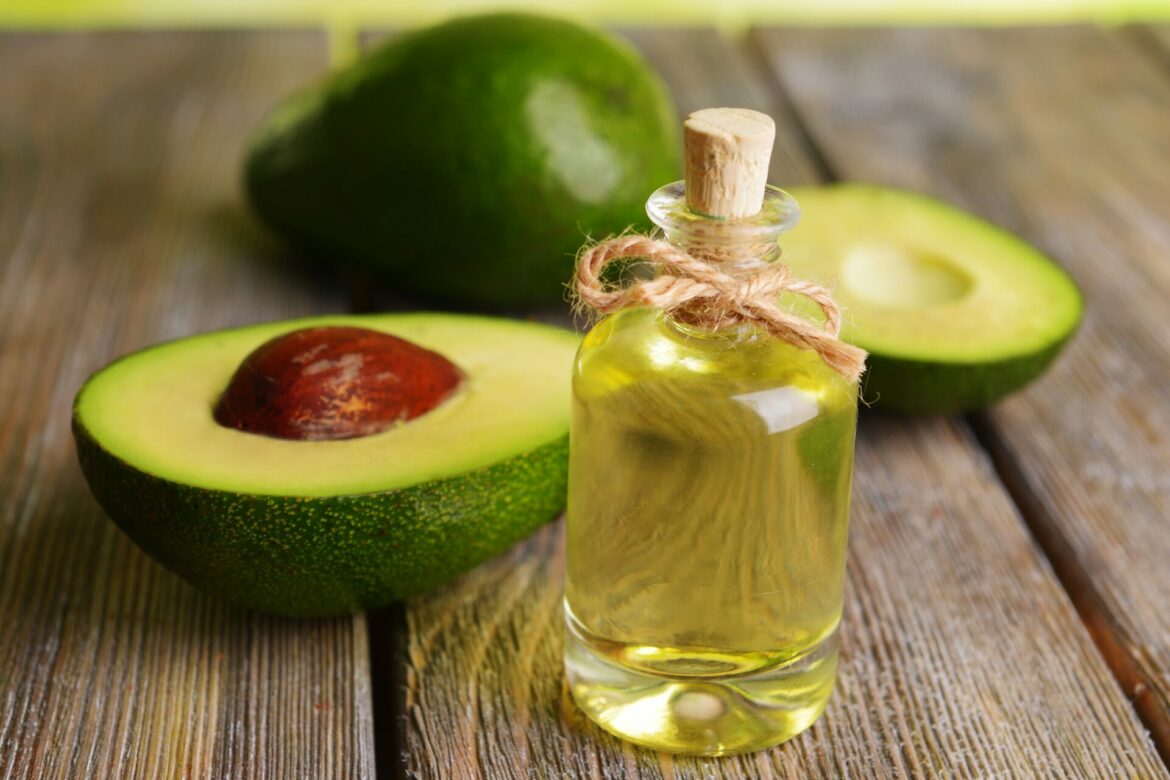
Like coconut oil, avocado oil is obtained by pressing the fruit’s flesh. It has a rich texture and a gentle, fruity scent. Its composition also sets it apart: it contains palmitoleic acid and sterols. Avocado plant oil is valued for its rich texture when caring for stretch mark-prone skin, particularly when the marks are fresh and coloured. It can also be used preventively, either on its own (if you don’t mind its rich, thick texture) or blended with faster-absorbing oils (such as jojoba or macadamia).
Oil 10: sesame plant oil
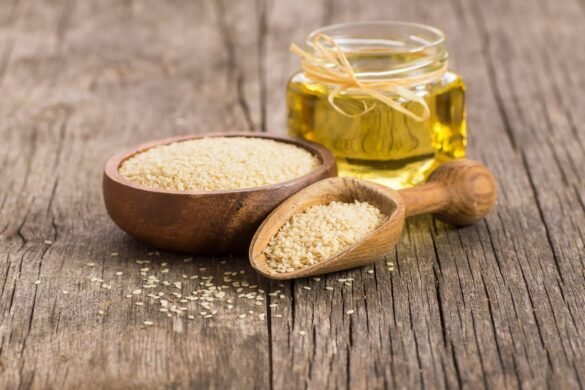
Sesame oil, with its distinctive gentle scent, is a wonderfully pleasant oil to use. Its dry touch, fast absorption and fluid texture make it a truly enjoyable beauty elixir. Its composition — 4 fatty acids, minerals including the precious selenium, and lecithin — makes it respectful of the hydrolipidic film, softening and comforting for the skin. It is perfectly suited to daily massage of stretch mark-prone areas: bust, stomach, thighs or buttocks.
As a bonus: our stretch mark oil
If you’d rather use a blend of plant oils in your stretch mark routine, our Stretch Mark Prevention Oil could be a good fit. A blend of 6 natural plant oils, it slots easily into a routine for caring for stretch mark-prone areas. It can be used on all types of stretch marks, as well as preventively. Its formula is vegan and natural. If you are pregnant or breastfeeding, ask a healthcare professional for advice first. So if you’re concerned about the condition of your skin, our oil may be an option worth considering.
The massage oil that helps prevent stretch marks from appearing*, during pregnancy and beyond
*User test on 21 volunteers over 3 weeks, based on participants' feedback.
- Why does it work?
Frequently asked questions
Which oil is good for stretch marks?
Several plant oils are suitable. On stretch mark-prone areas, jojoba absorbs easily without a greasy finish, while macadamia and sesame, with their dry-touch feel, are easy to use every day. On existing stretch marks, rosehip, marula and tamanu are popular choices. Sweet almond, a true all-rounder, works for both.
What is the best oil for stretch marks?
There is no single oil that suits everyone. The right choice depends on your skin type and the texture you prefer. If you like a light finish, go for a fast-absorbing, dry-touch oil that is easy to use every day. If your skin is very dry, a richer, denser oil will feel more comforting, and you can blend it with a dry-touch oil for easier absorption.
Can you use avocado oil on stretch marks?
Yes, it is part of this selection: it is oil No. 9. If you find its texture too thick, you can blend it with another oil. The section on avocado oil explains which oils to pair it with.
Can you use these oils during pregnancy?
Pregnancy is a time when skin can become dry and stretch marks may appear. Before using a plant oil, and even more so an essential oil, ask your GP or midwife for advice.
Related articles
Useful categories: Stretch Mark Care, Stretch Marks.