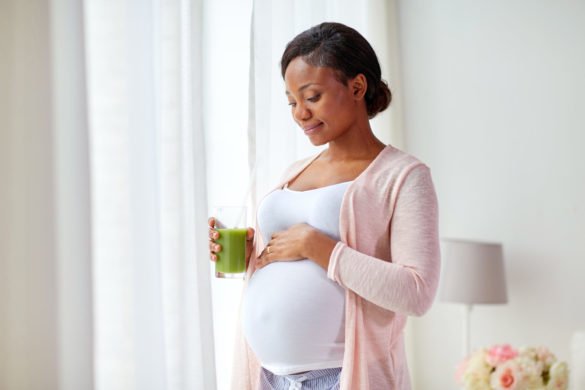

You love hot drinks. It’s simple: you can’t live without them! But now that you’re pregnant, you’re not sure which plants to choose for your infusions. Here are some tips and suggestions to help you pick the right herbal tea during pregnancy.
Can you drink herbal tea during pregnancy?
It’s a perfectly reasonable question, since we know that plants are far from harmless. They contain active chemical compounds that can have an impact on the body. That is precisely why you find them in herbal medicine, in food supplements, in homeopathy… and in herbal teas. During pregnancy, it is essential to pay close attention to the plant infusions you drink, as they can have a direct effect on the foetus.
That said, it is entirely possible to drink some herbal teas while pregnant, with your doctor’s or midwife’s approval. Here’s why they have their place in your daily routine:
- pregnancy calls for good hydration, of at least 2 litres per day;
- drinking enough fluids, including herbal infusions, is a pleasant way to keep sipping throughout the day; as for the common discomforts of pregnancy, such as water retention, talk to your midwife or doctor;
- herbal tea is a great alternative to tea and coffee, which are not forbidden but should be consumed in moderation.
Which plants should be avoided during pregnancy?
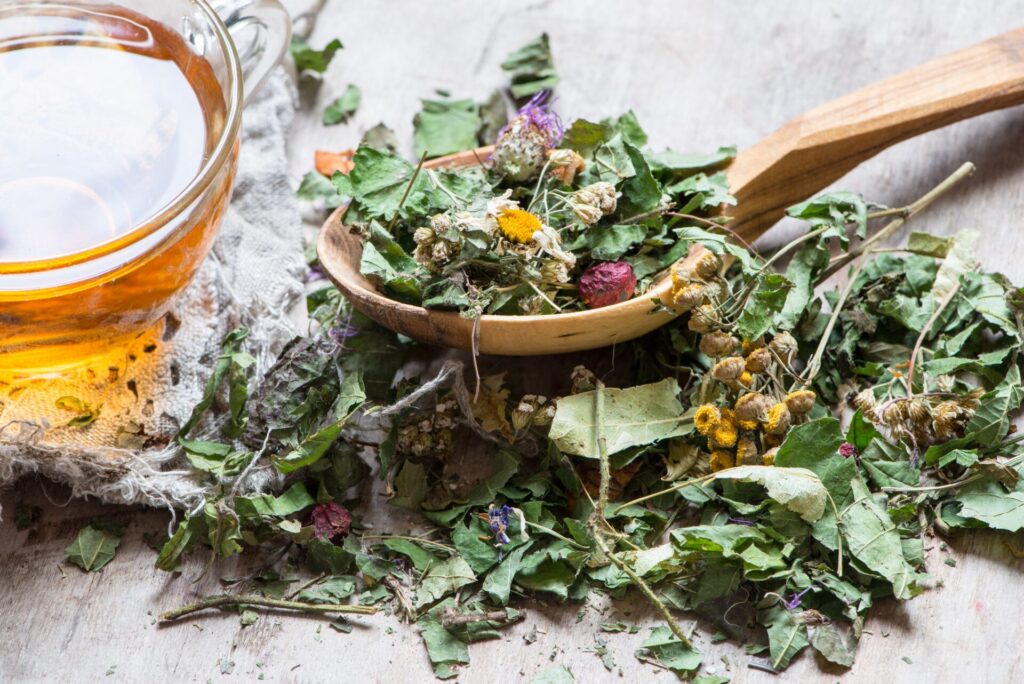
As mentioned above, certain plants are not recommended during pregnancy. They can affect the health of the expectant mother, the course of the pregnancy, and the baby’s wellbeing. Among the plants to avoid:
- peppermint, common laurel, spike lavender, mugwort, vervain and yarrow, known as abortifacients, which may trigger uterine contractions and, potentially, premature labour;
- common sage, liquorice, ginseng, hops and fennel, which are phytoestrogen plants;
- feverfew, clary sage, parsley, angelica and saffron, which are traditionally known to stimulate menstruation;
- red vine, ginkgo biloba, horse chestnut and witch hazel, often suggested for heavy legs, are not recommended during pregnancy (as per the European Medicines Agency);
- so-called “detox” or draining plants: meadowsweet, dandelion, black radish or artichoke;
- valerian and St John’s wort, which may affect the baby’s nervous system.
This list is not exhaustive. Before consuming any herbal tea, it is best to seek advice from your doctor.
Sage tea and labour: what you need to know
You may sometimes hear sage tea mentioned as your due date approaches. Yet it appears twice in the list of plants to avoid: common sage is a phytoestrogen plant, and clary sage is traditionally known to stimulate menstruation.
So it’s best not to drink sage tea during pregnancy, including in the run-up to your due date, without first talking to your midwife, obstetrician-gynaecologist or doctor. If you’re looking for a herbal tea for late pregnancy, raspberry leaf is covered below. Here too, a professional’s advice remains essential.
Which herbal teas are best during pregnancy?

On the other hand, some plants are traditionally enjoyed as herbal teas during pregnancy. To make sure you’re choosing the right ones, it’s best to prepare your own blends at home or visit a specialist shop (such as a herbalist), where you can find mixes suited to pregnancy, and to talk it through with your doctor or midwife.
Among the plants to favour:
- nettle, which contains vitamins, trace elements and silica. Silica is often mentioned when it comes to stretch marks, but no herbal tea can prevent them;
- ginger, with its spicy flavour, often enjoyed in early pregnancy. If you experience nausea or acid reflux, both common during pregnancy, ask your doctor for advice;
- mallow, whose flowers are rich in mucilages and make a mild infusion, lovely to sip after a meal, for example;
- rosehip (the fruit of the wild dog rose), with its tangy flavour, which contains vitamin C;
- linden and orange blossom, timeless classics of evening herbal teas;
- raspberry leaf, but only in the final weeks of pregnancy and on the advice of a healthcare professional, who will tell you whether it is right for you.
If you are unsure, or if you are experiencing any pregnancy discomforts, nothing beats the advice of a healthcare professional: your GP, obstetrician-gynaecologist, midwife or pharmacist.
Frequently asked questions
Which herbal tea is best when pregnant?
The plants traditionally enjoyed during pregnancy are listed in the section above, with raspberry leaf kept for late pregnancy only. Whichever you choose, check with your doctor or midwife first.
What tea can you drink when pregnant?
Regular tea isn’t off-limits during pregnancy; it’s simply one to keep in moderation.
Which herbal teas should you avoid when pregnant?
Steer clear of teas made with the plants listed above. As that list isn’t exhaustive, check with your doctor before trying any plant you’re unsure about.
Can you drink herbal tea every day during pregnancy?
Yes, suitable herbal teas can be part of your daily fluid intake. Vary the plants you choose from those considered suitable, and check with your doctor, midwife or pharmacist if in doubt.
Related articles
- Herbal plants you need to know: a mini glossary
- Herbal teas and infusions: the plants used and what to know
Useful categories: Pregnancy Stretch Marks.
To go further, explore the Cellublue shop: our stretch mark products.

The massage oil that helps prevent stretch marks from appearing*, during pregnancy and beyond
*User test on 21 volunteers over 3 weeks, based on participants' feedback.
- Why does it work?

The cream that helps prevent the appearance of stretch marks* and improve how they look
*Consumer test on 22 volunteers over 3 weeks, based on participants' feedback.
- Helps prevent the appearance of stretch marks on the stomach, hips, thighs and bust. Apply morning and night
- Three plant oils: macadamia softens, sunflower soothes and coconut holds in hydration
- Velvety texture: it absorbs easily and calms feelings of tightness