Nature has a way of providing, and is full of plants with a wide range of traditional uses. Among them is Ginkgo biloba, an ancient tree. But what do we really know about it, and is Ginkgo biloba actually of any interest when it comes to cellulite? Origins, uses, precautions and available forms: a closer look at this magnificent tree from Asia…
What is Ginkgo Biloba?
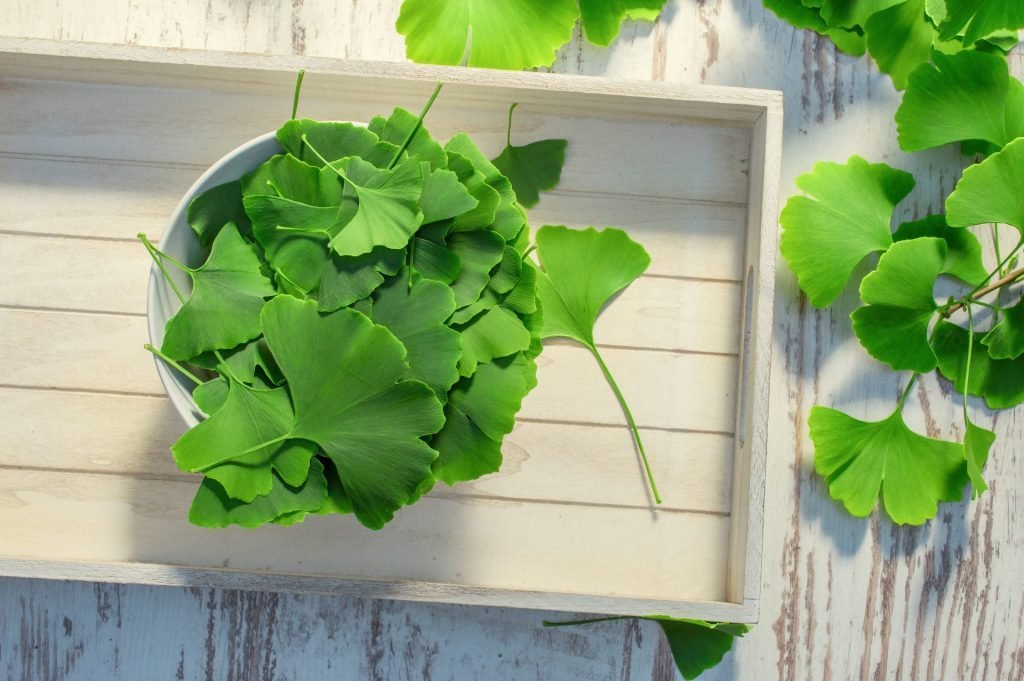
Ginkgo biloba, also known as the Maidenhair Tree or Silver Apricot Tree, is one of the oldest tree species on the planet. Some specimens are said to be over 1,000 years old! The tree grows naturally in only a few regions of the world, including China. However, due to its uses in herbal medicine and its ornamental appeal, it is cultivated worldwide, with a particular presence in Japan and South Korea. It is worth noting that the species is on the red list of threatened species, despite its remarkable resistance to mutagenic agents.
What Is Ginkgo Biloba Used For?
In traditional Chinese medicine, the tree’s ovules were almost exclusively used — they resemble an oblong fruit similar to an apricot, from which the seed and kernel were extracted. They were used to treat pulmonary and urinary conditions. Ginkgo nuts were also consumed cooked (raw, they are toxic) at wedding ceremonies.
It was Western pharmacopoeia, however, that later turned its attention to the Ginkgo biloba leaf, which is still used today in herbal medicine and traditional pharmacy. The unique chemical composition of Ginkgo biloba is particularly noteworthy, as its buds and leaves are rich in flavonoids and terpenes.
An important point: Ginkgo biloba leaf extract can interfere with blood clotting. It is therefore not recommended without medical advice if you are taking anticoagulant medication or a platelet aggregation inhibitor, if you have a blood clotting disorder, before surgery, or if you are pregnant or breastfeeding.
Today, Ginkgo biloba is used in herbal medicines and food supplements, and it is also used by the cosmetics industry. Research into several of its uses is still underway, with no firm conclusions reached so far. These products do not all have the same composition: a medicine, a food supplement and a cream differ in form, extract content and intended use, so it is important to read leaflets and labels carefully. If you suffer from heavy legs, oedema or varicose veins, speak to a doctor about these symptoms before turning to any plant.
Is Ginkgo Biloba of Any Interest for Cellulite?
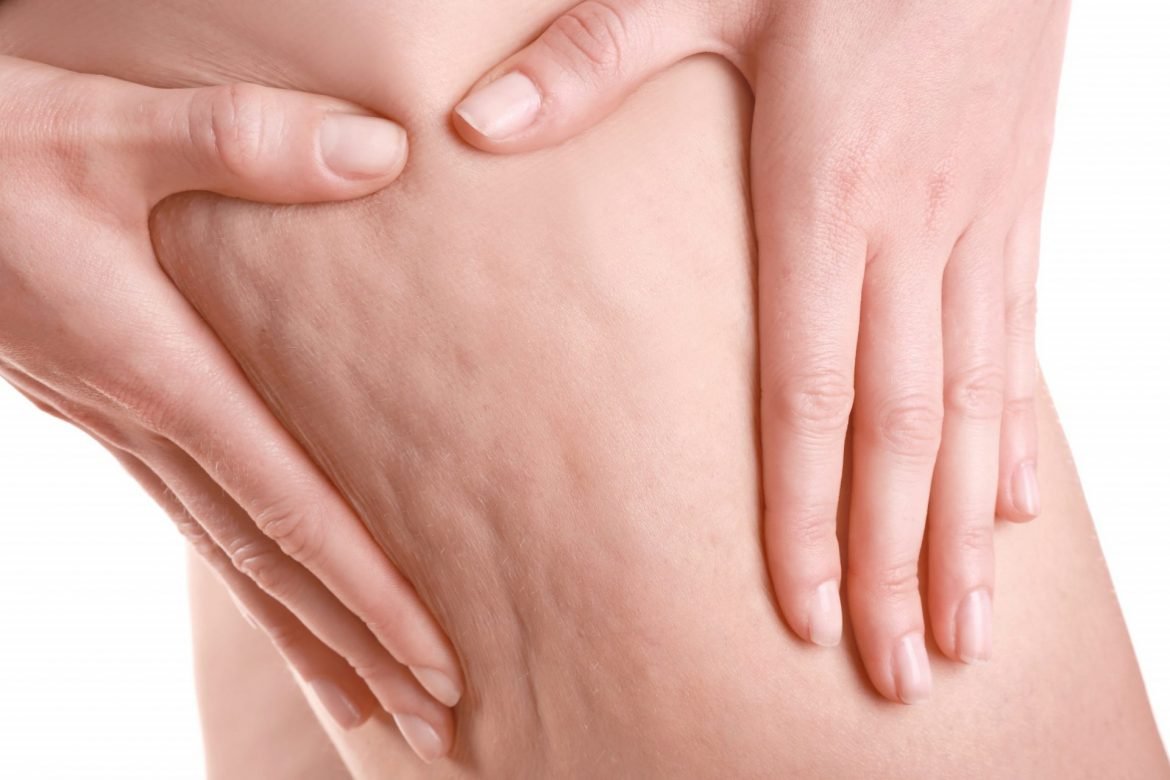
Cellulite, or superficial lipodystrophy, is a condition caused by an abnormal accumulation of fat and water in the lower layers of the skin (hypodermis). It is primarily caused by:
- An excess of fat, resulting in the hypertrophy of adipocytes, or even a multiplication of subcutaneous fat cells in cases of severe and/or deeply embedded cellulite.
- An abnormal accumulation of water in the connective tissues, more commonly known as water retention.
- Compression of these same tissues by the enlarged adipocytes.
- In the case of fibrous cellulite, a disorganisation of the skin’s elastic fibres (collagen, elastin), leading to fibrosis.
- A sluggish veno-lymphatic system, where blood vessels become porous and allow water to leak into the tissues, and where the lymphatic network no longer effectively performs its role of removing fluid.
The available evidence does not allow us to say that Ginkgo biloba acts on cellulite, whether it is taken orally or applied to the skin. Its reputation mainly comes from its traditional uses relating to circulation, one of the components of cellulite. If you experience heavy leg sensations, speak to your doctor rather than choosing a supplement on your own. That said, and as you will have gathered, neither Ginkgo biloba extract nor any other plant can replace the fat breakdown that comes with physical activity. Whether you are dealing with aqueous cellulite or other types of cellulite (adipose or fibrous), the foundation remains an overall healthy lifestyle, combining a balanced diet, regular exercise and massage. A daily skin-rolling massage or a massage with a cupping cup remains the simplest way to care for the appearance of orange-peel skin, one area at a time.
What Forms Does Ginkgo Biloba Come In?
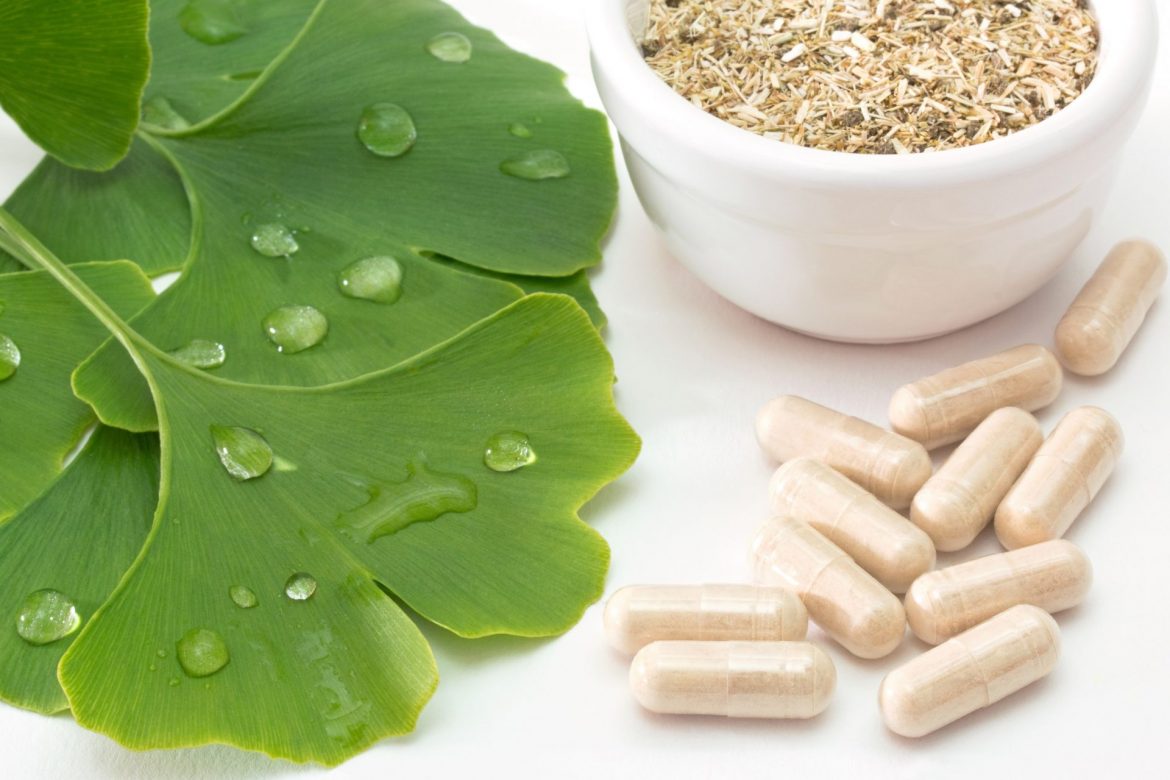
Ginkgo biloba is generally available in several forms:
- Topical creams for skin application, often intended for heavy legs
- Drinkable solutions
- Capsules or tablets
When making your choice, it is important to check the Ginkgo leaf extract content stated on the label, and to stick to the daily dose recommended by the manufacturer. It is nonetheless advisable to consult your doctor or pharmacist before taking Ginkgo, especially if you are already on medication or at risk of bleeding. Choose products whose composition is clearly stated (the part of the plant used and the extract content), do not combine several products containing Ginkgo, and tell any doctor or pharmacist who prescribes you medication that you are taking it.
For a routine focused on cellulite, also discover our food supplements:
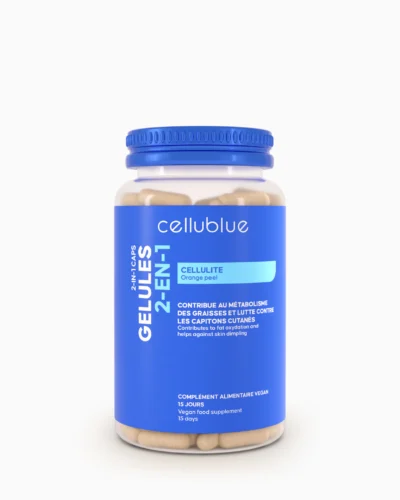
- Our Anti-Cellulite Capsules, natural and vegan, formulated with guarana, green tea, cherry stem and red vine. They are to be taken in short courses, following the directions on the product page, with a large glass of water.
- Our drink to dilute, made with plants, is to be taken following the directions on the product page, diluted in water. To find out more, discover how an anti-cellulite drainer works and how to look after your body.
Related articles
Useful categories: Anti-Cellulite Plants.


The scrub that leaves skin smooth and skin texture refined*
*User test on 21 volunteers over 4 weeks, based on participants' feedback.
- Olive & apricot kernels: these natural grains gently sweep away dead skin cells
- Caffeine & monoi scent, so your shower instantly smells like a holiday
- In the shower, two to three times a week, massaging your thighs, bottom and stomach

The cupping tool that replicates pinching and rolling, 3 minutes per zone
- The professionals' technique, at home: you lift, glide, and release, and the tool grips the skin fold like a manual pinching and rolling
- Soft silicone that fits thighs, buttocks, stomach, and arms
- 3 minutes per zone, every day, always with a massage oil so the tool glides