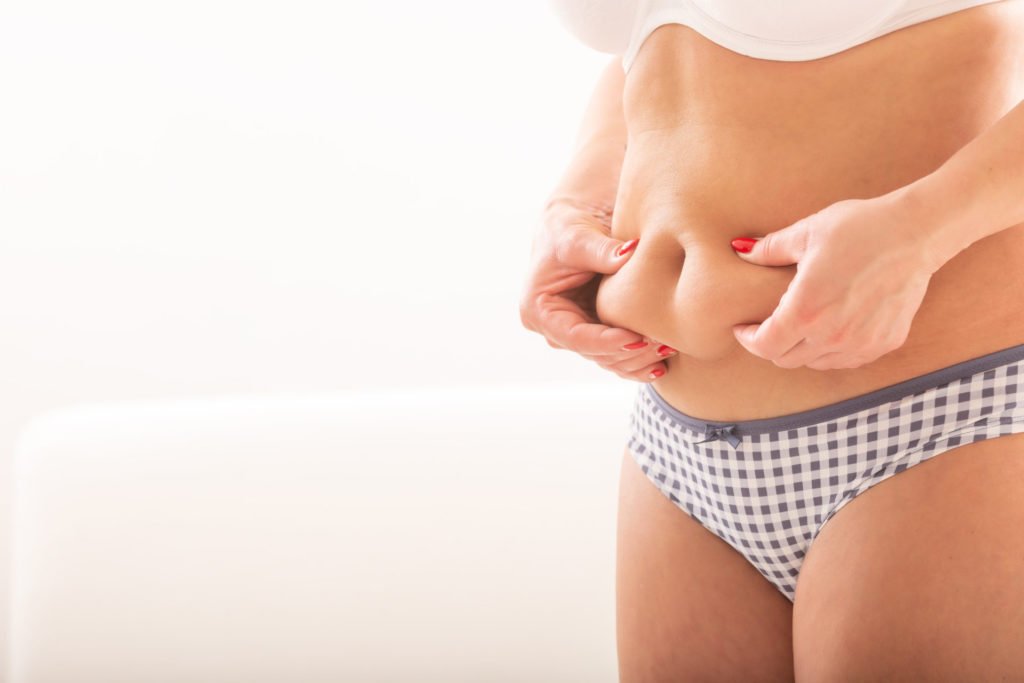
An all-too-familiar end-of-day nuisance: you have to undo the top button of your trousers because your abdominal area feels swollen, and the bloating seems to have come out of nowhere. Your usually flat stomach puffs up at the drop of a hat, and you don’t really know why. What if this discomfort were actually down to water retention around your belly? In this article, we look at when it tends to appear, how to recognise it and which lifestyle habits can help your belly feel more comfortable.
Water retention in the belly – the “balloon” effect
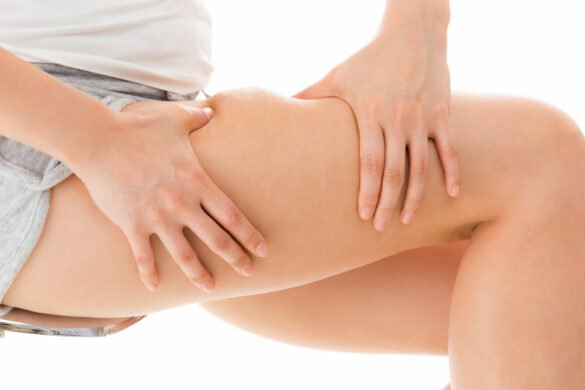
Water retention is a fairly common condition, though an unpleasant one. The body is made up of around 70% water: two thirds are held within the body’s cells, while the remaining third is found in the blood (plasma) or between cells. Sometimes, however, water builds up in the tissues and stays there, which shows up as swelling. And while water retention usually affects the thighs, legs and ankles, other parts of the body can be affected too: the hands, the face and even the belly.
Abdominal water retention is relatively rare, but it does exist. It can occur:
- In the premenstrual phase, when women often experience bloating sensations and sometimes even sudden, significant weight gain (symptoms of premenstrual syndrome)
- During pregnancy
- During menopause
- With certain medical treatments, particularly corticosteroid-based therapies, hormonal treatments (HRT, the pill) and antihypertensives
- In the case of a pathological condition – cardiac, renal or vascular
Beyond the unflattering appearance of a puffed-up belly, the discomfort it brings is very real. You feel uncomfortable in your own skin, bloated and constricted by your clothes… Not to mention the loss of control over your body, since these sudden bouts of swelling can be hard to explain.
How can you tell if you have water retention in your belly?
It isn’t always easy to tell the difference between a belly that’s bloated from digestion and abdominal water retention. A few clues can help point you in the right direction, though: a belly that swells as the day goes on, a feeling of being puffy and constricted by your clothes, or swelling that appears at clearly identifiable times (before your period, during pregnancy, at menopause, while taking certain medications).
If you’re unsure, or if the swelling comes with pain or other unusual symptoms, the safest option is to speak to your GP: only they can tell you whether it really is water retention and rule out any other cause.
Water retention in the belly: which habits can help?
Drastic problems call for effective solutions! For a more comfortable belly day to day, it’s all about adopting a few healthy lifestyle habits. You’ll also find our tips for a flatter stomach.

Take a closer look at your diet
Water retention in the belly is all too often confused with bloating. But the two aren’t the same – water retention isn’t a digestive issue! That said, it’s worth paying attention to your eating habits: cut back on salt (watch out for cured meats, ready meals and hard cheeses), favour nuts and wholegrains, and eat fruit and veg such as pineapple, grapefruit, artichoke, celery or asparagus, as well as foods rich in potassium (wheat germ, legumes, dried fruit, avocado, banana).
Stay well hydrated, even when your belly feels swollen
It bears repeating: staying hydrated is essential for your body to function properly, and dehydrating yourself won’t help that uncomfortable feeling. Drink water throughout the day. If you enjoy hot drinks, herbal teas and green tea, such as our detox slimming tea, can also have a place in how you stay hydrated.
Four plant extracts, one dose a day
- Instructions for use
- Friendly advice
Put healthy lifestyle habits in place
Avoid heat as much as you can, as it’s often linked to that swollen feeling. Steer clear of clothes that squeeze your stomach and choose comfort instead. Don’t stay in the same position for hours on end: take time to move about, walk a few steps and have a good stretch. More generally, get back into regular exercise, at your own pace.
Treat your belly to a cupping massage
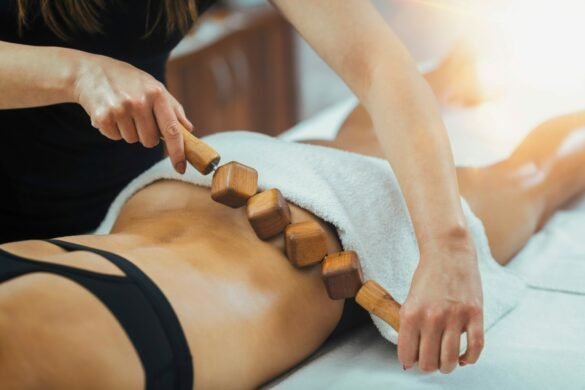
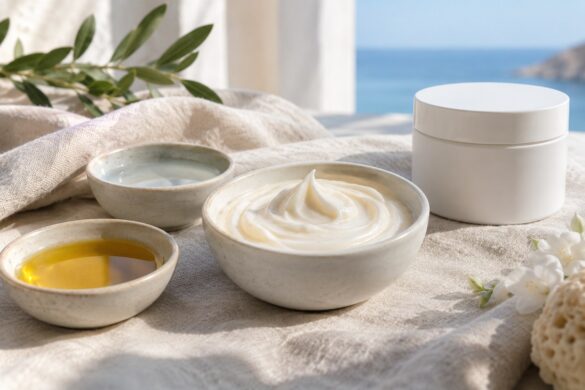
To round off these habits, you can regularly massage your belly with our oil and our cupping cup, using circular movements for 3 minutes at a time. Some people find it a pleasant moment of self-care.
Frequently asked questions
What’s the difference between a bloated belly and water retention in the belly?
Abdominal water retention isn’t a digestive issue: it’s linked to fluid that seeps into the tissues and becomes trapped there, whereas bloating is a matter of digestion. If you’re unsure which one you’re dealing with, ask your doctor for advice.
How can you get rid of water in the belly?
There’s no single solution. The common-sense habits are all covered above: cut back on salt, stay well hydrated, avoid heat and tight clothing, move about regularly and, if you like, massage your belly with an oil and a cupping cup. If the swelling persists or comes with other symptoms, ask your GP for advice.
Related articles
- Bloated Belly: Eating Habits, Exercise and Massage
- Essential oils and water retention
- 3 treatments to know about for water retention
Useful categories: Anti-Cellulite Care, Anti-Cellulite Solutions.