


The body is made up of 60 to 70% water on average — and the same goes for the skin. Hydration is therefore at the heart of how the body functions. But how do you go about properly hydrating your body? Here are a few tips!
What are the benefits of hydration for the body?
It is quite simply essential to life, since we cannot survive without drinking. The water present in the body is constantly being renewed: we eliminate around 2.5 litres per day through various metabolic processes (perspiration, breathing, urination…) and we replenish it through drinks and food. But what exactly does it do? It is used as follows:
- it enables cell regeneration;
- it contributes to the transport of substances essential to the body;
- it helps eliminate metabolic waste and toxins;
- it maintains a constant body temperature;
- it takes part in chemical reactions in the body;
- it is the source of multiple bodily substances, including saliva and mucus (which support digestion) and synovial fluid (the liquid that lubricates the joints).
In short, it is used by every single part of the body!
And does the skin need to be hydrated?
Absolutely! It is made up of 70% water. This water supports cell renewal (and the skin has many different types of cells), enables toxin elimination and forms part of the hydrolipidic film. This film — a blend of sweat, sebum and keratin — plays many roles:
- it forms the skin barrier, protecting against external aggressors;
- it maintains the balance of the skin flora, the multitude of ‘good’ bacteria on the skin’s surface that help fight microbial infections;
- it regulates hydration by slowing the natural evaporation of water through the skin;
- it maintains the skin’s natural pH.
Depriving the skin of hydration can have serious consequences, as it can no longer fulfil its protective role. But it also looks less beautiful:
- it feels uncomfortable, tight, red and may even itch;
- it loses elasticity, making certain concerns such as stretch marks more likely;
- it ages more quickly and premature fine lines appear;
- it loses its radiance and volume;
- it loses firmness, with a sagging appearance, a lack of tone, and even cellulite.
How to stay properly hydrated?
Tip no1: drink!
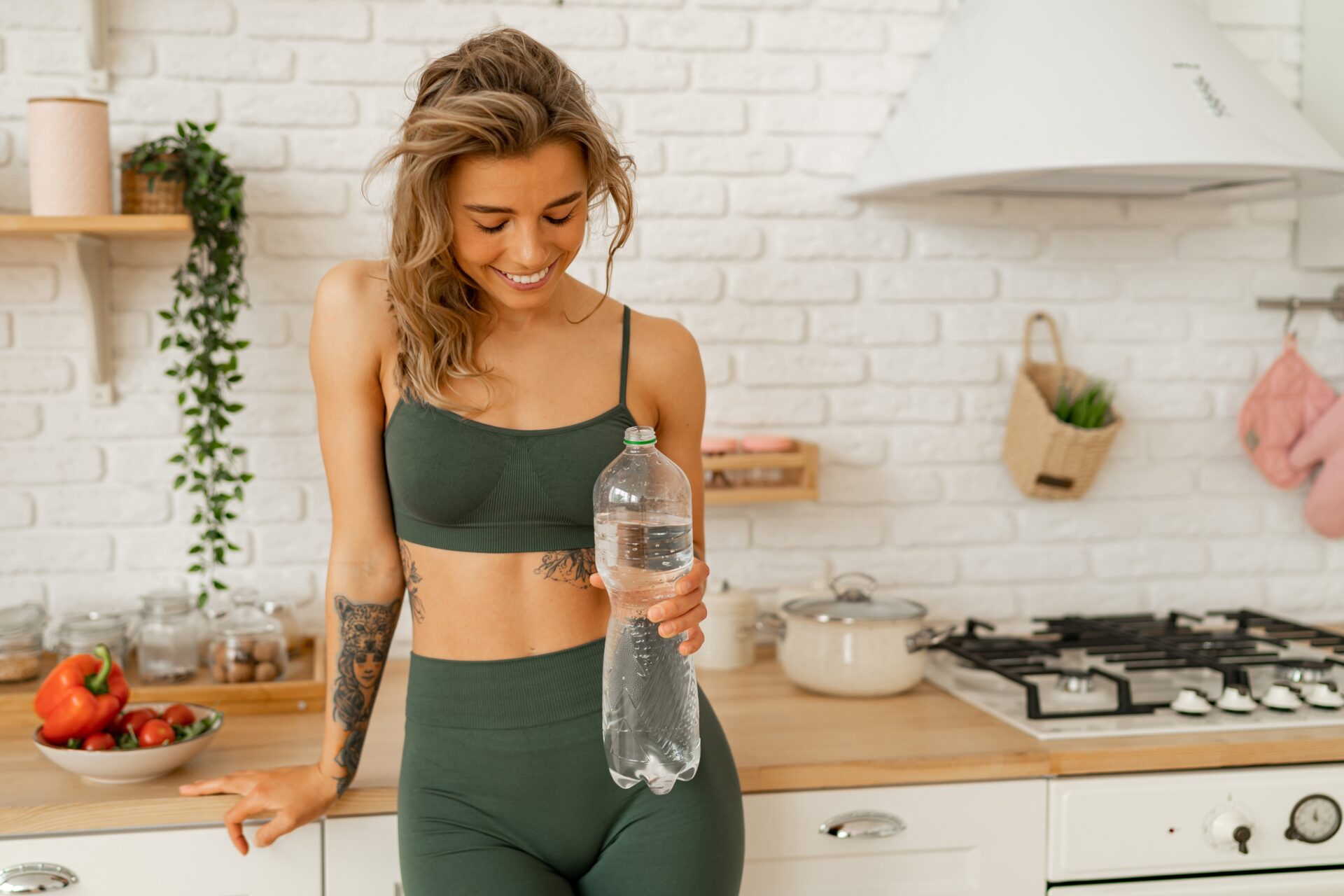
Hydration starts from within. And what better way to ensure it than to drink? A simple truth, but one worth repeating. Many of us simply don’t drink enough throughout the day. To make sure you’re drinking enough — that is, 1.5 to 2 litres a day — why not invest in a reusable bottle or insulated flask? That way, you can easily keep track of your hydration. Water should remain your go-to drink, but you can also supplement with light, nourishing beverages such as tea, herbal infusions, detox waters, juices (fruit or vegetable, or both), broths…
Tip no2: adapt your diet
Daily hydration also comes through what you eat. Some foods are dehydrating (they require a lot of water to be digested), while others bring a significant amount of water to the body. To keep your body well hydrated, you should:
- consume protein in moderation (nutritional guidelines recommend that protein should make up only 10–15% of daily intake);
- favour healthy fats (seafood, oily seeds and nuts) which, by contributing to the hydrolipidic film, help limit water loss;
- eat plenty of fruit and vegetables, to benefit from both their water content and their antioxidant vitamins.
Tip no3: use a daily moisturiser
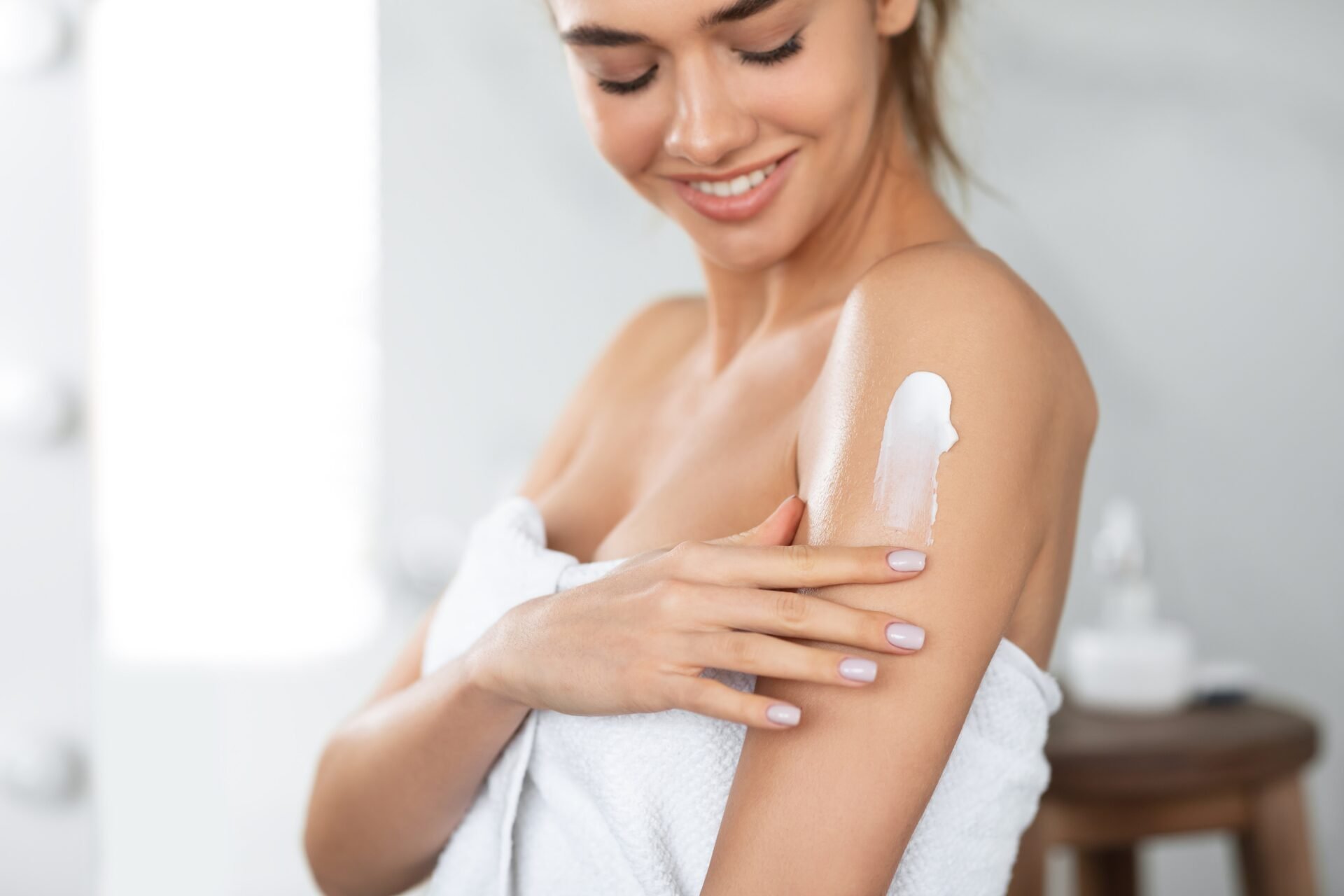
Of course, you can also hydrate your body through the application of moisturising products. Creams, balms and lotions all contain humectant and emollient ingredients that provide the skin with the water it needs. This daily moisturising routine helps prevent many concerns: goodbye tightness, redness, loss of firmness and the risk of stretch marks!
Formulated with nutrient-rich ingredients, our Moisturising Cream absorbs quickly into the skin for immediate and long-lasting hydration. It is packed with hydrating and firming actives that deeply nourish and repair your skin. Suitable for all skin types, even the most sensitive.
Tip no4: protect yourself from the sun
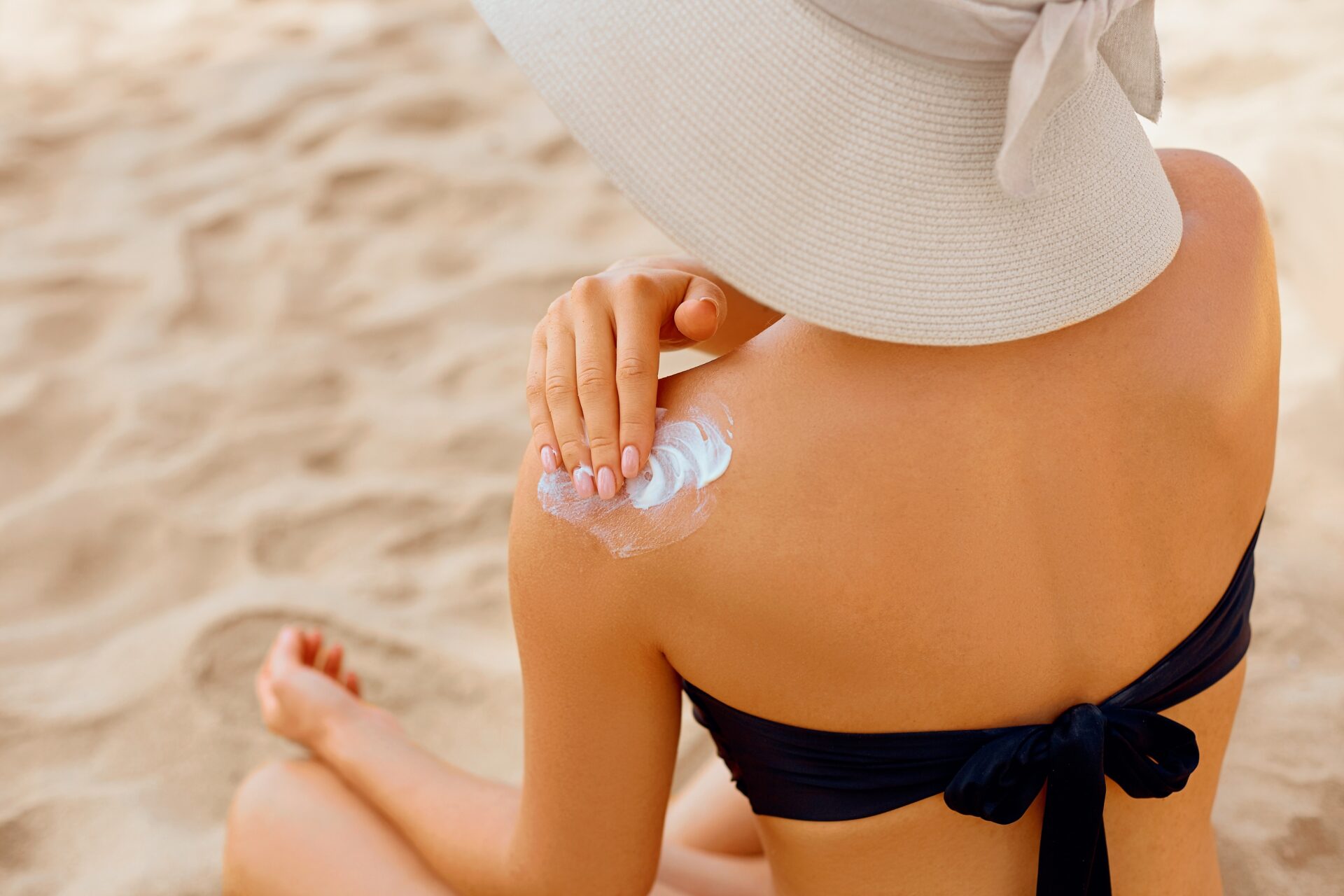
The sun is one of the main causes of dehydration: it accelerates water loss, damages the skin in depth and leads to dryness, premature ageing and loss of firmness. To keep your body hydrated:
- avoid sun exposure during the hottest hours of the day;
- apply a high SPF consistently and every two hours;
- protect yourself with clothing that is light-coloured, loose-fitting and covering;
- drink water regularly;
- after any sun exposure, apply a hydrating after-sun care.